- Category
- Drinks
- State
- Fresh
- Usual unit
- ml
What it is
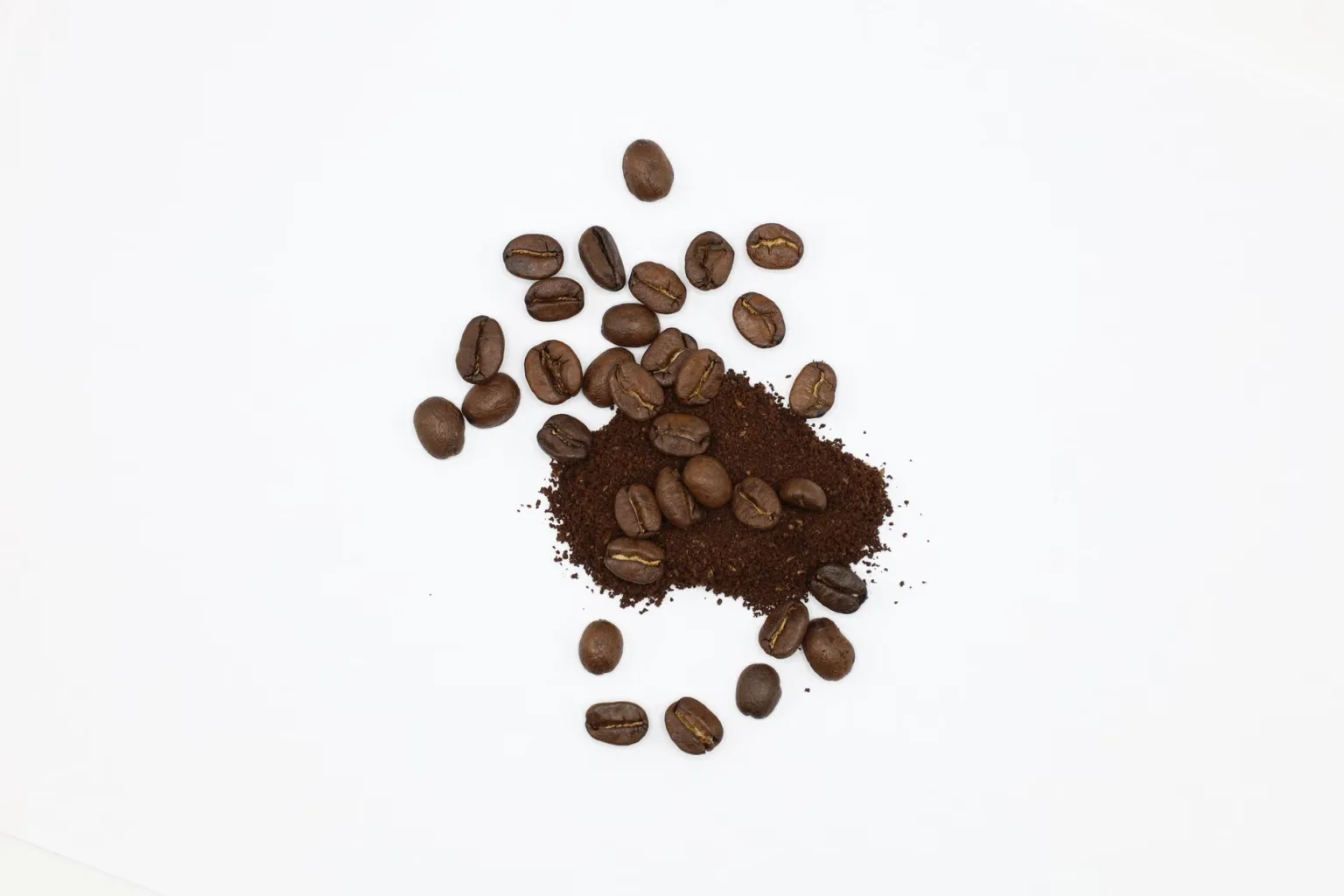
Brewed coffee is a drink made by passing hot water through roasted, ground coffee. The water extracts some of the beans’ flavour and aroma, producing a liquid infusion that is usually served in a cup. It is not the same as dry ground coffee or instant coffee: brewed coffee is already prepared and ready to drink or add to a recipe. It can be enjoyed black or combined with milk and other ingredients. Its intensity, bitterness and aroma depend on the coffee used and the preparation method, so one cup may taste lighter or more pronounced than another. Brewed coffee can be served hot, cold or over ice. In cooking, its characteristic flavour can be used in drinks and desserts as well as enjoyed on its own.
When to use it
Use brewed coffee when you want a roasted, bitter-tasting drink, either on its own or with an accompaniment, or when a recipe can benefit from that flavour profile. It can be served hot after a meal or made into a cold drink with ice. It can also be incorporated into desserts and mixed drinks, bearing in mind that its bitterness may stand out against other ingredients. When a recipe calls for coffee as a liquid, brewed coffee adds flavour without adding dry grounds directly. For a balanced result, choose an intensity that suits the rest of the preparation and add milk, sugar or other ingredients only when the recipe or your preference calls for them.
How to use it
Serve brewed coffee black in a cup, or combine it with milk for a milder, creamier drink. To serve it cold, let it cool and pour it over ice; the ice can dilute the coffee, so adjust the strength to taste. It can also be added to mixed drinks and desserts that suit its roasted aroma. When using it in a recipe, measure the liquid and remember that it contributes both bitterness and moisture; do not add dry coffee grounds unless the recipe specifically calls for them. Taste the mixture before adding more sweetener or coffee so that the flavour does not overpower the other ingredients. If you use a commercially prepared ready-to-drink coffee, check its ingredient list: it may contain milk, plant drink or sugar.
Flavour and texture
Its profile is generally roasted, aromatic and bitter, although intensity varies with the coffee and preparation. Brewed coffee is a fluid liquid, not a cream; its body and mouthfeel can vary from cup to cup. Adding milk can soften its character and change the drink’s texture.
How to choose it
If buying packaged brewed coffee, read the product name and ingredient list to find out whether it is black coffee or a combined drink. Some ready-to-drink products may include milk, plant drink or sugar. If preparing it at home, choose coffee with a flavour profile you enjoy and make only as much as you plan to use.
Storage
Brewed coffee’s aroma is most evident when it is freshly served. If you will not drink it straight away, avoid leaving it exposed unnecessarily and follow the storage directions on the package for commercial products. There is no universal storage time that applies to every preparation.
Substitutions
Espresso can be a style alternative when you want an intense coffee flavour, but it is made by a different method and should not be assumed to replace brewed coffee in the same amount. Ready-to-drink coffee can also be convenient, but it may contain sugar, milk or plant drinks and change the result.
Common mistakes
Do not confuse brewed coffee with ground coffee: the former is already a liquid, while dry grounds do not dissolve in the same way. Adding too much coffee can make a drink or dessert excessively bitter. Check the ingredients of commercial versions, which may contain milk, sugar or other components.
Safety and allergens
If you have a food allergy, check the ingredients of packaged products and ask about the composition of drinks prepared away from home. Black coffee and commercial mixtures do not necessarily have the same ingredients.
Culinary uses
- Bebida para servir sola o acompañada
- Líquido de sabor intenso para postres y preparaciones culinarias
Recommended techniques
- Preparar haciendo pasar agua caliente por café tostado y molido
- Servir caliente, frío o con hielo
Pairs well with
- Leche
- Chocolate
Frequently asked questions
How is brewed coffee made?
It is made by passing hot water through roasted, ground coffee to produce a liquid infusion.
Can brewed coffee be served cold?
Yes. It can be served cold or over ice, on its own or combined with other ingredients.
Is packaged ready-to-drink coffee always black coffee?
No. Some products contain milk or plant drink and sugar. Read the ingredient list to check what is in the product.
Ingredient allergens
Allergen listThere are no verified associations for these ingredients yet.
Estimated nutrition
- Fat
- 0 g
- Saturates
- 0 g
- Carbohydrate
- 0.17 g
- Sugars
- 0 g
- Fibre
- 0 g
- Protein
- 0.3 g
- Salt
- 0 g
Sources and review
Automatically researched, cross-checked and validated content. Sources consulted:
- Alérgenos alimentarios | EFSA www.efsa.europa.eu/es/safe2eat/food-allergens
- Agencia Española de Seguridad Alimentaria y Nutrición www.aesan.gob.es/
- Café - Wikipedia, la enciclopedia libre es.wikipedia.org/wiki/Caf%C3%A9
- Food Allergies | FDA www.fda.gov/food/nutrition-food-labeling-and-critical-foods/food-allergies
- Allergen labelling for food businesses | Food Standards Australia New Zealand www.foodstandards.gov.au/business/labelling/allergen-labelling
- Food Allergy: Labelling and exposure risks - PMC pmc.ncbi.nlm.nih.gov/articles/PMC11250542/
- Allergen guidance for food businesses - GOV.UK www.gov.uk/government/publications/allergen-guidance-for-food-businesses/allergen-guidance-f…
- Food information to consumers - legislation - Food Safety food.ec.europa.eu/food-safety/labelling-and-nutrition/food-information-consumers-legislation…
- Client Challenge doi.org/10.2307/j.ctv1tqcw9h.3
- Café en la Gastronomía: Maridajes que Debes Probar mementocoffee.com/blog/cafe-en-la-gastronomia/?srsltid=AYCX9vKLo66aUlYP8yOIZ8Op3ip81fYol3Igk…
- - YouTube www.youtube.com/watch?v=h5e6mtk8CYs
- Café listo para tomar: ingredientes | Consumer www.consumer.es/alimentacion/cafes-listos-para-tomar-ingredientes
- Tipos de cafés en España: Variedades y preparaciones irresistibles - BlogQPack www.puntoqpack.com/blog/es/tipos-de-cafes-en-espana-variedades-y-preparaciones-irresistibles…
- El café en la gastronomía www.joseanalija.com/cafe/