- Category
- Pulses
- State
- Fresh
- Usual unit
- g
What it is
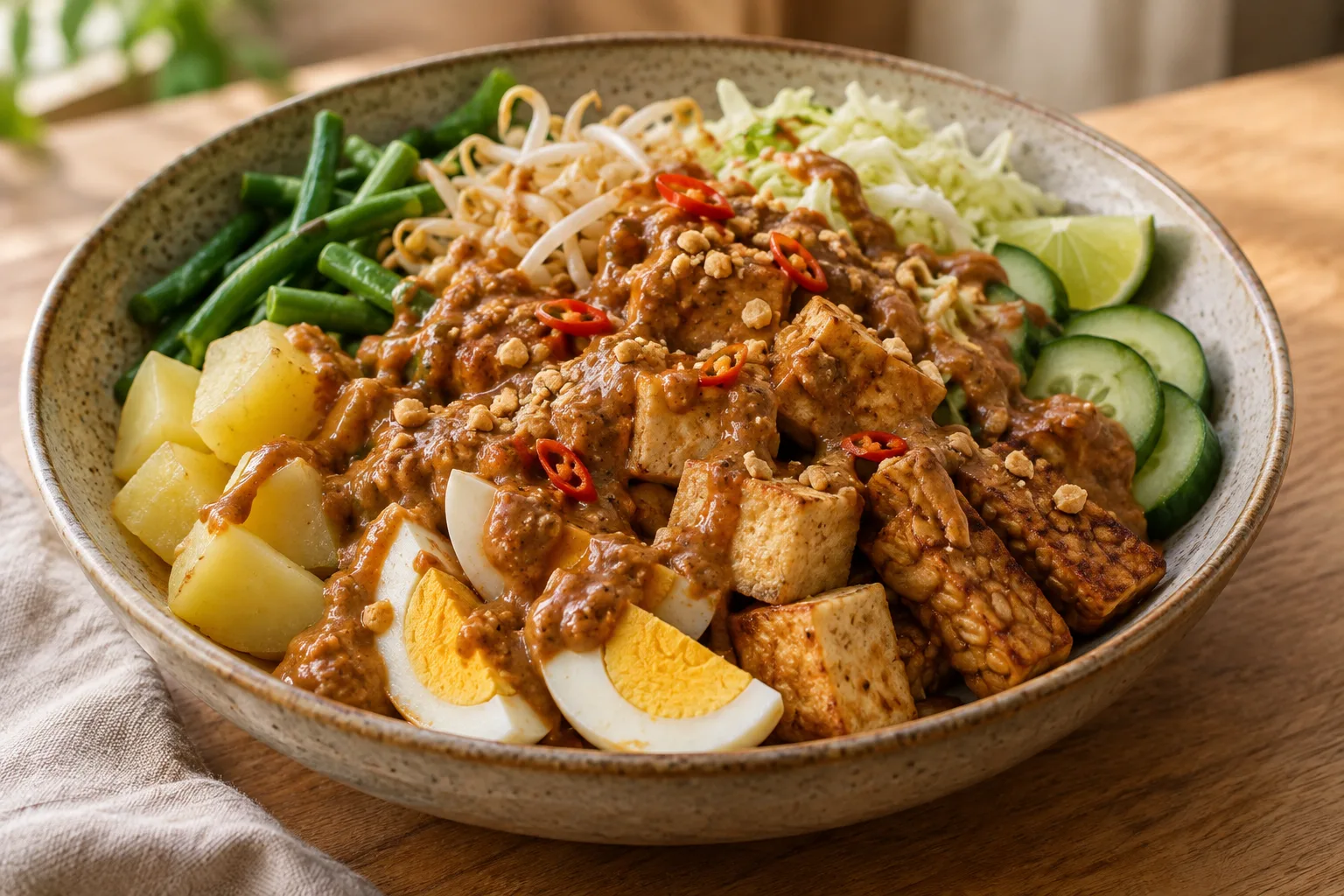
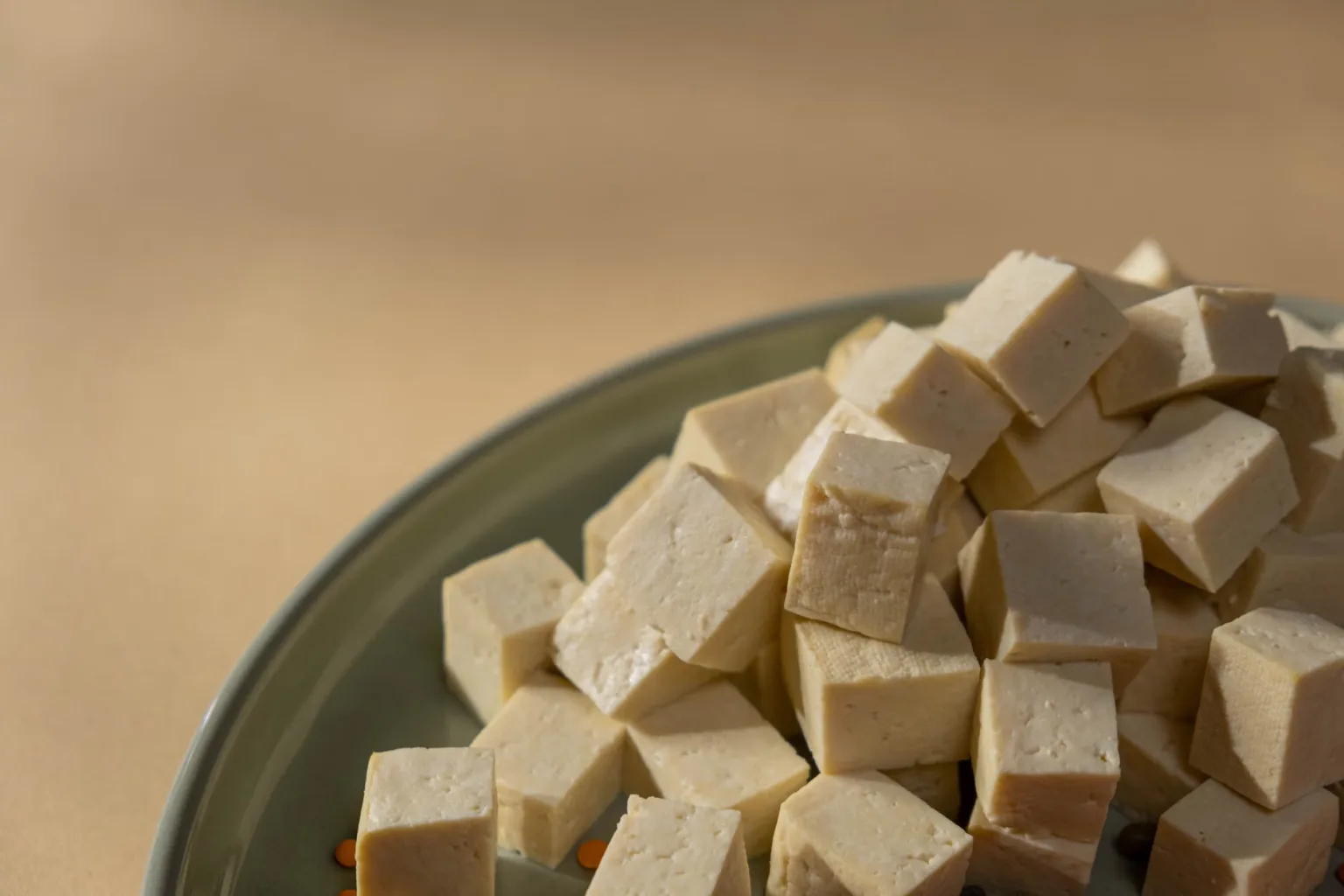
Firm tofu is made by curdling and pressing soybeans, and is usually sold as a pale, compact block. Pressing removes some moisture and gives it a sturdier structure than silken or soft tofu. This makes it easier to cut into cubes or slices and handle in a pan without it breaking apart as readily. Its mild, understated flavor makes it a useful base for the marinade, spices, or sauce used in a dish. The exact firmness and moisture level can vary by product, so choose a texture suited to the preparation. Firm tofu is a versatile ingredient rather than a strongly flavored centerpiece on its own.
When to use it
Choose firm tofu when you want pieces to keep their shape during preparation and cooking. It suits vegetable stir-fries, browned pieces cooked on a griddle or in the oven, curries, hearty soups, and salads. It is also useful for marinating because it can be cut into portions and coated with a sauce before cooking. If a recipe needs a very smooth, creamy, or delicate texture, silken tofu is usually a better fit. Check how firm the block is: some products are denser than others and may need slightly different handling.
How to use it
Remove the tofu from its package and drain it. If the surface is very wet, pat it dry with paper towel or a clean cloth; gently pressing it can make the pieces more compact. Cut it into cubes, slices, or pieces of the size you want, then season with a marinade or add it directly to a sauce. To brown it, heat a little oil in a pan and cook the pieces without crowding them; turn them to brown several sides. You can also bake it or add it to a curry or vegetable stir-fry. Add strongly flavored sauces gradually and adjust the seasoning at the end. Handle the pieces gently if you want them to stay intact.
Flavour and texture
Firm tofu has a mild, understated flavor, so it readily takes on the character of seasonings and sauces. Its compact texture makes it possible to cut and cook pieces that hold their shape better than silken varieties. Browning can create a toasted outer surface while the inside remains tender. Moisture and density vary by product, so the finished texture can be more or less firm.
How to choose it
Look for firm or extra-firm tofu when you need pieces that can withstand stir-frying, griddling, or baking. Check that the package is intact and read the ingredient list and manufacturer’s directions, especially if you need to avoid an ingredient or allergen. Firmness and moisture can differ between products; choose according to the dish and the texture you want. For a creamy or easily blended preparation, consider a different style of tofu.
Storage
Store unopened tofu according to the package directions and the temperature specified by the manufacturer. Once opened, keep it refrigerated and follow the product’s directions for storing leftovers; do not assume every format keeps in the same way. Use a clean, covered container and avoid leaving it at room temperature for extended periods. If the package gives specific instructions, follow those directions.
Substitutions
Tempeh can replace firm tofu in stir-fries or saucy dishes, though its texture is grainier and its flavor more pronounced. Seitan also works in dishes that call for firm pieces, but it is made from wheat and is not suitable for people who need to avoid gluten. Paneer can work in curries when a dairy-based substitute is appropriate. None is an exact match, so adjust the seasoning and cooking to suit the chosen texture.
Common mistakes
Do not treat firm tofu like silken tofu: it can be cut and browned, but pieces may still break if handled roughly. Avoid crowding the pan when browning, since this can make it harder to develop a toasted surface. Do not expect tofu to taste strongly seasoned on its own; use a sauce or marinade and check the seasoning before serving.
Safety and allergens
Tofu is made from soy. Check the package for ingredients and allergen statements. Follow the package directions for refrigeration and use after opening.
Culinary uses
- Plant-based protein component
- Absorbent ingredient for sauces and marinades
- Firm element in vegetable dishes
Recommended techniques
- Press and cube before cooking
- Marinate, then pan-fry or grill
- Bake until the outside is browned
Pairs well with
- Vegetables and stir-fry sauces
- Soy sauce, ginger, and garlic
- Curries, soups, and salads
Frequently asked questions
Does firm tofu always need pressing?
Not always. Draining and drying the surface may be enough; gentle pressing can help remove more moisture or make the pieces more compact.
How can I get browned tofu?
Drain and dry the pieces, heat the pan, and avoid crowding it. Turn the tofu so several sides can brown.
How is firm tofu different from silken tofu?
Firm tofu is more compact and generally holds its shape better when cut. Silken tofu is more delicate and better suited to smooth or creamy preparations.
Ingredient allergens
Allergen listThere are no verified associations for these ingredients yet.
Sources and review
Automatically researched, cross-checked and validated content. Sources consulted:
- Nutrition After Your Transplant - Health Online healthonline.washington.edu/sites/default/files/record_pdfs/Nutrition-After-Your-Transplant-…
- Tofu - Wikipedia, la enciclopedia libre es.wikipedia.org/wiki/Tofu
- Tofu, qué es, cómo se hace y beneficios bonviveur.com/es/noticias/tofu
- 2016 Winners Students - IE University www.ie.edu/prizes-humanities/book/winners-students/winners-students-2016/
- Vaquero Voices Podcast - Santa Barbara City College www.sbcc.edu/newsandevents/vaquero-voices.php
- ¿Cuál es la diferencia entre el tofu sedoso y el firme? - Bueno y Vegano www.buenoyvegano.com/2025/01/07/la-diferencia-entre-el-tofu-sedoso-y-el-firme/
- Tofu: qué es, propiedades, beneficios y cómo cocinarlo paso a paso www.ifema.es/noticias/alimentacion-bebidas/que-es-el-tofu-propiedades-beneficios
- - YouTube www.youtube.com/watch?v=YlDdrmYBCd8
- Food allergen labelling and information requirements technical guidance - GOV.UK www.gov.uk/government/publications/food-allergen-labelling-and-information-requirements-tech…