- Category
- Vegetables
- State
- Fresh
- Usual unit
- unit
What it is
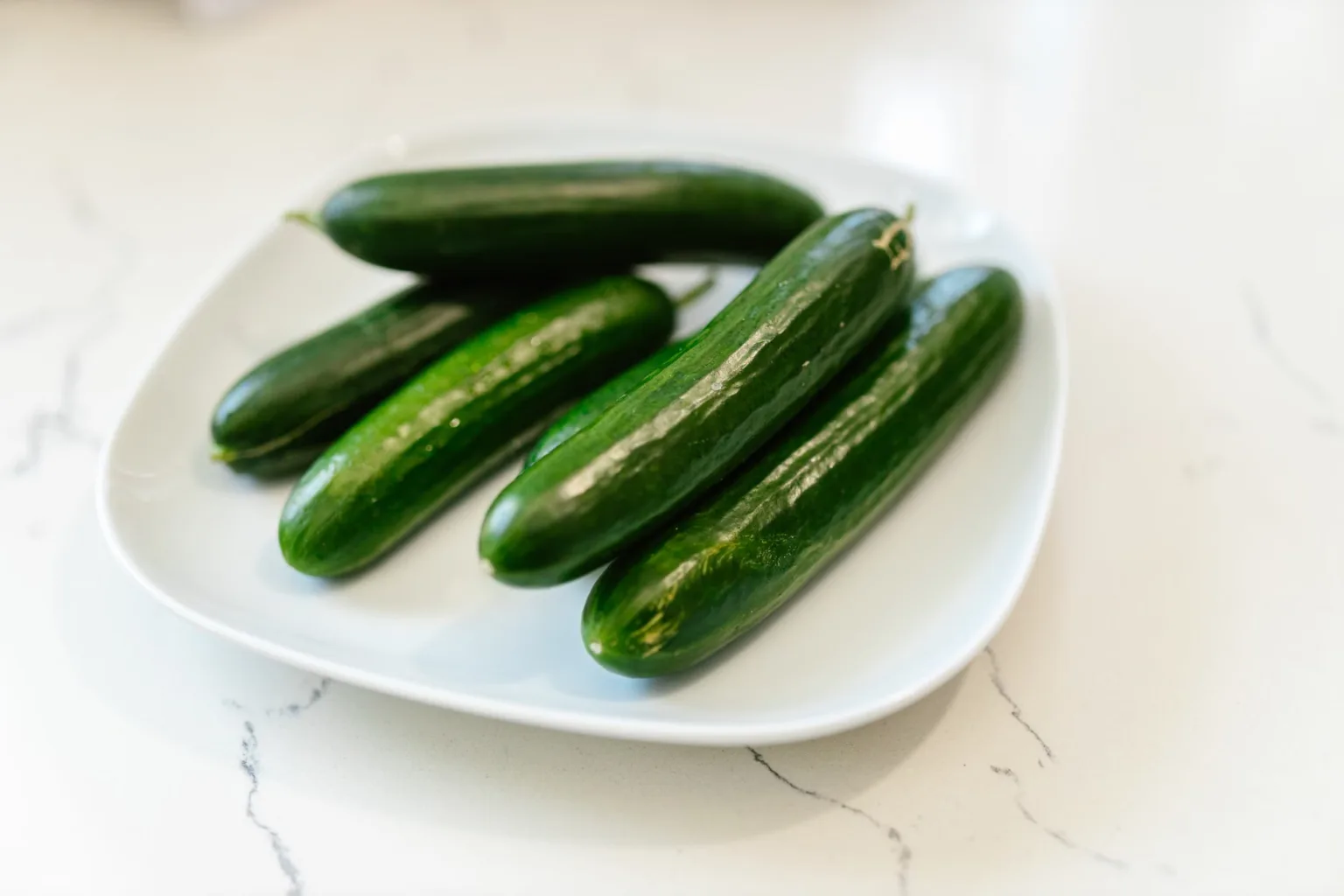
Small cucumbers are fruits of plants in the cucurbit family, commonly treated as vegetables in cooking. The name describes a size or market type; it does not necessarily mean a large cucumber picked early. There are short varieties and small cucumbers intended for different uses. Their flesh is usually juicy and mild, while the skin, seeds and texture vary with the variety. They are valued in the kitchen mainly for their freshness and crisp bite. Serve them raw in salads and sandwiches, or add them to cold dishes such as gazpacho. Some small cucumbers are also used for pickling. For that purpose, choose a suitable type and follow a reliable preservation recipe rather than assuming that every small cucumber will behave the same way.
When to use it
Use small cucumbers when a dish needs freshness, moisture and a light crunch. Their restrained flavour works well alongside stronger ingredients without taking over. They are useful in salads, sandwiches and cold soups such as gazpacho. If you plan to pickle them, select cucumbers intended for that use: small cucumbers are not all alike, and their firmness and shape can affect the result. Taste and check their texture before adding them to a dish where bitterness or softness would be especially noticeable.
How to use it
Rinse cucumbers under running water and dry them before cutting. Serve them whole as an accompaniment, slice them for salads and sandwiches, or chop them for a cold soup. Decide whether to keep the skin according to its texture and the dish; cucumber skins may be smooth or rough depending on the variety. If the seeds are large or the flesh is very soft, adjust the cut or remove those parts if the recipe allows. To pickle cucumbers, choose a suitable variety and follow a tested recipe, including its ingredients and preservation steps; do not guess at proportions or timing. Avoid freezing fresh cucumbers for serving raw, as the available information does not support freezing them for that purpose.
Flavour and texture
Small cucumbers are generally mild, fresh-tasting and juicy, with a pleasantly crisp bite when firm. Depending on the variety, the skin can be smooth, rough or thicker, and the seeds can vary in size with type and maturity. Some cucumbers may taste bitter; small size alone does not guarantee a uniform flavour. Pickling changes the fresh profile to a more pronounced tang and affects texture according to the method used.
How to choose it
Choose firm cucumbers with a green colour and no dull, yellowing or damaged patches. Avoid specimens with dry ends or a soft feel, which can be signs of lost freshness. Match the type and size to the intended use: a cucumber for fresh eating may not have the same characteristics as one selected for pickling. Shape and skin vary among varieties, so small cucumbers do not all need to look exactly alike.
Storage
Keep whole fresh cucumbers in the refrigerator and use them while they remain firm. Cover and refrigerate cut cucumber to reduce drying and limit the absorption of odours from other foods. Cut cucumber deteriorates sooner than whole cucumber, so prepare only what you need. Do not freeze cucumbers if you want to retain a fresh, crisp texture. For pickled cucumbers, follow the recipe and any storage directions on the product label.
Substitutions
If small cucumbers are unavailable, another cucumber variety may work, but adjust the cut and allow for differences in seed size, skin thickness and texture. In some salads, courgette can be used, though its flavour and juiciness are different and it should be cut suitably for raw serving. These options are not automatic substitutes for cucumbers selected for pickling: variety, firmness and recipe all affect the result.
Common mistakes
Do not assume every small cucumber works equally well in a salad and in a pickle; variety and firmness matter. Avoid soft, dull-looking specimens or cucumbers with dry ends. Do not assume that all small cucumbers have thin skin, few seeds or identical flavour. Do not freeze fresh cucumber expecting it to remain crisp after thawing, and do not improvise a pickling recipe without following its directions.
Safety and allergens
Rinse cucumbers under running water before preparation and use clean utensils and work surfaces. Do not eat cucumbers with spoiled areas, mould, an unusual smell or a slimy texture. For pickling, follow a reliable recipe and its preservation instructions; the available information does not establish universal timings or proportions.
Culinary uses
- Fresh, crisp addition to salads and sandwiches
- Ingredient in cold soups such as gazpacho
- Small cucumbers can be used for pickling
Recommended techniques
- Wash and slice or chop for fresh dishes
- Serve whole or sliced as a simple accompaniment
- Pickle using a suitable recipe
Pairs well with
- Tomato
- Lemon
- Yogurt
- Herbs and spices suited to salads or pickles
Frequently asked questions
Are small cucumbers just large cucumbers picked early?
Not necessarily. Short varieties and cucumbers intended for pickling have different uses; size alone does not identify the variety.
Can small cucumbers be eaten raw?
Yes. Rinse them and serve whole or sliced in salads, sandwiches and cold dishes.
Can every small cucumber be pickled?
Not necessarily. Choose a variety suitable for pickling and follow a reliable recipe.
Ingredient allergens
Allergen listThere are no verified associations for these ingredients yet.
Sources and review
Automatically researched, cross-checked and validated content. Sources consulted:
- Alérgenos alimentarios | EFSA www.efsa.europa.eu/es/safe2eat/food-allergens
- Pepino: propiedades y variedades - CocinoPedia.com cocinopedia.com/enciclopedia-gastronomica/pepino/
- El pepino, es la base de nuestra alimentación y gastronomía www.lechepuleva.es/blog/pepino/
- Etiquetado de sustancias que causan alergias e intolerancias alimentarias www.aesan.gob.es/seguridad-alimentaria/informacion-alimentaria/etiquetado-sustancias
- Pepino, la hortaliza más refrescante del verano: propiedades, beneficios y cómo usarlo en la cocina www.directoalpaladar.com/ingredientes-y-alimentos/pepino-hortaliza-refrescante-verano-propie…
- Pepinillo Km 0 de Lleida seleccionado desde la experiencia agrícola y gastronómica - Km0 km0andanifruits.com/pepinillo-historia-tipos-y-usos-culinarios/
- Los pepinos en la cocina mediterránea www.abc.es/gurme/sevilla/sevi-los-pepinos-en-la-cocina-mediterranea-201106072200_noticia.htm…
- Food Allergies | FDA www.fda.gov/food/nutrition-food-labeling-and-critical-foods/food-allergies
- Precautionary labelling of foods for allergen content: are we ready for a global framework? - PMC pmc.ncbi.nlm.nih.gov/articles/PMC4005619/
- RISK ASSESSMENT OF FOOD ALLERGENS - IRIS iris.who.int/server/api/core/bitstreams/6c71a3db-88b8-4fcd-a807-f5220eb4fc34/content
- Allergens in food | safefood.vic.gov.au www.safefood.vic.gov.au/allergens-in-food
- - YouTube www.youtube.com/watch?v=bDsPNt9mKJM
- Pepino- Gastronomía - Región de Murcia Digital www.regmurcia.com/servlet/s.Sl?r=ReP-20480-DETALLE_REPORTAJESPADRE&sit=c%2C543%2Cm%2C2714