Americas · Latin America

Bolivia

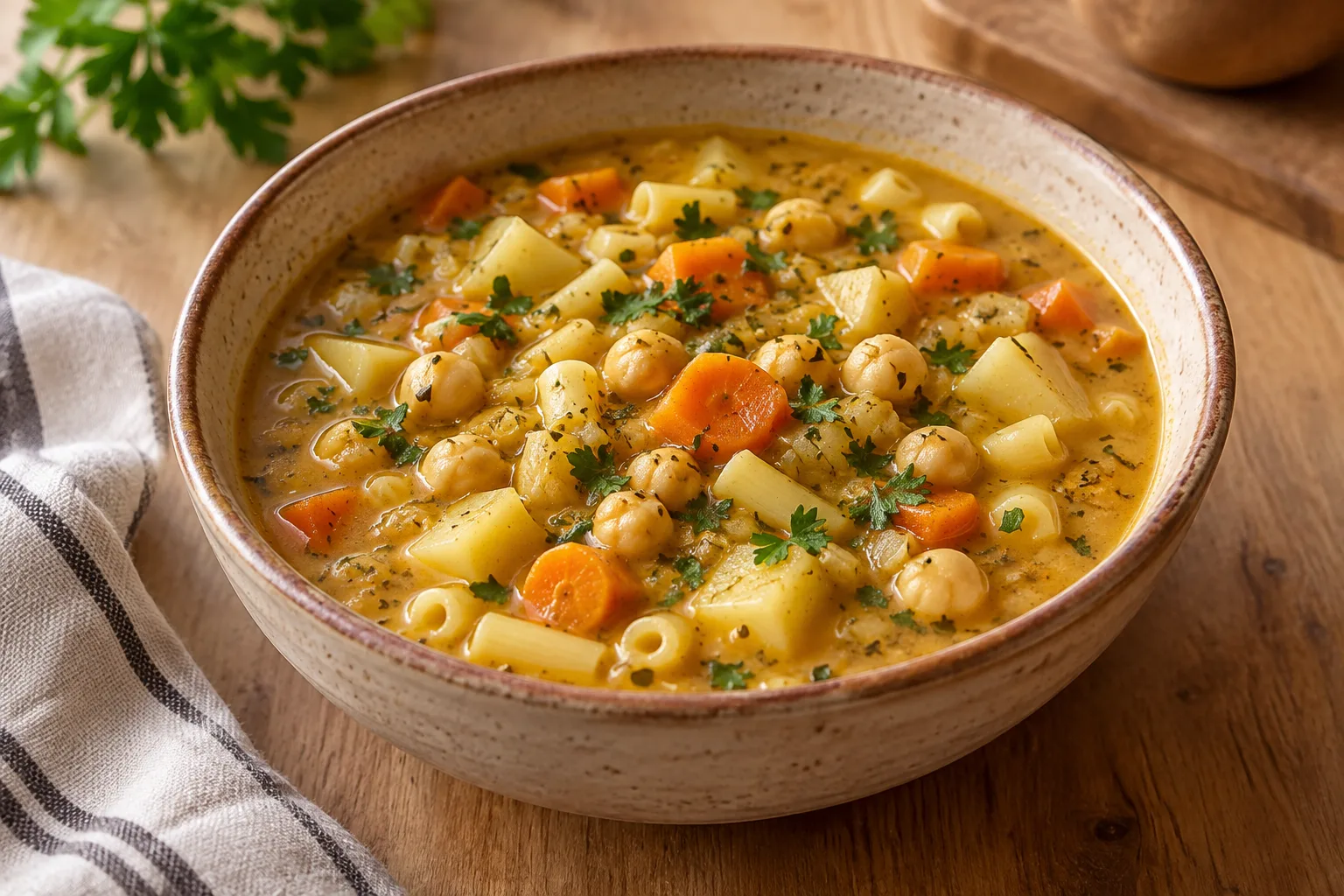
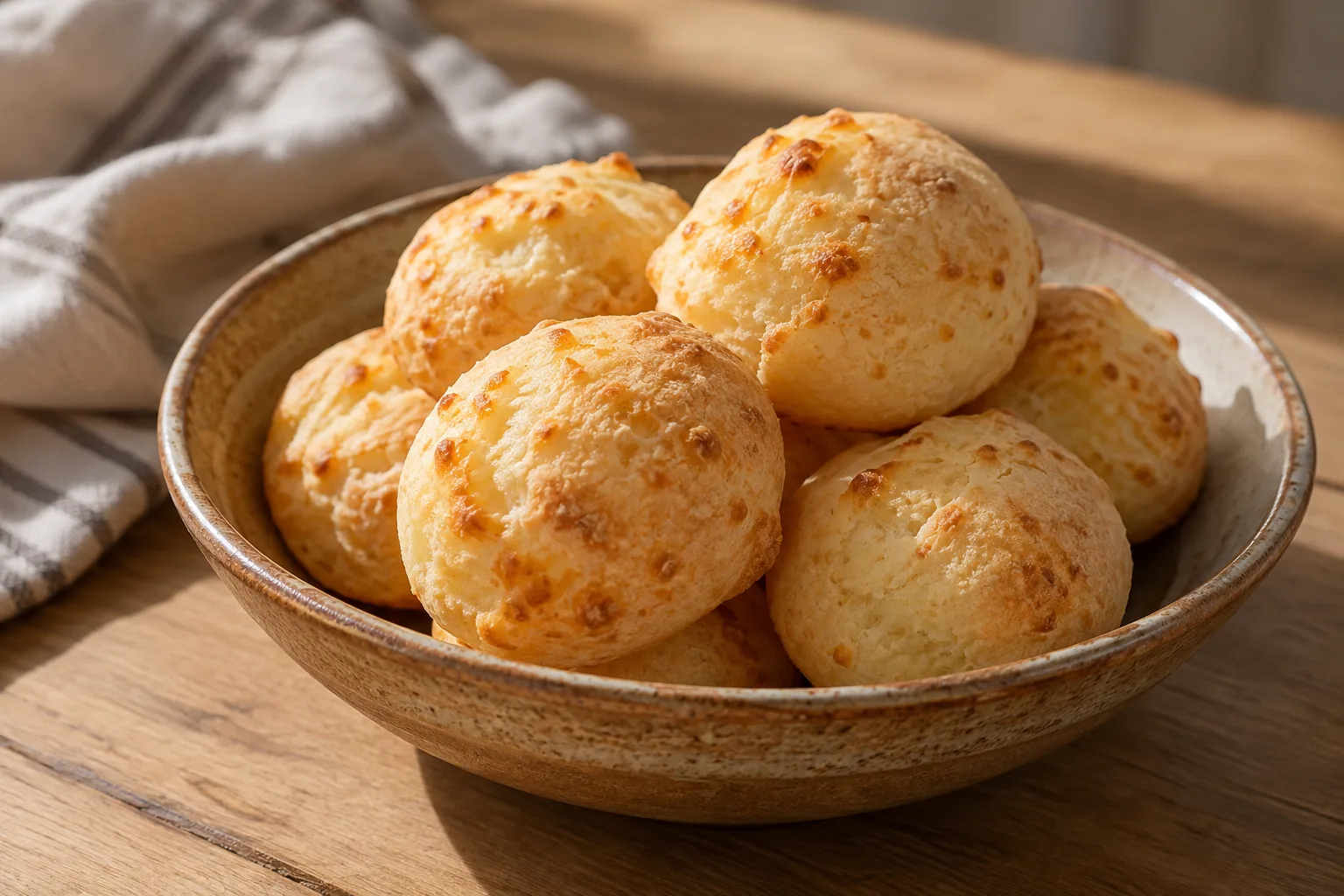
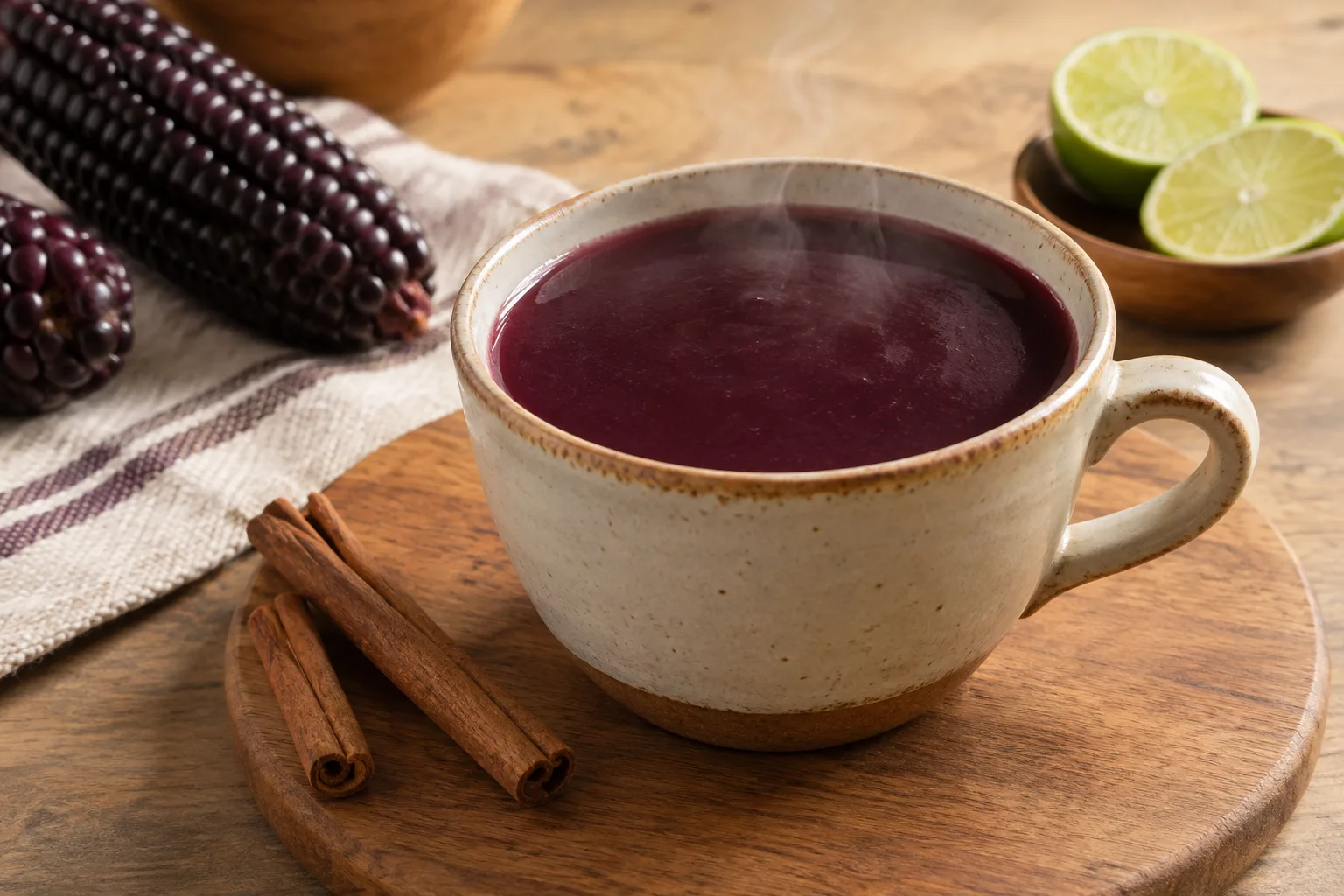
Bolivia’s foodways are best approached through their varied landscapes and the places where people cook, sell, and share food. In the Andean west, sajta brings chicken, ají, potatoes, and tunta together; api morado is a hot, thick maize drink often paired with fried or baked foods. In the eastern lowlands, cuñapé draws on yuca starch and cheese, with baked, fried, and twice-baked forms. Peanut soup offers another view of regional and household variation. These dishes are not a complete national canon: their ingredients, serving customs, and local versions show how culinary knowledge is carried through everyday meals, markets, and celebrations.

Food and eating habits

How people eat in Bolivia

50 indicators exploring everyday meals, ingredients and food culture. Information is completed progressively from documented evidence.

47 of 50 indicators with documented information

Not all data are comparable: food supply, purchases and intake are different measures. Check the period, population and method for each finding. Qualitative descriptions do not establish percentages or amounts.

Timing and company

6/8
Timing and company — Bolivia
IndicatorFindings and context
Meal times
Quantitative findingSurvey

Among pupils who said they had breakfast before going to school, 89.8% reported the local time interval from 6:00 to 9:00. Among those who said they ate lunch, 95.3% reported 12:00 to 15:00.

Scope, method and limitations
Observation period
2022
Unit
% of responding pupils; local time
Population or sample
Pupils at public and government-agreement schools in the municipality of La Paz.
Geographic scope
2022 school survey.
Definition and method
Interviews in a cross-sectional study with two-stage probability sampling.
Comparison limitations
Results for the school population studied. The study did not obtain an equivalent measure for dinner.
Meals per day
Quantitative findingSurvey

87.6% reported eating breakfast before going to school and 95.7% reported eating lunch.

Scope, method and limitations
Observation period
2022
Unit
% of surveyed pupils
Population or sample
Pupils at public and government-agreement schools in the municipality of La Paz.
Geographic scope
2022 school survey.
Definition and method
Interviews in a cross-sectional study with two-stage probability sampling.
Comparison limitations
Results for the school population studied. The study did not obtain an equivalent measure for dinner.
Meal duration Insufficient data in the sources consulted
Daily energy distribution
Quantitative findingObserved intake

Energy intake was distributed across breakfast (22%), school break (20%), lunch (24%), tea time (12%) and dinner (22%).

Scope, method and limitations
Observation period
2003
Unit
% of daily energy intake
Population or sample
45 secondary school students in Calama, in rural La Paz Department.
Geographic scope
2003 pilot study.
Definition and method
Food intake survey with a 24-hour dietary recall.
Comparison limitations
Historical school sample from one locality.
Weekdays and weekends Insufficient data in the sources consulted
Eating at home and away
Quantitative findingSurvey

Among pupils who said they had breakfast before going to school, 95.8% reported eating breakfast at home.

Scope, method and limitations
Observation period
2022
Unit
% of pupils eating breakfast before school
Population or sample
Pupils at public and government-agreement schools in the municipality of La Paz.
Geographic scope
2022 school survey.
Definition and method
Interviews in a cross-sectional study with two-stage probability sampling.
Comparison limitations
Results for the school population studied. The study did not obtain an equivalent measure for dinner.
Cooking frequency
Quantitative findingSurvey

69.0% took part in preparing and serving food for their household. The average daily time spent on that activity was 01:33 (hours:minutes).

Scope, method and limitations
Observation period
2023
Unit
% of persons; hh:mm/day
Population or sample
People aged 12 and over in La Paz, El Alto, Cochabamba and Santa Cruz.
Geographic scope
June to September 2023.
Definition and method
Urban probability sample survey. Previous-day activity list, Table 14.
Comparison limitations
The category combines preparation and serving. It gives no weekly count of days spent cooking.
Eating together
Qualitative descriptionSurvey

Most interviewees identified lunch, dinner or both as the main occasions to spend time together as a family.

Scope, method and limitations
Observation period
2013–2014
Population or sample
Families with at least one adolescent child in the city of Tarija.
Geographic scope
October 2013 to March 2014.
Definition and method
Mixed-methods cross-sectional case study with surveys, interviews and focus groups.
Comparison limitations
Local qualitative finding. The study gives no share of meals eaten with others or alone.

Pantry and recipes

2/2
Pantry and recipes — Bolivia
IndicatorFindings and context
Most consumed ingredients
Quantitative findingFood supply

Estimated food availability was 72.30 kg of potatoes and products, 54.55 kg of rice and products and 45.17 kg of poultry meat per person per year.

Scope, method and limitations
Observation period
2023
Unit
kg/person/year
Population or sample
Bolivia’s population in the national balance.
Geographic scope
Year 2023.
Definition and method
National food balance. Three product categories were selected and the original units retained.
Comparison limitations
Average availability for human food use. It does not measure individual intake or distinguish households.
Ingredient prevalence in recipes
Qualitative descriptionRecipe sample

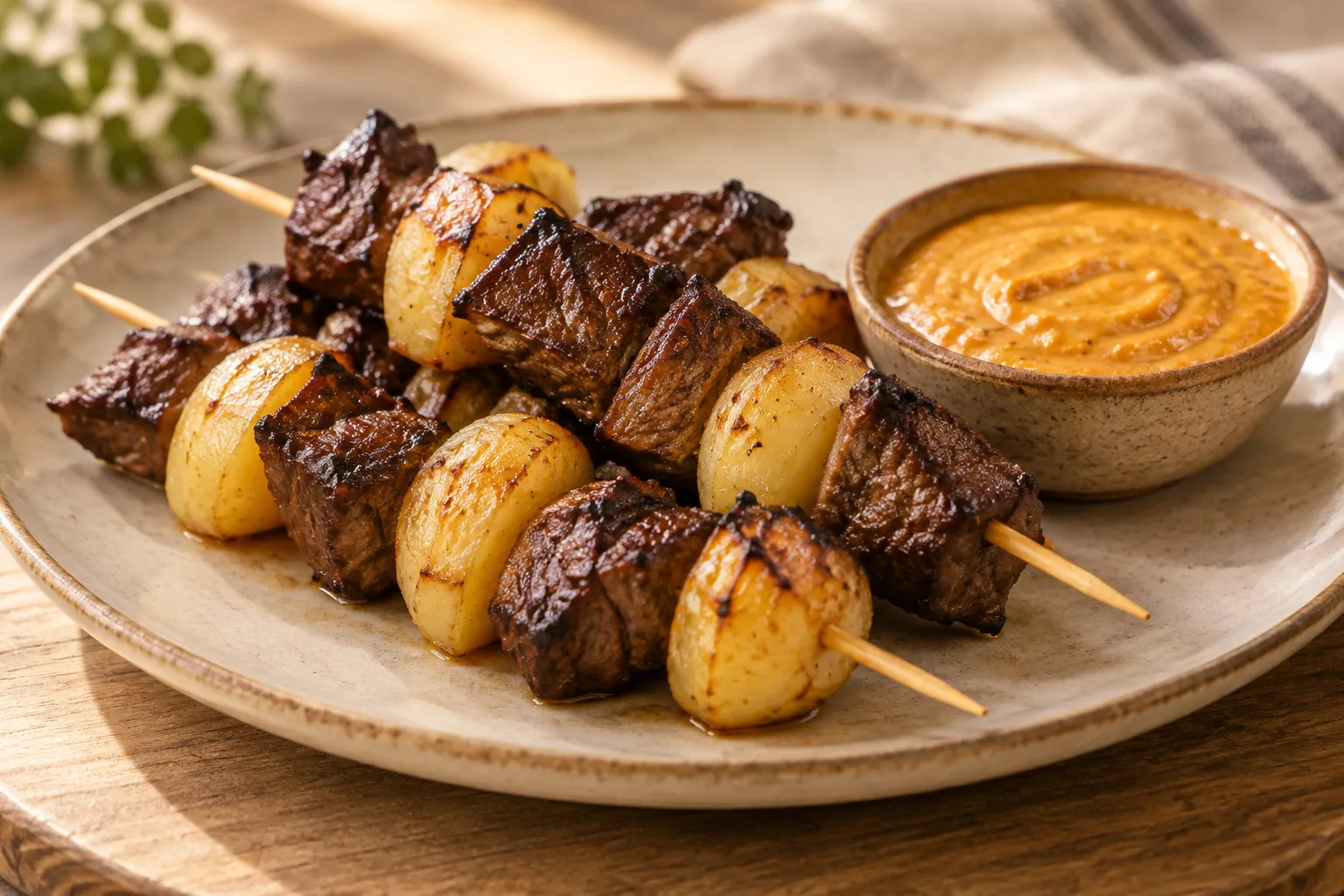
Potatoes and peanuts appear in the beef-heart anticuchos, chicken sajta and vegetarian peanut soup.

Scope, method and limitations
Observation period
2026-11-03
Population or sample
Five published KitchenPause recipes linked to Bolivia.
Geographic scope
Catalogue consulted on 3 November 2026.
Definition and method
Public ingredient lists were reviewed. Each recipe was counted once by identity and each food once per recipe, grouping preparation forms.
Comparison limitations
Small editorial sample. It describes the published recipes and their selection shapes the results.

Cereals and plant foods

6/6
Cereals and plant foods — Bolivia
IndicatorFindings and context
Cereals and cereal products
Quantitative findingFood supply

Estimated availability per person per year was 54.55 kg of rice and products, 43.76 kg of wheat and products and 31.11 kg of maize and products.

Scope, method and limitations
Observation period
2023
Unit
kg/person/year
Population or sample
Bolivia’s population in the national balance.
Geographic scope
Year 2023.
Definition and method
National food balance. The amounts refer to the series categories and are expressed in kg per person per year.
Comparison limitations
Availability for human food use. The series does not measure individual intake or frequency of consumption. The balance includes processed products and does not give cooked serving weights.
Bread
Quantitative findingPurchases

The La Paz reference basket included 118.69 g of pan de batalla bread per person per day.

Scope, method and limitations
Observation period
2003–2004
Unit
g/person/day in reference basket
Population or sample
Reference group in the household survey in the city of La Paz, Bolivia.
Geographic scope
Quantities estimated from the 2003–2004 survey.
Definition and method
Food basket estimated from the consumption patterns of the reference group.
Comparison limitations
Historical example of a bread type in a local basket. The figure is not a national mean intake.
Pulses
Quantitative findingFood supply

Estimated availability per person per year was 3.94 kg of beans and 0.39 kg of peas.

Scope, method and limitations
Observation period
2023
Unit
kg/person/year
Population or sample
Bolivia’s population in the national balance.
Geographic scope
Year 2023.
Definition and method
National food balance. The amounts refer to the series categories and are expressed in kg per person per year.
Comparison limitations
Availability for human food use. The series does not measure individual intake or frequency of consumption. The series does not give cooked serving weights.
Vegetables
Quantitative findingFood supply

Estimated availability per person per year was 11.20 kg of onions and 7.21 kg of tomatoes and products.

Scope, method and limitations
Observation period
2023
Unit
kg/person/year
Population or sample
Bolivia’s population in the national balance.
Geographic scope
Year 2023.
Definition and method
National food balance. The amounts refer to the series categories and are expressed in kg per person per year.
Comparison limitations
Availability for human food use. The series does not measure individual intake or frequency of consumption.
Fruit
Quantitative findingFood supply

Estimated availability per person per year was 30.00 kg of oranges and mandarins and 6.96 kg of bananas.

Scope, method and limitations
Observation period
2023
Unit
kg/person/year
Population or sample
Bolivia’s population in the national balance.
Geographic scope
Year 2023.
Definition and method
National food balance. The amounts refer to the series categories and are expressed in kg per person per year.
Comparison limitations
Availability for human food use. The series does not measure individual intake or frequency of consumption.
Potatoes, roots and tubers
Quantitative findingFood supply

Estimated availability per person per year was 72.30 kg of potatoes and products, 13.65 kg of cassava and products and 0.36 kg of sweet potatoes.

Scope, method and limitations
Observation period
2023
Unit
kg/person/year
Population or sample
Bolivia’s population in the national balance.
Geographic scope
Year 2023.
Definition and method
National food balance. The amounts refer to the series categories and are expressed in kg per person per year.
Comparison limitations
Availability for human food use. The series does not measure individual intake or frequency of consumption.

Protein foods

5/5
Protein foods — Bolivia
IndicatorFindings and context
Meat
Quantitative findingFood supply

Estimated availability per person per year was 84.43 kg of meat in total, 45.17 kg of poultry meat, 23.54 kg of beef and 10.58 kg of pork.

Scope, method and limitations
Observation period
2023
Unit
kg/person/year
Population or sample
Bolivia’s population in the national balance.
Geographic scope
Year 2023.
Definition and method
National food balance. The amounts refer to the series categories and are expressed in kg per person per year.
Comparison limitations
Availability for human food use. The series does not measure individual intake or frequency of consumption. The total already includes the listed categories. The balance generally expresses meat in carcass weight.
Fish and seafood
Quantitative findingFood supply

Estimated availability per person per year was 2.12 kg of fish and seafood in total and 0.94 kg of freshwater fish.

Scope, method and limitations
Observation period
2023
Unit
kg/person/year
Population or sample
Bolivia’s population in the national balance.
Geographic scope
Year 2023.
Definition and method
National food balance. The amounts refer to the series categories and are expressed in kg per person per year.
Comparison limitations
Availability for human food use. The series does not measure individual intake or frequency of consumption. The total includes freshwater fish. The series does not distinguish fresh from preserved fish here.
Eggs
Quantitative findingFood supply

Estimated availability per person per year was 6.89 kg of eggs.

Scope, method and limitations
Observation period
2023
Unit
kg/person/year
Population or sample
Bolivia’s population in the national balance.
Geographic scope
Year 2023.
Definition and method
National food balance. The amounts refer to the series categories and are expressed in kg per person per year.
Comparison limitations
Availability for human food use. The series does not measure individual intake or frequency of consumption.
Milk and dairy products
Quantitative findingFood supply

Estimated availability per person per year was 39.06 kg of milk and products, excluding butter.

Scope, method and limitations
Observation period
2023
Unit
kg/person/year
Population or sample
Bolivia’s population in the national balance.
Geographic scope
Year 2023.
Definition and method
National food balance. The amounts refer to the series categories and are expressed in kg per person per year.
Comparison limitations
Availability for human food use. The series does not measure individual intake or frequency of consumption. The aggregate category does not split out liquid milk, cheese and yogurt.
Protein sources
Quantitative findingObserved intake

Plant sources accounted for 81.1% of protein intake and animal sources for 18.9%.

Scope, method and limitations
Observation period
2008
Unit
% of protein intake
Population or sample
Households in Achacachi, San Lorenzo and Rurrenabaque included in the study.
Geographic scope
November 2008.
Definition and method
24-hour dietary recall with the person in charge of household meals and nutrient estimates from food composition tables.
Comparison limitations
Historical result for the three municipalities studied. The table groups foods by plant and animal origin.

Fats, flavours and condiments

3/3
Fats, flavours and condiments — Bolivia
IndicatorFindings and context
Cooking fats
Quantitative findingFood supply

Estimated availability per person per year was 1.63 kg of soybean oil, 0.16 kg of sunflower oil, 0.03 kg of olive oil and 0.12 kg of butter and ghee combined.

Scope, method and limitations
Observation period
2023
Unit
kg/person/year
Population or sample
Bolivia’s population in the national balance.
Geographic scope
Year 2023.
Definition and method
National food balance. The amounts refer to the series categories and are expressed in kg per person per year.
Comparison limitations
Availability for human food use. The series does not measure individual intake or frequency of consumption.
Herbs and spices
Qualitative descriptionRecipe sample

Ground yellow chilli and cumin occur together in the beef-heart anticuchos and chicken sajta.

Scope, method and limitations
Observation period
2026-11-03
Population or sample
Five published KitchenPause recipes linked to Bolivia.
Geographic scope
Catalogue consulted on 3 November 2026.
Definition and method
Public ingredient lists were checked and each recipe counted once by identity.
Comparison limitations
Partial example from the editorial collection. The sample does not represent frequency of use in households.
Sauces and condiments
Qualitative descriptionCultural context

Llajwa is a hot sauce served as an accompaniment. The published La Paz version uses locoto, tomato and either quirquiña or huacataya.

Scope, method and limitations
Observation period
2025
Population or sample
Recipe published by the municipality of La Paz, Bolivia.
Geographic scope
Published in 2025.
Definition and method
Review of the preparation and its ingredient list.
Comparison limitations
Local example of a sauce. The recipe offers a choice of herb and does not measure frequency of use.

Meal composition

6/6
Meal composition — Bolivia
IndicatorFindings and context
Breakfast composition
Qualitative descriptionSurvey

Breakfast examples included coffee with bread and cheese, api with fried foods and quinoa and apple juice.

Scope, method and limitations
Observation period
2016
Population or sample
Selected dishes from outlets in Bolivian departmental capitals.
Geographic scope
Fieldwork from October to December 2016.
Definition and method
Direct weighing and interviews at food outlets. The list classifies dishes by meal occasion.
Comparison limitations
Examples of the dishes studied. The selection does not estimate frequency or describe all households.
Main meal composition
Qualitative descriptionSurvey

The lunch list included noodle soup with peanuts and chicken majadito as a main course.

Scope, method and limitations
Observation period
2016
Population or sample
Selected dishes from outlets in Bolivian departmental capitals.
Geographic scope
Fieldwork from October to December 2016.
Definition and method
Direct weighing and interviews at food outlets. The list classifies dishes by meal occasion.
Comparison limitations
Examples of the dishes studied. The selection does not estimate frequency or describe all households.
Dinner composition
Qualitative descriptionSurvey

Fried chicken and ají de fideo were among the dinner mains recorded.

Scope, method and limitations
Observation period
2016
Population or sample
Selected dishes from outlets in Bolivian departmental capitals.
Geographic scope
Fieldwork from October to December 2016.
Definition and method
Direct weighing and interviews at food outlets. The list classifies dishes by meal occasion.
Comparison limitations
Examples of the dishes studied. The selection does not estimate frequency or describe all households.
Appetisers and snacks
Qualitative descriptionSurvey

The morning snack list includes baked cheese empanada and relleno de papa.

Scope, method and limitations
Observation period
2016
Population or sample
Selected dishes from outlets in Bolivian departmental capitals.
Geographic scope
Fieldwork from October to December 2016.
Definition and method
Direct weighing and interviews at food outlets. The list classifies dishes by meal occasion.
Comparison limitations
Examples of the dishes studied. The selection does not estimate frequency or describe all households.
Desserts and sweets
Qualitative descriptionRecipe sample

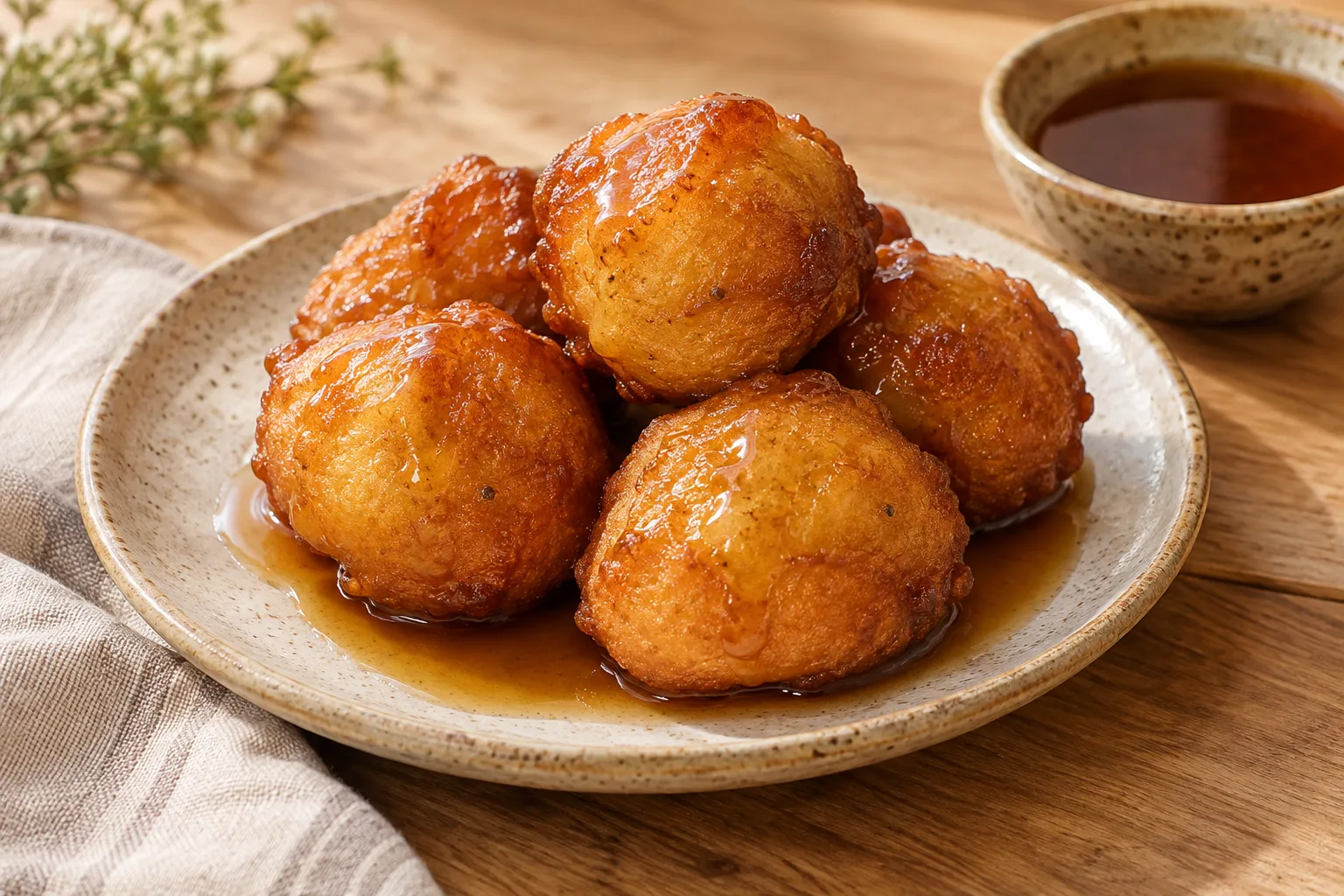
The buñuelos in the collection are a sweet fritter with panela syrup and anise in the dough.

Scope, method and limitations
Observation period
2026-11-03
Population or sample
One published KitchenPause recipe linked to Bolivia.
Geographic scope
Catalogue consulted on 3 November 2026.
Definition and method
Review of the recipe’s ingredient list.
Comparison limitations
Editorial example of a sweet. The recipe does not establish when or how often people eat it.
Portion sizes
Quantitative findingSurvey

Chicken salteñas in the Santa Cruz market category averaged 206.29 g per portion.

Scope, method and limitations
Observation period
2016
Unit
g/observed portion
Population or sample
Selected dishes from outlets in Bolivian departmental capitals.
Geographic scope
Fieldwork from October to December 2016.
Definition and method
Direct weighing and interviews at food outlets. The list classifies dishes by meal occasion.
Comparison limitations
One preparation and outlet category. This is an observed weight, not a recommended serving.

Techniques and equipment

5/5
Techniques and equipment — Bolivia
IndicatorFindings and context
Cooking techniques
Qualitative descriptionCultural context

The study documented boiling native potatoes and sometimes frying charke in oil after soaking.

Scope, method and limitations
Observation period
2012–2014
Population or sample
Communities studied in Colomi, Cochabamba, Bolivia.
Geographic scope
Fieldwork from 2012 to 2014.
Definition and method
Qualitative research with workshops, participant observation and interviews.
Comparison limitations
Local example of documented practices. The study does not estimate national frequency.
Vegetable preparation
Qualitative descriptionCultural context

Potatoes for papa wayk’u are boiled and served with their skins on. Some participants described baking or boiling oca.

Scope, method and limitations
Observation period
2012–2014
Population or sample
Communities studied in Colomi, Cochabamba, Bolivia.
Geographic scope
Fieldwork from 2012 to 2014.
Definition and method
Qualitative research with workshops, participant observation and interviews.
Comparison limitations
Local example of documented practices. The study does not estimate national frequency.
Food preservation
Qualitative descriptionCultural context

For chuño, the study documented exposing potatoes to outdoor freeze and thaw cycles, followed by pressing, washing and drying.

Scope, method and limitations
Observation period
2012–2014
Population or sample
Communities studied in Colomi, Cochabamba, Bolivia.
Geographic scope
Fieldwork from 2012 to 2014.
Definition and method
Qualitative research with workshops, participant observation and interviews.
Comparison limitations
Local example of documented practices. The study does not estimate national frequency.
Fermented foods
Qualitative descriptionCultural context

The case studies identified huillcaparu and yellow maize among the varieties most used to make fermented chicha.

Scope, method and limitations
Observation period
2006
Population or sample
Cases from six municipalities in Cochabamba, Bolivia.
Geographic scope
Thesis published in 2006.
Definition and method
Case studies and participatory interviews.
Comparison limitations
Local finding on production. The thesis does not estimate national consumption frequency.
Kitchen equipment
Quantitative findingSurvey

55.0866492% had a refrigerator or freezer and 19.5214475% had a microwave.

Scope, method and limitations
Observation period
2024
Unit
% of households with specified response
Population or sample
Censused households in Bolivia with a specified response for each appliance.
Geographic scope
2024 census.
Definition and method
Percentage distribution from the census table. Unspecified responses are excluded for each appliance.
Comparison limitations
Partial equipment coverage. The table groups refrigerators and freezers together.

Drinks

3/3
Drinks — Bolivia
IndicatorFindings and context
Everyday drinks
Quantitative findingSurvey

63.1% reported usually drinking carbonated soft drinks at least once a day in the previous 30 days.

Scope, method and limitations
Observation period
2012
Unit
% of students aged 13–15
Population or sample
Students aged 13 to 15 attending school in Bolivia.
Geographic scope
2012 school survey.
Definition and method
Self-report questionnaire and two-stage cluster sampling.
Comparison limitations
Historical estimate for adolescents attending school. It measures frequency, without volume or sugar content.
Coffee and tea preparation
Qualitative descriptionSurvey

The recorded coffee-with-bread and tea-with-bread preparations included sugar.

Scope, method and limitations
Observation period
2016
Population or sample
Preparations studied at outlets in Bolivian departmental capitals.
Geographic scope
Fieldwork from October to December 2016.
Definition and method
Direct weighing and interviews at outlets. The survey’s list of preparations was reviewed.
Comparison limitations
Example from the sample. The study does not estimate the proportion of people who had each drink with meals.
Drinks with meals
Qualitative descriptionSurvey

Breakfast examples studied included api with bread and coffee with bread and cheese.

Scope, method and limitations
Observation period
2016
Population or sample
Preparations studied at outlets in Bolivian departmental capitals.
Geographic scope
Fieldwork from October to December 2016.
Definition and method
Direct weighing and interviews at outlets. The survey’s list of preparations was reviewed.
Comparison limitations
Example from the sample. The study does not estimate the proportion of people who had each drink with meals.

Nutrition and dietary patterns

3/3
Nutrition and dietary patterns — Bolivia
IndicatorFindings and context
Energy and nutrients
Quantitative findingObserved intake

In the order energy, carbohydrate, protein, total fat and fibre, daily means for men and women were 2736 and 2422 kcal, 423 and 376 g, 139 and 119 g, 46 and 40 g, and 29 and 26 g among the Tsimane. Among the Moseten they were 1990 and 1916 kcal, 284 and 258 g, 114 and 114 g, 40 and 44 g, and 15 and 15 g.

Scope, method and limitations
Observation period
2010–2016
Unit
kcal/day and g/day
Population or sample
Adults aged 30 and over from 78 Tsimane and 4 Moseten villages in the Bolivian lowlands.
Geographic scope
Tsimane, 2010–2015. Moseten, 2015–2016.
Definition and method
24-hour dietary recall interviews on the previous day’s intake. Daily means from Table 1 by population and sex.
Comparison limitations
Historical estimates for the communities studied.
Salt and sugars
Quantitative findingObserved intake

For men and women respectively, mean total sugar was 112 and 111 g per day among the Tsimane, and 55 and 56 g among the Moseten. Estimated mean sodium was 512 and 446 mg per day among the Tsimane, and 491 and 326 mg among the Moseten.

Scope, method and limitations
Observation period
2010–2016
Unit
g/day total sugar and mg/day sodium
Population or sample
Adults aged 30 and over from 78 Tsimane and 4 Moseten villages in the Bolivian lowlands.
Geographic scope
Tsimane, 2010–2015. Moseten, 2015–2016.
Definition and method
24-hour dietary recall interviews on the previous day’s intake. Daily means from Table 1 by population and sex.
Comparison limitations
Total sugar includes sugars present in foods. Sodium is expressed in mg and recalls may miss cooking or table salt. Historical estimates for the communities studied.
Dietary patterns
Qualitative descriptionSurvey

The survey identified a pattern with more sweets, ice cream and soft drinks, and another dominated by fresh foods with less refined cereal and added sugar intake.

Scope, method and limitations
Observation period
2023
Population or sample
Urban households in the municipality of Cochabamba.
Geographic scope
2023 Nutrition and Development Survey.
Definition and method
Principal component and cluster analysis of reported consumption.
Comparison limitations
Local statistical patterns. The classification does not measure identification as vegetarian, vegan or flexitarian.

Shopping, prices and waste

6/7
Shopping, prices and waste — Bolivia
IndicatorFindings and context
Food expenditure
Quantitative findingPurchases

Food and non-alcoholic beverages accounted for 37.1% of urban household consumption expenditure.

Scope, method and limitations
Observation period
2015
Unit
% of household consumption expenditure
Population or sample
Households in urban Bolivia.
Geographic scope
2015 Household Survey.
Definition and method
Analysis of consumption expenditure reported in the survey. The percentage is the share of total consumption expenditure assigned to food and non-alcoholic beverages.
Comparison limitations
Historical estimate with partial coverage. The table lists restaurants and hotels separately. This share does not express monthly expenditure per person.
Cost of a common basket
Quantitative findingPurchases

The estimated basket included 118.69 g of pan de batalla bread and 119.79 g of potatoes per person per day. The full basket was estimated to cost 402.85 Bs per person per month.

Scope, method and limitations
Observation period
2003–2004
Unit
g/person/day; BOB/person/month
Population or sample
Reference basket for the city of La Paz, Bolivia.
Geographic scope
Quantities estimated using the 2003–2004 household survey. Valuation for December 2012.
Definition and method
The authors constructed a basket from purchases and consumption in the survey reference group and valued it using CPI prices.
Comparison limitations
Historical local estimate. The two quantities are examples from the basket. The price covers the full basket at that month's prices.
Cost of specific meals
Quantitative findingPurchases

The menu listed beef salteñas, chicken salteñas and yellow-chilli fricasé salteñas at 12 Bs each.

Scope, method and limitations
Observation period
2026 (observed 2026-11-03)
Unit
BOB/listed item
Population or sample
Salteñas listed by Los Castores in La Paz, Bolivia.
Geographic scope
Online menu consulted on 3 November 2026.
Definition and method
Direct reading of advertised prices in bolivianos per listed item.
Comparison limitations
Partial example from one establishment. Prices may change and the menu gives no item weight.
Grocery shopping locations
Quantitative findingSurvey

In the sample, 51.9% reported buying these Andean foods at markets and 31.2% at fairs.

Scope, method and limitations
Observation period
2019
Unit
% of surveyed families
Population or sample
Sample of 285 families in La Paz and El Alto, Bolivia. Mothers responsible for preparing family meals answered.
Geographic scope
2019 survey.
Definition and method
Descriptive case series. Mothers recruited at markets, supermarkets and fairs were asked where they bought quinoa, cañahua, amaranth and tarwi.
Comparison limitations
Partial finding for the foods studied. The way participants were selected limits its applicability to households as a whole.
Shopping frequency Insufficient data in the sources consulted
Prepared food and delivery
Qualitative descriptionSurvey

The dishes studied included beef and chicken salteñas as morning snacks and silpancho with egg as a main course at lunch.

Scope, method and limitations
Observation period
2016
Population or sample
Selected dishes at food outlets and stalls in Bolivian departmental capitals.
Geographic scope
Fieldwork from October to December 2016.
Definition and method
Direct weighing and interviews with the people who prepared the dishes at the outlets.
Comparison limitations
Partial description of the dishes studied. The selection does not show how often households bought them or how much they spent on them.
Household food waste
Quantitative findingSurvey

Food leftovers accounted for 15.09% of household waste by weight. Fruit, vegetable and similar scraps accounted for 47.74%.

Scope, method and limitations
Observation period
2019
Unit
% by weight of characterised household waste
Population or sample
Household waste samples from the city of La Paz, Bolivia.
Geographic scope
Fieldwork in the second half of 2019.
Definition and method
Waste was sorted and weighed. Percentages were weighted by the population share of each socioeconomic stratum.
Comparison limitations
Partial measurement for one city. The denominator is the weight of the household waste characterised. The study does not distinguish the edible fraction here and these percentages do not express waste per person.

Seasons and celebrations

2/2
Seasons and celebrations — Bolivia
IndicatorFindings and context
Seasonal produce
Qualitative descriptionCultural context

Wild aguaí ripens from May to July in the Chiquitania. The guide describes a preference for cooking or roasting it because of the resin in its skin.

Scope, method and limitations
Observation period
mayo a julio
Population or sample
Aguaí (Chrysophyllum gonocarpum) in the Bolivian Chiquitania.
Geographic scope
Local ripening season.
Definition and method
Regional botanical profile on fruiting and uses.
Comparison limitations
This describes wild fruit ripening. The species is unevenly distributed across the region.
Celebration food
Qualitative descriptionCultural context

In La Paz, Todos Santos is observed on 1 and 2 November. Offering tables include tantawawas, bread shaped like people, and breads shaped like small horses or ladders.

Scope, method and limitations
Observation period
1 y 2 de noviembre
Population or sample
Todos Santos tradition in La Paz, Bolivia.
Geographic scope
Annual November observance.
Definition and method
Municipal guide describing the festive calendar and offerings.
Comparison limitations
Examples of offerings in La Paz. The selection can vary between families.
Explore its cuisines

Bolivian Cooking: Altiplano, Valleys, Markets, and Shared Tables

Documentary synthesis prepared with AI assistance. It does not replace specialist review or certify kitchen testing. · Updated 12 November 2026

Landscapes, ingredients, and ways into the cuisine

Bolivia’s cooking is shaped by a country that includes the high Andean plateau, temperate valleys, and eastern lowlands. These settings are not interchangeable culinary labels: they help explain why a maize drink associated with the altiplano, a chicken stew linked to the western region, and yuca-and-cheese breads of the east belong to different food environments. Markets and food stalls make these differences visible in daily life, while household cooking keeps preparations in circulation.

A useful way to approach the cuisine is through dishes and their components rather than a single national menu. Sajta de pollo combines chicken and ají with potatoes and often tunta; api morado is a thick, hot drink based on purple maize; and cuñapé is a small eastern bread made with yuca starch and cheese. Peanut soup, too, has multiple forms, with ingredients and accompaniments changing across places and families. These foods offer distinct entry points, not a claim that every Bolivian table serves the same dishes.

History through exchange, adaptation, and careful attribution

Bolivian food history includes ingredients and cooking forms with different histories. Maize and potatoes are prominent in the dishes documented here, while wheat flour, sugar, and frying in oil appear in accounts of buñuelos shaped by colonial-era exchange. Cuñapé instead centers on yuca starch and cheese; accounts connect this eastern baked food with regional practices and describe several forms, but do not establish one definitive origin story. Shared breads across South America may resemble one another without being identical or having a single exclusive source.

The history of a dish should not be confused with a claim about the whole cuisine. The origins of peanut soup are described as uncertain, and its present forms use combinations such as peanuts, vegetables, meat, rice or pasta, and crisp potato garnish. Sajta is described as a western Bolivian preparation, especially associated with La Paz, while another account also links it to Cochabamba. That variation counsels against assigning an exclusive birthplace. What can be said with confidence is that the dishes documented here reflect continuing exchange, adaptation, and distinct regional practices.

A pantry of maize, tubers, yuca, peanuts, and ají

The ingredients that anchor these preparations are often transformed before they reach the pot or oven. Purple maize, ground for api, is soaked and mixed into hot spiced water until the drink thickens. Yuca starch, rather than coarse yuca flour, gives cuñapé its characteristic dough; cheese, egg, and a little liquid bind it. Tunta, also called white chuño in some accounts, is dried potato that is soaked and cooked for serving with sajta. It is not simply another fresh potato, and its prior transformation matters to the finished meal.

Peanuts move between soup and sauce. In peanut soup they are ground into a smooth paste and cooked into the broth; in some sajta accompaniments they form a separate creamy preparation served with tunta. Ají amarillo supplies the characteristic heat and color in sajta, while onion, garlic, cumin, and peas appear in documented versions. Eastern baked goods show a different pantry logic: yuca starch and cheese make cuñapé, while Portachuelo’s documented artisanal foods also include products associated with rice, maize, yuca, honey, and cane sugar. These ingredients describe particular preparations, not a universal household stock.

Heat, creaminess, freshness, and contrasting textures

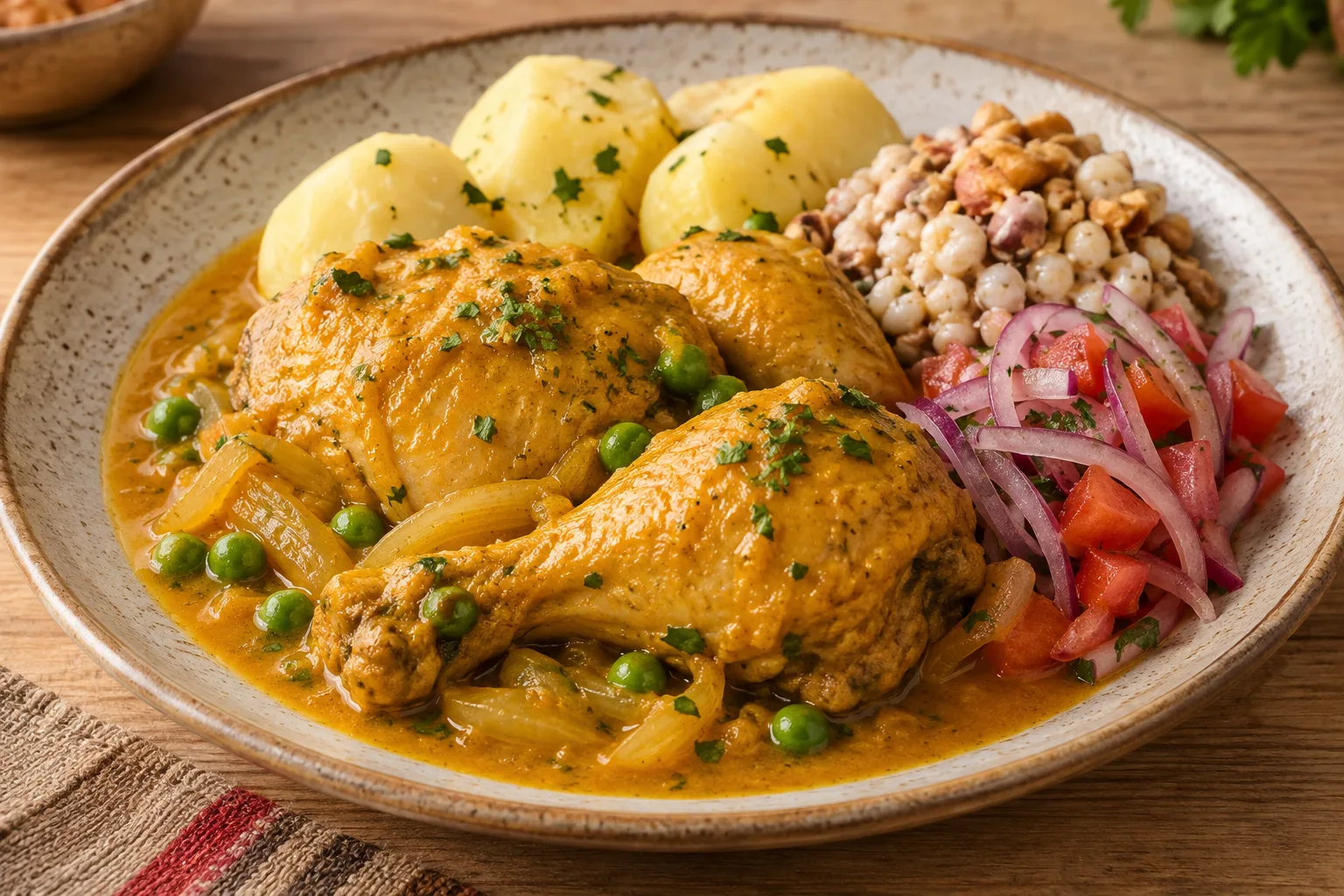
Bolivian preparations represented here balance bold, distinct elements rather than relying on one signature flavor. Sajta brings together the heat of ají and the savory depth of a cooked chicken sauce with mild potatoes and the soft, absorbent texture of tunta. Some versions place a fresh mixture of onion and tomato beside the hot stew. That contrast is part of the dish’s composition: the fresh garnish is not the same thing as the cooked sauce, and the accompaniment is not merely decoration.

Peanut soup is defined by a creamy, thickened broth, but garnishes and additions can change its texture substantially. Some documented versions include pasta or rice; others serve it with crisp fried potatoes. Api morado is also thick, with maize, cinnamon, and clove in one documented preparation, and is commonly served hot in the Andean context described. Cuñapé shifts the experience again: the baked form can have a firm exterior and chewy center, while twice-baked cuñapé is crisp. These differences make the foods legible as separate preparations even when ingredients such as maize, potato, or yuca appear in multiple dishes.

Festive food, everyday trade, and culinary transmission

Food traditions are sustained in kitchens as well as in public settings. Sajta is associated in documented accounts with occasions including Todos Santos and Carnaval, and its generous combination of chicken, ají, potatoes, and tunta makes it a substantial shared meal. That association does not mean there is one fixed recipe for every celebration: the accounts show variations in the sauce, accompaniment, and garnish. They also place the dish within a wider western Bolivian setting rather than proving a single exclusive origin.

Api morado appears in descriptions of markets and festivities in the Andean region, including Alasitas, and is paired with foods such as buñuelos, cheese pastries, or llaucha depending on place. Cuñapé is both a food sold in eastern markets and a snack made for home; baked, fried, and twice-baked types are documented. Portachuelo is specifically described as a place of artisanal production that includes baked goods and sweets. Together, such examples show how knowledge moves through repeated making, selling, and sharing. They do not require every dish to be tied to a single festival or every household to follow the same custom.

Grinding, simmering, shaping, and baking

Different foods call for different kinds of preparation. For sajta, ground ají and aromatics are cooked with onion to form a seasoned base, then chicken simmers in the sauce. Potatoes are commonly cooked separately or included in the dish, while tunta requires soaking and cooking before it can be served. In some accounts, a separate peanut sauce is cooked for the tunta. These are related components, but not a single undifferentiated mixture.

Peanut soup begins with raw peanuts ground into a smooth paste, which thickens as it cooks with broth and other ingredients. The fine texture matters: the source describing the soup emphasizes thorough grinding rather than a coarse, grainy result. For api, ground purple maize is mixed gradually with water and spices and heated until smooth and thick. Cuñapé depends on a different kind of transformation: yuca starch is combined with cheese and other ingredients, formed into small shapes, then baked. Its twice-baked form is returned to the oven after cooling to make a drier, crisper product. These techniques—grinding, simmering, shaping, and baking—are specific to the foods described, not generic rules for all Bolivian cooking.

Meals, accompaniments, and occasions for sharing

A dish’s place at the table is often signaled by what accompanies it. Sajta is served with potatoes and tunta, and a fresh onion-and-tomato sarza appears in multiple descriptions. The plate brings a hot, sauced main component together with starches and a fresh garnish. In some versions, the tunta is prepared with peanut, while other accounts describe it without that detail; the accompaniment should therefore be understood as variable rather than mandatory in every version.

Peanut soup can be served as a substantial soup, with combinations such as meat, vegetables, rice or pasta, and fried potato. One account describes the usual midday meal as soup followed by a second course, while other recipes serve the soup as a main dish. Api and buñuelos form a distinct pairing: the drink is served hot in the Andean setting described, with the fried dough eaten alongside it. Cuñapé is suited to a different occasion, including market purchases and home snacks. Those examples suggest several ways foods are consumed—full meals, a drink with a fried accompaniment, or a small baked snack—without implying a single prescribed national meal pattern.

A short glossary of products and preparations

These terms name particular foods and ingredients in the preparations documented here. Spellings and recipes can vary; the definitions describe their use in this atlas rather than asserting that every household uses the terms in exactly the same way.

  • Api morado: A thick drink made with ground purple maize; a documented version includes cinnamon and cloves and is served hot.
  • Cuñapé: An eastern Bolivian baked good made with yuca starch and cheese. Documented forms include baked, fried, and twice-baked types.
  • Sajta de pollo: A chicken preparation associated with western Bolivia, especially La Paz in several accounts, cooked with an ají-based sauce and often served with potato and tunta.
  • Sarza: A fresh mixture of onion and tomato served as a garnish with sajta in documented versions.
  • Tunta: White chuño, a transformed, dried-potato product that is soaked and cooked for use as an accompaniment.
  • Llajua: A Bolivian hot sauce described as a ground mixture of ají and tomato; it may accompany soup or other foods.
  • Buñuelo: Fried dough served with cane syrup or panela syrup in a documented Bolivian version; it is also paired with api.

One country, many cuisines

Cochabamba Valleys

The valley region is one documented setting for variation in Bolivian peanut soup: a regional account describes versions with red ají, meat broth, and potatoes. This is evidence for a particular family of preparations, not a complete account of the valley’s cuisine. The available material supports a food-focused entry point, while leaving broader claims about local ingredients and meals open.

La Paz

La Paz is closely associated in the documented material with sajta de pollo, a chicken dish in an ají sauce commonly accompanied by potatoes and tunta. Sajta is also linked to occasions such as Todos Santos and Carnaval, although versions differ in their accompaniments and preparation. Api morado is another Andean food described in connection with La Paz markets and the Alasitas fair.

Santa Cruz

The eastern lowlands offer a documented route into yuca-based baking. Cuñapé, made with yuca starch and cheese, appears in baked, fried, and twice-baked forms, and is associated with eastern markets and home snacks. Portachuelo, in Santa Cruz department, is documented for artisanal food production that includes soft and twice-baked goods, sweets, preserves, and sausages.

Cook
Read as an article ↗
Places and communities

One country, many cuisines

An initial selection of regions to explore. Culinary boundaries may differ from administrative divisions.

Bolivia

Cochabamba Valleys

The valley region is one documented setting for variation in Bolivian peanut soup: a regional account describes versions with red ají, meat broth, and potatoes. This is evidence for a particular family of preparations, not a complete account of the valley’s cuisine. The available material supports a food-focused entry point, while leaving broader claims about local ingredients and meals open.

Bolivia

La Paz

La Paz is closely associated in the documented material with sajta de pollo, a chicken dish in an ají sauce commonly accompanied by potatoes and tunta. Sajta is also linked to occasions such as Todos Santos and Carnaval, although versions differ in their accompaniments and preparation. Api morado is another Andean food described in connection with La Paz markets and the Alasitas fair.

Bolivia

Santa Cruz

The eastern lowlands offer a documented route into yuca-based baking. Cuñapé, made with yuca starch and cheese, appears in baked, fried, and twice-baked forms, and is associated with eastern markets and home snacks. Portachuelo, in Santa Cruz department, is documented for artisanal food production that includes soft and twice-baked goods, sweets, preserves, and sausages.

Cook
Recipes connected with Bolivia

Each recipe documents one version. Geographic associations do not imply an exclusive origin.

Bolivian baked cuñapé
Image generated by the Kitchenpause team
40 minEasy

Bolivian baked cuñapé

Bolivian cassava-starch and cheese rolls with lightly golden exteriors and tender, chewy centers.

View recipe
Purple api
Image generated by the Kitchenpause team
25 minEasy

Purple api

A thick purple-corn drink with cinnamon, lemon, and sugar, served hot. Makes approximately 4 servings.

View recipe

Sources consulted

Read the sources and each document’s scope. A heritage inscription concerns a particular practice, not all of a country’s cuisine.

  1. Movilidad socioeconómica y consumo en Bolivia siip.produccion.gob.bo/noticias/files/BI_11032019baa96_6cismovi.pdf PNUD y Centro de Investigaciones Sociales Consulted: November 3, 2026
  2. Estimación de la canasta básica de alimentos y líneas de pobreza en Bolivia iisec.ucb.edu.bo/assets_iisec/publicacion/n20_a04.pdf Latin American Journal of Economic Development Consulted: November 3, 2026
  3. Menú y precios — Los Castores La Paz loscastoresbol.com/LaPaz/menu Los Castores Consulted: November 3, 2026
  4. Consumo familiar de alimentos andinos, en las ciudades de La Paz y El Alto, gestión 2019 www.scielo.org.bo/scielo.php?pid=S1652-67762020000200002&script=sci_arttext Cuadernos Hospital de Clínicas Consulted: November 3, 2026
  5. Operativo de Consumo de Alimentos Fuera del Hogar 2016, Bolivia siip.produccion.gob.bo/noticias/files/BI_111020192c6c2_4operine.pdf Instituto Nacional de Estadística de Bolivia Consulted: November 3, 2026
  6. Estudio de caracterización de residuos sólidos de la ciudad de La Paz, Bolivia lapaz.bo/wp-content/uploads/2023/11/Estudio-de-Caracterizacion-de-residuos-solidos-La-Paz.pd… Gobierno Autónomo Municipal de La Paz Consulted: November 3, 2026
  7. FAOSTAT Food Balances — Bolivia, 2023 www.fao.org/faostat/en/#data/FBS FAO Consulted: November 3, 2026
  8. KitchenPause — anticuchos-bolivianos-de-corazon-con-papa-y-salsa-de-mani www.kitchenpause.com/es/recetas/anticuchos-bolivianos-de-corazon-con-papa-y-salsa-de-mani KitchenPause Consulted: November 3, 2026
  9. KitchenPause — sajta-de-pollo-boliviana-con-tunta-y-mani www.kitchenpause.com/es/recetas/sajta-de-pollo-boliviana-con-tunta-y-mani KitchenPause Consulted: November 3, 2026
  10. KitchenPause — sopa-de-mani-boliviana-version-vegetariana www.kitchenpause.com/es/recetas/sopa-de-mani-boliviana-version-vegetariana KitchenPause Consulted: November 3, 2026
  11. El desayuno escolar en Bolivia. Diagnóstico de situación actual campovirtual.ipdrs.org/pluginfile.php/12972/mod_folder/content/0/c3.3%20Programas_Desayuno%2… Federación de Asociaciones Municipales de Bolivia Consulted: November 4, 2026
  12. Llajwa — receta municipal de La Paz lapaz.bo/turismo/2025/09/25/llajwa/ Gobierno Autónomo Municipal de La Paz Consulted: November 3, 2026
  13. Buñuelos bolivianos con jarabe de panela www.kitchenpause.com/es/recetas/bunuelos-bolivianos-con-jarabe-de-panela KitchenPause Consulted: November 3, 2026
  14. Indigenous Food Systems and Climate Change in Colomi, Bolivia www.frontiersin.org/journals/public-health/articles/10.3389/fpubh.2016.00020/full Frontiers in Public Health Consulted: November 4, 2026
  15. Variedades de maíz y trigo para elaborar chicha en Cochabamba redicyt.dicyt.umss.edu.bo/entities/tesis/4ce0d141-095b-4d3f-b57f-6d4cbdc7cb73 Universidad Mayor de San Simón Consulted: November 4, 2026
  16. Bolivia — tenencia de electrodomésticos, Censo 2024 nimbus.ine.gob.bo/index.php/s/Hs3YpsarQpyygtr Instituto Nacional de Estadística Consulted: November 4, 2026
  17. 2012 Bolivia Global School-based Student Health Survey fact sheet cdn.who.int/media/docs/default-source/ncds/ncd-surveillance/data-reporting/bolivia/gshs/2012… World Health Organization Consulted: November 4, 2026
  18. Nutrition transition in 2 lowland Bolivian subsistence populations pmc.ncbi.nlm.nih.gov/articles/PMC6290367/ The American Journal of Clinical Nutrition Consulted: November 4, 2026
  19. Dietary patterns and socioeconomic disadvantage: an analysis of food consumption patterns and their determinants in Cochabamba, Bolivia pmc.ncbi.nlm.nih.gov/articles/PMC12632106/ Journal of Health, Population and Nutrition Consulted: November 4, 2026
  20. Guía de frutos silvestres comestibles de la Chiquitania sbb.org.bo/wp-content/uploads/2025/03/Guia-Frutos-2025.pdf Fundación para la Conservación del Bosque Chiquitano Consulted: November 4, 2026
  21. Todos Santos lapaz.bo/turismo/todos-santos/ Gobierno Autónomo Municipal de La Paz Consulted: November 4, 2026
  22. Conocimientos, actitudes y prácticas sobre alimentación saludable en escolares del municipio de La Paz www.scielo.org.bo/pdf/chc/v65n2/1562-6776-chc-65-02-38.pdf Revista Cuadernos Consulted: November 4, 2026
  23. Estado nutricional y características de la dieta de un grupo de adolescentes de la localidad rural de Calama, Bolivia vbn.aau.dk/en/publications/estado-nutricional-y-caracter%C3%ADsticas-de-la-dieta-de-un-grupo… Aalborg University Research Portal Consulted: November 4, 2026
  24. Caracterización de las Familias Tarijeñas desde las Dimensiones Vinculares tja.ucb.edu.bo/estudio-caracterizacion-de-las-familias-tarijenas-desde-las-dimensiones-vincu… Universidad Católica Boliviana Consulted: November 4, 2026
  25. Desigualdades: tiempos y trabajos. Encuesta Urbana de Uso del Tiempo 2023 cedla.org/producto/desigualdades-tiempos-y-trabajos-principales-resultados-de-la-encuesta-ur… CEDLA Consulted: November 4, 2026
  26. LA BIOTECNOLOGÍA PARA LA SEGURIDAD ALIMENTARIA, ECONÓMICA Y LA GEOPOLÍTICA doi.org/10.37885/221211159 doi.org Consulted: November 12, 2026
  27. Por qué el Sáhara Occidental es una pieza clave para la seguridad alimentaria mundial doi.org/10.64628/aao.swhdr6qsf doi.org Consulted: November 12, 2026
  28. Anticuchos bolivianos - Plato Fuerte - Recetas Bolivianas www.bolivia.com/el-sabor-de-bolivia/asi-sabe-bolivia/anticuchos-bolivianos-r707 bolivia.com Consulted: September 29, 2026
  29. Cómo se hace un sabroso anticucho www.cocina-boliviana.com/recetas/entradas/anticucho cocina-boliviana.com Consulted: September 29, 2026
  30. Anticuchos Bolivianos www.boliviabella.com/anticuchos-bolivianos.html boliviabella.com Consulted: September 29, 2026
  31. Monitoreo de temperatura para la conservación de alimentos a bajas temperaturas | HANNA Instruments Bolivia www.hannabolivia.com/blog/post/663/monitoreo-temperatura-para-la-conservacion-alimentos-baja… hannabolivia.com Consulted: September 29, 2026
  32. Cultura afroboliviana - Wikipedia, la enciclopedia libre es.wikipedia.org/wiki/Cultura_afroboliviana es.wikipedia.org Consulted: September 29, 2026
  33. Arequipa - Wikipedia, la enciclopedia libre es.wikipedia.org/wiki/Arequipa es.wikipedia.org Consulted: October 13, 2026
  34. 4 Pasos para una Sajta de Pollo Perfecta - Paulina Cocina www.paulinacocina.net/sajta-de-pollo/36541 paulinacocina.net Consulted: October 6, 2026
  35. La Sajta de Pollo: Un Plato Típico de Bolivia | Prezi prezi.com/p/dsu5clq3qamu/la-sajta-de-pollo-un-plato-tipico-de-bolivia/ prezi.com Consulted: October 6, 2026
  36. Sajta de pollo - Recetas - Cocina boliviana info.caserita.com/Sajta-de-pollo-a101-sm33 info.caserita.com Consulted: October 6, 2026
  37. Receta Como Hacer Sajta De Pollo Boliviano Paso A Paso » Recetas Especiales recetasespeciales.com/sajta-de-pollo/ recetasespeciales.com Consulted: October 6, 2026
  38. Sajta de pollo | Recetas de BOLIVIA recetasbolivia.com/plato-principal/sajta-de-pollo/ recetasbolivia.com Consulted: October 6, 2026
  39. Receta de Sajta de Pollo 😋 • Sabores Bolivianos saboresbolivianos.com/sajta-de-pollo/ saboresbolivianos.com Consulted: October 6, 2026
  40. Sajta de Pollo tradicional de Bolivia - Receta Auténtica | Recetas para Todos www.recetasparatodos.es/recetas/sajta-de-pollo/receta-sajta-pollo-boliviana.html recetasparatodos.es Consulted: October 6, 2026
  41. Sajta de pollo | La Receta Que Buscas www.larecetaquebuscas.com/2026/03/sajta-de-pollo.html larecetaquebuscas.com Consulted: October 6, 2026
  42. Receta De Sajta De Pollo » Platos Típicos De Cochabamba gastronomiabolivia.com/sajta-de-pollo/ gastronomiabolivia.com Consulted: October 6, 2026
  43. Sajta de Pollo - Traditional Bolivia Recipe world.food/recipes/bolivia/sajta-de-pollo world.food Consulted: October 6, 2026
  44. Sajta de pollo - Wikipedia, la enciclopedia libre es.wikipedia.org/wiki/Sajta_de_pollo es.wikipedia.org Consulted: October 6, 2026
  45. Cómo preparar Sajta de pollo | Recetas de La Paz | Recetas www.recetas.com.bo/receta/como-preparar-sajta-de-pollo recetas.com.bo Consulted: October 6, 2026
  46. Santa Cruz de la Sierra - Wikipedia, la enciclopedia libre es.wikipedia.org/wiki/Santa_Cruz_de_la_Sierra es.wikipedia.org Consulted: November 4, 2026
  47. Buñuelos Bolivianos - Chipa by the Dozen chipabythedozen.com/es/bunuelos-bolivianos/ chipabythedozen.com Consulted: October 13, 2026
  48. buñuelos bolivia - 5 recetas caseras- Cookpad cookpad.com/ar/buscar/bu%C3%B1uelos%20bolivia cookpad.com Consulted: October 13, 2026
  49. El buñuelo boliviano: origen e historia de una tradición - La Pachanga lapachangadigital.com/el-bunuelo-boliviano-origen-e-historia-de-una-tradicion/ lapachangadigital.com Consulted: October 13, 2026
  50. 6 recetas muy ricas de buñuelos boliviana compartidas por cocineros caseros- Cookpad cookpad.com/es/buscar/bu%C3%B1uelos%20boliviana cookpad.com Consulted: October 13, 2026
  51. El plato paceño y el festival gastronómico de La Paz lapaz.bo/el-protagonista-de-las-fiestas-julias-el-plato-paceno-cierra-con-broche-de-oro-la-p… Gobierno Autónomo Municipal de La Paz Consulted: October 20, 2026
  52. Bolivia: destinos y cultura gastronómica conocebolivia.turismoyculturas.gob.bo/wp-content/uploads/2025/11/PF-Bolivia.pdf Ministerio de Turismo y Culturas de Bolivia Consulted: October 20, 2026
  53. Programa 200 años, 200 destinos conocebolivia.turismoyculturas.gob.bo/mapa/ Ministerio de Turismo y Culturas de Bolivia Consulted: October 20, 2026
  54. Sopa de Maní (Receta Boliviana) - Chipa by the Dozen chipabythedozen.com/es/sopa-de-mani-receta-boliviana/ chipabythedozen.com Consulted: October 24, 2026
  55. Receta de sopa de maní boliviana | Veggie Fest veggiefestchicago.org/es/recipe/bolivian-peanut-soup/ veggiefestchicago.org Consulted: October 24, 2026
  56. Sopa de maní (receta de Bolivia). 🇧🇴 Versión vegana - El Caldero Viajero elcalderoviajero.com/2017/12/28/sopa-de-mani-bolivia-receta-vegana/ elcalderoviajero.com Consulted: October 24, 2026
  57. Sopa de maní boliviana | Buenos Aires Ciudad - Gobierno de la Ciudad Autónoma de Buenos Aires buenosaires.gob.ar/gcaba_historico/recetas-de-las-colectividades/sopa-de-mani-boliviana buenosaires.gob.ar Consulted: October 24, 2026
  58. Sopa de maní (Bolivia) - Wikipedia, la enciclopedia libre es.wikipedia.org/wiki/Sopa_de_man%C3%AD_(Bolivia) es.wikipedia.org Consulted: October 24, 2026
  59. Sopa de Maní | Laylita.com – Recetas de Cocina www.laylita.com/recetas/sopa-de-mani/ laylita.com Consulted: October 24, 2026
  60. Poesía Culinaria . Sabores de Nati: Sopa de maní boliviana, un secreto de las montañas andinas saboresdenati.blogspot.com/2018/03/sopa-de-mani-cacahuete-boliviana-claus-meyer.html saboresdenati.blogspot.com Consulted: October 24, 2026
  61. Sopa de maní: un retrato culinario de Bolivia - Pilgrimaps www.pilgrimaps.com/es/sopa-de-mani-un-retrato-culinario-de-bolivia/ pilgrimaps.com Consulted: October 24, 2026
  62. Api morado - EcuRed www.ecured.cu/Api_morado ecured.cu Consulted: November 3, 2026
  63. La bebida milenaria, incaica y portadora de secretos www.eltribuno.com/nota/2023-7-29-16-43-0-la-bebida-milenaria-incaica-y-portadora-de-secretos eltribuno.com Consulted: November 3, 2026
  64. Conservación de biodiversidad insitu de th'ulares (Parastrephia lepidophylla, Baccharis incarum y Lamphaya castellani) como práctica de agricultura sostenible para la seguridad alimentaria del Altiplano Boliviano: Tapia Alejo Clotilde Reyna | Revista de I doi.org/10.53287/xjuk3080jy17t doi.org Consulted: November 4, 2026
  65. Como hacer cuñape boliviano | Laylita.com – Recetas de Cocina www.laylita.com/recetas/cunape-boliviano/ laylita.com Consulted: November 4, 2026
  66. Cuñapé al Horno (Pan Boliviano) - Chipa by the Dozen chipabythedozen.com/es/cunape-al-horno-pan-boliviano-sin-gluten/ chipabythedozen.com Consulted: November 4, 2026
  67. Receta de Cuñape en 45 min: Llena de sabor - Paulina Cocina www.paulinacocina.net/cunape/35523 paulinacocina.net Consulted: November 4, 2026
  68. Cómo preparar cuñapé, el rey de los horneados tradicionales eldeber.com.bo/sociales/como-preparar-cunape-el-rey-de-los-horneados-tradicionales_241225 eldeber.com.bo Consulted: November 4, 2026
  69. Tradiciones inventadas, uniones forzadas. El caso de la salteña y Coca-Cola en Bolivia | OpenAlex openalex.org/W7155590873 openalex.org Consulted: November 4, 2026
  70. La economía política del sistema agroalimentario boliviano - Un nuevo modelo de desarrollo agroalimentario basado en las exportaciones agrícolas - IRD Éditions doi.org/10.4000/13glt doi.org Consulted: November 4, 2026
  71. Cuñapé Abizcochado (Receta Boliviana) - Chipa by the Dozen chipabythedozen.com/es/cunape-abizcochado/ chipabythedozen.com Consulted: November 4, 2026
  72. Plan de Marketing para los productos gastronómicos artesanales del municipio de Portachuelo (Bolivia) | OpenAlex openalex.org/W1909385594 openalex.org Consulted: November 4, 2026

We use session and security technologies to provide our features. Only with your permission do we load Google Analytics to measure visits and Google Maps on Contact. Choose separately, reject or accept both.

Withdraw either permission here. Withdrawing analytics reloads the page to unload the running tag.

Cookie policy