Oceania · Melanesia

Fiji

Recipes connected with Fiji

Food and eating habits

How people eat in Fiji

50 indicators exploring everyday meals, ingredients and food culture. Information is completed progressively from documented evidence.

40 of 50 indicators with documented information

Not all data are comparable: food supply, purchases and intake are different measures. Check the period, population and method for each finding. Qualitative descriptions do not establish percentages or amounts.

Timing and company

3/8
Timing and company — Fiji
IndicatorFindings and context
Meal times Insufficient data in the sources consulted
Meals per day
Quantitative findingSurvey

23.9% reported eating breakfast on 0–3 of the last 5 school days; 35.6% had a morning snack at that same frequency.

Scope, method and limitations
Observation period
2005/06
Unit
% of surveyed students
Population or sample
6871 iTaukei and Indo-Fijian students aged 13–18, recruited from 18 secondary schools on Viti Levu; 366 participants from other ethnic groups were excluded.
Geographic scope
OPIC baseline data from 2005–2006 in selected schools; not a current national estimate.
Definition and method
Self-reported questionnaire covering the last five school days; unadjusted percentages from the original table. Infrequent-consumption categories do not mean always skipping a meal.
Comparison limitations
Historical and partial: no estimate of total meals per day, weekends, dinner or all snacks. Breakfast and morning-snack responses overlap and are not added together. It does not demonstrate causation or represent all adolescents nationwide.
Meal duration Insufficient data in the sources consulted
Daily energy distribution Insufficient data in the sources consulted
Weekdays and weekends Insufficient data in the sources consulted
Eating at home and away
Qualitative descriptionSurvey

Eating out was more common in families whose mothers worked or studied; stay-at-home mothers reserved it for family outings and celebrations.

Scope, method and limitations
Observation period
Published2023; fieldwork dates unreported
Population or sample
Study of twelve iTaukei mothers aged 28–49 responsible for food decisions in Greater Suva; purposive sample, not all households.
Geographic scope
Study published in 2023; the fieldwork period is not verifiably specified in the methods sections reviewed.
Definition and method
Semi-structured English interviews by telephone or Zoom and interpretative phenomenological analysis; family-meal accounts are described.
Comparison limitations
Local qualitative description without percentages of breakfast, lunch or dinner by location. Food origin is not the same as eating location. The article mentions twelve participants and later eight transcripts; this inconsistency prevents inferring rates.
Cooking frequency Insufficient data in the sources consulted
Eating together
Qualitative descriptionSurvey

Interviewees describe meals at family and church gatherings and with guests, where people are encouraged to keep eating and declining food can be interpreted as impolite.

Scope, method and limitations
Observation period
May–August2021 interviews about earlier experiences
Population or sample
Fifteen Christian iTaukei mothers aged 23–48 responsible for family food in Greater Suva; purposive and theoretical sampling.
Geographic scope
Interviews in May–August 2021 asked participants to recall experiences before COVID-19 protocols; not observations of all meals nationwide.
Definition and method
Semi-structured English telephone or video-call interviews and inductive thematic analysis; narrated experiences and norms are described.
Comparison limitations
Local qualitative coverage: no proportions of meals eaten alone, with family or others. These are memories and perceptions from a selected sample, not advice to eat more or behaviour attributable to every community.

Pantry and recipes

2/2
Pantry and recipes — Fiji
IndicatorFindings and context
Most consumed ingredients
Quantitative findingSurvey

The starchy-food group—dalo, cassava, sweet potato, potato, rice, breadfruit, bread/roti or noodles—was consumed on an average of 6.6 days per week.

Scope, method and limitations
Observation period
2024–2025
Unit
days/week with starchy-food group
Population or sample
National survey of household-resident adults aged18–69 in Fiji;5026 participants completed questionnaire and measurement steps.
Geographic scope
Fieldwork2024–2025; all divisions and Rotuma. Combined group result, without ranking individual foods.
Definition and method
Question X13 asks days in a typical week with any of these foods; cluster sampling with design,non-response,age and sex weighting.
Comparison limitations
Partial coverage: self-reported frequency, without kg/person/year or individual-food ranking. Report sections differ on fieldwork months and another daily-servings estimate; that estimate is not used.
Ingredient prevalence in recipes
Qualitative descriptionRecipe sample

In this recipe collection, kokoda,suruwa and vakalolo include coconut milk; purini and cassava cake include coconut cream.

Scope, method and limitations
Observation period
Catalogue observation2026-11-02
Population or sample
Editorial sample of six published KitchenPause recipes linked to Fiji: dhal,kokoda,suruwa,purini,cassava cake and vakalolo.
Geographic scope
Catalogue snapshot2026-11-02; describes these published versions, without representing the national repertoire.
Definition and method
All visible country-linked recipes were included. Canonical recipe identities and ingredient identifiers within each recipe were deduplicated; coconut milk and cream were kept separate.
Comparison limitations
Partial qualitative coverage of ingredient presence, without population percentages or consumed quantities. Editorial selection and the small collection prevent inference about national culinary prevalence.

Cereals and plant foods

6/6
Cereals and plant foods — Fiji
IndicatorFindings and context
Cereals and cereal products
Qualitative descriptionSurvey

Among the study’s Indo-Fijian participants,rice and flour were the main carbohydrate sources; flour products included roti,bread,crackers,instant noodles and Weet-Bix.

Scope, method and limitations
Observation period
October2018–December2019
Population or sample
72 Indo-Fijian participants from urban,suburban and rural settings; case-study sample, not all residents of Fiji.
Geographic scope
October2018 to December2019; findings presented in2025. Only the Indo-Fijian group is described.
Definition and method
Five consecutive days of food records, with researcher visits or participant records and photographs; foods present at meals were identified.
Comparison limitations
Partial qualitative coverage, without grams per person,dry/cooked weights or national rates. Small,local sample,non-standard household measures,imprecise ingredients,and no between-meal snacks or drinks.
Bread
Qualitative descriptionSurvey

Roti and bread were among the flour products consumed by the Indo-Fijian participants; separate quantities and dough recipes are not reported.

Scope, method and limitations
Observation period
October2018–December2019
Population or sample
72 Indo-Fijian participants from urban,suburban and rural settings; case-study sample, not all residents of Fiji.
Geographic scope
October2018 to December2019; findings presented in2025. Only the Indo-Fijian group is described.
Definition and method
Five consecutive days of food records, with researcher visits or participant records and photographs; foods present at meals were identified.
Comparison limitations
Partial qualitative coverage, without grams per person,dry/cooked weights or national rates. Small,local sample,non-standard household measures,imprecise ingredients,and no between-meal snacks or drinks.
Pulses
Qualitative descriptionSurvey

Chickpeas and lentil dhal appeared among protein sources for the Indo-Fijian participants; the study does not establish pulse quantities or dry/cooked weights.

Scope, method and limitations
Observation period
October2018–December2019
Population or sample
72 Indo-Fijian participants from urban,suburban and rural settings; case-study sample, not all residents of Fiji.
Geographic scope
October2018 to December2019; findings presented in2025. Only the Indo-Fijian group is described.
Definition and method
Five consecutive days of food records, with researcher visits or participant records and photographs; foods present at meals were identified.
Comparison limitations
Partial qualitative coverage, without grams per person,dry/cooked weights or national rates. Small,local sample,non-standard household measures,imprecise ingredients,and no between-meal snacks or drinks.
Vegetables
Quantitative findingSurvey

Vegetables consumption was reported on an average of 5.6 days in a typical week (95% CI: 5.4–5.7).

Scope, method and limitations
Observation period
2011
Unit
days/week
Population or sample
Fiji adults aged25–64,excluding Rotuma;2521 responses in the relevant frequency table.
Geographic scope
STEPS2011 survey; historical days/week result,not per-capita quantity or species ranking.
Definition and method
Typical-week interview using food/serving flashcards; multistage sampling and weighted analysis,Tables21/23.
Comparison limitations
Partial,self-reported coverage; not current diet. Days or servings are not converted to grams; no direct comparison with STEPS2025,which expanded ages and territory.
Fruit
Quantitative findingSurvey

Fruit consumption was reported on an average of 3.9 days in a typical week (95% CI: 3.7–4.1).

Scope, method and limitations
Observation period
2011
Unit
days/week
Population or sample
Fiji adults aged25–64,excluding Rotuma;2449 responses in the relevant frequency table.
Geographic scope
STEPS2011 survey; historical days/week result,not per-capita quantity or species ranking.
Definition and method
Typical-week interview using food/serving flashcards; multistage sampling and weighted analysis,Tables21/23.
Comparison limitations
Partial,self-reported coverage; not current diet. Days or servings are not converted to grams; no direct comparison with STEPS2025,which expanded ages and territory.
Potatoes, roots and tubers
Qualitative descriptionSurvey

Indo-Fijian participants ate fried or curried potatoes with rice or roti; other root crops were rarely consumed in this sample.

Scope, method and limitations
Observation period
October2018–December2019
Population or sample
72 Indo-Fijian participants from urban,suburban and rural settings; case-study sample, not all residents of Fiji.
Geographic scope
October2018 to December2019; findings presented in2025. Only the Indo-Fijian group is described.
Definition and method
Five consecutive days of food records, with researcher visits or participant records and photographs; foods present at meals were identified.
Comparison limitations
Partial qualitative coverage, without grams per person,dry/cooked weights or national rates. Small,local sample,non-standard household measures,imprecise ingredients,and no between-meal snacks or drinks.

Protein foods

5/5
Protein foods — Fiji
IndicatorFindings and context
Meat
Qualitative descriptionSurvey

Chicken and lamb were among the protein sources of the Indo-Fijian food-record participants.

Scope, method and limitations
Observation period
October2018–December2019
Population or sample
72 Indo-Fijian participants from urban,suburban and rural settings; case-study sample, not all residents of Fiji.
Geographic scope
October2018 to December2019; findings presented in2025. Only the Indo-Fijian group is described.
Definition and method
Five consecutive days of food records, with researcher visits or participant records and photographs; foods present at meals were identified.
Comparison limitations
Partial qualitative coverage, without grams per person,dry/cooked weights or national rates. Small,local sample,non-standard household measures,imprecise ingredients,and no between-meal snacks or drinks.
Fish and seafood
Qualitative descriptionSurvey

Fish was occasionally consumed by the Indo-Fijian food-record participants,without a published breakdown by species or preservation.

Scope, method and limitations
Observation period
October2018–December2019
Population or sample
72 Indo-Fijian participants from urban,suburban and rural settings; case-study sample, not all residents of Fiji.
Geographic scope
October2018 to December2019; findings presented in2025. Only the Indo-Fijian group is described.
Definition and method
Five consecutive days of food records, with researcher visits or participant records and photographs; foods present at meals were identified.
Comparison limitations
Partial qualitative coverage, without grams per person,dry/cooked weights or national rates. Small,local sample,non-standard household measures,imprecise ingredients,and no between-meal snacks or drinks.
Eggs
Qualitative descriptionSurvey

The Indo-Fijian participants’ records describe occasional egg consumption; annual units or kilograms per person are not reported.

Scope, method and limitations
Observation period
October2018–December2019
Population or sample
72 Indo-Fijian participants from urban,suburban and rural settings; case-study sample, not all residents of Fiji.
Geographic scope
October2018 to December2019; findings presented in2025. Only the Indo-Fijian group is described.
Definition and method
Five consecutive days of food records, with researcher visits or participant records and photographs; foods present at meals were identified.
Comparison limitations
Partial qualitative coverage, without grams per person,dry/cooked weights or national rates. Small,local sample,non-standard household measures,imprecise ingredients,and no between-meal snacks or drinks.
Milk and dairy products
Qualitative descriptionSurvey

Milk appears among protein sources for the Indo-Fijian participants; this finding does not quantify milk,cheese and yoghurt separately.

Scope, method and limitations
Observation period
October2018–December2019
Population or sample
72 Indo-Fijian participants from urban,suburban and rural settings; case-study sample, not all residents of Fiji.
Geographic scope
October2018 to December2019; findings presented in2025. Only the Indo-Fijian group is described.
Definition and method
Five consecutive days of food records, with researcher visits or participant records and photographs; foods present at meals were identified.
Comparison limitations
Partial qualitative coverage, without grams per person,dry/cooked weights or national rates. Small,local sample,non-standard household measures,imprecise ingredients,and no between-meal snacks or drinks.
Protein sources
Quantitative findingObserved intake

Bread and baked products provided27% of protein,mixed cooked dishes19%,meat,poultry and meat alternatives16%,and seafood and seafood products5%;eggs and egg products and dairy each provided less than4%.

Scope, method and limitations
Observation period
2022
Unit
% of estimated protein intake by food category
Population or sample
147 adults aged55 or older with complete dietary recalls,living in rural Deuba and urban Waidamudamu,Central Division;not a national sample.
Geographic scope
Data collected in2022,published in2026.Estimated ingested-protein contributions by food category,not usual consumption.
Definition and method
One multiple-pass24-hour recall using Fiji-adapted Intake24;complete-case analysis weighted for selection and community population structure.
Comparison limitations
Local,partial coverage.Categories retain mixed dishes and meat alternatives,not pure ingredients;all pulse protein cannot be separated.Percentages are not summed or converted to grams or national shares. A single day does not reflect usual intake;alcohol,kava and some snack foods were not recorded.

Fats, flavours and condiments

3/3
Fats, flavours and condiments — Fiji
IndicatorFindings and context
Cooking fats
Quantitative findingSurvey

In 2024–2025, 90.3% of adults reported vegetable oil as the fat or oil most often used for meal preparation in their household; 2.5% reported olive oil and 1.6% coconut oil.

Scope, method and limitations
Observation period
2024–2025
Unit
% adult respondents: household most-used cooking fat/oil
Population or sample
National survey of household-resident adults aged18–69 in Fiji;5026 participants completed questionnaire and measurement steps.
Geographic scope
Fiji, all divisions and Rotuma; observation2024–2025. Classification of the household’s most-used cooking oil.
Definition and method
Question X16 concerns the household’s usual cooking oil; cluster survey weighted for design, non-response, age and sex.
Comparison limitations
Partial coverage: percentages of adult responses, not households or amounts consumed. Vegetable, olive and coconut oil are separate questionnaire categories; the plant species behind vegetable oil is unspecified. No g/person/day or question-specific denominator is given in this section.
Herbs and spices
Qualitative descriptionCultural context

The Khana Kakana recipe for green pawpaw curry with lolo uses masala, turmeric, mustard and cumin seeds, garlic, curry leaves and coriander.

Scope, method and limitations
Observation period
Cookbook launched2014; published recipe examples
Population or sample
Published educational recipe example for Fiji; not a population survey.
Geographic scope
Ministerial cookbook launched in2014; culinary example from that publication, without a claim of current nationwide use.
Definition and method
Direct reading of recipe ingredients and preparation; visual column check on the Miti page.
Comparison limitations
Partial qualitative coverage: selected cookbook example, without a recipe percentage or national usage frequency. Miti Makeover is an educational adaptation, not a unique traditional formula.
Sauces and condiments
Qualitative descriptionCultural context

The Miti Makeover adaptation mixes lolo (fresh coconut cream) with bu (coconut water), red onion, lemon or kumquat juice, tomato, chilli, cucumber and spring onion.

Scope, method and limitations
Observation period
Cookbook launched2014; published recipe examples
Population or sample
Published educational recipe example for Fiji; not a population survey.
Geographic scope
Ministerial cookbook launched in2014; culinary example from that publication, without a claim of current nationwide use.
Definition and method
Direct reading of recipe ingredients and preparation; visual column check on the Miti page.
Comparison limitations
Partial qualitative coverage: selected cookbook example, without a recipe percentage or national usage frequency. Miti Makeover is an educational adaptation, not a unique traditional formula.

Meal composition

6/6
Meal composition — Fiji
IndicatorFindings and context
Breakfast composition
Qualitative descriptionCultural context

As a breakfast proposal, Ovalau Oats combines rolled oats, water, milk, shredded coconut, banana and honey in a porridge.

Scope, method and limitations
Observation period
2014 (recipe publication; not a population observation)
Population or sample
Examples proposed for Fiji in Khana Kakana; these are not observations from a dietary survey.
Geographic scope
Ministerial cookbook launched in2014; selected recipe scope, without generalising to current national habits.
Definition and method
Direct reading of heading, ingredients and preparation; purposive examples, without prevalence estimation.
Comparison limitations
Partial coverage: cookbook proposal, not a representative menu or observed frequency. It does not establish usual quantities, course counts or energy distribution.
Main meal composition
Qualitative descriptionCultural context

In the lunch section, Davui patties combine boiled and mashed dalo, white beans or chickpeas, tuna, watercress and aromatics; the proposal serves them with fresh salad.

Scope, method and limitations
Observation period
2014 (recipe publication; not a population observation)
Population or sample
Examples proposed for Fiji in Khana Kakana; these are not observations from a dietary survey.
Geographic scope
Ministerial cookbook launched in2014; selected recipe scope, without generalising to current national habits.
Definition and method
Direct reading of heading, ingredients and preparation; purposive examples, without prevalence estimation.
Comparison limitations
Partial coverage: cookbook proposal, not a representative menu or observed frequency. It does not establish usual quantities, course counts or energy distribution.
Dinner composition
Qualitative descriptionCultural context

Fresh Chinese Ika appears as a dinner proposal: white fish wrapped in banana leaf and steamed with ginger, chilli and spring onion, served over greens stir-fried with garlic, honey and soy sauce.

Scope, method and limitations
Observation period
2014 (recipe publication; not a population observation)
Population or sample
Examples proposed for Fiji in Khana Kakana; these are not observations from a dietary survey.
Geographic scope
Ministerial cookbook launched in2014; selected recipe scope, without generalising to current national habits.
Definition and method
Direct reading of heading, ingredients and preparation; purposive examples, without prevalence estimation.
Comparison limitations
Partial coverage: cookbook proposal, not a representative menu or observed frequency. It does not establish usual quantities, course counts or energy distribution.
Appetisers and snacks
Qualitative descriptionCultural context

The Snack Attack section proposes bara from soaked yellow split peas blended with garlic, chilli and ginger; onion, curry leaves and coriander are added before shaping and frying patties.

Scope, method and limitations
Observation period
2014 (recipe publication; not a population observation)
Population or sample
Examples proposed for Fiji in Khana Kakana; these are not observations from a dietary survey.
Geographic scope
Ministerial cookbook launched in2014; selected recipe scope, without generalising to current national habits.
Definition and method
Direct reading of heading, ingredients and preparation; purposive examples, without prevalence estimation.
Comparison limitations
Partial coverage: cookbook proposal, not a representative menu or observed frequency. It does not establish usual quantities, course counts or energy distribution.
Desserts and sweets
Qualitative descriptionCultural context

The vudi vakasoso recipe stuffs ripe vudi with shredded coconut and cooks it in lolo diluted with water. The proposal allows the dessert to be served warm or cold after refrigeration.

Scope, method and limitations
Observation period
2014 (recipe publication; not a population observation)
Population or sample
Examples proposed for Fiji in Khana Kakana; these are not observations from a dietary survey.
Geographic scope
Ministerial cookbook launched in2014; selected recipe scope, without generalising to current national habits.
Definition and method
Direct reading of heading, ingredients and preparation; purposive examples, without prevalence estimation.
Comparison limitations
Partial coverage: cookbook proposal, not a representative menu or observed frequency. It does not establish usual quantities, course counts or energy distribution.
Portion sizes
Quantitative findingCultural context

The pasta-with-eggplant recipe allocates 100 g of plain wheat flour per person for the dough. This is the recipe’s raw-ingredient allocation, not the weight of a cooked pasta portion or a serving observed in the population.

Scope, method and limitations
Observation period
2014 (recipe publication; not a population observation)
Unit
g raw plain flour allocated per person in one pasta recipe
Population or sample
Examples proposed for Fiji in Khana Kakana; these are not observations from a dietary survey.
Geographic scope
Ministerial cookbook launched in2014; selected recipe scope, without generalising to current national habits.
Definition and method
Direct reading of heading, ingredients and preparation; purposive examples, without prevalence estimation.
Comparison limitations
Partial coverage: one ingredient allocation in one recipe only. No finished-portion grams, national distribution or mean intake; flour weight is not converted to pasta weight.

Techniques and equipment

5/5
Techniques and equipment — Fiji
IndicatorFindings and context
Cooking techniques
Qualitative descriptionCultural context

Khana Kakana examples include baked wholegrain bread and fish wrapped in banana leaf and steamed.

Scope, method and limitations
Observation period
2014 cookbook publication; recipe examples
Population or sample
Examples proposed for Fiji in Khana Kakana; these are not observations from a dietary survey.
Geographic scope
Ministerial cookbook launched in2014; selected recipe scope, without generalising to current national habits.
Definition and method
Direct reading of heading, ingredients and preparation; purposive examples, without prevalence estimation.
Comparison limitations
Partial coverage: cookbook proposal, not a representative menu or observed frequency. It does not establish usual quantities, course counts or energy distribution.
Vegetable preparation
Qualitative descriptionCultural context

Five Ways with Vegetables proposes raw vegetable salads, steaming, blanching, stir-frying and boiling.

Scope, method and limitations
Observation period
2014 cookbook publication; recipe examples
Population or sample
Examples proposed for Fiji in Khana Kakana; these are not observations from a dietary survey.
Geographic scope
Ministerial cookbook launched in2014; selected recipe scope, without generalising to current national habits.
Definition and method
Direct reading of heading, ingredients and preparation; purposive examples, without prevalence estimation.
Comparison limitations
Partial coverage: cookbook proposal, not a representative menu or observed frequency. It does not establish usual quantities, course counts or energy distribution.
Food preservation
Qualitative descriptionCultural context

Historical davuke research documents pit preservation of starchy staples in Fiji and examines changes in breadfruit during fermentation.

Scope, method and limitations
Observation period
1988 publication; historical study; fieldwork date not stated in abstract
Population or sample
Historical breadfruit study in Fiji; not a consumption survey.
Geographic scope
Published in 1988; fieldwork date not stated in the abstract.
Definition and method
Reading of the original abstract in the university repository; full text unavailable in that record.
Comparison limitations
Partial historical coverage: no frequency, quantities, current national adoption or safety protocol. Other methods and foods remain uncovered.
Fermented foods
Qualitative descriptionCultural context

The historical davuke study characterises breadfruit pit preservation as lactic acid fermentation; it also examined product acceptability and possible adaptations of the procedure.

Scope, method and limitations
Observation period
1988 publication; historical study; fieldwork date not stated in abstract
Population or sample
Historical breadfruit study in Fiji; not a consumption survey.
Geographic scope
Published in 1988; fieldwork date not stated in the abstract.
Definition and method
Reading of the original abstract in the university repository; full text unavailable in that record.
Comparison limitations
Partial historical coverage: no frequency, quantities, current national adoption or safety protocol. Other methods and foods remain uncovered.
Kitchen equipment
Quantitative findingSurvey

In 2021, 31.9% of Fiji households owned a microwave, 52.6% a rice cooker and 73.7% a refrigerator.

Scope, method and limitations
Observation period
2021
Unit
% households owning appliance
Population or sample
Fiji households; weighted national results, not percentages of people.
Geographic scope
Reported ownership in March–April 2021; divisions and urban and rural areas.
Definition and method
Table SR.2.2, Total column; household questionnaire, two-stage stratified sample and survey weights.
Comparison limitations
Partial coverage: ownership, not functioning, use or appliance counts. Categories may overlap and are not summed. No oven or pressure-cooker percentages here.

Drinks

2/3
Drinks — Fiji
IndicatorFindings and context
Everyday drinks
Quantitative findingSurvey

In 2024–2025, sugar-sweetened beverages were consumed on an average of 2.9 days per week. 56.0% of adults reported drinking kava or yaqona in the preceding 30 days.

Scope, method and limitations
Observation period
2024–2025
Unit
days/week sugary drinks; % adults kava in past30days
Population or sample
National survey of household-resident adults aged18–69 in Fiji;5026 participants completed questionnaire and measurement steps.
Geographic scope
Fiji adults; observation2024–2025, all divisions and Rotuma. Self-reported results, not purchases or supply.
Definition and method
STEPS questions on days in a typical week with sugary drinks and reported kava in the last month; cluster sampling and survey weighting.
Comparison limitations
Partial coverage: sugary-drink frequency and recent kava prevalence use different windows; these are not litres consumed, drinks with meals or additive percentages. Water, coffee and tea are not described separately.
Coffee and tea preparation
Quantitative findingSurvey

In 2024–2025, sugar added across drinks such as tea, coffee, milo and hot or cold chocolate averaged 4.9 teaspoons per person per day. The result does not separate tea from coffee.

Scope, method and limitations
Observation period
2024–2025
Unit
teaspoons added sugar/person/day across combined drink group
Population or sample
National survey of household-resident adults aged18–69 in Fiji;5026 participants completed questionnaire and measurement steps.
Geographic scope
Fiji adults; observation2024–2025, all divisions and Rotuma. Self-reported results, not purchases or supply.
Definition and method
STEPS questions on drinks to which sugar is added in a typical day and teaspoons added; published daily mean with survey weighting.
Comparison limitations
Partial coverage: reported sugar across a group of drinks, not teaspoons per cup of tea or coffee or total dietary sugar. No separate volumes, brewing methods or milk measures. Teaspoons are not converted to grams.
Drinks with meals Insufficient data in the sources consulted

Nutrition and dietary patterns

2/3
Nutrition and dietary patterns — Fiji
IndicatorFindings and context
Energy and nutrients
Quantitative findingObserved intake

In the local older-adult study, mean daily intakes were 1560.96 kcal of energy, 51.07 g protein, 53.35 g fat and 223.72 g carbohydrate.

Scope, method and limitations
Observation period
2022
Unit
kcal/person/day energy; g/person/day macronutrients
Population or sample
147 adults aged55 or older in Deuba and Waidamudamu, Fiji’s Central Division, with complete dietary records.
Geographic scope
2022 data; two-community sample without national representation. These are mean reported intakes, not recommendations or supply.
Definition and method
One multiple-pass24-hour recall, Fiji-adapted Intake24 and weighting for selection and community structure; all-participant column of Table2.
Comparison limitations
Partial historical coverage: one day does not measure usual intake or within-person variability. Possible underreporting; alcohol, kava and some snacks were unrecorded. No verified fibre value here. No conversions or the ambiguously labelled MJ/kJ energy row are used.
Salt and sugars
Quantitative findingObserved intake

The national survey estimated 9.7 g salt per day with INTERSALT and 15.1 g with Kawasaki in 2024–2025. In a separate local older-adult study from 2022, mean total sugars were 63.49 g per day.

Scope, method and limitations
Observation period
2022; 2024–2025
Unit
g salt/person/day urinary estimates; g total sugars/person/day local recall
Population or sample
Salt: adults aged18–69 in the national survey. Sugars:147 older adults in the Deuba and Waidamudamu study. These are different populations.
Geographic scope
National salt in2024–2025; total sugars in two communities in2022. Samples are not compared and no trend is inferred.
Definition and method
Salt estimated by equations applied to urinary data, not weighed directly. Total sugars from a24-hour Intake24 recall and local-study weights.
Comparison limitations
Partial coverage: salt methods give different estimates and are not averaged. Salt is not sodium mass; no conversions are made. Total sugars do not mean free or added sugars. The local study covers one day, possible omissions and does not represent all Fiji.
Dietary patterns Insufficient data in the sources consulted

Shopping, prices and waste

4/7
Shopping, prices and waste — Fiji
IndicatorFindings and context
Food expenditure Insufficient data in the sources consulted
Cost of a common basket Insufficient data in the sources consulted
Cost of specific meals Insufficient data in the sources consulted
Grocery shopping locations
Quantitative findingPurchases

Mean household food-expenditure shares were 56.73 % at supermarkets, 26.04 % at the main or traditional market and 17.23 % at other outlets.

Scope, method and limitations
Observation period
2012
Unit
% mean household food-expenditure share
Population or sample
1000 households in Suva and Nadi, Viti Levu, Fiji.
Geographic scope
Mid-2012; two cities, not current national representation.
Definition and method
Face-to-face shopping interviews; 50 census areas and 20 households per area, with the statistics office. Table 1.
Comparison limitations
Historical household reports; no rural coverage or equivalence to intake. Means by household, not sales-weighted national shares; “other” pools several outlets. No separate online category.
Shopping frequency
Quantitative findingSurvey

The shopping category “once a week” accounted for 54.60 % of households for supermarkets and 53.30 % for the main or traditional market.

Scope, method and limitations
Observation period
2012
Unit
% surveyed households
Population or sample
1000 households in Suva and Nadi, Viti Levu, Fiji.
Geographic scope
Mid-2012; two cities, not current national representation.
Definition and method
Face-to-face shopping interviews; 50 census areas and 20 households per area, with the statistics office. Table A1.
Comparison limitations
Historical household reports; no rural coverage or equivalence to intake. Outlet-specific categories, not total visits; no mean basket value. Means of ordinal codes are not visits per week.
Prepared food and delivery
Quantitative findingSurvey

For shopping frequency by outlet, the “never” category accounted for 36.72 % of households for restaurants and 57.68 % for fast-food outlets.

Scope, method and limitations
Observation period
2012
Unit
% surveyed households
Population or sample
1000 households in Suva and Nadi, Viti Levu, Fiji.
Geographic scope
Mid-2012; two cities, not current national representation.
Definition and method
Face-to-face shopping interviews; 50 census areas and 20 households per area, with the statistics office. Table A1.
Comparison limitations
Historical household reports; no rural coverage or equivalence to intake. Outlet purchases, not meal or delivery frequency; no spending or dish types. Overlapping categories are not added.
Household food waste
Qualitative descriptionSurvey

In the Labasa household waste samples, the organic fraction was dominated by vegetable scraps, fruit and eggshells.

Scope, method and limitations
Observation period
2021
Population or sample
Waste samples from households in Labasa, Vanua Levu, Fiji.
Geographic scope
Local audit between 21 January and 19 April 2021.
Definition and method
Sorting and weighing samples collected from bags or bins, supplemented by household interviews.
Comparison limitations
Partial local coverage of observed types. It does not provide kilograms of food waste per person per year or separate avoidable edible parts. The organic category is not entirely food. Not generalisable to the country or the present.

Seasons and celebrations

2/2
Seasons and celebrations — Fiji
IndicatorFindings and context
Seasonal produce
Qualitative descriptionFood supply

Breadfruit: season from October to May, when most exports occur.

Scope, method and limitations
Population or sample
Breadfruit production in Fiji; no consumer sample.
Geographic scope
Partial calendar for one fruit; no island breakdown.
Definition and method
Industry description accompanying a biosecurity review; final report September 2019, with no identified observation year.
Comparison limitations
Availability varies and varieties are being trialled to extend the season. This is not a current market or imported-food calendar; other foods and regions are not covered.
Celebration food
Qualitative descriptionCultural context

Diwali: a 2023 commercial campaign offers sweets packs for guests and gifts, with delivery or collection in Fiji.

Scope, method and limitations
Observation period
2023
Population or sample
Offer from a Fiji sweets manufacturer; no household survey.
Geographic scope
Specific commercial example of festive food.
Definition and method
Reading of the campaign page; the year identifies the offer, not a consumption measurement.
Comparison limitations
It establishes no national frequency, specific dishes or ingredients, regional differences, or festival dates for other years. The historical offer does not establish current availability.

Coverage in progress

The editorial guide for this country is in preparation. You can already explore its recipes; regional attributions are added when documented.

Guide available in other languages: Español

Places and communities

One country, many cuisines

An initial selection of regions to explore. Culinary boundaries may differ from administrative divisions.

Fiji

Nadi y Viti Levu occidental

Fiji

Savusavu y Vanua Levu

Fiji

Suva y Viti Levu oriental

Cook

Recipes connected with Fiji

Each recipe documents one version. Geographic associations do not imply an exclusive origin.
Fijian vakalolo
Image generated by the Kitchenpause team
75 minIntermediate

Fijian vakalolo

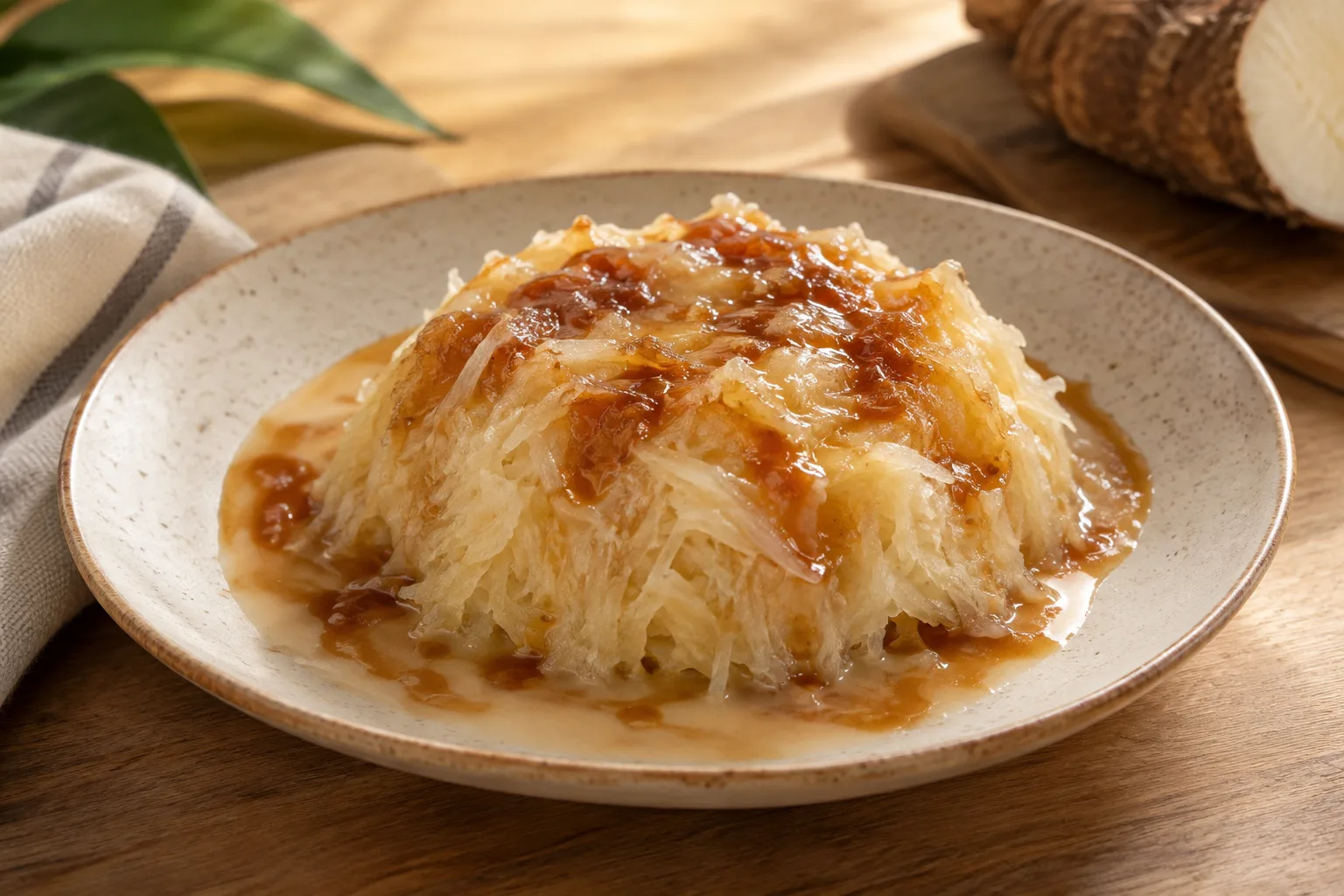
A Fijian dessert of grated cassava, steamed and served with a coconut and caramelized sugar sauce.

View recipe
Fijian steamed purini
Image generated by the Kitchenpause team
90 minIntermediate

Fijian steamed purini

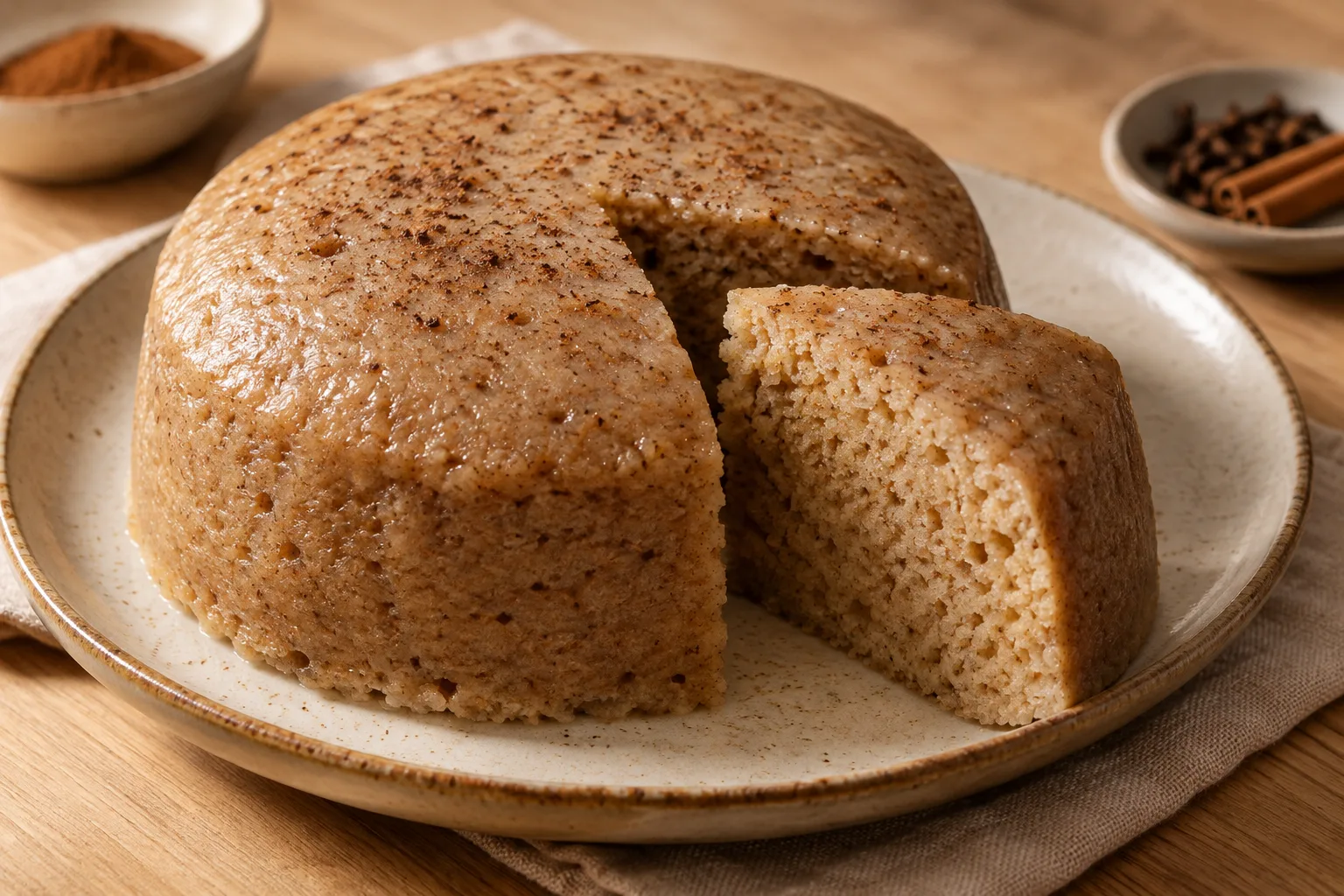
Fijian steamed pudding made with flour, sugar, and coconut cream, flavored with nutmeg, cinnamon, and cloves.

View recipe
Fijian Fish Suruwa
Image generated by the Kitchenpause team
25 minIntermediate

Fijian Fish Suruwa

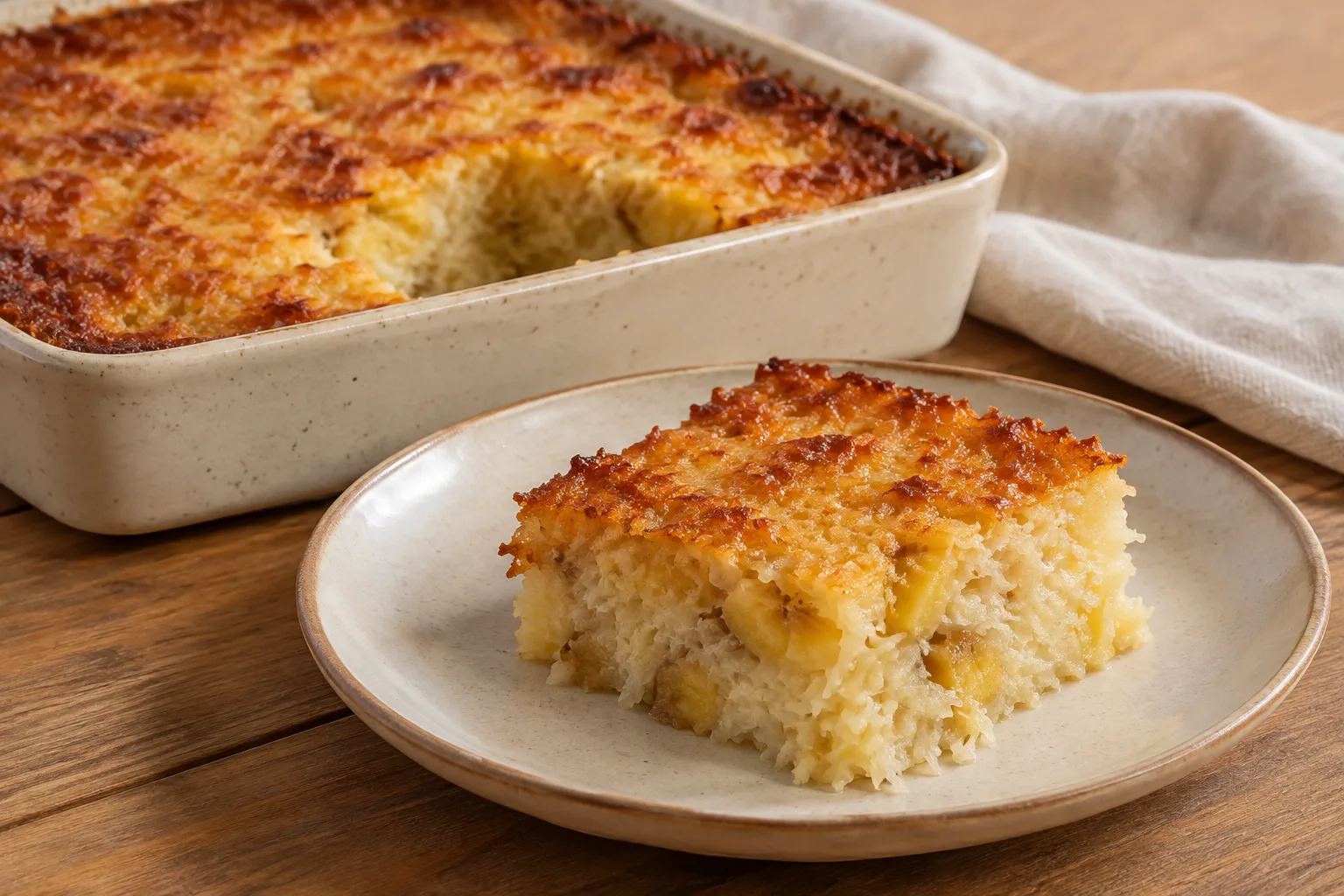
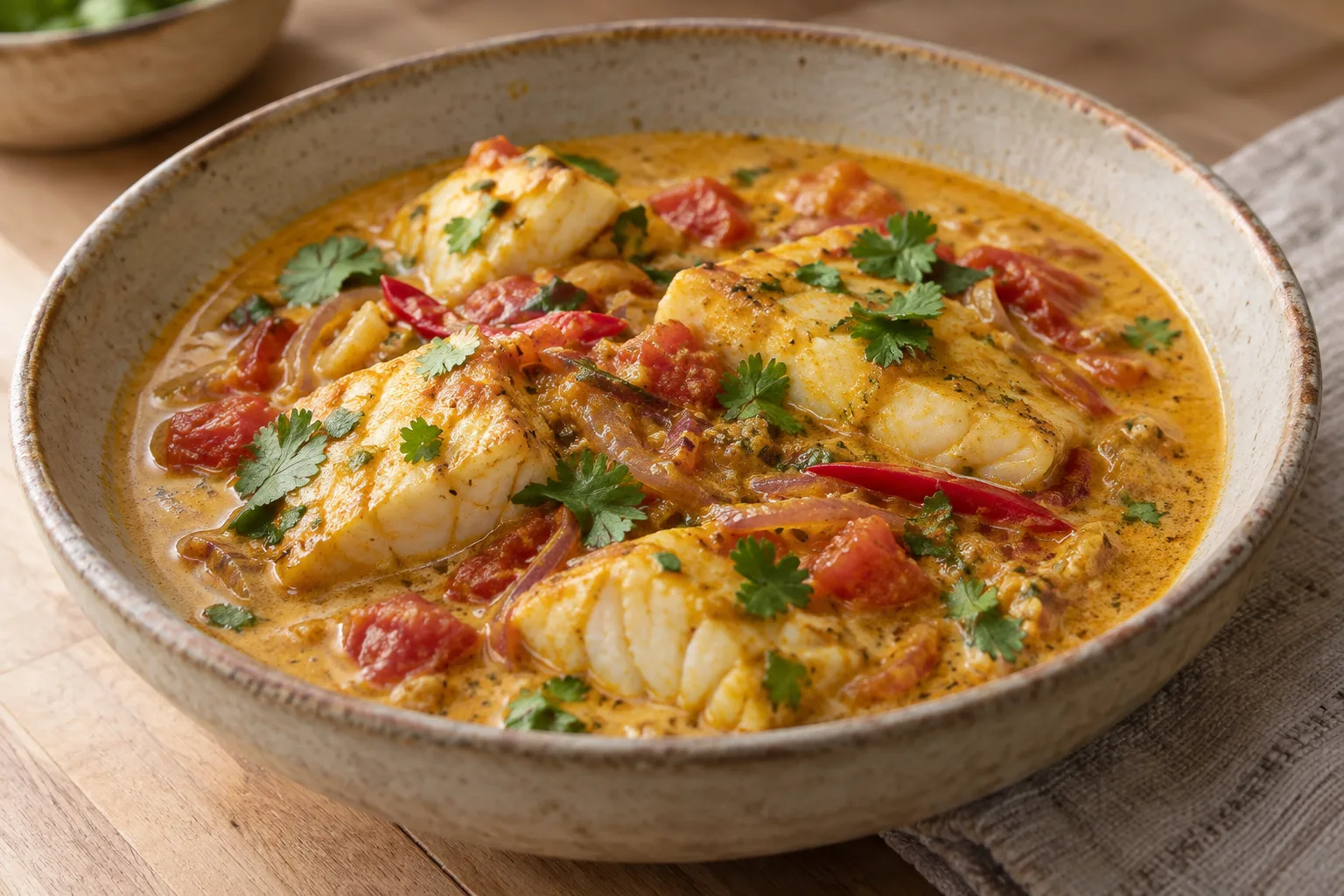
Fijian curry of firm white fish with tomato, coconut milk, and spices; one version of suruwa from the Indo-Fijian tradition.

View recipe
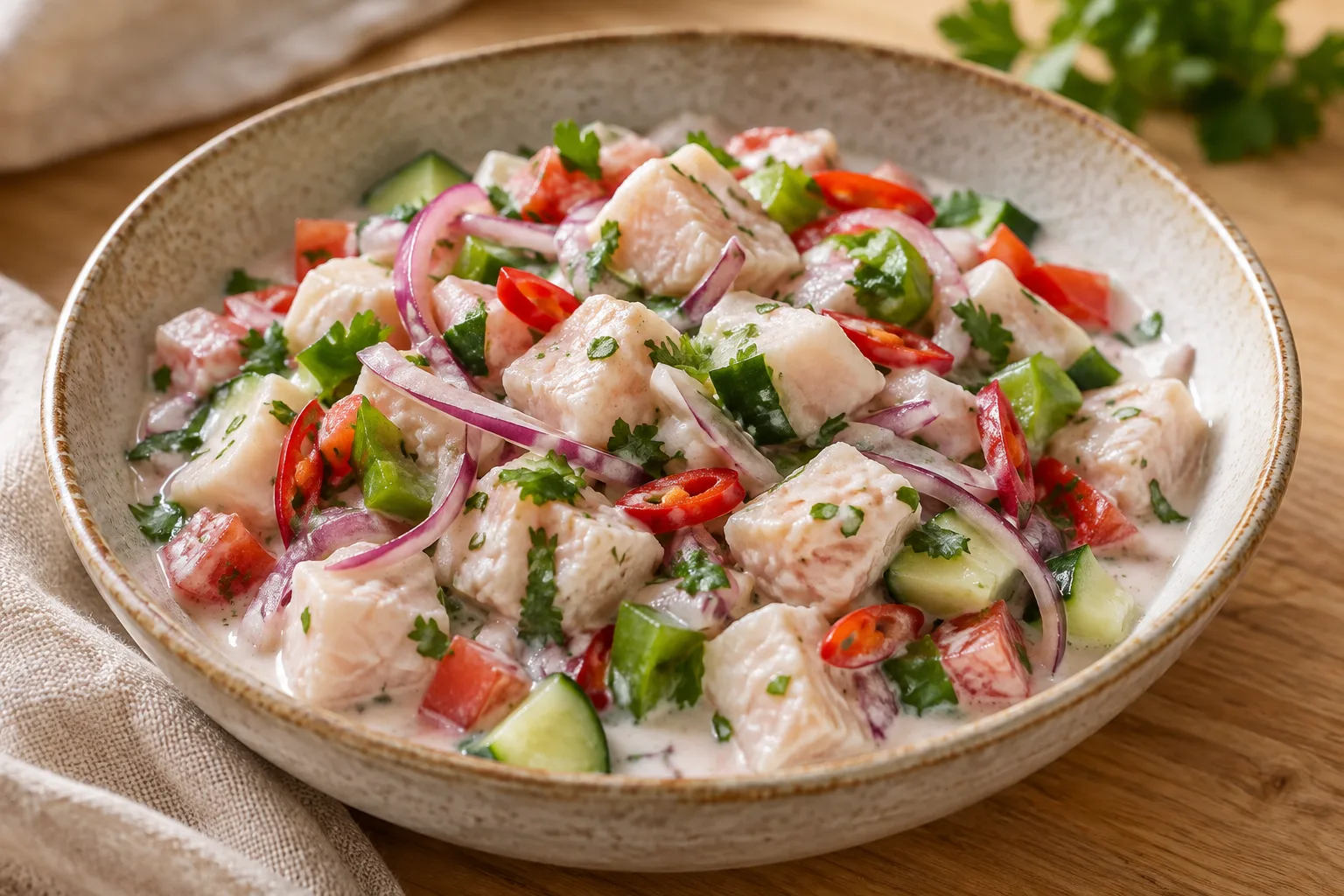
Fijian kokoda
Image generated by the Kitchenpause team
165 minIntermediate

Fijian kokoda

A Fijian starter of dolphinfish marinated in lime and lemon, then mixed with coconut milk and fresh vegetables.

View recipe
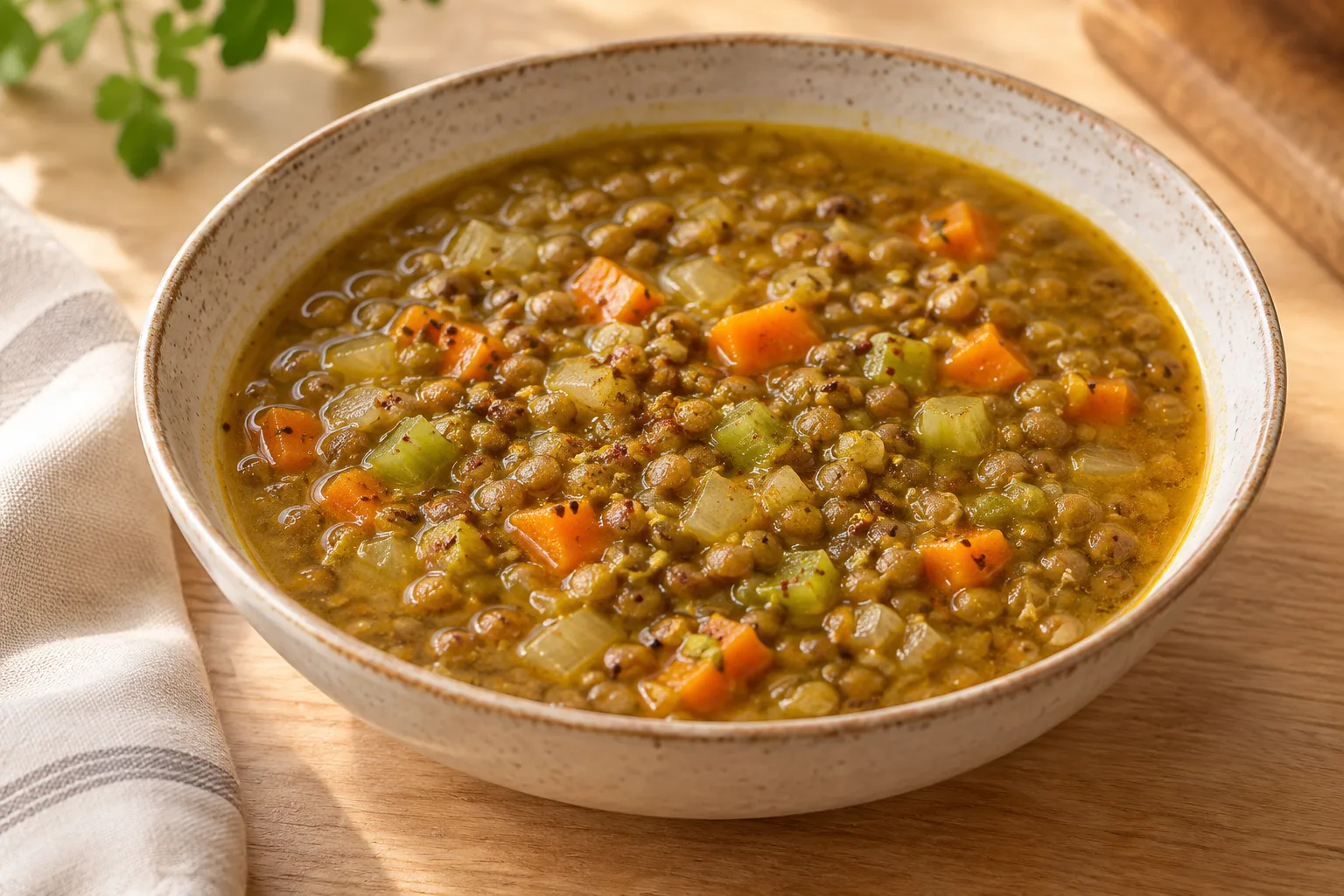
Fijian Dhal Soup
Image generated by the Kitchenpause team
130 minEasy

Fijian Dhal Soup

A vegetarian lentil soup with fenugreek, mustard, vegetables, curry and soy sauce.

View recipe

Sources consulted

Read the sources and each document’s scope. A heritage inscription concerns a particular practice, not all of a country’s cuisine.

  1. Exploring consumer-driven food value chain and market opportunities in Pacific SIDS countries — Chapter 4 digital.library.adelaide.edu.au/server/api/core/bitstreams/619939f3-bf2d-4397-8ca0-85ef93ece… Craig Michael Johns, University of Adelaide, doctoral thesis February 2023; chapter Johns, Umberger, Lyon and Maligalig Consulted: November 2, 2026
  2. Waste Audit Report — Fiji, Consultants’ Final Report, October 2021 www.theprif.org/sites/theprif.org/files/documents/Waste%20Audit%20Fiji_web.pdf Pacific Region Infrastructure Facility; Tonkin & Taylor International Ltd Consulted: November 2, 2026
  3. Adolescent dietary patterns in Fiji and their relationships with standardized body mass index vuir.vu.edu.au/36507/1/1479-5868-10-45.pdf International Journal of Behavioral Nutrition and Physical Activity / VU Research Repository Consulted: November 2, 2026
  4. Perceptions on Healthy Eating Impact the Home Food Environment: urban indigenous Fijian food gatekeepers mdpi-res.com/d_attachment/nutrients/nutrients-15-03875/article_deploy/nutrients-15-03875.pdf… Nutrients / original publisher Consulted: November 2, 2026
  5. Sociocultural Influences Contribute to Overeating and Unhealthy Eating: urban Fiji dspace.library.uu.nl/bitstream/handle/1874/425742/nutrients_14_02803.pdf?isAllowed=y&sequenc… Nutrients / Utrecht University author repository Consulted: November 2, 2026
  6. Fiji STEPS Survey2025: methods,food frequency and instrument www.health.gov.fj/wp-content/uploads/2026/02/Fiji-2025-STEPS-Survey-%E2%80%93-Country-Report… Fiji Ministry of Health and Medical Services Consulted: November 2, 2026
  7. Fijian kokoda ingredient list, catalogue observation2026-11-02 www.kitchenpause.com/en/recetas/fijian-kokoda KitchenPause published recipe catalogue Consulted: November 2, 2026
  8. Fijian Fish Suruwa ingredient list, catalogue observation2026-11-02 www.kitchenpause.com/en/recetas/fijian-fish-suruwa KitchenPause published recipe catalogue Consulted: November 2, 2026
  9. Fijian steamed purini ingredient list, catalogue observation2026-11-02 www.kitchenpause.com/en/recetas/fijian-steamed-purini KitchenPause published recipe catalogue Consulted: November 2, 2026
  10. Fijian Cassava Cake ingredient list, catalogue observation2026-11-02 www.kitchenpause.com/en/recetas/fijian-cassava-cake KitchenPause published recipe catalogue Consulted: November 2, 2026
  11. Fijian vakalolo ingredient list, catalogue observation2026-11-02 www.kitchenpause.com/en/recetas/fijian-vakalolo KitchenPause published recipe catalogue Consulted: November 2, 2026
  12. Dietary patterns of Indo-Fijians and their comparison to patterns of iTaukei Fijians devpolicy.org/2025-Pacific-Update/Panel_2a-2025-Pacific-Update-Nakamura.pdf Naohiro Nakamura,University of the South Pacific;Pacific Update2025 Consulted: November 2, 2026
  13. Fiji NCD Risk Factors STEPS Report2011: sampling and separate fruit/vegetable frequency www.health.gov.fj/wp-content/uploads/2018/11/Fiji-STEPS-Report-2011.pdf Fiji Ministry of Health and WHO Consulted: November 2, 2026
  14. Dietary Intake Among Community-Dwelling Adults Aged55Years and Older in the Central Division,Fiji pmc.ncbi.nlm.nih.gov/articles/PMC13415802/ Naliva and colleagues;Nutrients2026;18(14):2354 Consulted: November 2, 2026
  15. Khana Kakana: Fiji Ministry of Health Wellness Unit cookbook www.nutritionandhealthfiji.com/uploads/5/7/2/8/57283159/j1188-fiji1-khana-kakana-cookbook__2… Fiji Ministry of Health Wellness Unit; original PDF hosted on a mirror Consulted: November 2, 2026
  16. Launch of Khana Kakana Cook Book: official launch6November2014 www.health.gov.fj/launch-of-khana-kakana-cook-book/ Fiji Ministry of Health Consulted: November 2, 2026
  17. Davuke: traditional Fijian pit preservation of staple carbohydrate foods (1988), original abstract repository.usp.ac.fj/id/eprint/4901/ University of the South Pacific; Aalbersberg, Lovelace, Madhoji and Parkinson Consulted: November 2, 2026
  18. Fiji Multiple Indicator Cluster Survey2021, household assets and methodology mics.ipums.org/mics/resources/enum_materials_pdf/report_fj2021a_eng.pdf Fiji Bureau of Statistics, UNICEF, UNFPA and SPC; original report mirrored by IPUMS Consulted: November 2, 2026
  19. Breadfruit from Fiji, Samoa and Tonga www.agriculture.gov.au/biosecurity/risk-analysis/plant/breadfruit-pacific Australian Department of Agriculture Consulted: November 2, 2026
  20. Diwali sweets packs, 2023 campaign bhikhabhai.com.fj/product-category/sweets/diwali/ Bhikhabhai and Company, Fiji Consulted: November 2, 2026
  21. Nadi: mercados y vida local www.fiji.travel/places-to-go/nadi/locations/top-things-to-do-in-nadi Tourism Fiji
  22. Mercado y productos de Savusavu fiji-savusavu.com/essential-services/shopping/ Savusavu Tourism Association
  23. Suva y sus mercados www.fiji.travel/places-to-go/suva-and-surrounds/locations/top-things-to-do-in-suva Tourism Fiji

We use session and security technologies to provide our features. Only with your permission do we load Google Analytics to measure visits and Google Maps on Contact. Choose separately, reject or accept both.

Withdraw either permission here. Withdrawing analytics reloads the page to unload the running tag.

Cookie policy