- Category
- Herbs and spices
- State
- Other
- Usual unit
- teaspoon
What it is
Achiote, also known as annatto, onoto, or bijol, comes from the seeds of Bixa orellana. Culinary products are sold in several forms, including seeds, powder, paste, and oil. For that reason, “achiote seasoning” does not necessarily refer to one fixed recipe: a paste may contain other ingredients, and a powder may be ground achiote or a blend. It is used both to add red-orange color and to season food. Check the product format and ingredient list before using it, especially when a recipe calls for a particular form.
When to use it
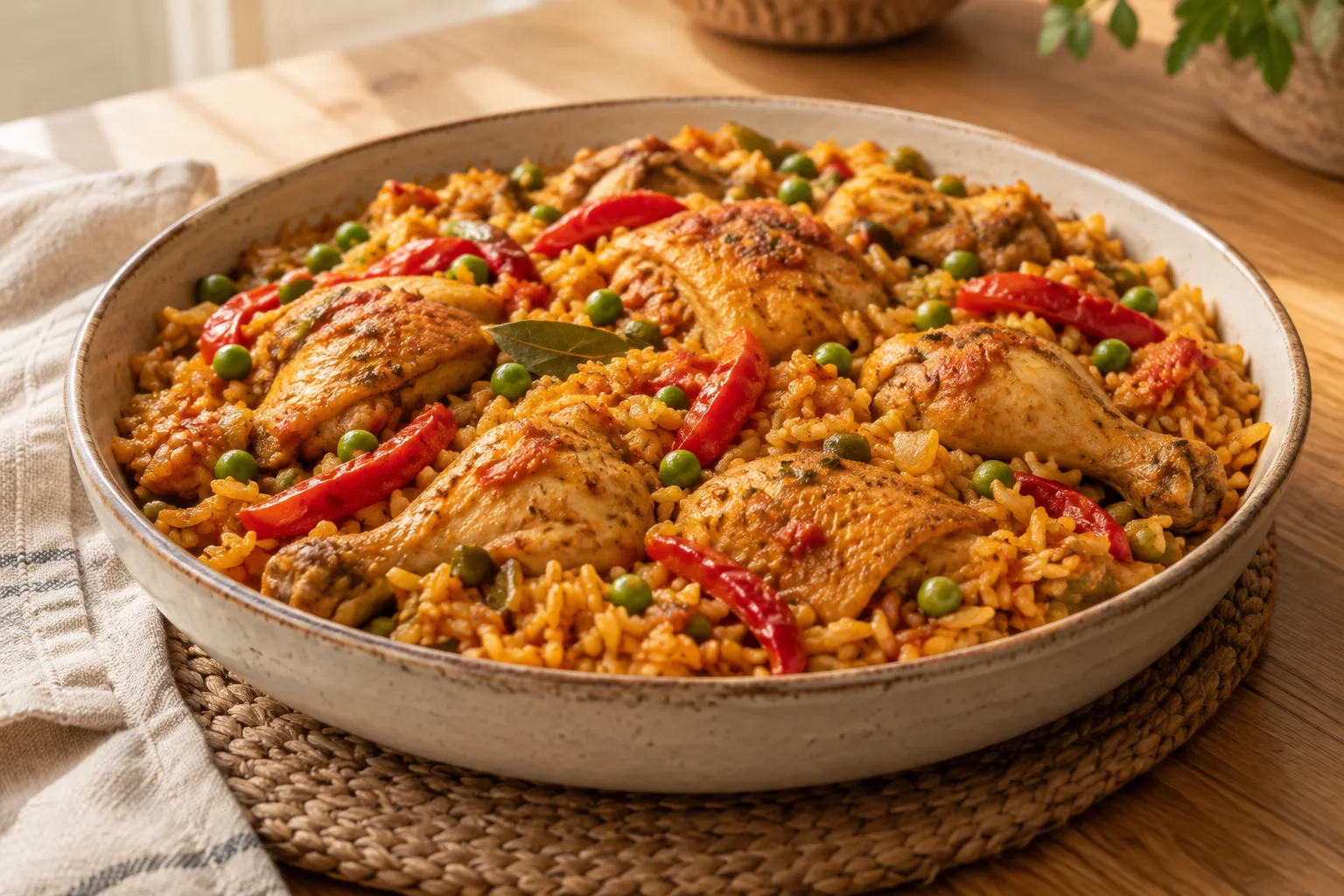
Use it when you want to add a red-orange hue and an earthy note, or when a recipe specifically calls for achiote. It appears in marinades, sauces, broths, stews, and rice dishes, and is characteristic of preparations such as cochinita pibil. Achiote paste can be combined with citrus for a marinade; infused oil can be used for cooking. Because products and blends vary, choose the form named in the recipe and start modestly if you do not know its strength.
How to use it
First identify whether you have seeds, powder, paste, or oil, and check the ingredients if the product is a blend. For a marinade, achiote paste can be combined with citrus juice and other seasonings before being added to meat or fish. You can also mix achiote into sauces, broths, or stews, or add it to rice preparations for color and flavor. One described method for achiote oil is to heat the seeds in oil and then remove them; the resulting oil is colored and carries an achiote note. Do not assume the different forms are equivalent by volume: follow the recipe or package directions.
Flavour and texture
Achiote is often described as earthy and mild, with notes that may seem sweet, nutty, or slightly bitter. Its intensity changes with the amount and the form; a large quantity can taste more pronounced. Achiote is especially valued for the red-orange color it contributes. Paste and oil have different textures from seeds or powder, and a commercial blend may contain other ingredients, so the final flavor is not always the same.
How to choose it
Look for the form your recipe calls for: seeds, powder, paste, or oil. Read the ingredient list, because a product name does not guarantee that it contains only achiote, and some forms are blends with other seasonings. Also check whether the recipe requires paste or powder, as they have different textures and are incorporated differently. If you want to control the blend’s flavor, choose a product whose label clearly lists its components.
Storage
Keep dry spices in an airtight, opaque container in a dark cupboard, away from air and light. Paste and oil are different forms, so do not assume they should be stored like seeds or powder: follow the package directions, particularly after opening. Avoid applying storage advice for one form to another, and keep the label available so you can check the ingredients and the manufacturer’s recommendations.
Substitutions
Achiote seeds, powder, paste, and oil are forms of the same ingredient, but they are not interchangeable in equal amounts without adjusting the recipe. Some sources describe achiote seeds as a saffron substitute for seasoning and adding color; do not expect an identical flavor. If you change forms or use saffron instead, follow a recipe designed for that ingredient or adjust gradually based on the result.
Common mistakes
Do not assume every product called achiote seasoning contains only achiote; check the label. Also, do not replace powder, paste, seeds, and oil in equal proportions without consulting the recipe, because they are different forms. Another mistake is to expect red-orange color to mean a hot flavor: pure achiote is described as not inherently spicy, although blends may contain other seasonings.
Safety and allergens
Check the ingredient list and the manufacturer’s directions, as commercial blends and forms can vary. Do not use storage advice intended for seeds or powder to store paste or oil.
Culinary uses
- Aportar color rojo anaranjado a platos y mezclas
- Condimentar adobos, marinadas, salsas y guisos
Recommended techniques
- Mezclar la pasta con cítricos y otros condimentos para una marinada
- Infusionar las semillas en aceite y retirarlas antes de cocinar
Pairs well with
- Cerdo y otras carnes
- Pescado
- Cítricos, como naranja
- Arroz y guisos
Frequently asked questions
Is achiote spicy?
Pure achiote is not described as inherently spicy. A commercial blend may include other ingredients, so check the label if you need to know its composition.
What forms of achiote are available?
Described forms include seeds, powder, paste, and oil. The recipe and product determine which form is appropriate.
Can I use achiote instead of saffron?
Achiote seeds are described as a substitute for seasoning and color, but they do not reproduce saffron’s flavor exactly.
Ingredient allergens
Allergen listThere are no verified associations for these ingredients yet.
Sources and review
Automatically researched, cross-checked and validated content. Sources consulted:
- ¿Por qué la muerte es origen de miedos y tabúes? doi.org/10.64628/aao.fccyk3qj3
- The Essential Glossary of Cooking Terms for the Culinary Arts - Escoffier www.escoffier.edu/blog/culinary-arts/the-essential-glossary-of-cooking-terms-for-the-culinar…
- EFNEP Hispanic Heritage Recipes | Community Nutrition | Extension/College of Agriculture, Health & Natural Resources | University of Connecticut communitynutrition.cahnr.uconn.edu/efnep-hispanic-heritage-recipes/
- Spices list: the best spices everyone should have in their kitchen insights.ehl.edu/top-spices-kitchen
- Achiote Paste Near Me Guide ~ cms.ncwc.edu cms.ncwc.edu/achiote-paste-near-me/
- El achiote como especia | El Huerto Urbano www.elhuertourbano.net/el-achiote-como-especia/
- El achiote: sabor, usos y beneficios | Blog UNITEC blogs.unitec.mx/vida-universitaria/el-achiote-a-que-sabe-y-como-se-usa/
- Achiote: qué es, su origen, usos y beneficios | Cocinatis www.cocinatis.com/como-cocinar/consejos-trucos/achiote-que-es_1_1002399.html
- Restaurants Culinary | Joliet Junior College jjc.edu/choose-your-path/culinary-hospitality-tourism/culinary-arts/restaurants-culinary
- Retrievers learn the art and heart of cooking Salvadoran food at True Grit’s Test Kitchen · UMBC News & Magazine · myUMBC my3.my.umbc.edu/groups/umbc-news-magazine/posts/145379
- COP faculty and UACC members identify food additive that may help prevent skin cancer | Cancer Center cancercenter.arizona.edu/news/2016/01/cop-faculty-and-uacc-members-identify-food-additive-ma…
- ¿Cuál es el sabor del achiote? - Blog de la La Parada de las Especias comprarespecias.net/blog/sabor-del-achiote/?srsltid=AU7gw4XR53WpCyQtLcw0uOMtX5CrOn9on9ikFVMp…