Europe · Southern Europe
Italy
Emilia-Romagna, Campania and Sicily offer routes through doughs, products and traditions that cannot fit into a single idea of Italian cooking.
Food and eating habits
How people eat in Italy
50 indicators exploring everyday meals, ingredients and food culture. Information is completed progressively from documented evidence.
47 of 50 indicators with documented information
Not all data are comparable: food supply, purchases and intake are different measures. Check the period, population and method for each finding. Qualitative descriptions do not establish percentages or amounts.
Timing and company
7/8
| Indicator | Findings and context |
|---|---|
| Meal times |
Lunch is traditionally around one in the afternoon; no national breakfast or dinner interval is verified. Scope, method and limitations
|
| Meals per day |
The cultural structure distinguishes breakfast, lunch and dinner. It does not establish participation percentages for meals or snacks. Scope, method and limitations
|
| Meal duration |
Mean total time spent eating: 2:00 hours a day. This is not the duration of each separate meal. Scope, method and limitations
|
| Daily energy distribution |
Approximate mean energy distribution: breakfast 11 %, lunch 43 %, dinner 38 % and snacks 8 %. Scope, method and limitations
|
| Weekdays and weekends |
Sunday lunch may be followed by pastries or cake; eating out is culturally associated with weekends or evenings. Scope, method and limitations
|
| Eating at home and away |
In the records, 94 % of breakfasts, 81 % of lunches and 92 % of dinners were consumed at home. Scope, method and limitations
|
| Cooking frequency | Insufficient data in the sources consulted |
| Eating together |
Dinner is described as a family gathering around the table; meals at friends’ homes are also mentioned. Scope, method and limitations
|
Pantry and recipes
2/2
| Indicator | Findings and context |
|---|---|
| Most consumed ingredients |
Within the recorded food groups, bread, pasta and pizza lead cereals; olive oil leads fats and wine leads alcoholic beverages. Scope, method and limitations
|
| Ingredient prevalence in recipes |
In the Italian sample profile, vegetables, additives and spices have the largest fractions of ingredient occurrences. Scope, method and limitations
|
Cereals and plant foods
6/6
| Indicator | Findings and context |
|---|---|
| Cereals and cereal products |
Semolina pasta: mean 50 g per person per day. Scope, method and limitations
|
| Bread |
Wheat bread: mean 94 g per person per day. Scope, method and limitations
|
| Pulses |
52.7 % report eating pulses a few times a week. Scope, method and limitations
|
| Vegetables |
Lettuce: 17 g per person per day; courgette: 14 g; carrot: 10 g. Scope, method and limitations
|
| Fruit |
Apple: 59 g per person per day; orange: 30 g. Scope, method and limitations
|
| Potatoes, roots and tubers |
About 70 % consumed potatoes at least once during the three recorded days. Scope, method and limitations
|
Protein foods
5/5
| Indicator | Findings and context |
|---|---|
| Meat |
Beef: 43 g per person per day; poultry: 21 g; pork: 19 g. Scope, method and limitations
|
| Fish and seafood |
Cod: 8 g per person per day; canned tuna: 4 g; crustaceans: 4 g. Scope, method and limitations
|
| Eggs |
62.9 % report eating eggs a few times a week. Scope, method and limitations
|
| Milk and dairy products |
Cow’s milk mozzarella: 23 g per person per day; Parmesan: 7 g; buffalo mozzarella: 4 g; caciotta and similar cheeses: 3 g. Scope, method and limitations
|
| Protein sources |
Contributions to total protein: pulses 1.6 %, meat/products/substitutes 30.9 %, fish/seafood/products 8.6 %, eggs 2.5 % and milk/products/substitutes 21.2 %. Partial breakdown. Scope, method and limitations
|
Fats, flavours and condiments
3/3
| Indicator | Findings and context |
|---|---|
| Cooking fats |
Olive oil: mean 33 g per person per day; it represents 81 % of the recorded oils and fats group. Scope, method and limitations
|
| Herbs and spices |
In Liguria, pesto uses basil and garlic; in Tuscany, gnudi are served with butter and sage, and pappa al pomodoro uses basil. Scope, method and limitations
|
| Sauces and condiments |
Ligurian pesto combines basil, pine nuts, garlic and pecorino to dress trenette; green sauce and walnut sauce are also described. Scope, method and limitations
|
Meal composition
6/6
| Indicator | Findings and context |
|---|---|
| Breakfast composition |
A hot drink—coffee, milk or tea—with biscuits, bread with butter and jam, or brioche; at a bar, cappuccino or espresso with cornetto. Scope, method and limitations
|
| Main meal composition |
A traditional home lunch includes a pasta or rice first course, meat, fish or eggs with vegetables as a second course, then fruit and coffee. Scope, method and limitations
|
| Dinner composition |
Described dinner foods include soups, salads, cheeses, vegetables and fruit. Portions and frequency are not quantified. Scope, method and limitations
|
| Appetisers and snacks |
A bar cornetto may contain custard, jam or chocolate; mid-morning coffee is described, without measured snacking frequency. Scope, method and limitations
|
| Desserts and sweets |
On occasions such as Sunday, pastries or cake follow lunch; ice cream is mentioned in summer. Scope, method and limitations
|
| Portion sizes |
Adult reference servings: bread 50 g; pasta, rice, maize, spelt or barley 80 g; potatoes 200 g. Scope, method and limitations
|
Techniques and equipment
5/5
| Indicator | Findings and context |
|---|---|
| Cooking techniques |
Ligurian dishes include fried or grilled fish and fish soups or stews; gattafin are fried ravioli with herb filling. Scope, method and limitations
|
| Vegetable preparation |
In Liguria, scorzonera is fried and vegetables enter fillings; in Tuscany, spinach and ricotta form gnudi. Scope, method and limitations
|
| Food preservation |
For freezing cooked food, 32 % of households answered “never”, 55 % “sometimes”, 10 % “often” and 3 % did not specify. Scope, method and limitations
|
| Fermented foods |
In Liguria, bruss is a strong-tasting fermented ricotta cheese spread on bread or served with pasta, polenta and soups. Scope, method and limitations
|
| Kitchen equipment |
Refrigerator: 99.5 % of households; dishwasher: 50.2 %; separate freezer: 27.3 %. Scope, method and limitations
|
Drinks
3/3
| Indicator | Findings and context |
|---|---|
| Everyday drinks |
Coffee: 81 g per person per day; tea: 27 g; cola drinks: 19 g; pear, peach, apple and apricot juices: 16 g; other juices: 11 g. Scope, method and limitations
|
| Coffee and tea preparation |
Bar breakfasts include cappuccino or espresso; coffee is also taken standing at the counter mid-morning or after meals. Scope, method and limitations
|
| Drinks with meals |
56 % reported wine with meals at home and 47 % with meals outside home; these are not percentages of individual meals served. Scope, method and limitations
|
Nutrition and dietary patterns
3/3
| Indicator | Findings and context |
|---|---|
| Energy and nutrients |
Sample means: energy 1666.8 kcal per day; protein 66.7 g, fat 70.5 g, carbohydrates 194.3 g and fibre 14.6 g per day. Scope, method and limitations
|
| Salt and sugars |
Salt estimated from urine: 9.5 g per day for men and 7.2 g for women. No comparable sugars figure is included. Scope, method and limitations
|
| Dietary patterns |
During the study, three people—0.1 % of the sample—reported a vegetarian diet. This historical sample result is not a current prevalence estimate. Scope, method and limitations
|
Shopping, prices and waste
5/7
| Indicator | Findings and context |
|---|---|
| Food expenditure |
Food and non-alcoholic beverages: 552 euros per household per month, 19.8 % of total household spending. This is not a per-person amount. Scope, method and limitations
|
| Cost of a common basket | Insufficient data in the sources consulted |
| Cost of specific meals | Insufficient data in the sources consulted |
| Grocery shopping locations |
Supermarkets account for 41 % of the household food-purchase market; no complete comparable breakdown of other channels is included. Scope, method and limitations
|
| Shopping frequency |
Purchase frequency rises 10 % over the same period a year earlier. No absolute weekly visit count is published here. Scope, method and limitations
|
| Prepared food and delivery |
Mean monthly household spending on ready meals and other food preparations: 10.5 EUR. Scope, method and limitations
|
| Household food waste |
Discarded foods include fruit and vegetables, fresh bread, ready-to-eat salads, onions and tubers. Causes include overbuying or overcooking, not reusing leftovers and poor storage. Scope, method and limitations
|
Seasons and celebrations
2/2
| Indicator | Findings and context |
|---|---|
| Seasonal produce |
In Veneto, Marroni del Monfenera ripen from mid-September to mid-November. In Le Marche, white truffles are gathered from October to December; winter black truffles from December to February; summer black truffles from May to September. Scope, method and limitations
|
| Celebration food |
Törggelen in South Tyrol celebrates the end of the grape harvest from early October until Advent. Foods include roasted chestnuts, canederli, Schlutzkrapfen and sausages with sauerkraut; especially rooted in the Eisack Valley, Bolzano and Burgraviato. Scope, method and limitations
|
Explore its cuisinesRead as an article ↗
Italy: pasta, regions and ways of organising the table
Documentary synthesis prepared with AI assistance. It does not replace specialist review or certify kitchen testing. · Updated 2 November 2026
A cuisine best read in the plural
Italy brings together regional and local cuisines, alongside family traditions that travel with people. Pasta is an entry point, but not a sufficient explanation of the country. Its doughs, shapes, accompaniments and place within a meal change. A route through Emilia-Romagna, Campania and Sicily makes that diversity visible through particular products and preparations.
A dish's name conveys information lost when it is simply called Italian. A filling, a cheese or a technique can locate a preparation; other recipes are contemporary adaptations sharing resources from several regions. Both can belong in a recipe collection when the version offered is clearly described.
Three regional perspectives
Emilia-Romagna: dough and filling
The regional repertoire brings together egg pasta, tortellini, cappelletti and other filled preparations, alongside cheeses and cured products. Piadina offers a different structure: a dough that encloses or accompanies a filling after cooking. Comparing them draws attention to thickness, closure and the role of the accompaniment, without treating every dough as interchangeable. Fish preparations also appear along the coast, broadening the picture of this region.
Campania: oven, coast and dairy
Neapolitan pizza sits alongside a pantry in which dairy and coastal products play prominent roles. Studying that coexistence prevents one famous preparation from eclipsing the rest. The oven, dough and choice of ingredients build a particular recipe; adding tomato to any dish does not give it a Campanian origin. A regional reading requires distinguishing the product from the version being cooked.
Sicily: an island with many repertoires
Sicily offers caponata, ricotta sweets and various street-food preparations. Caponata offers a way to consider vegetables through a sweet-and-sour combination; doughs and sweets open up other techniques. Local examples around Etna are a reminder that the island is not a single uniform cuisine either. Keep their names and recognise which ingredients each source identifies.
The pantry: asking what each ingredient contributes
Pasta, a vegetable and a cheese can be organised in many ways. Before combining them, identify which product takes the leading role and which provides moisture, texture or seasoning. Choosing a different cheese changes the result; choosing a different vegetable also changes its preliminary preparation. This is a way to learn with few components and avoid automatic substitutions that hide differences between recipes.
From dough to oven
Pasta cooked and finished with its accompaniment presents a different task from baked pasta. In the latter, the distribution of components, the moisture retained by the whole and the finishing point described in the recipe also matter. KitchenPause's collection lets you practise both routes. Its vegetable and ricotta versions should be read as the preparations they are, without assigning them to a region merely because an ingredient appears.
Knowledge is passed on through gestures
Filling, folding, rolling out or bringing pasta together with its accompaniment are skills learned by watching and repeating. Names also help transmit distinctions: a filled preparation is not explained in the same way as piadina or pizza. These regional routes offer a starting point in a particular craft, followed by a return to its context, without imposing a single way of cooking or eating on the whole country.
Vocabulary of doughs, fillings and accompaniments
- Egg pasta: a family of doughs whose shape and thickness influence subsequent work.
- Tortellini and cappelletti: filled preparations that require attention to version, shape and composition.
- Piadina: a flatbread in the Emilia-Romagna repertoire, with a relationship to its filling different from that of enclosed pasta.
- Caponata: a Sicilian vegetable preparation that offers a way to observe a sweet-and-sour balance.
The accompaniment is part of the technique
Pasta is not necessarily finished when drained: how it is brought together with its accompaniment matters. The catalogue's tomato and basil version offers a way to study that finishing stage; baked pasta with pumpkin and ricotta introduces distribution, moisture and surface. Comparing them distinguishes a preparation finished at the last moment from one assembled and cooked further as a whole.
Regional crafts and products
Emilia-Romagna's repertoire brings together pasta, cheeses and cured products. Campania contributes ovens and dairy; Sicily adds vegetable preparations, sweets and street food. The interest lies not in adding up famous specialities, but in observing the work that turns a raw ingredient into a recognisable product. Rolling out, filling, maturing and assembling are different skills that recipes can help you begin to read.
A route for attentive cooking
Start with a quick pasta dish and set aside another session for a baked preparation. Note which ingredient provides moisture, which structures the dish and what is added at the end. Then use regional documentation to compare other doughs and fillings. The experience becomes more precise when it retains local names and declared adaptations: a ricotta and vegetable recipe can be a valuable contemporary version without needing a regional origin unsupported by its description.
From territory to today's recipe collection
The current catalogue offers a starting point with tomato and basil pasta, or the option of spending longer on a baked version. These are ways to observe different methods, not evidence of a particular regional origin. Follow their quantities and cooking cues, and use the guide to compare what each technique brings to the whole.
Fats, flavours and condiments
Cooking fats. Olive oil: mean 33 g per person per day; it represents 81 % of the recorded oils and fats group.
Observation period: 2005-06. Italian sample of 3323 people of all ages in 1329 households. Italy; reported intake in 2005–2006. Three consecutive days of food diaries; whole-sample means including non-consumers. Daily weights are not converted into annual quantities. Partial coverage: limited to the stated categories, population and period. It does not represent the entire current population or establish unpublished quantities, frequencies or breakdowns. Standard recipes may overestimate olive oil; excludes industrially added fats.
Herbs and spices. In Liguria, pesto uses basil and garlic; in Tuscany, gnudi are served with butter and sage, and pappa al pomodoro uses basil.
Sauces and condiments. Ligurian pesto combines basil, pine nuts, garlic and pecorino to dress trenette; green sauce and walnut sauce are also described.
Seasons and celebrations
Seasonal produce. In Veneto, Marroni del Monfenera ripen from mid-September to mid-November. In Le Marche, white truffles are gathered from October to December; winter black truffles from December to February; summer black truffles from May to September.
Celebration food. Törggelen in South Tyrol celebrates the end of the grape harvest from early October until Advent. Foods include roasted chestnuts, canederli, Schlutzkrapfen and sausages with sauerkraut; especially rooted in the Eisack Valley, Bolzano and Burgraviato.
Italy; examples from Veneto, Le Marche and South Tyrol. Partial regional coverage without quantities or population participation. Not an exhaustive national calendar. Exact dates vary by season.
Cereals and plant foods
Cereals and cereal products. Semolina pasta: mean 50 g per person per day.
Bread. Wheat bread: mean 94 g per person per day.
Vegetables. Lettuce: 17 g per person per day; courgette: 14 g; carrot: 10 g.
Fruit. Apple: 59 g per person per day; orange: 30 g.
Potatoes, roots and tubers. About 70 % consumed potatoes at least once during the three recorded days.
Observation period: 2005-06. Italian sample of 3323 people of all ages in 1329 households. Italy; reported intake in 2005–2006. Three consecutive days of food diaries; whole-sample means including non-consumers. Daily weights are not converted into annual quantities. Partial coverage: limited to the stated categories, population and period. It does not represent the entire current population or establish unpublished quantities, frequencies or breakdowns.
Pulses. 52.7 % report eating pulses a few times a week.
People aged three and over resident in Italy. Italy; reported frequency in 2024. ISTAT survey; national column of the institutional table. Share reporting “a few times a week”, a separate category from daily consumption. Partial coverage: limited to the stated categories, population and period. It does not represent the entire current population or establish unpublished quantities, frequencies or breakdowns.
Protein foods
Meat. Beef: 43 g per person per day; poultry: 21 g; pork: 19 g.
Fish and seafood. Cod: 8 g per person per day; canned tuna: 4 g; crustaceans: 4 g.
Milk and dairy products. Cow’s milk mozzarella: 23 g per person per day; Parmesan: 7 g; buffalo mozzarella: 4 g; caciotta and similar cheeses: 3 g.
Observation period: 2005-06. Italian sample of 3323 people of all ages in 1329 households. Italy; reported intake in 2005–2006. Three consecutive days of food diaries; whole-sample means including non-consumers. Daily weights are not converted into annual quantities. Partial coverage: limited to the stated categories, population and period. It does not represent the entire current population or establish unpublished quantities, frequencies or breakdowns.
Eggs. 62.9 % report eating eggs a few times a week.
People aged three and over resident in Italy. Italy; reported frequency in 2024. ISTAT survey; national column of the institutional table. Share reporting “a few times a week”, a separate category from daily consumption. Partial coverage: limited to the stated categories, population and period. It does not represent the entire current population or establish unpublished quantities, frequencies or breakdowns.
Protein sources. Contributions to total protein: pulses 1.6 %, meat/products/substitutes 30.9 %, fish/seafood/products 8.6 %, eggs 2.5 % and milk/products/substitutes 21.2 %. Partial breakdown.
Observation period: 2017–2020. Italian sample of 1969 participants aged three months to seventy-four years. Italy; IV SCAI survey, June 2017 to January 2020. Two non-consecutive food diaries or recalls; whole-sample means and food-group contributions to the nutrient, as specified by the table. Historical sample coverage: excludes people over seventy-four. The combined mean depends on age composition and is not a recommendation or personal portion. Groups and substitutes are not pure ingredients.
Timing and company
Meal times. Lunch is traditionally around one in the afternoon; no national breakfast or dinner interval is verified.
Meals per day. The cultural structure distinguishes breakfast, lunch and dinner. It does not establish participation percentages for meals or snacks.
Weekdays and weekends. Sunday lunch may be followed by pastries or cake; eating out is culturally associated with weekends or evenings.
Eating together. Dinner is described as a family gathering around the table; meals at friends’ homes are also mentioned.
Meal duration. Mean total time spent eating: 2:00 hours a day. This is not the duration of each separate meal.
People aged fifteen and over in the Italian time-use survey. Italy; 2013–2014 survey, average day of the week. Activity diaries; whole-population generic mean duration, physiological-activity figure. Historical partial coverage: total across meals, without separate breakfast, lunch and dinner durations. No arbitrary division or cooking preparation is included.
Daily energy distribution. Approximate mean energy distribution: breakfast 11 %, lunch 43 %, dinner 38 % and snacks 8 %.
Eating at home and away. In the records, 94 % of breakfasts, 81 % of lunches and 92 % of dinners were consumed at home.
Observation period: 2005-06. Italian sample of 3323 people of all ages in 1329 households. Italy; reported intake in 2005–2006. Three consecutive days of food diaries; whole-sample means including non-consumers. Daily weights are not converted into annual quantities. Partial coverage: limited to the stated categories, population and period. It does not represent the entire current population or establish unpublished quantities, frequencies or breakdowns.
Pantry and recipes
Most consumed ingredients. Within the recorded food groups, bread, pasta and pizza lead cereals; olive oil leads fats and wine leads alcoholic beverages.
Meal composition
Breakfast composition. A hot drink—coffee, milk or tea—with biscuits, bread with butter and jam, or brioche; at a bar, cappuccino or espresso with cornetto.
Main meal composition. A traditional home lunch includes a pasta or rice first course, meat, fish or eggs with vegetables as a second course, then fruit and coffee.
Appetisers and snacks. A bar cornetto may contain custard, jam or chocolate; mid-morning coffee is described, without measured snacking frequency.
Desserts and sweets. On occasions such as Sunday, pastries or cake follow lunch; ice cream is mentioned in summer.
Dinner composition. Described dinner foods include soups, salads, cheeses, vegetables and fruit. Portions and frequency are not quantified.
No statistical sample; descriptions of customs and preparations. Italy; cultural examples from the stated regions. Institutional description of culinary practices; no observation year or frequency measurement. Partial coverage: limited to the stated categories, population and period. It does not represent the entire current population or establish unpublished quantities, frequencies or breakdowns.
Portion sizes. Adult reference servings: bread 50 g; pasta, rice, maize, spelt or barley 80 g; potatoes 200 g.
Observation period: 2018 (guideline revision). General guidance population; not an intake sample. Serving definitions of the stated edition. Official guidance: reference weights, not calculated intake means. The period indicates the edition, not an observation year. Recommended servings, not observed sizes or an individual prescription. No comparison of actual national habits. Dry and prepared weights distinguished.
Techniques and equipment
Cooking techniques. Ligurian dishes include fried or grilled fish and fish soups or stews; gattafin are fried ravioli with herb filling.
Fermented foods. In Liguria, bruss is a strong-tasting fermented ricotta cheese spread on bread or served with pasta, polenta and soups.
Vegetable preparation. In Liguria, scorzonera is fried and vegetables enter fillings; in Tuscany, spinach and ricotta form gnudi.
No statistical sample; descriptions of customs and preparations. Italy; cultural examples from the stated regions. Institutional description of culinary practices; no observation year or frequency measurement. Partial coverage: limited to the stated categories, population and period. It does not represent the entire current population or establish unpublished quantities, frequencies or breakdowns.
Food preservation. For freezing cooked food, 32 % of households answered “never”, 55 % “sometimes”, 10 % “often” and 3 % did not specify.
Observation period: 2005-06. 1257 participating households. Italy; reported intake in 2005–2006. INRAN-SCAI household questionnaire; reported practice, not an observation of safe preservation. Partial coverage: limited to the stated categories, population and period. It does not represent the entire current population or establish unpublished quantities, frequencies or breakdowns.
Kitchen equipment. Refrigerator: 99.5 % of households; dishwasher: 50.2 %; separate freezer: 27.3 %.
Households resident in Italy. Italy; equipment in 2021. Household energy survey; appliance ownership, not usage frequency. Partial coverage: limited to the stated categories, population and period. It does not represent the entire current population or establish unpublished quantities, frequencies or breakdowns.
Drinks
Everyday drinks. Coffee: 81 g per person per day; tea: 27 g; cola drinks: 19 g; pear, peach, apple and apricot juices: 16 g; other juices: 11 g.
Observation period: 2005-06. Italian sample of 3323 people of all ages in 1329 households. Italy; reported intake in 2005–2006. Three consecutive days of food diaries; whole-sample means including non-consumers. Daily weights are not converted into annual quantities. Partial coverage: limited to the stated categories, population and period. It does not represent the entire current population or establish unpublished quantities, frequencies or breakdowns.
Coffee and tea preparation. Bar breakfasts include cappuccino or espresso; coffee is also taken standing at the counter mid-morning or after meals.
Drinks with meals. 56 % reported wine with meals at home and 47 % with meals outside home; these are not percentages of individual meals served.
Observation period: 2005-06. Italian sample of 2915 people aged fifteen and over. Italy; INRAN-SCAI questionnaire 2005–2006. Question on wine consumption location and occasion; overall national row of table E5.1. Historical partial coverage of one beverage. No water, soft-drink, every-meal or daily-consumption estimates. Description, not alcohol advice.
Nutrition and dietary patterns
Energy and nutrients. Sample means: energy 1666.8 kcal per day; protein 66.7 g, fat 70.5 g, carbohydrates 194.3 g and fibre 14.6 g per day.
Observation period: 2017–2020. Italian sample of 1969 participants aged three months to seventy-four years. Italy; IV SCAI survey, June 2017 to January 2020. Two non-consecutive food diaries or recalls; whole-sample means and food-group contributions to the nutrient, as specified by the table. Historical sample coverage: excludes people over seventy-four. The combined mean depends on age composition and is not a recommendation or personal portion. Groups and substitutes are not pure ingredients.
Salt and sugars. Salt estimated from urine: 9.5 g per day for men and 7.2 g for women. No comparable sugars figure is included.
People aged thirty-five to seventy-four in ten Italian regions. Italy; Health Examination Survey 2018–2019. Representative regional samples and full-day urine collection to estimate salt intake. Partial coverage: limited to the stated categories, population and period. It does not represent the entire current population or establish unpublished quantities, frequencies or breakdowns.
Dietary patterns. During the study, three people—0.1 % of the sample—reported a vegetarian diet. This historical sample result is not a current prevalence estimate.
Observation period: 2005-06. Italian sample of 3323 people of all ages in 1329 households. Italy; reported intake in 2005–2006. Three consecutive days of food diaries; whole-sample means including non-consumers. Daily weights are not converted into annual quantities. Partial coverage: limited to the stated categories, population and period. It does not represent the entire current population or establish unpublished quantities, frequencies or breakdowns.
Shopping, prices and waste
Food expenditure. Food and non-alcoholic beverages: 552 euros per household per month, 19.8 % of total household spending. This is not a per-person amount.
Households resident in Italy. Italy; 2025 spending at current prices. Household expenditure survey; monthly household means, with no division by an assumed household size. Partial coverage: limited to the stated categories, population and period. It does not represent the entire current population or establish unpublished quantities, frequencies or breakdowns.
Grocery shopping locations. Supermarkets account for 41 % of the household food-purchase market; no complete comparable breakdown of other channels is included.
Shopping frequency. Purchase frequency rises 10 % over the same period a year earlier. No absolute weekly visit count is published here.
Italian household food purchases. Italy; first half of 2025. Official household-purchase monitoring summary; market share and change in frequency, not population percentages or weekly visits. Partial coverage: limited to the stated categories, population and period. It does not represent the entire current population or establish unpublished quantities, frequencies or breakdowns.
Prepared food and delivery. Mean monthly household spending on ready meals and other food preparations: 10.5 EUR.
Households resident in Italy. Italy; 2014 spending at current prices. Household expenditure survey; monthly household means, with no division by an assumed household size. Historical household, not per-person spending. Ready meals and other preparations; no delivery frequency, orders or dish types.
Household food waste. Discarded foods include fruit and vegetables, fresh bread, ready-to-eat salads, onions and tubers. Causes include overbuying or overcooking, not reusing leftovers and poor storage.
Places and communities
One country, many cuisines
An initial selection of regions to explore. Culinary boundaries may differ from administrative divisions.
Emilia-Romaña
Sicilia
Cook
Recipes connected with Italy
Each recipe documents one version. Geographic associations do not imply an exclusive origin.
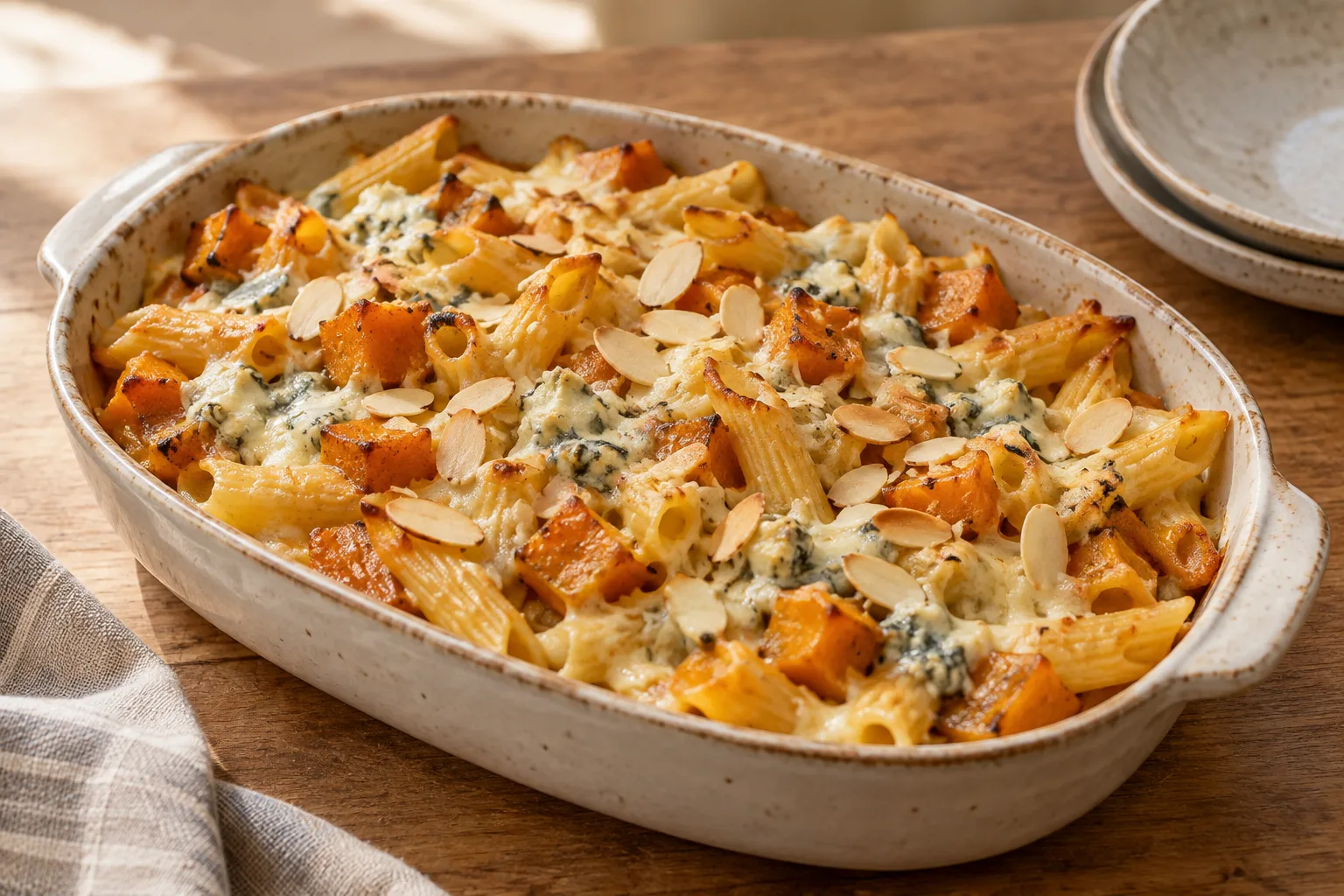
Baked Pasta with Pumpkin and Almonds
Baked pasta with tender pumpkin, melted gorgonzola, and flaked almonds.
View recipe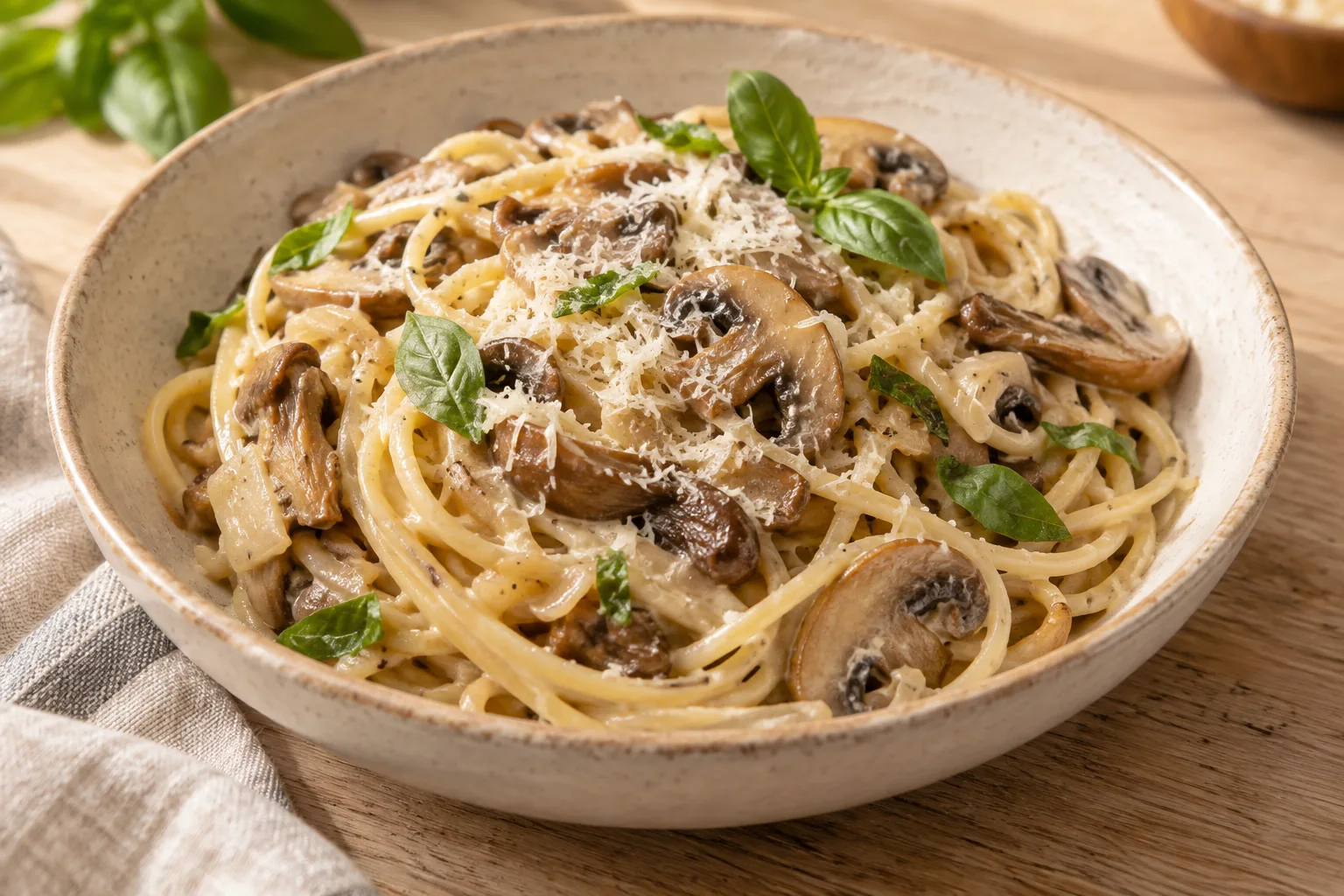
Pasta with Mushrooms and Basil
Long pasta with sautéed mushrooms, a creamy sauce and fresh basil, finished with Parmesan.
View recipe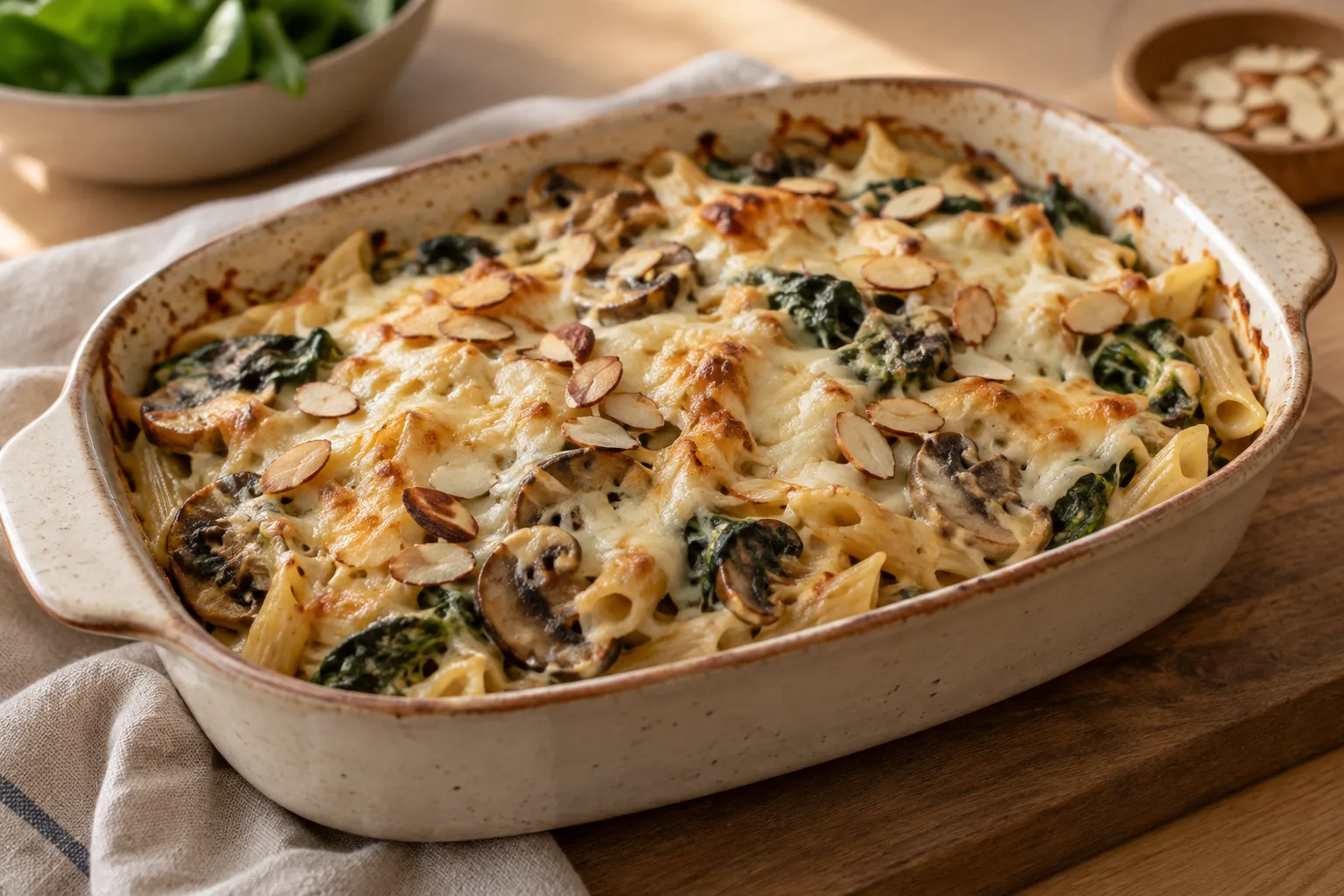
Baked Pasta with Spinach and Almonds
Pasta with spinach, mushrooms, and jocoque, topped with mozzarella and almonds, then baked until the cheese is golden.
View recipe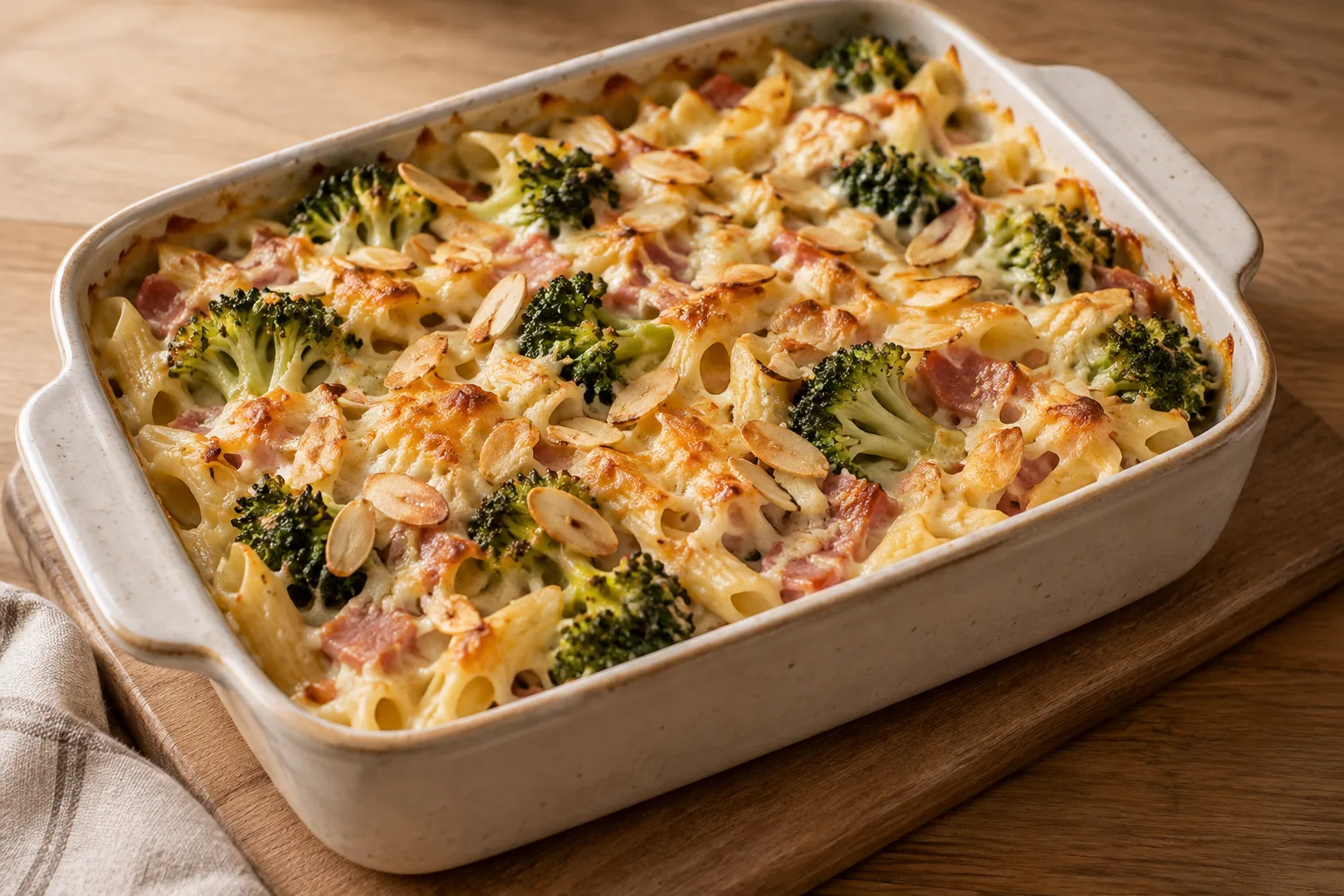
Baked Pasta with Broccoli and Almonds
Short pasta baked with broccoli, ham, almonds, and a mixture of milk, egg, and cheese.
View recipe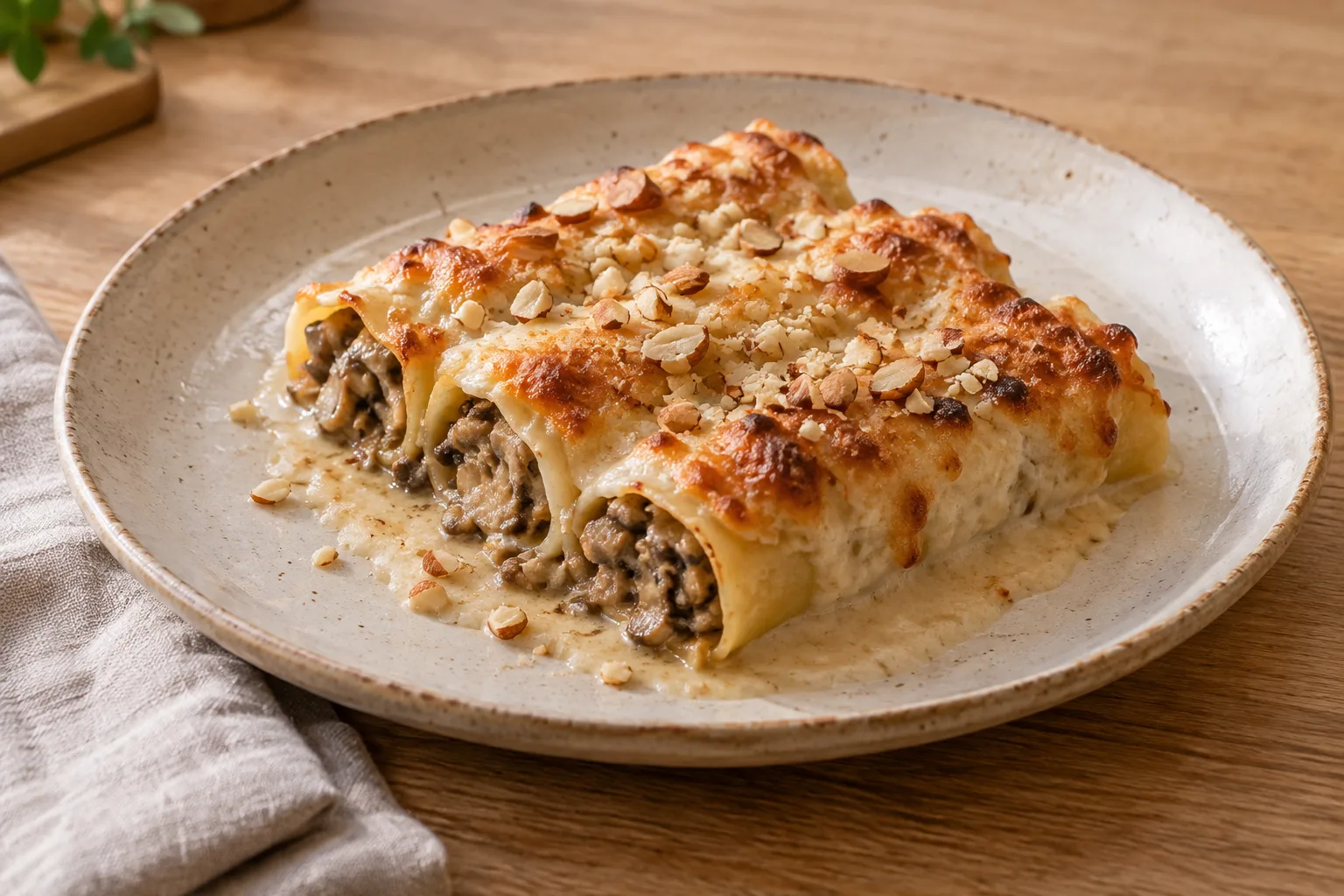
Baked pasta with mushrooms and almonds
Mushroom-filled cannelloni baked in the oven and served with an almond, bread, and broth sauce.
View recipe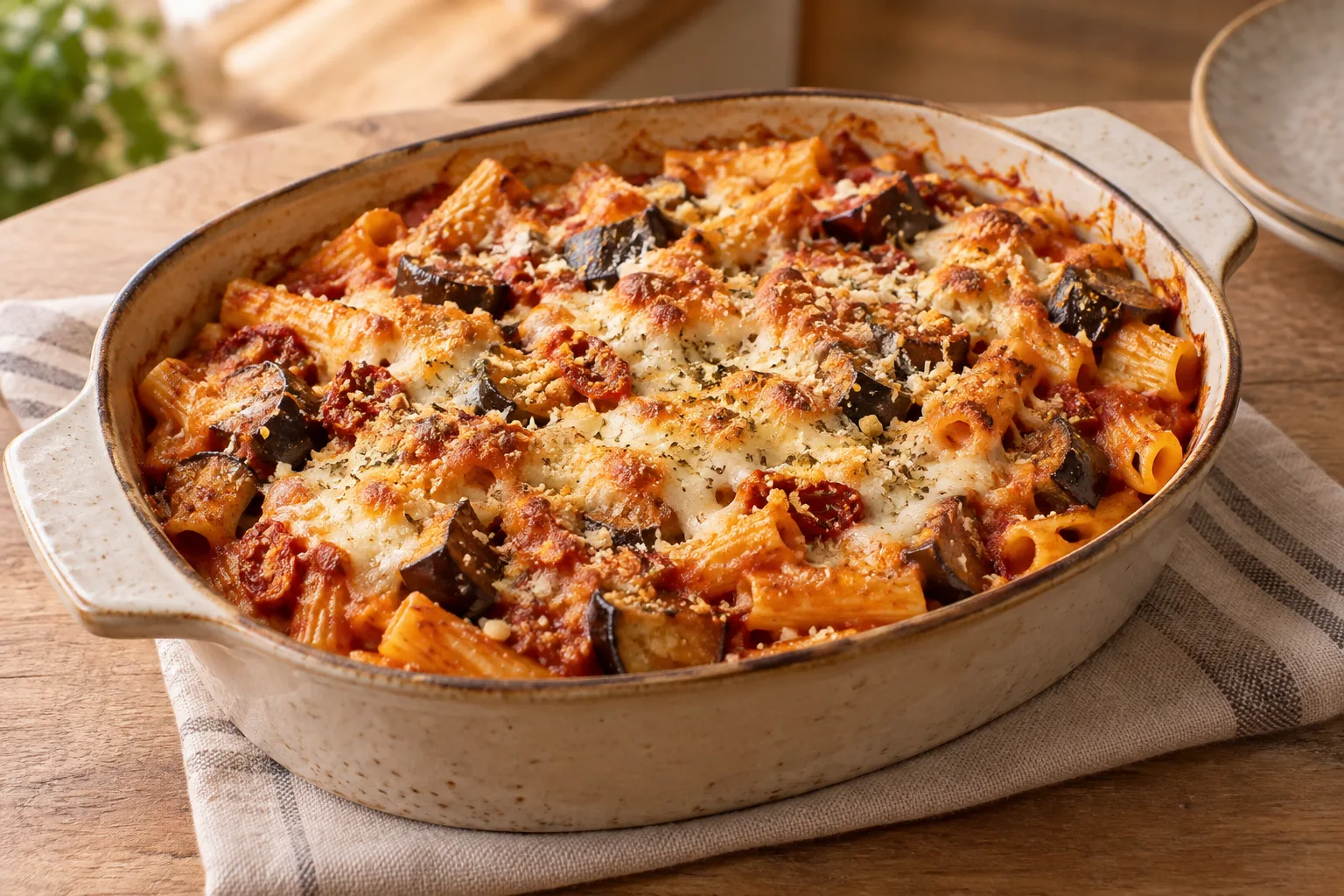
Oven-Baked Pasta with Eggplant and Almonds
Short pasta with roasted eggplant, tomato sauce and almonds, topped with mozzarella and aged cheese and browned in the oven.
View recipe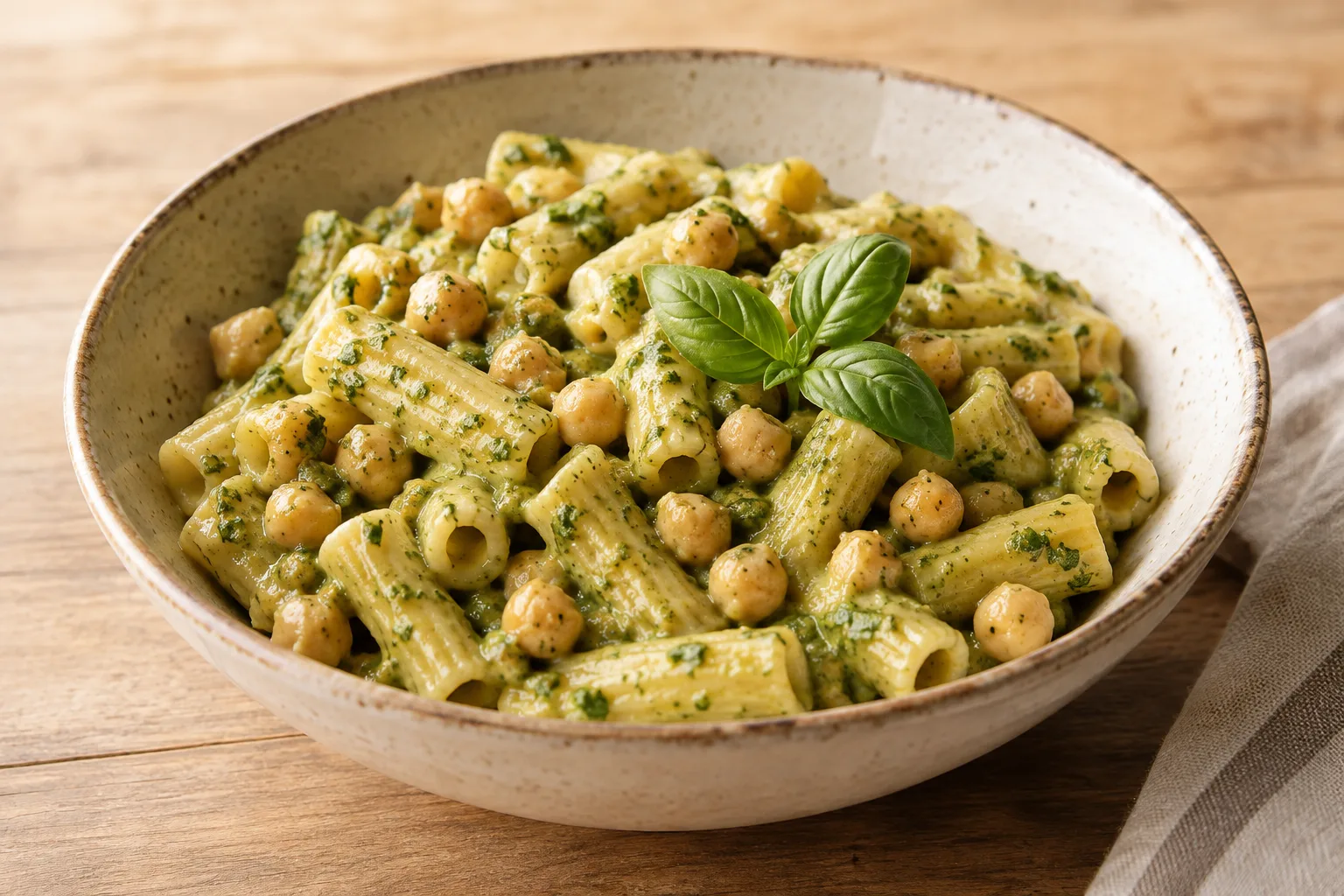
Pasta with Chickpeas and Basil
One-pot pasta with chickpeas and a basil cream. Makes 2 servings.
View recipe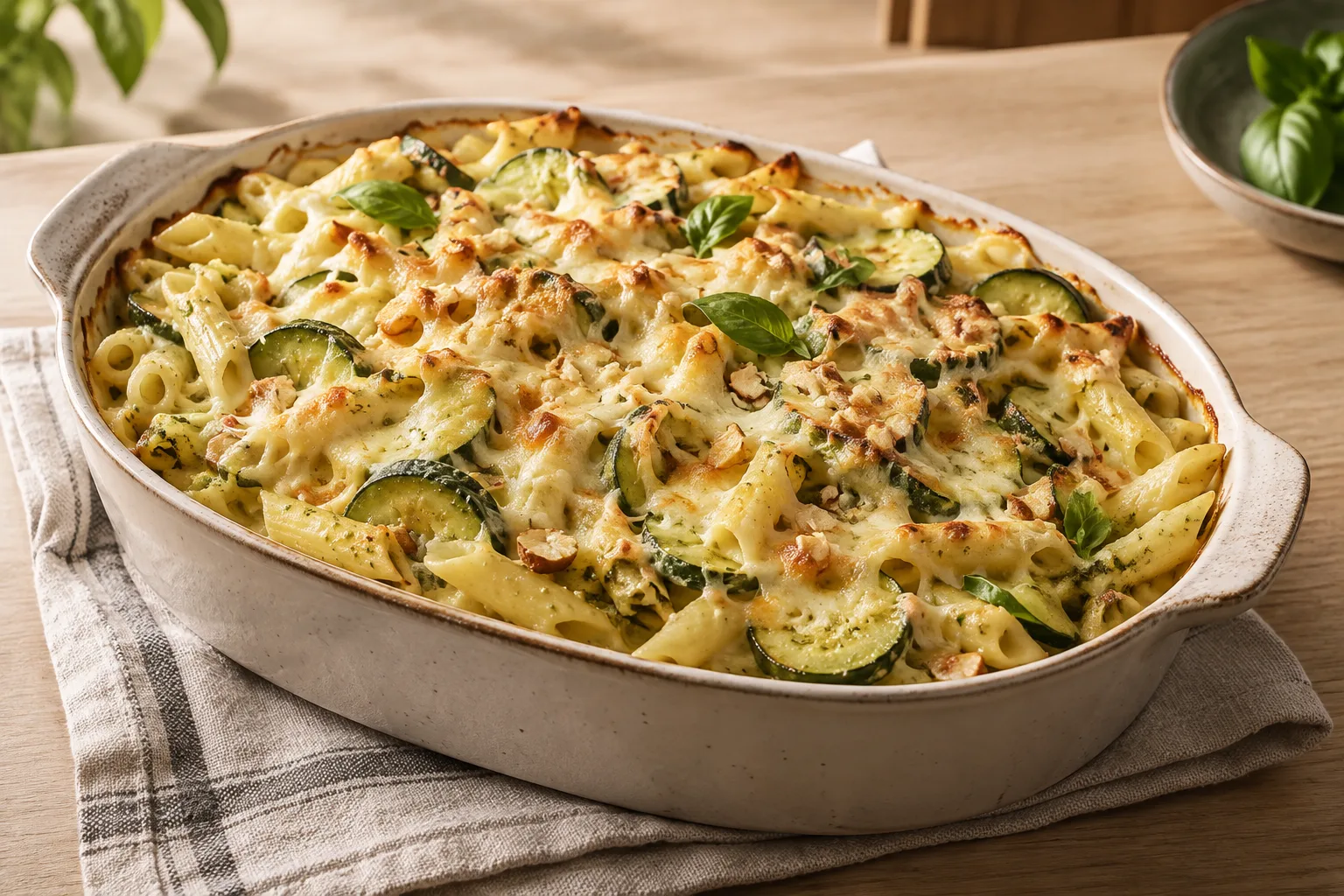
Oven-Baked Pasta with Zucchini and Almonds
Baked pasta with zucchini, an almond and basil cream, and melted cheese, serving 4.
View recipe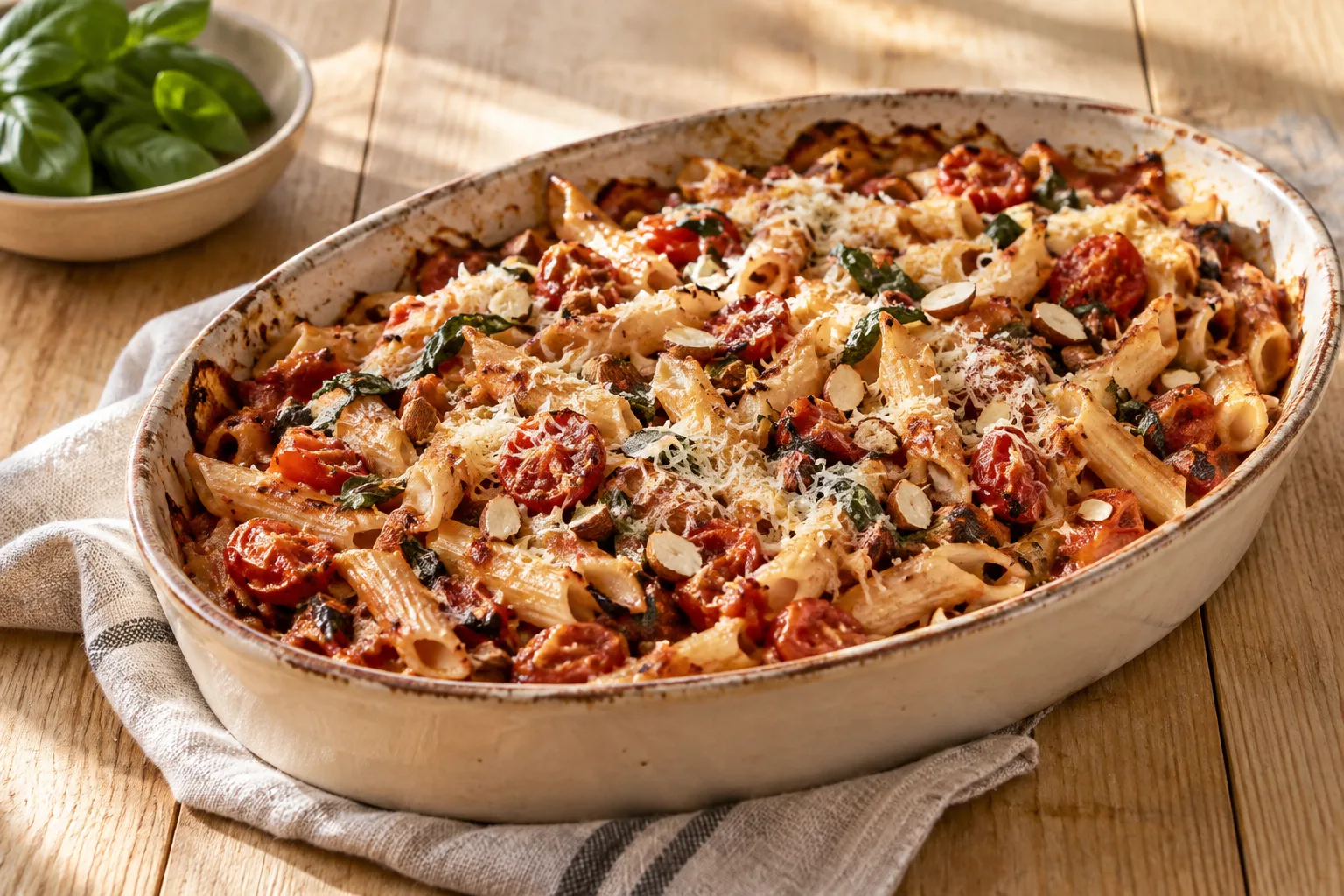
Baked Pasta with Roasted Tomatoes and Almonds
Short pasta with a rustic sauce of roasted tomatoes, almonds, basil, and vinegar, finished with Parmesan and baked in the oven.
View recipe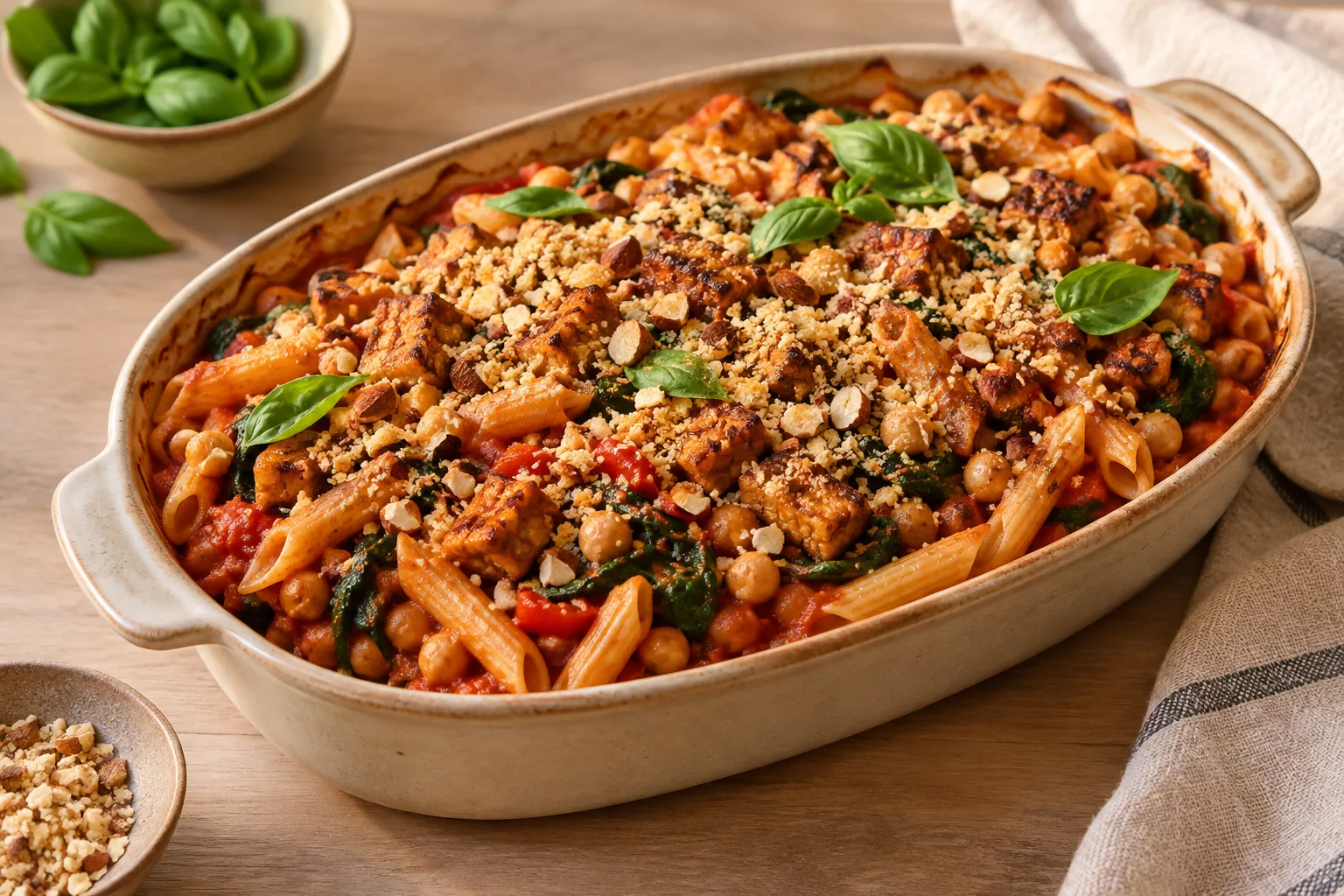
Baked Pasta with Chickpeas and Almonds
Short pasta baked with chickpeas and tomato sauce, topped with browned tempeh and a crunchy almond and nutritional yeast mixture.
View recipe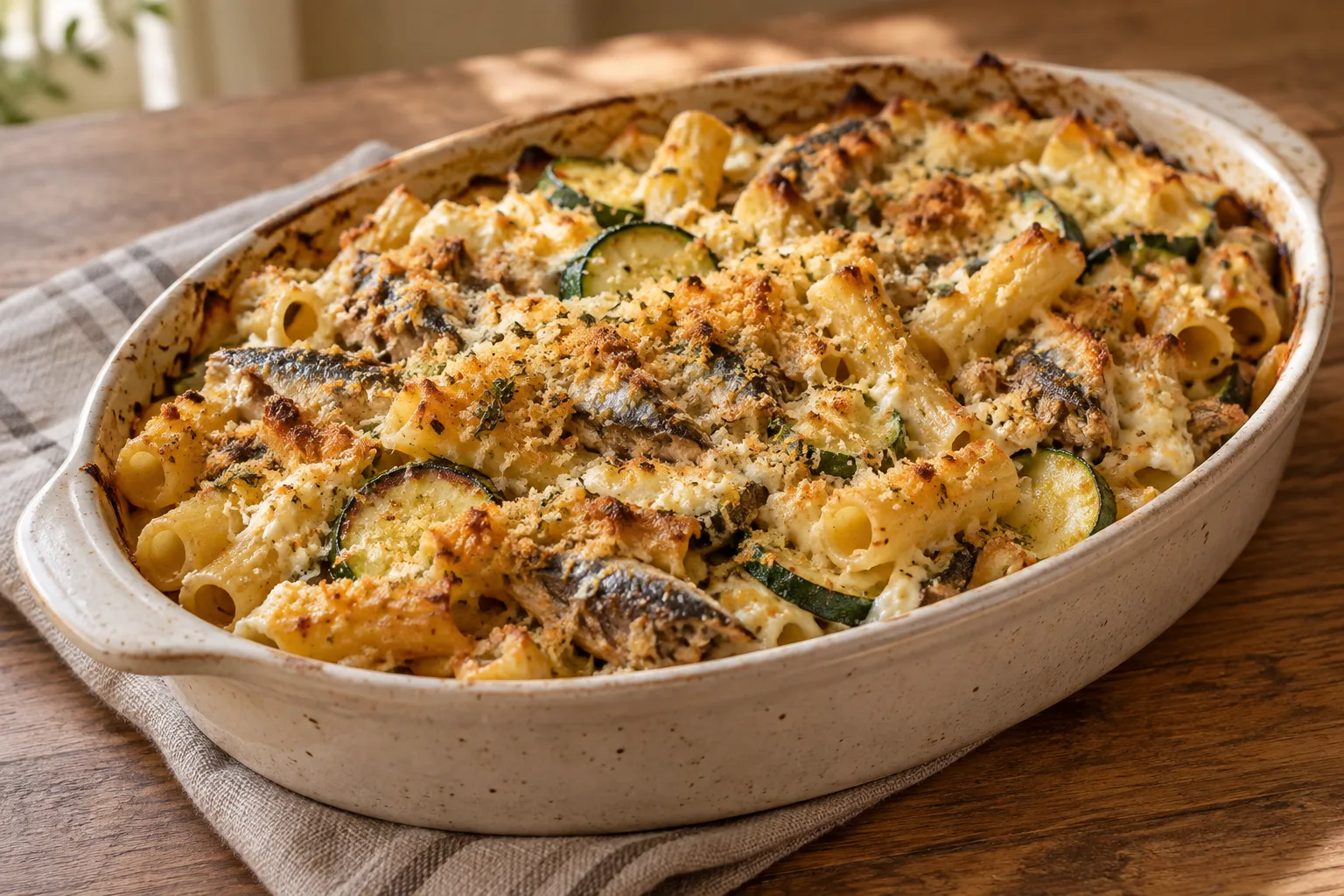
Baked Pasta with Sardines and Ricotta
Baked pasta with canned sardines, ricotta, zucchini, and a golden breadcrumb and Parmesan topping.
View recipe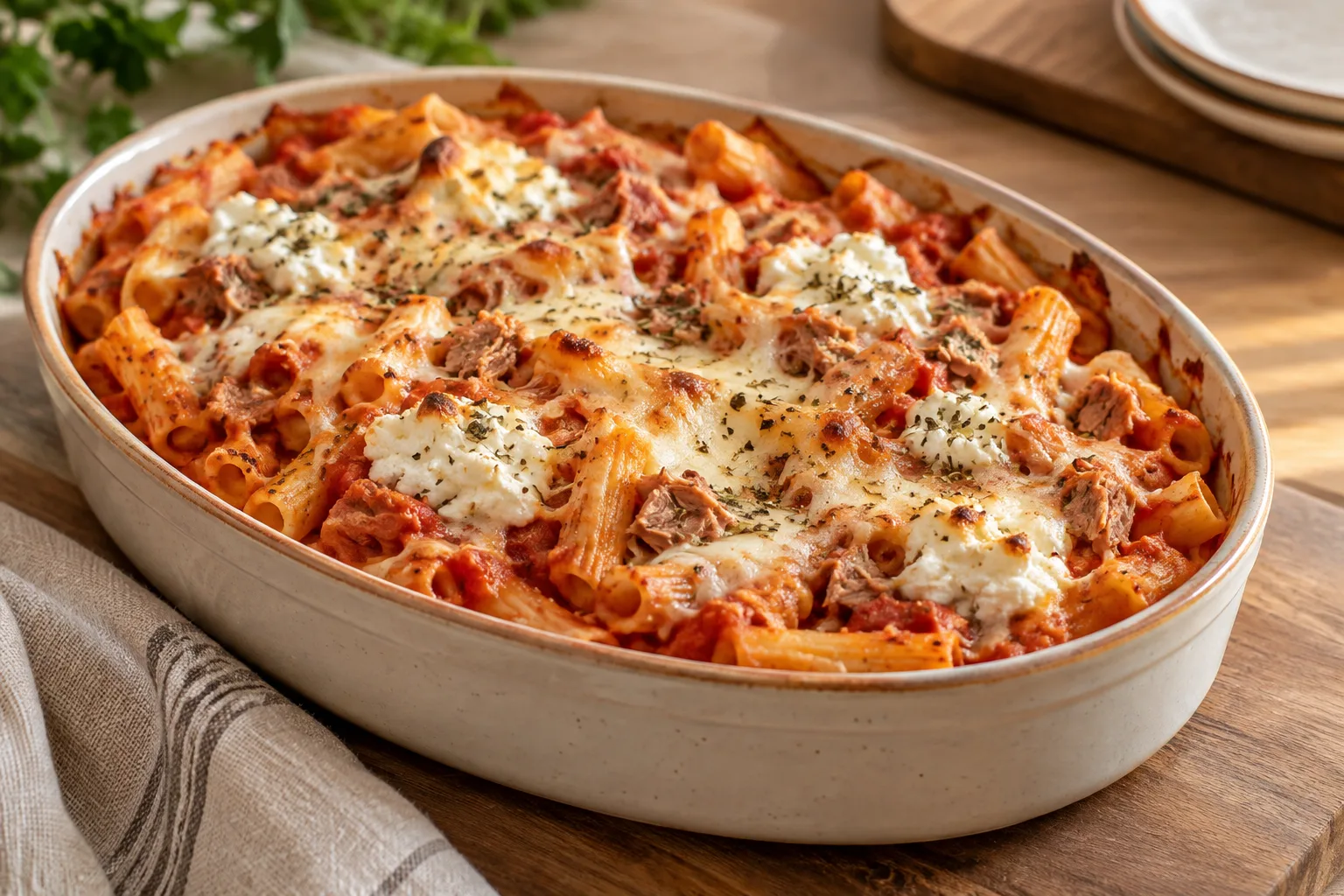
Baked Pasta with Tuna and Ricotta
Short pasta baked with tomato sauce, tuna, ricotta and mozzarella.
View recipe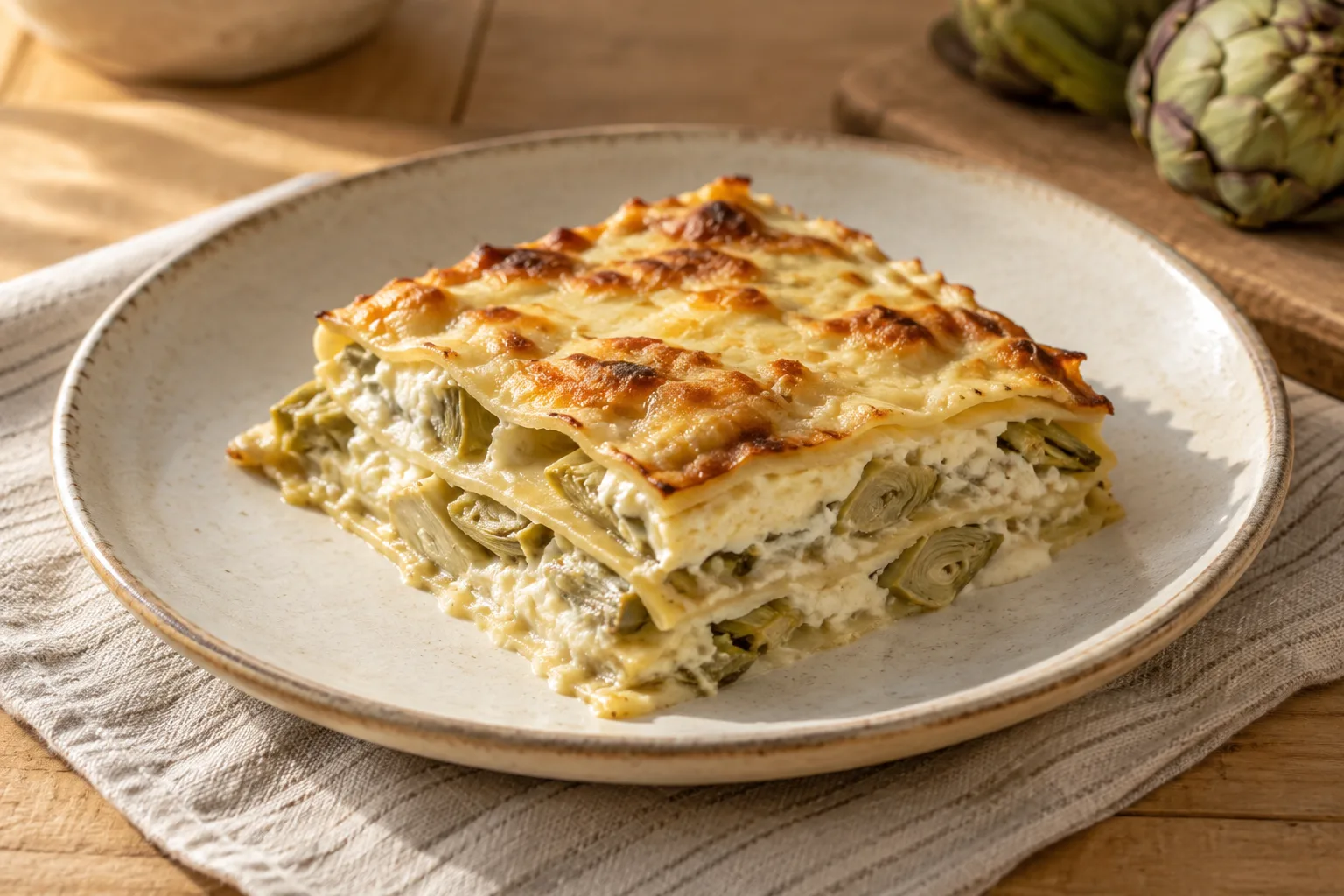
Baked pasta with artichokes and ricotta
A four-layer lasagna with artichoke cream, ricotta, egg, and béchamel.
View recipe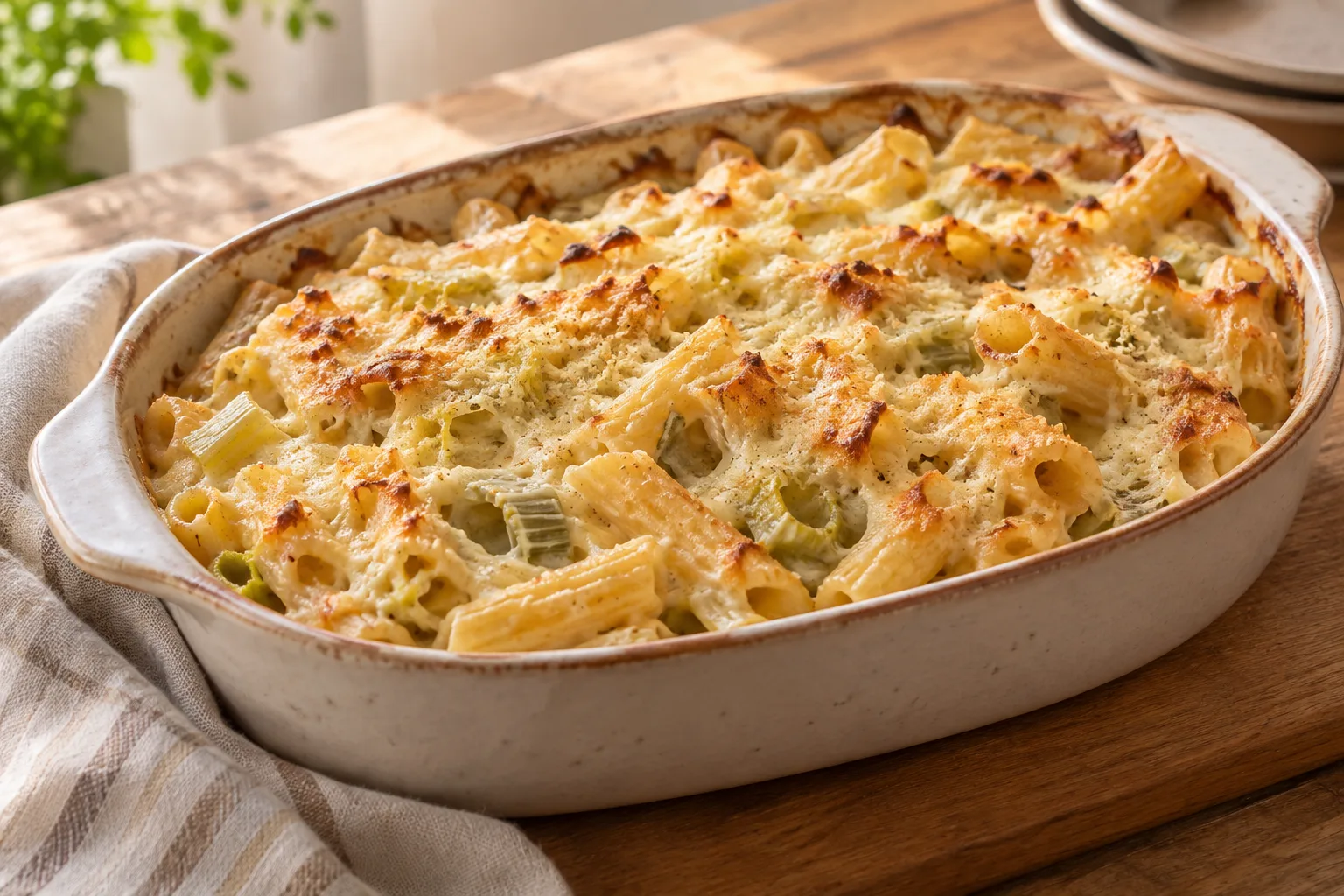
Baked pasta with leek and ricotta
Al dente short pasta mixed with sautéed leek, ricotta and grated cheese, then baked until golden.
View recipe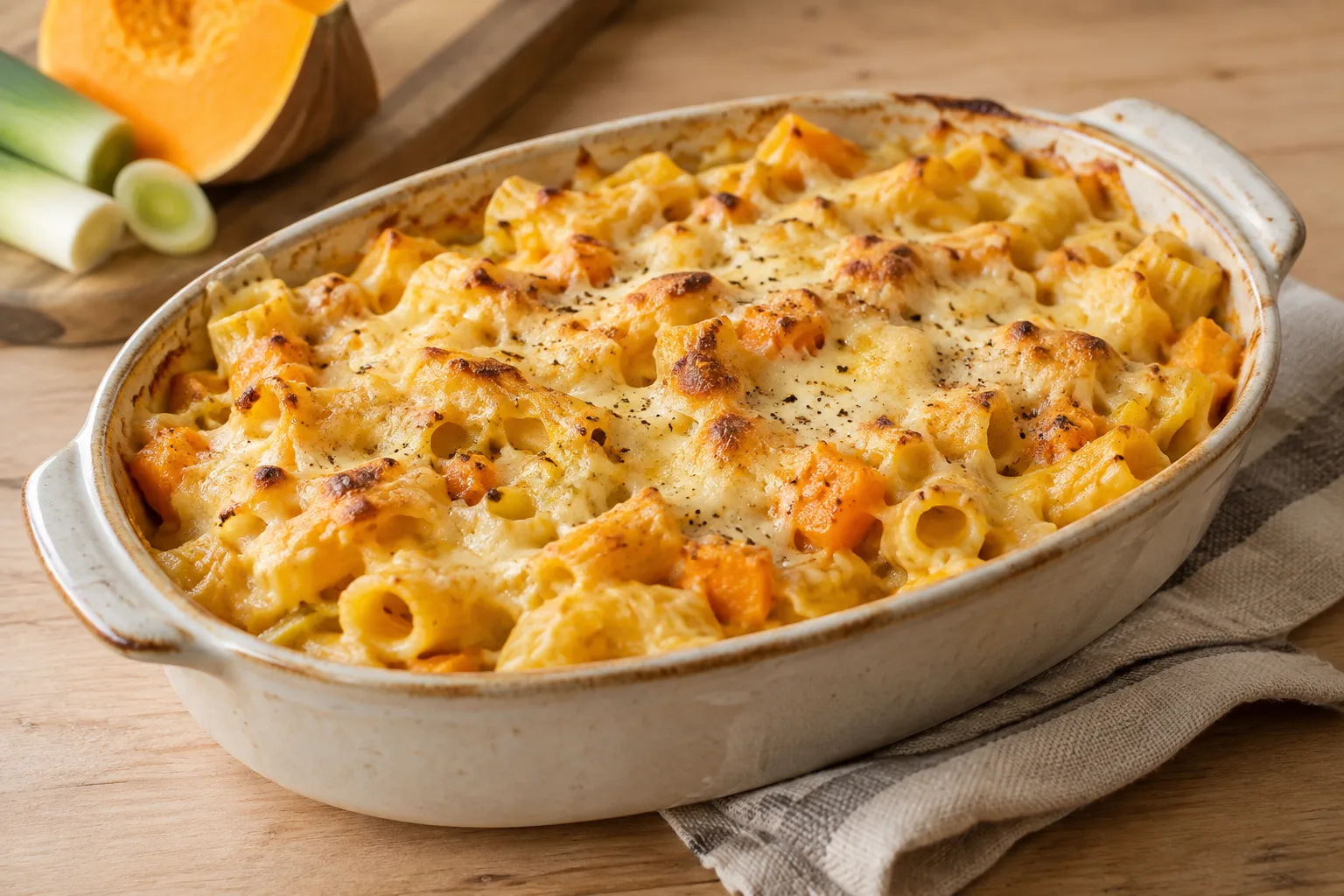
Baked Pasta with Pumpkin and Ricotta
Short pasta tossed with a cream of roasted pumpkin, leek, and ricotta, then finished with cheese for gratinating.
View recipe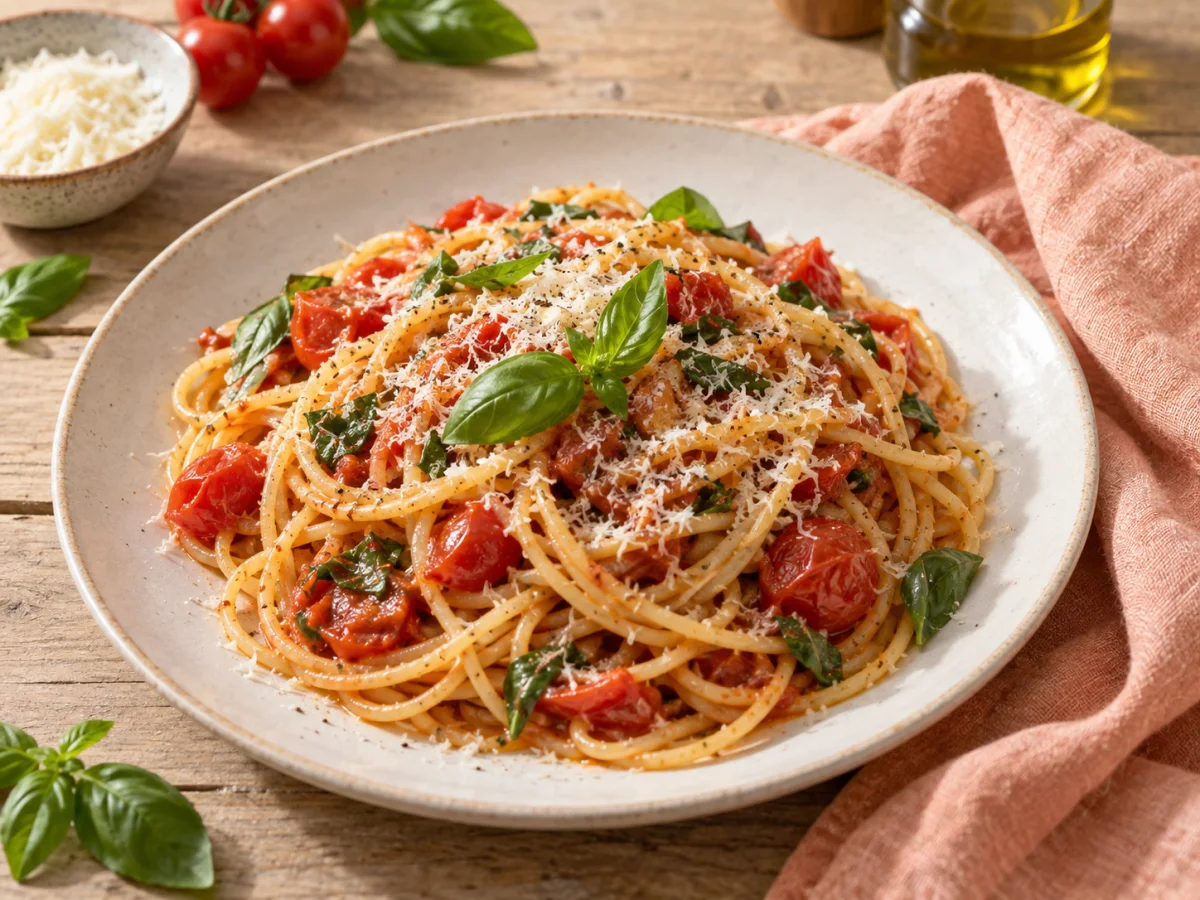
Sources consulted
Read the sources and each document’s scope. A heritage inscription concerns a particular practice, not all of a country’s cuisine.
- INRAN-SCAI 2005-06: gruppi e sottogruppi alimentari www.crea.gov.it/documents/59764/0/3_monografia_inran_scai_2005_06_parte_b2.pdf/c982ce2d-2bdc… CREA / INRAN Consulted: October 31, 2026
- Liguria: piatti, erbe e condimenti www.italia.it/en/liguria/things-to-do/typical-food-and-dishes-in-liguria-italy Italia.it / ENIT Consulted: October 31, 2026
- Toscana: ingredienti e preparazioni www.italia.it/en/tuscany/things-to-do/tuscany-wine-and-food Italia.it / ENIT Consulted: October 31, 2026
- Marroni del Monfenera: harvesting season www.italia.it/en/veneto/things-to-do/italian-chestnuts-marroni-del-monfenera Italia.it / Ministero del Turismo Consulted: October 31, 2026
- Truffles and harvesting seasons in Le Marche www.italia.it/en/marche/things-to-do/tour-of-the-truffle-villages-in-the-marche-region Italia.it / Ministero del Turismo Consulted: October 31, 2026
- Törggelen traditions in South Tyrol www.italia.it/en/south-tyrol/things-to-do/torggelen-traditions-south-tyrol Italia.it / Ministero del Turismo Consulted: October 31, 2026
- INRAN-SCAI 2005-06: riassunto dei consumi alimentari www.crea.gov.it/documents/59764/0/6_riassunto_parte_b_mod_21_2_12.pdf/a5fe8b4f-d545-c90f-c6f… CREA / INRAN Consulted: October 31, 2026
- Italia: frequenze di consumo ISTAT 2024 www.ars.toscana.it/approfondimenti-ns/5650-giornata-mondiale-alimentazione-i-toscani-a-tavol… ARS Toscana / ISTAT Consulted: October 31, 2026
- The National Food Consumption Survey IV SCAI: Nutrient Intakes and Related Dietary Sources in Italy pmc.ncbi.nlm.nih.gov/articles/PMC12787946/ CREA researchers / Nutrients 18(1), 88 Consulted: October 31, 2026
- Mangiare all’italiana miur.mur.gov.it/studiare-in-italia/about/eating.html MIUR / CIMEA Consulted: October 31, 2026
- I tempi della vita quotidiana: tempo dedicato ai pasti, 2013–2014 www.istat.it/it/files/2019/05/ebook-I-tempi-della-vita-quotidiana.pdf ISTAT Consulted: October 31, 2026
- INRAN-SCAI 2005-06: pasti e luoghi di consumo www.crea.gov.it/documents/59764/0/2_monografia_inran_scai_2005_06_parte_b1.pdf/36182c2a-983c… CREA / INRAN Consulted: October 31, 2026
- The networks of ingredient combinations as culinary fingerprints of world cuisines pmc.ncbi.nlm.nih.gov/articles/PMC12635264/ Caprioli et al., npj Science of Food Consulted: November 4, 2026
- Supplementary Information: The networks of ingredient combinations as culinary fingerprints of world cuisines, TableS2 static-content.springer.com/esm/art%3A10.1038%2Fs41538-025-00588-4/MediaObjects/41538_2025_5… Caprioli et al., npj Science of Food Consulted: November 4, 2026
- Linee guida 2018: porzioni standard per adulti www.crea.gov.it/documents/59764/0/LINEE-GUIDA%2BDEFINITIVO%2B%281%29.pdf/3c13ff3d-74dc-88d7-… CREA Consulted: October 31, 2026
- Liguria: preparazioni regionali www.italia.it/en/liguria/things-to-do/11-food-of-liguria Italia.it / ENIT Consulted: October 31, 2026
- INRAN-SCAI 2005-06: organizzazione e congelamento domestico www.crea.gov.it/documents/59764/0/c_monografia_inran_scai_parte_c_appendice_c3.pdf/1107cf51-… CREA / INRAN Consulted: October 31, 2026
- I consumi energetici delle famiglie: elettrodomestici, 2021 www.istat.it/comunicato-stampa/i-consumi-energetici-delle-famiglie-anno-2021/ ISTAT Consulted: October 31, 2026
- INRAN-SCAI 2005–06: vino durante i pasti www.crea.gov.it/documents/59764/0/c_monografia_inran_scai_parte_c_appendice_c1.pdf/a1d7803c-… CREA / INRAN Consulted: October 31, 2026
- Sale e potassio: il consumo in Italia www.cuore.iss.it/prevenzione/progettominisal Istituto Superiore di Sanità / Progetto CUORE Consulted: October 31, 2026
- Spese per consumi delle famiglie, 2025 www.istat.it/comunicato-stampa/spese-per-consumi-delle-famiglie-anno-2025/ ISTAT Consulted: October 31, 2026
- I consumi alimentari delle famiglie: primo semestre 2025 www.ismeamercati.it/flex/cm/pages/ServeBLOB.php/L/IT/IDPagina/13672 ISMEA Mercati Consulted: October 31, 2026
- Spese delle famiglie 2014: piatti pronti www.istat.it/comunicato-stampa/la-spesa-per-consumi-delle-famiglie/ ISTAT Consulted: October 31, 2026
- Annuario dell’agricoltura italiana 2024: cause dello spreco domestico www.crea.gov.it/documents/68457/0/Annuario2024_Vol_LXXVIII.pdf/b47a400c-6516-ce1d-2961-7657a… CREA Consulted: October 31, 2026
- Productos y platos de Emilia-Romaña www.italia.it/en/emilia-romagna/things-to-do/typical-food-and-dishes-in-emilia-italy Ministero del Turismo — Italia.it Consulted: October 20, 2026
- La cultura alimentaria de Campania www.italia.it/en/campania/things-to-do/typical-food-and-dishes-in-campania-italy Ministero del Turismo — Italia.it Consulted: October 20, 2026
- Productos y platos de Sicilia www.italia.it/en/sicily/things-to-do/typical-sicilian-products-dishes Ministero del Turismo — Italia.it Consulted: October 20, 2026