- Category
- Drinks
- State
- Liquid
- Usual unit
- ml
What it is
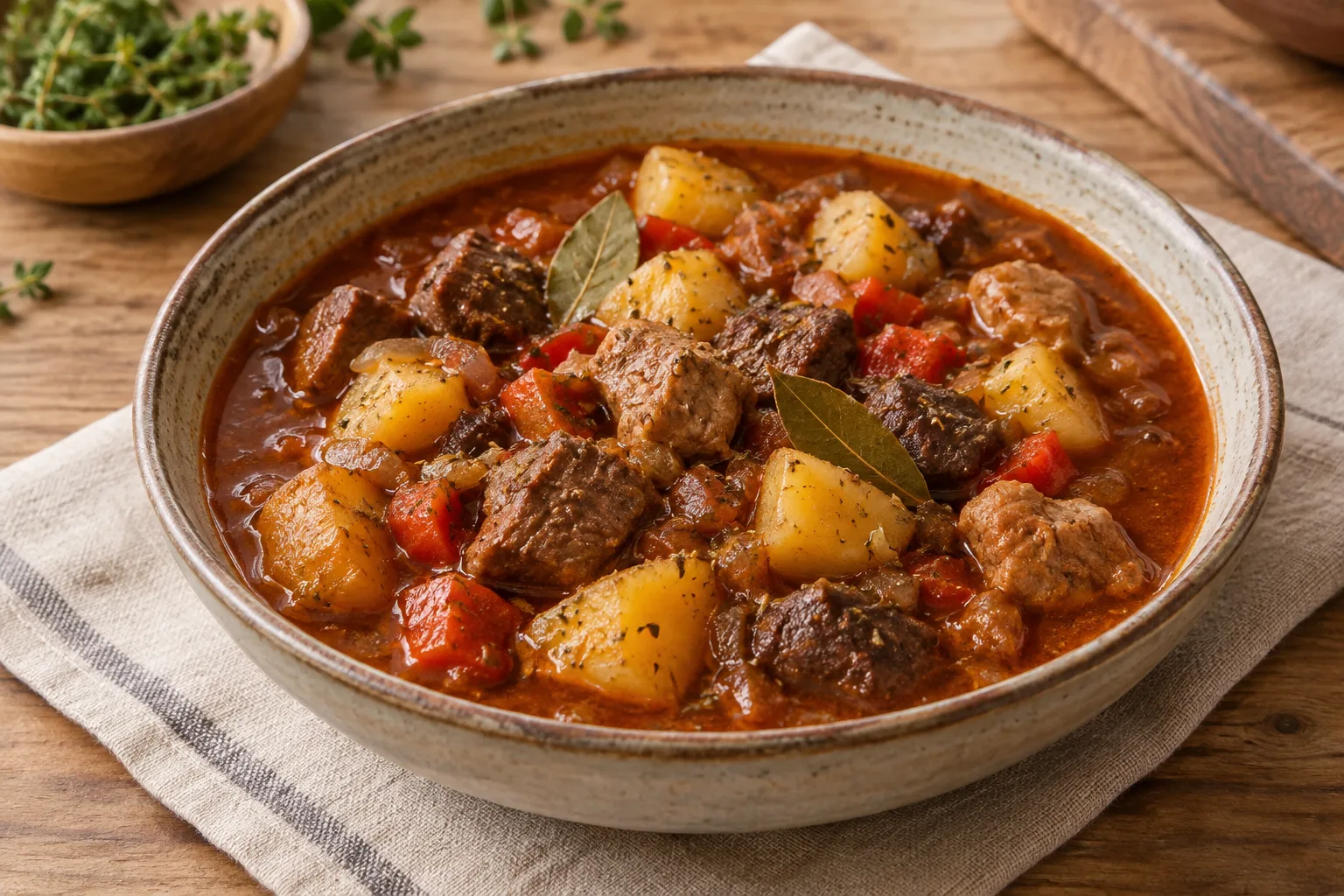
Additional water is water deliberately poured into a recipe, beyond the water already present in its ingredients. It can act as a cooking medium, hydrate flour or other dry foods, form the base of a drink or broth, or thin a mixture. In cooking, water can also transfer heat and help extract soluble substances from ingredients such as vegetables, bones or spices during broth preparation. Water itself generally has no strong culinary flavor, so the other ingredients and the water available will largely shape the finished dish.
When to use it
Add water when a recipe calls for liquid, dry ingredients need hydration, or a mixture needs more volume or a thinner consistency. It can also be used to cook ingredients in liquid, make an infusion or prepare broth. The amount matters: too much can make a preparation watery, while too little may leave ingredients insufficiently hydrated or cooked as intended. Follow the recipe’s proportions, and adjust only when its method allows. For a preparation that specifically calls for acidulated water, plain water will not provide the same acidity.
How to use it
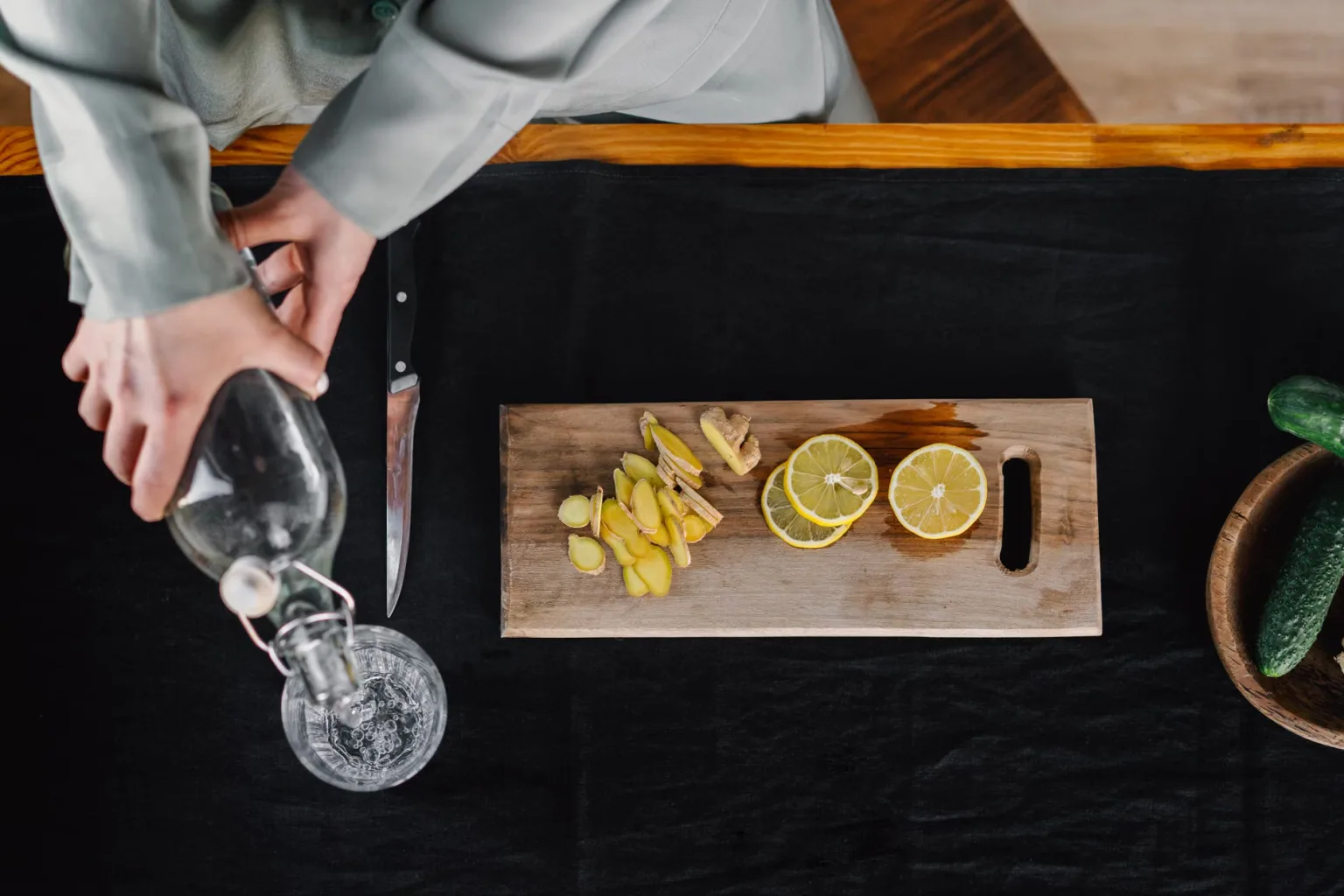
Measure water in a suitable liquid measure and add the amount specified by the recipe. To hydrate dough or another dry ingredient, add it gradually if you need to control the consistency; flour absorbs water as dough is made. For cooking or broth, use water as the cooking liquid and add ingredients that provide the desired flavor. In drinks and infusions, water is the base and can extract soluble components from the ingredients. If a recipe calls for acidulated water, it means water mixed with a small amount of acid, such as citrus juice or vinegar; use plain water only if that acidity is not needed.
Flavour and texture
Water usually contributes little flavor of its own, although its mineral characteristics can influence how some preparations are perceived. Its clearest effect is on texture and concentration: it hydrates dry ingredients, thins mixtures and provides the liquid medium for cooking or extracting soluble components. Adding water can make the flavors of other ingredients seem milder.
How to choose it
Choose water that is safe to drink and suitable for food use. If buying bottled water, check that the container is intact and sealed, and read the label for its product name and any storage or use directions. A specific mineral profile is not necessary for an ordinary recipe unless the recipe states otherwise. For consistent results, use the same type of water each time, especially when the finished flavor is sensitive to differences.
Storage
Keep water in a clean, food-grade container with a secure lid to reduce the risk of contamination. Follow the storage instructions on the label if using bottled water. There is no universal storage period that can be inferred for every kind of water and container; do not use water from damaged packaging or water whose appearance or smell has changed unexpectedly.
Substitutions
Unsalted broth can replace some water when a more savory result is wanted and the recipe allows the change. Milk may suit some preparations if its flavor and texture fit, but it adds different qualities. Neither option is as neutral as water, so consider the effect on flavor and consistency before substituting.
Common mistakes
Adding all the water at once can make consistency harder to control, especially in dough. More water than specified can dilute flavor or change texture; too little may leave dry ingredients inadequately hydrated. Do not assume broth or milk is a neutral replacement: each changes the character of the preparation.
Safety and allergens
Use water that is safe to drink and a clean, food-grade container with a secure lid. If local authorities issue a water-safety notice, follow their directions and do not use the water for cooking until it is considered safe.
Culinary uses
- Hydrating flour and other dry ingredients
- Liquid base for cooking, drinks, broths and infusions
- Diluting mixtures and adjusting consistency
Recommended techniques
- Hydration
- Boiling and simmering
- Dilution
- Extraction by infusion
Pairs well with
- Flour and bread dough
- Coffee and tea
- Grains, vegetables and broth ingredients
Frequently asked questions
What does additional water mean in a recipe?
It is water deliberately added to a preparation to hydrate, cook or dilute ingredients, or to provide a liquid base.
Can I replace water with broth?
Yes, when the recipe allows it and you want to add flavor. Broth is not neutral; choose unsalted broth if you need to control saltiness.
How should I store water for cooking?
Keep it in a clean, food-grade container with a secure lid, and follow the label’s directions when applicable.
Ingredient allergens
Allergen listThere are no verified associations for these ingredients yet.
Sources and review
Automatically researched, cross-checked and validated content. Sources consulted:
- En el etiquetado alimentario hay algunas menciones que son obligatorias eletiquetadocuentamucho.aesan.gob.es/obligatoria.html
- Client Challenge doi.org/10.2307/jj.27939689.16
- The Essential Glossary of Cooking Terms for the Culinary Arts - Escoffier www.escoffier.edu/blog/culinary-arts/the-essential-glossary-of-cooking-terms-for-the-culinar…
- El agua como ingrediente esencial en la gastronomía: ciencia, territorio y sostenibilidad - Blog UNE www.universidad-une.com/blog/agua-en-gastronomia/
- | National Center for Home Food Preservation nchfp.uga.edu/how/can/tomatoes-and-tomato-products/
- Guía de aplicación ANFABRA www.aesan.gob.es/eu/dam/jcr:3f4b8338-5aeb-4747-9243-b317737d7de0/APPCC_Informe_ANFABRA_22.pd…
- 2026/2027 Catering Menu - Auxiliary Services - Fresno State auxiliary.fresnostate.edu/association/dining/documents/2026-27-catering-menu.pdf
- 10'x10' $75 Food Truck 10' x 16' $125 Double Booth 10' x 2 hallmark.edu/wp-content/uploads/2025/02/Fiesta-in-the-Hills-Food-Vendor-Information-2025.pdf
- » El Agua es el ingrediente secreto que da sabor a tus platos www.acquajet.com/blog/97-el-agua-es-el-ingrediente-secreto-que-da-sabor-a-tus-platos/
- Water Activity and its Role in Food Preservation (March 2025) | UC Master Food Preserver ucanr.edu/program/uc-master-food-preserver-program/article/water-activity-and-its-role-food-…
- Selecting and Serving Produce Safely | FDA go.unl.edu/handlinggroceries
- "Determination of home techniques for storing and conserving food in th" by Marisol Caicedo Barrios scholarsarchive.byu.edu/etd/5338/
- Storing Water | USU extension.usu.edu/preserve-the-harvest/research/storing-water
- La Influencia del Agua en la Gastronomía Global – Almar almarwater.com/es/la-influencia-del-agua-en-la-gastronomia-global/