- Category
- Other
- State
- Powdered
- Usual unit
- Variable
What it is
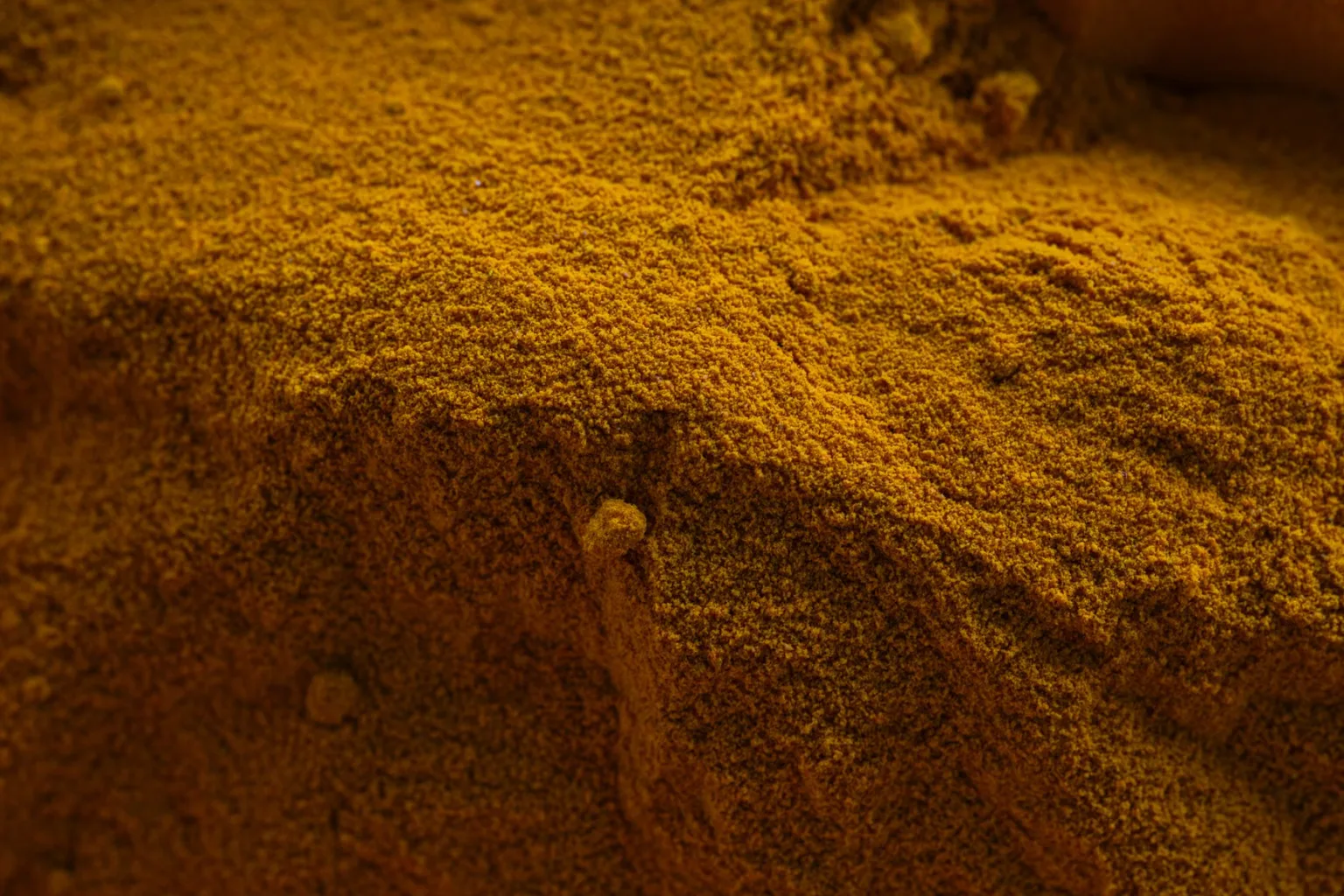
Agar agar powder is a gelling ingredient obtained from red algae. In cooking, it is used to thicken liquids and set sweet or savory preparations, and it is also sold as flakes, strands, or bars. Powder is a concentrated, convenient form, but the amount needed depends on the product and recipe. It is not intended to add a noticeable flavor to a dish. Agar is not identical to animal gelatin: its setting characteristics can vary with the algae used and the commercial form. For that reason, follow the package directions rather than transferring a measurement from one form or product to another. It is useful in both molded dishes and other preparations where a thickened or gelled texture is wanted.
When to use it
Use agar when you want to set a liquid or hold ingredients together in a molded preparation, whether sweet or savory. Possible uses include fruit jellies, preserves, vegetable aspics, and other dishes where a set texture is desired. It can also be added to liquids for thickening. Agar can be used in acidic preparations, although the result depends on the recipe and the product. Do not assume that every mixture will set in the same way, particularly a fatty mixture. If the texture matters, check the product directions and make a small test batch before preparing a larger quantity. Choose the method and amount for the specific product rather than relying on a universal ratio.
How to use it
Measure the powder using the package directions, since the amount varies with the product and recipe. Add it to the liquid and stir so it is distributed evenly; when the recipe calls for heat, heat the mixture as directed on the package and keep it moving. One aspic recipe in the supplied material boils broth with agar for two minutes, but that timing should not automatically be applied to every product. Pour the mixture into a mold or over the ingredients to be set, then let it set using the method specified by the recipe. Agar is also used in preparations served hot, so not every application depends on the same chilled result. Adjust the process to the intended texture, and do not swap in another agar form without checking its directions.
Flavour and texture
Agar is used mainly for its thickening and setting ability, rather than as a strong flavoring. Culinary descriptions indicate that it can form a gel without adding a noticeable taste. The result depends on the type of agar, its commercial form, and the recipe: a preparation may be thickened or set firmly enough to hold its shape when unmolded. Powder is a concentrated form, but there is no single ratio that applies to every brand and dish. Use the product instructions to guide the texture you want.
How to choose it
Choose a product clearly intended for food use, and check whether it is powder, flakes, strands, or bars; these forms should not be measured as though they were identical. Read the label for ingredients, preparation directions, and the maker's suggested amount. Agar comes from red algae, but the species used can differ between products and may affect its setting characteristics. If a recipe needs a particular result, choose a product with clear directions and use those directions as your reference rather than relying on a generic measurement.
Storage
The information available here does not establish a shelf life or specific storage conditions for agar powder. Follow the storage directions on the package and close it between uses. Do not assume that storage instructions for a prepared agar dish also apply to the dry ingredient; the two may have different requirements. If the package gives guidance about moisture, temperature, or a use-by date, follow that information rather than applying a universal rule.
Substitutions
Agar is sold as powder, flakes, strands, and bars, but these forms are not interchangeable measure for measure. If changing forms, use the package directions to adapt the preparation. Animal gelatin also forms gels, but the available information does not provide an equivalent conversion or guarantee the same result in every recipe. Do not make a direct swap without a recipe-specific conversion.
Common mistakes
A common mistake is using the same measure for powder, flakes, and strands as if they had identical concentration. A preparation may also fail if the agar is not distributed through the liquid or if the product's heating directions are ignored. Do not assume every mixture, especially a fatty one, will behave in the same way. To reduce the chance of an unexpected texture, follow the label and test a small amount first.
Safety and allergens
Use agar intended for food and follow the package directions. The information available here does not establish a universal dose or a specific food-safety warning for this ingredient. Avoid guessing at quantities, and do not use a product unless its label identifies it as suitable for cooking.
Culinary uses
- Gelling agent for sweet and savory preparations
- Thickener for liquids and mixtures
Recommended techniques
- Whisk into a hot liquid and heat according to the product directions
- Pour into a mold and allow the preparation to set
Pairs well with
- Vegetable broth and mixed vegetables
- Fruit preparations such as peach jelly or orange marmalade
Frequently asked questions
What is agar agar made from?
It is obtained from red algae and is sold in several forms, including powder, flakes, strands, and bars.
Can agar powder be used in savory dishes?
Yes. It can thicken or set sweet and savory preparations, including vegetable aspics made with broth.
Can I measure agar flakes as if they were powder?
Do not assume the measurements are equivalent. Follow the directions for the particular form of agar you have.
Ingredient allergens
Allergen listThere are no verified associations for these ingredients yet.
Estimated nutrition
- Fat
- 0 g
- Saturates
- 0 g
- Carbohydrate
- 100 g
- Sugars
- 0 g
- Fibre
- 100 g
- Protein
- 0 g
- Salt
- 0 g
Sources and review
Automatically researched, cross-checked and validated content. Sources consulted:
- Romanica Olomucensia : «¿Qué pinga es esto?». Usos disfemísticos en el español de Cuba doi.org/10.5507/ro.2021.007
- The Essential Glossary of Cooking Terms for the Culinary Arts - Escoffier www.escoffier.edu/blog/culinary-arts/the-essential-glossary-of-cooking-terms-for-the-culinar…
- moleculares muy diferentes, así los geles se clasifican en: dspace.espoch.edu.ec/bitstream/123456789/11368/1/84T00517.pdf
- Locos por el agar www.afuegolento.com/articulo/locos-el-agar/2774/
- Agar-agar - Anónimo www.ecured.cu/index.php?direction=prev&oldid=3438008&title=Agar-agar
- Agar agar, gelificante vegetal | Gastronomía & Cía www.gastronomiaycia.com/agar-agar-gelificante-vegetal/amp/
- Antibiotic Usage | Herman Lab | Nebraska hermanlab.unl.edu/antibiotic-usage/
- Materials List gsoutreach.gs.washington.edu/files/materials_list_worm_prep_gem516.pdf
- Procedimiento operativo estándar de Cebo para Hormigas ... ucanr.edu/media/325409
- Sulfur Fact Sheet npic.orst.edu/factsheets/sulfurgen.html
- nano-dispersed systems for treatment www.journals.uc.edu/index.php/JALCA/article/download/3319/2570