- Category
- Nuts and seeds
- State
- Dry
- Usual unit
- cup
What it is
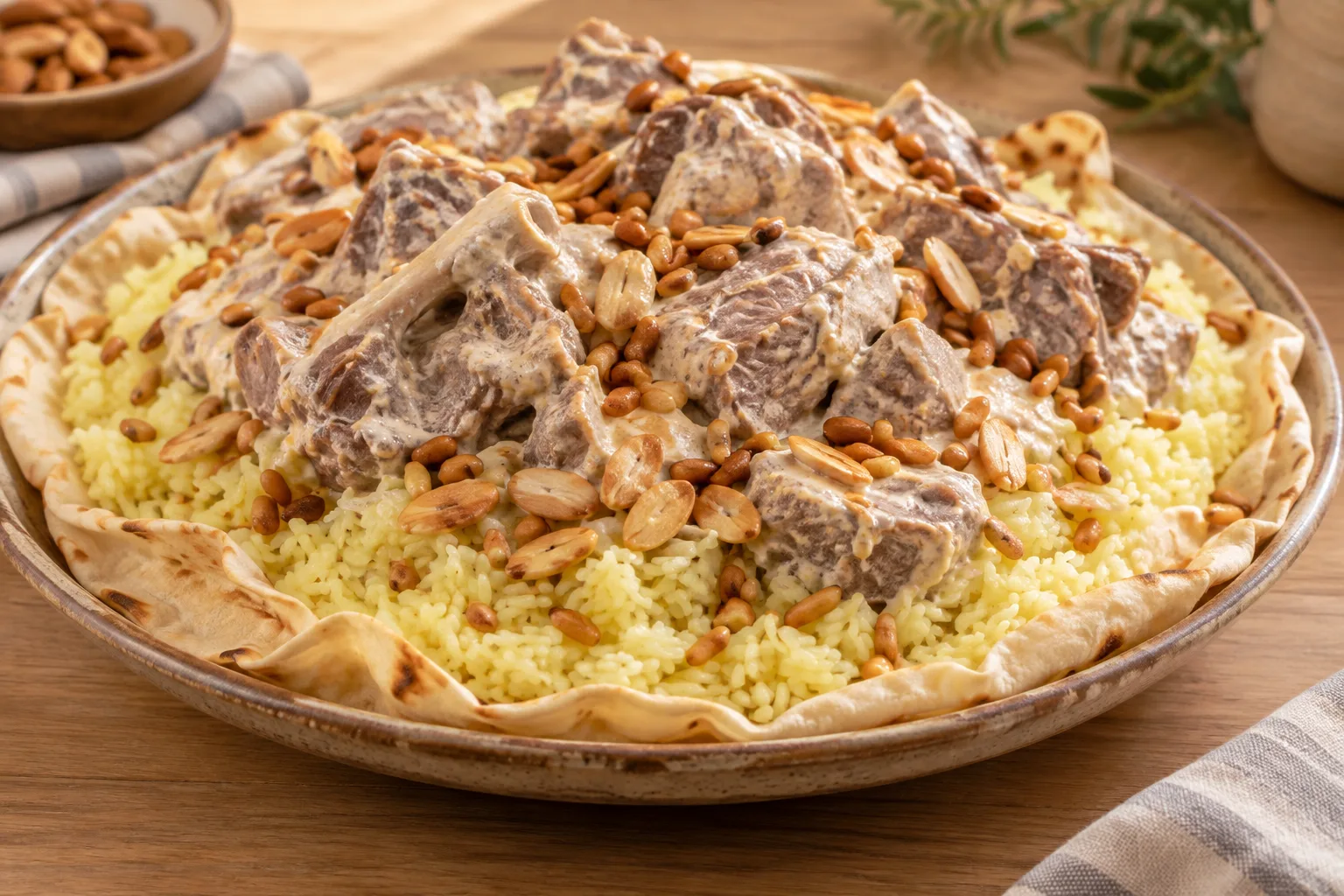
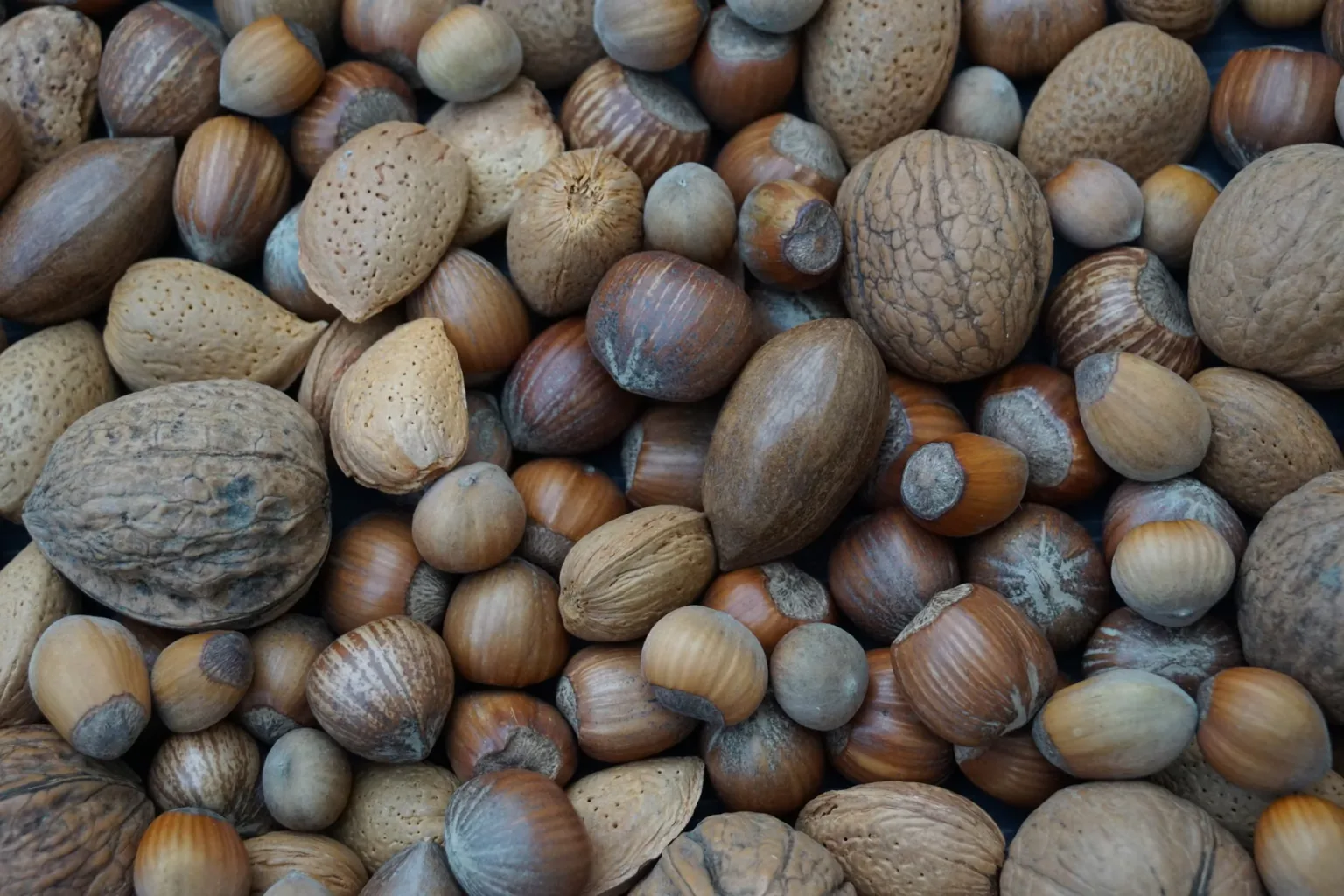
Almonds and pine nuts are edible ingredients commonly grouped with culinary nuts and seeds. An almond is the seed of the almond tree; a pine nut is the edible seed found in the cones of certain pine species. They can be used whole, chopped or ground, and this profile focuses on their usual dry form. Although they share some kitchen uses, they are not identical: almonds have a firmer bite and can be toasted or ground, while pine nuts are small, tender and buttery in texture. Both work in sweet and savory cooking, but choose between them according to the flavor and texture you want.
When to use it
Choose pine nuts when you want a tender, buttery accent in pesto, pasta or salads; they can also appear in some desserts. Almonds are useful when you want a firmer bite, need texture in a baking preparation, or want an ingredient that can be ground into a chilled soup. Both add texture and a mild flavor that can accompany herbs, olive oil, cheese or fruit. They do not give the same result, so decide whether the dish needs a firmer crunch or a softer, richer finish.
How to use it
Use almonds and pine nuts whole, chopped or ground, according to the texture a recipe needs. For pesto, crush or blend pine nuts with basil, garlic, olive oil and hard cheese. You can also scatter pine nuts over pasta or salad. Chop almonds for baking preparations, or toast them before adding if you want a more pronounced texture. For a chilled almond soup, grind the almonds with the other ingredients and serve with grapes if the recipe calls for them. Add these ingredients gradually and taste as you go, since they can change a dish’s texture and balance of flavors.
Flavour and texture
Pine nuts have a delicate, mildly sweet, buttery flavor and a tender texture. Almonds offer a firmer bite and a mild taste that can become more pronounced when toasted. Variety, size and processing affect the result, so differences between products are normal. An unpleasant smell or distinctly bitter taste may indicate a loss of quality; do not use the product if it shows clear signs of deterioration.
How to choose it
Choose sealed packages and check that the product looks clean, with no visible moisture or damage. Check the date and package directions, especially when buying in bulk or using an opened pack. Pine nuts can differ in shape and price according to type and origin, so read the label rather than assuming they are all alike. Buy an amount you can store properly and use while it retains a pleasant aroma.
Storage
Keep dry almonds and pine nuts in a tightly closed container in a cool, dry place away from light. Air, moisture and heat can reduce quality and encourage a rancid flavor. After opening, reseal the package after each use and check the aroma before adding the ingredient to food. Follow any specific storage directions on the label, since product forms and processing can vary.
Substitutions
In many sweet or savory recipes, pine nuts can be replaced with other nuts or edible seeds. Almonds are one option, but they give a firmer texture and a different flavor. Cashews or macadamias can also work in some preparations, although they do not reproduce pine nuts’ exact buttery texture. Adjust the amount to suit the dish and consider allergies before making a substitution.
Common mistakes
A common mistake is treating almonds and pine nuts as if they had the same texture: almonds are firmer, while pine nuts are more tender. Do not leave packages open or store them near heat or light, as their quality can deteriorate. Before substituting one for the other, consider how the change will affect both the flavor and texture of the dish.
Safety and allergens
Pine nut allergies can occur. If you have a known allergy to pine nuts, avoid eating them and check package information. If you suspect an allergic reaction, seek medical advice; for severe symptoms, get emergency help.
Culinary uses
- Add texture and a mild, rich flavor to savory dishes
- Use in sauces, baking and desserts
Recommended techniques
- Crush or grind pine nuts with other ingredients for sauces such as pesto
- Chop or toast almonds before adding them to a dish
Pairs well with
- Pine nuts with basil, garlic, olive oil and hard cheese
- Almonds with grapes in chilled soup and with pastry preparations
Frequently asked questions
Are pine nuts seeds or nuts?
Botanically, they are edible seeds from certain pine species. In cooking, they are often grouped with nuts.
Can I use almonds instead of pine nuts?
In many sweet or savory recipes, yes, but almonds give a firmer texture and a different flavor.
How can I tell if pine nuts have gone rancid?
An unpleasant smell or distinctly bitter taste can indicate a loss of quality. Do not use them if you notice these changes.
Ingredient allergens
Allergen listDocumented presence
-
Tree nuts
Almonds and pine nuts
Estimated nutrition
- Fat
- 55.5 g
- Saturates
- 4.15 g
- Carbohydrate
- 18.8 g
- Sugars
- 4.43 g
- Fibre
- 10.3 g
- Protein
- 21 g
- Salt
- 0.02 g
Sources and review
Automatically researched, cross-checked and validated content. Sources consulted:
- Client Challenge doi.org/10.2307/jj.27939689.16
- The Essential Glossary of Cooking Terms for the Culinary Arts - Escoffier www.escoffier.edu/blog/culinary-arts/the-essential-glossary-of-cooking-terms-for-the-culinar…
- Pesto - Wikipedia, la enciclopedia libre es.wikipedia.org/wiki/Pesto
- Piñones: origen, propiedades, usos en la cocina y 21 recetas para usar uno de los frutos secos más queridos (y caros) del mercado www.directoalpaladar.com/ingredientes-y-alimentos/pinones-origen-propiedades-usos-cocina-21-…
- Piñones: qué son, origen, beneficios y usos culinarios bonviveur.com/es/noticias/pinones
- Comité Científico aesan.gob.es/dam/jcr:a7c4e553-46f5-4def-9ede-b6d1e19b3948/comite_cientifico_42.pdf
- - YouTube www.youtube.com/watch?v=IRv0BI9CJgA
- ¿Por qué consumir piñones? Descubre sus beneficios y usos meditts.com/propiedades-pinones/?srsltid=AYCX9vJzqiXL9OCsge7lbhZb5b2Jo3gtiw_oJk5C6X5O3mvjELQ…
- Frutos secos: nombres, variedades y lista completa somoscorbera.com/blog/frutos-secos-nombres-variedades-lista-completa/?srsltid=AYCX9vLFTfYmWt…
- Piñones de almendra, una receta para chuparse los dedos www.rtve.es/play/videos/aqui-la-tierra/pinones-almendra-receta/6703588/
- Allergies - Food Safety - European Commission food.ec.europa.eu/food-safety/campaign-2026/allergies_en