- Category
- Herbs and spices
- State
- Powdered
- Usual unit
- pinch
What it is
Asafoetida is a spice made from a plant resin associated with Ferula species. It is sold as a powder and can also be found as resin; this guide focuses on the powdered form. Its raw smell is notably strong and sulfurous, while cooking softens the aroma and brings out flavors reminiscent of cooked garlic or onion. Some powdered products are blends containing ingredients such as rice flour, wheat flour or gum arabic, so check the label. Use it sparingly as a seasoning rather than as a main ingredient.
When to use it
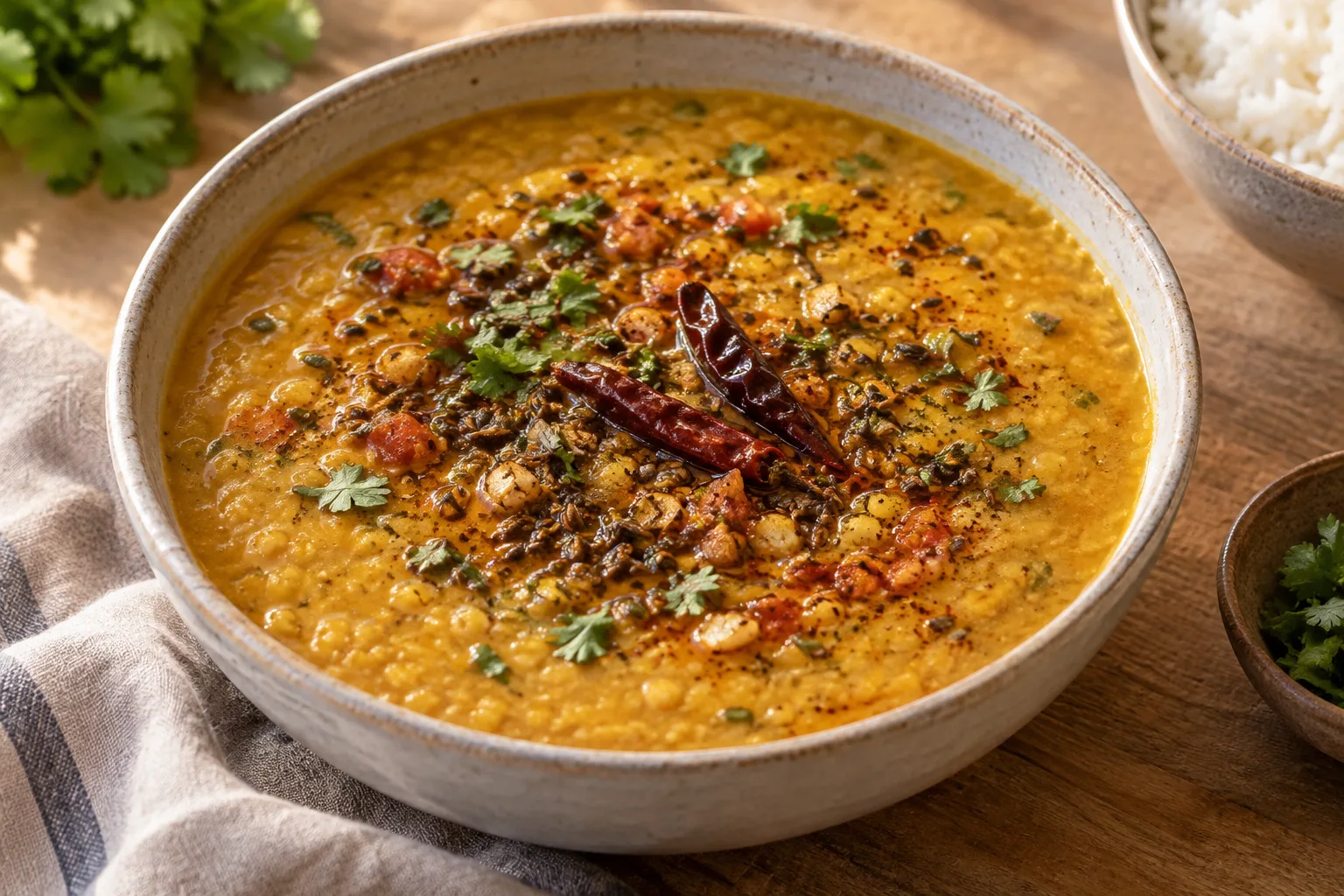
Use asafoetida when you want to add a concentrated, savory background reminiscent of garlic or onion to a dish. It is especially suited to lentils, chickpeas and other legumes, as well as vegetables, rice, curries, sauces and some pickles. Its raw aroma is strong and the spice has plenty of character, so begin with a pinch and adjust only in later preparations. If you want a flavor exactly like fresh garlic or onion, bear in mind that asafoetida has its own profile and is not an exact replacement.
How to use it
Heat the oil or ghee for your recipe and add a pinch of asafoetida near the start of cooking. Stir briefly so it disperses through the fat and cooks, then add the vegetables, legumes or other ingredients. Begin with a small amount: the powder is potent, and too much can overpower a dish. The right amount depends on the product’s strength and the quantity of food, so also follow the package directions. Do not judge its finished flavor by tasting it on its own: its aroma and flavor change during cooking. If you need to avoid wheat or another ingredient, check the label of blended products.
Flavour and texture
Raw powdered asafoetida has a penetrating, sulfurous smell that can seem harsh. Cooking softens the aroma and brings out a flavor reminiscent of cooked garlic or onion, while retaining its own character. The powder disperses readily in hot oil; use a light hand so it does not overwhelm other flavors.
How to choose it
Choose a well-sealed package and check the ingredient list: some powders are blends containing rice flour, wheat flour or gum arabic. If you need to avoid a particular ingredient, do not assume the product is pure asafoetida; check the label before buying.
Storage
Keep powdered asafoetida in an airtight container and close it promptly after each use. Its strong aroma can transfer to other foods or spices if the package does not seal well. Follow the manufacturer’s storage directions and avoid leaving the powder exposed to air.
Substitutions
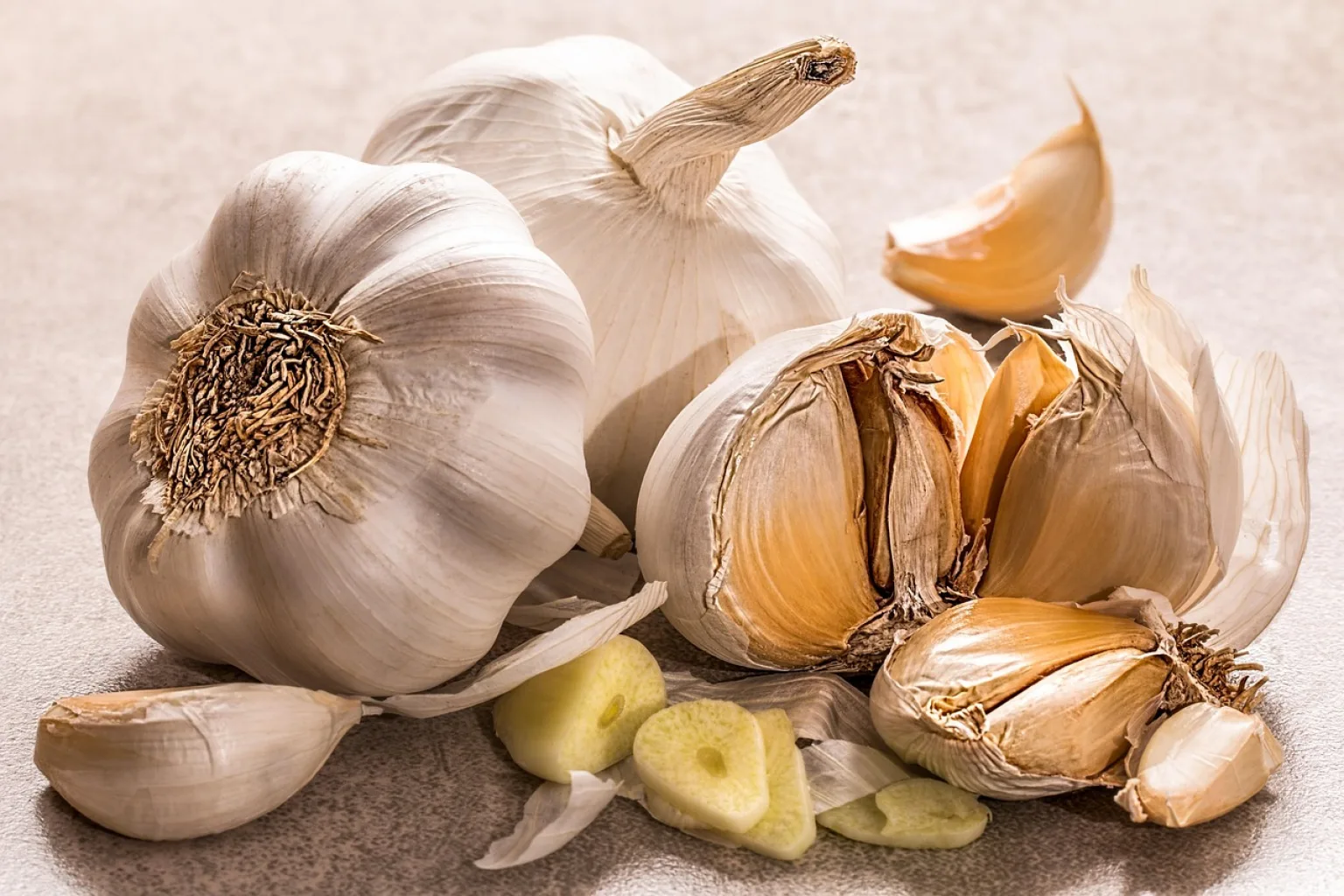
Garlic powder, onion powder or a blend of the two can provide a similar aromatic quality. They are not exact equivalents: asafoetida has its own flavor profile and is used in small amounts. If substituting, adjust the quantity to taste and to suit the recipe.
Common mistakes
Using too much is a common mistake because the powder is concentrated. Another is tasting it raw or adding it only at the end: heat softens its aroma and is part of how it is used in cooking. Start with a pinch and cook it before adding the other ingredients.
Safety and allergens
Check the product label, especially if you need to avoid wheat or other ingredients that may be included in a blend. Use a small amount and follow the package directions. Do not treat asafoetida as a remedy for health conditions.
Culinary uses
- Ajo y cebolla aromáticos, en platos cocinados
- Condimento para legumbres, verduras, salsas y encurtidos
Recommended techniques
- Dispersar una pizca en aceite o ghee caliente al comienzo de la cocción
- Cocinar antes de incorporarla a los demás ingredientes; evitar probarla sola
Pairs well with
- Lentejas, garbanzos y otras legumbres
- Verduras, arroz, mostaza, comino, cúrcuma y cilantro
Frequently asked questions
Does powdered asafoetida taste just like garlic?
Not exactly. Once cooked, it has notes reminiscent of garlic and onion, but it has its own flavor profile and is used sparingly.
How should I add asafoetida to a recipe?
Add a pinch to hot oil or ghee near the beginning, cook it briefly, then add the other ingredients.
Is all powdered asafoetida pure?
Not necessarily. Some products include rice flour, wheat flour or gum arabic, so check the ingredient list on the package.
Ingredient allergens
Allergen listThere are no verified associations for these ingredients yet.
Sources and review
Automatically researched, cross-checked and validated content. Sources consulted:
- ¿Por qué la muerte es origen de miedos y tabúes? doi.org/10.64628/aao.fccyk3qj3
- Client Challenge doi.org/10.2307/jj.27939689.16
- Gastronomía de la India - Wikipedia, la enciclopedia libre es.wikipedia.org/wiki/Gastronom%C3%ADa_de_la_India
- Conocer la Asafétida • sallypepperspices • Tienda de especias • sallypepperspices.com/2022/06/16/conocer-la-asafetida/
- Asafétida. Qué es y cómo usar la especia que sustituye al ajo en la cocina www.abc.es/recetasderechupete/asafetida-que-es-y-como-usar-la-especia-que-sustituye-al-ajo-e…
- Asafétida: La Joya Oculta del Sabor - De las Cocinas Antiguas a la Industria Moderna www.galbanum.co/es/post/asaf%C3%A9tida-la-joya-oculta-del-sabor-de-las-cocinas-antiguas-a-la…
- Asofetida o asafoetida | Gastronomía & Cía www.gastronomiaycia.com/asofetida-o-asafoetida/
- La asafétida, la especia que huele a rayos y sabe como el ajo www.lavanguardia.com/magazine/experiencias/20201211/6104603/asafetida-especia-huele-rayos-me…
- ¿Conoce la asafétida? | Recetas.com www.recetas.com/reportajes/conoce-la-asafetida.html
- Asofetida o asafoetida | Gastronomía & Cía www.gastronomiaycia.com/asofetida-o-asafoetida/amp/
- Asafétida: ¿Qué es? - Blog de La Parada de las Especias comprarespecias.net/blog/asafetida/?srsltid=AYCX9vID6ZsKmSW24S-O2vnBaqMFGqch4zQHllnmuvINpArL…