- Category
- Meat
- State
- Fresh
- Usual unit
- g
What it is
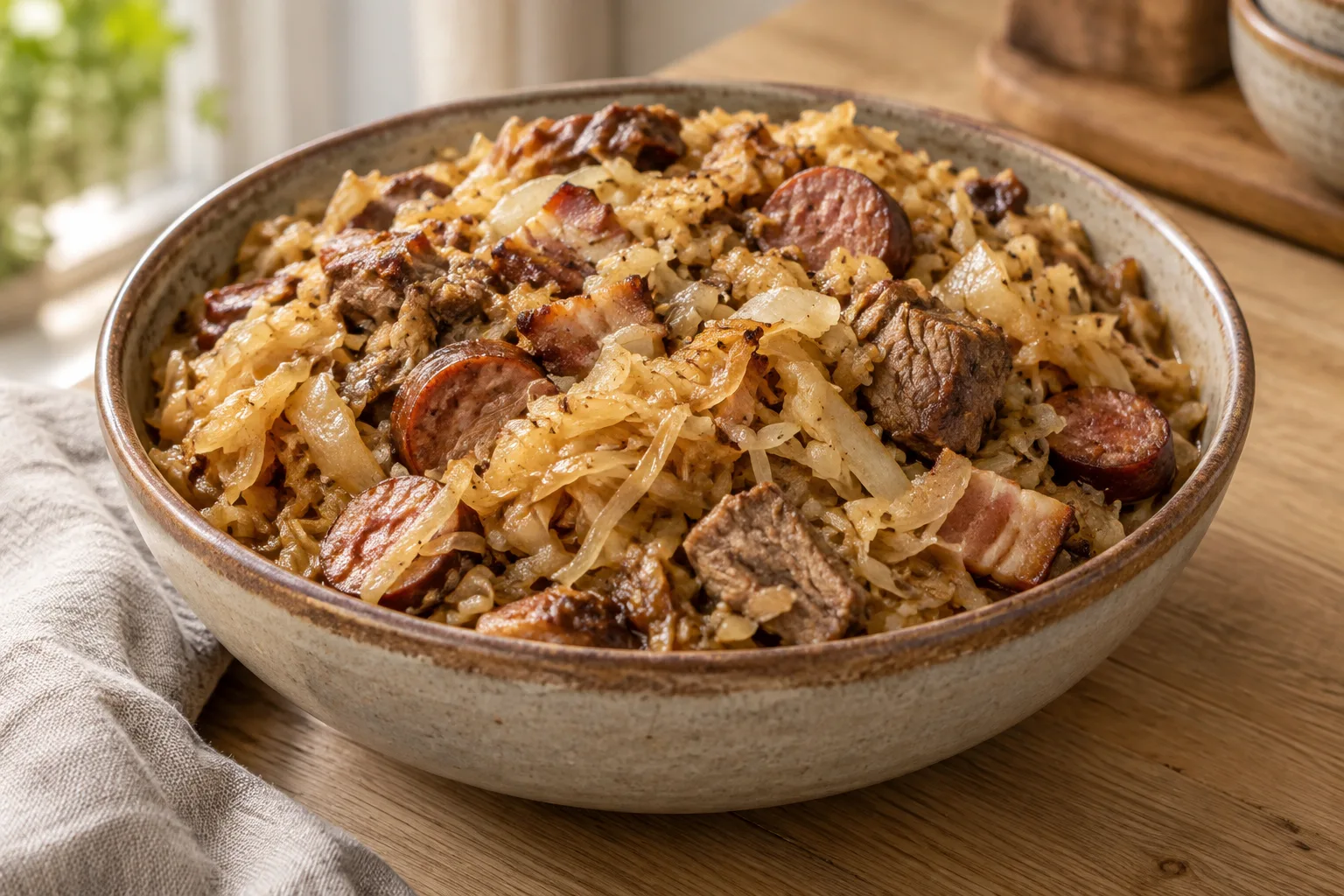
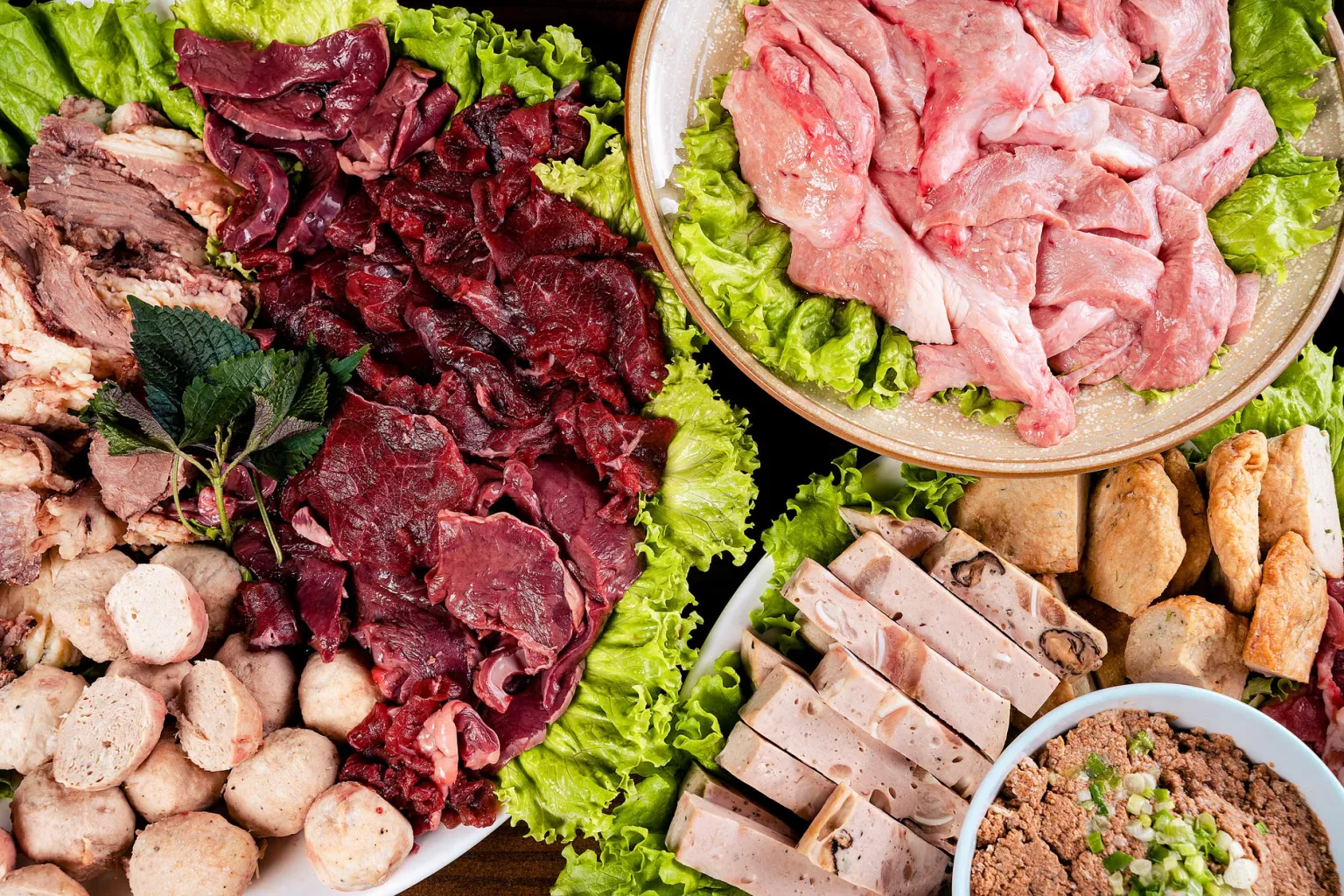
Meat is animal tissue eaten as food, principally muscle tissue. “Assorted meat” does not name one species or one cut; it can mean a mixture of meats, such as beef, pork, and chicken, or a selection of different pieces. The actual contents depend on the product, so check its label or ask the seller which species and cuts are included. The term should not automatically be taken to include fish or shellfish, which are commonly treated as separate food categories. Because pieces in a mix may differ in fat, size, and firmness, they may not cook evenly or suit every recipe without adjustments. The label alone cannot tell you exactly how the finished dish will taste or feel.
When to use it
Choose assorted meat for a recipe that can accommodate more than one species or cut, such as a stew, roast, or mixed grill. First check what the package contains: beef, pork, and poultry are not interchangeable in every recipe, and the size of each piece matters too. Small, tender pieces may suit quicker cooking, while cuts intended for stewing are often better suited to moist, longer cooking. If the mix contains pieces with very different cooking needs, cook them in batches or add each at an appropriate point rather than expecting everything to finish together.
How to use it
Read the label to identify the species, cuts, and any storage instructions. If the recipe calls for cooking pieces together, make their sizes reasonably even; separate pieces that need different treatment. Suitable pieces can be grilled or cooked on a griddle, while other cuts can be roasted in the oven. Less tender cuts may work better in a stew or slow-cooked dish with liquid and seasonings. For a spiced dish, cook the meat in a seasoned sauce, following a recipe suited to the particular cut and format. Do not assume every piece in an assorted mix will be done at the same time: check the pieces individually and follow applicable cooking instructions for each type of meat.
Flavour and texture
Flavor and texture depend on the species, cuts, and proportion of fat in the mix. A selection may combine mild, tender pieces with meat that tastes more pronounced or feels firmer. Fat can contribute juiciness, but the amount varies between meats and cuts. The words “assorted meat” therefore do not guarantee a uniform result; check the contents and adapt the recipe to the pieces you have.
How to choose it
Look for a label that identifies the species or types of meat, the weight, and storage instructions. Match the selection to your recipe; pieces of similar size and texture are easier to cook together. If you need a particular species or cut, do not assume it is included in a mixed pack. Check the product information or ask the seller, and choose a traceable product with clear details.
Storage
A fresh assorted-meat pack can contain different species and cuts, so follow the storage instructions on its packaging and observe the date shown. Keep it in its packaging until needed and avoid leaving it unrefrigerated longer than necessary. If the package does not explain how to store the product, ask the seller or consult official food-safety guidance. Do not use a product when its packaging or label indicates that it is no longer suitable.
Substitutions
If the mix is unavailable, choose another meat cut suited to the recipe, keeping in mind that flavor, texture, and cooking needs may change. For a meat-free version, beans or lentils can form the basis of an adapted dish, but they will not reproduce meat’s exact qualities.
Common mistakes
A common mistake is treating all species and cuts as though they need the same cooking time. Avoid buying a mix without checking its contents, or swapping one cut for another without considering size and texture. When pieces differ, do not assume they will all cook evenly or finish together.
Safety and allergens
Choose a product with clear information and follow its storage and cooking instructions. Handle meat hygienically and do not eat a product if you have reason to believe it is unsafe.
Culinary uses
- Main ingredient in mixed-meat dishes
- Source of savory flavor and texture in stews, grilled dishes, and roasts
Recommended techniques
- Grilling or cooking on a hot griddle
- Braising or stewing
- Roasting in the oven
- Slow cooking with spices
Pairs well with
- Onion, garlic, and aromatic spices
- Rice, bread, beans, or vegetables
Frequently asked questions
What is included in assorted meat?
There is no single standard mix. It may combine different species or cuts, so check the label or ask the seller.
Can I cook all the pieces together?
Only when the cuts and piece sizes suit the same recipe and method. Otherwise, cook them separately or add them at different stages.
What can I use instead of assorted meat?
Choose a different cut that suits the dish, or make an adapted version with beans or lentils.
Ingredient allergens
Allergen listThere are no verified associations for these ingredients yet.
Sources and review
Automatically researched, cross-checked and validated content. Sources consulted:
- Client Challenge doi.org/10.2307/jj.27939689.16
- Eating Spain: National Cuisine Since 1900 - UKnowledge uknowledge.uky.edu/context/hisp_etds/article/1031/viewcontent/Eating_Spain_National_Cuisine_…
- ¿Cuáles comidas debo seleccionar para promover la salud? | Home & Garden Information Center hgic.clemson.edu/factsheet/cuales-comidas-debo-seleccionar-para-promover-la-salud/
- Carne - Wikipedia, la enciclopedia libre es.wikipedia.org/wiki/Carne
- ALIMENTOS. Denominaciones sobre carne picada o ... servicio.mapa.gob.es/ricalwebwai/Fichero.aspx?id=ES&idConsulta=156
- Operadores económicos www.aesan.gob.es/operadores-economicos
- Reconoce los TIPOS DE CARNE y aprende qué carne es por sus distintas PIEZAS y CORTES. muysibarita.com/conoce-los-tipos-de-carne-y-reconoce-que-carne-por-sus-distintos-tipos-de-co…
- Effectiveness of Home Gardening in Reducing Food Insecurity ... auetd.auburn.edu/bitstream/handle/10415/6539/JoelTumwebaze_Dissertation.pdf?isAllowed=y&sequ…
- Project MUSE -- Verification required! muse.jhu.edu/book/111660/pdf?pvk=book-111660-a4418a9fa63695c4106fa3cb47aae0dd
- Performing Masculinities in Contemporary Mexican Theatre academicworks.cuny.edu/cgi/viewcontent.cgi?article=1561&context=gc_etds
- Carne y la cultura gastronómica : Jovencasa jovencasa.com/carne-y-la-cultura-gastronomica/
- – La carne, ingrediente fundamenal de nuestra gastronomía – Alianza Agroalimentaria Aragonesa alianzaagroalimentariaaragonesa.com/la-carne-ingrediente-fundamenal-de-nuestra-gastronomia/