- Category
- Meat
- State
- Fresh
- Usual unit
- g
What it is
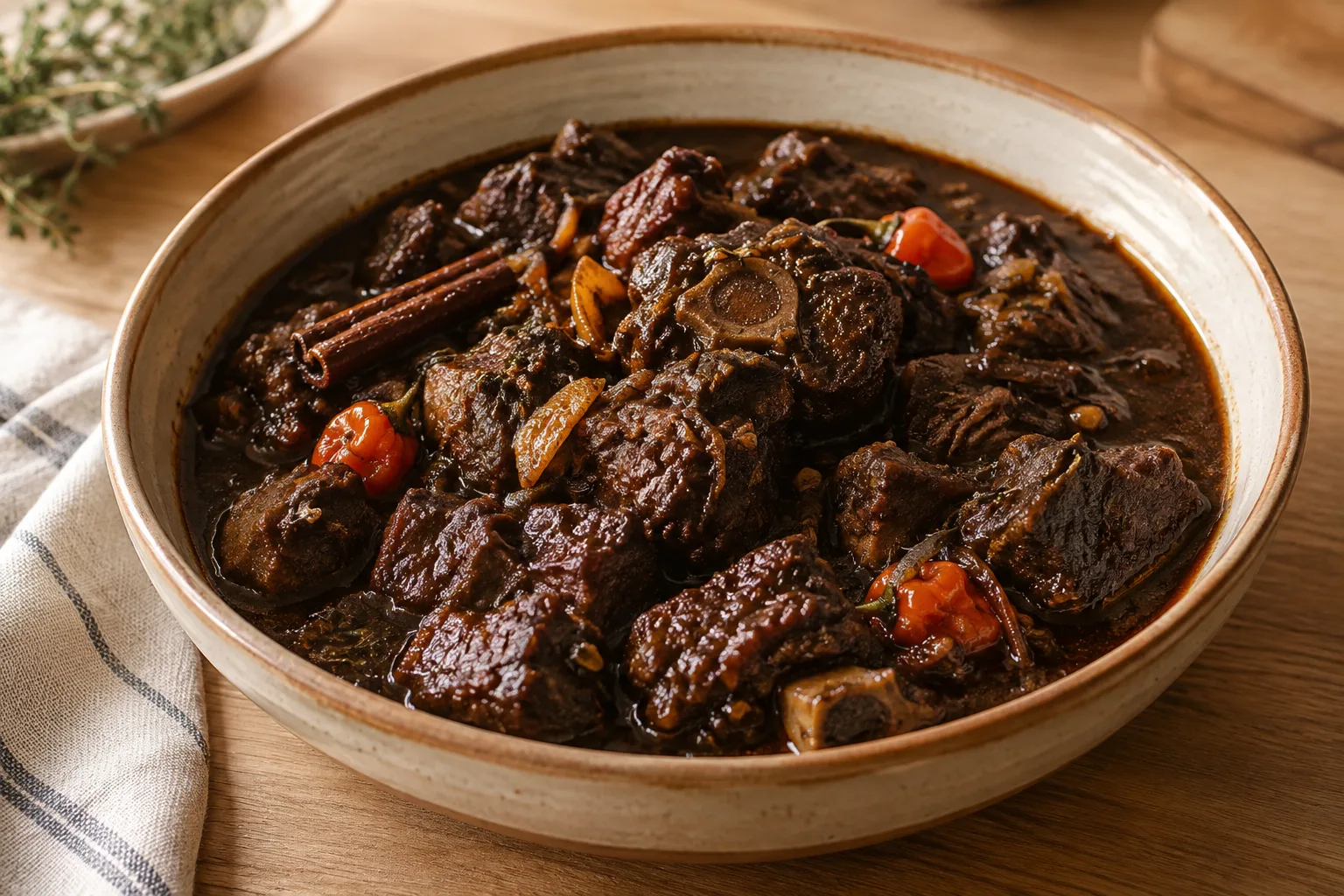
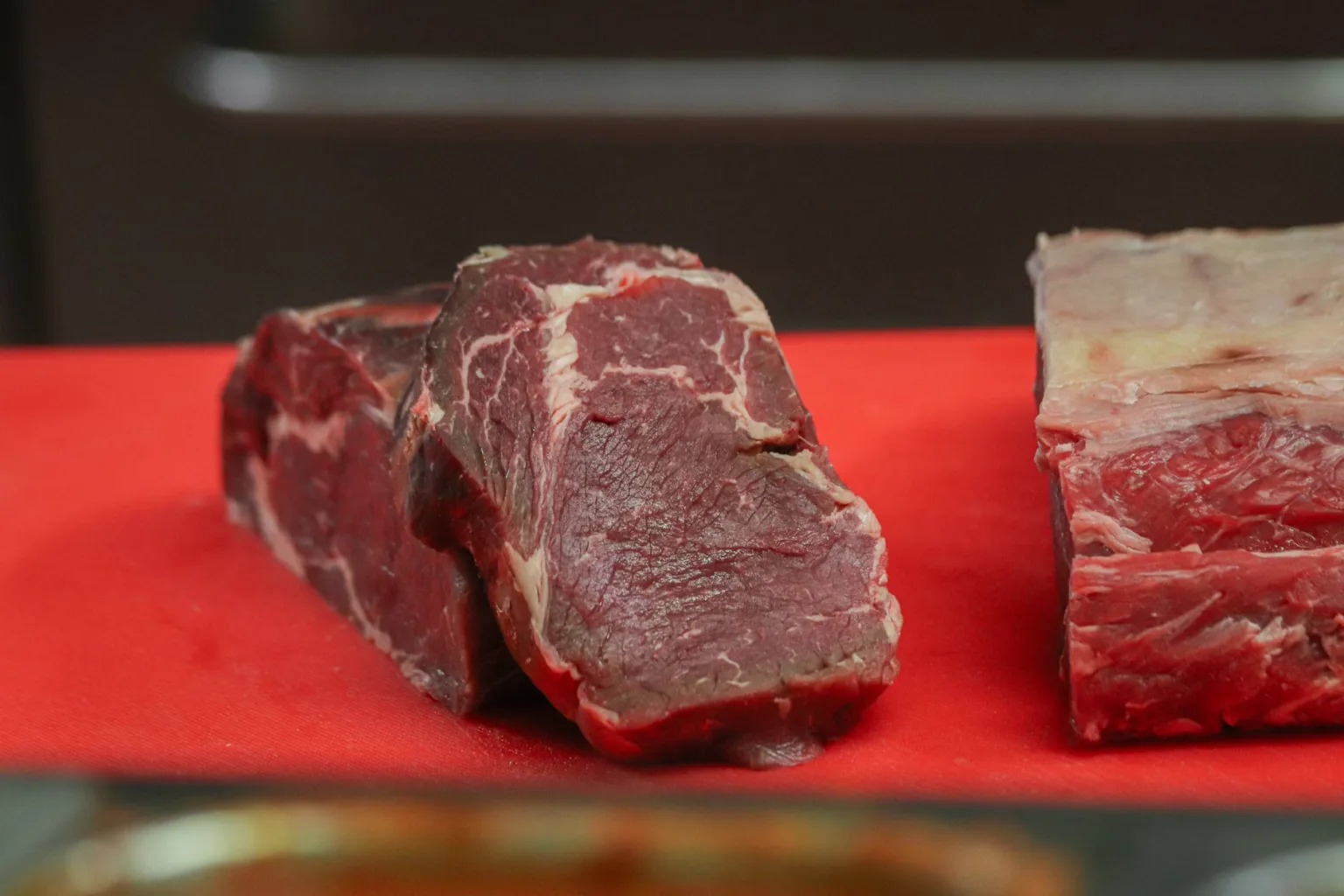
Beef chunks are pieces of beef cut for cooking. The name describes their form, not one specific part of the animal. Products sold this way can therefore differ in fat, texture, and tenderness depending on the source cut and how the meat was cut. When buying, ask which cut was used and what preparation it suits. Some beef cuts are used in stews or broths, while others have different uses. The words “beef chunks” alone do not identify the origin, season, a uniform size, or a cooking time that applies to every product. To choose a cooking method, knowing the cut is more useful than relying on the generic product name.
When to use it
Choose beef chunks when you want distinct pieces in a stew, braise, or another preparation cooked with liquid. Check which cut the pieces come from, since the general label does not guarantee uniform tenderness or cooking behavior. If a recipe calls for a prolonged moist cook, ask whether the cut is suitable for stewing or broth. When whole pieces are not important to the recipe, ground beef may work in some preparations, but it changes the dish’s texture and appearance. Let the specific cut and recipe guide your choice.
How to use it
Read the package information and check whether it identifies the cut; if it does not, ask the seller. Pieces of similar size can help a dish cook more evenly, but there is no single size or cooking time that applies to every product. For a stew, you can brown the meat in batches if the recipe calls for it, then cook it with liquid and other ingredients in a way that suits the chosen cut. It can also be used in broth-style preparations. Match the method to the cut rather than assuming all chunks behave alike. Wash your hands after handling raw meat and follow package directions and applicable local guidance. Refrigerate leftovers within two hours of preparation.
Flavour and texture
The flavor is characteristic of beef, but intensity, fat content, and texture can vary with the source cut and individual pieces. Chunk size also affects the eating experience. A general label does not promise that the meat will become tender with every method; choosing a suitable cut and cooking it appropriately for the recipe matter more than its shape alone.
How to choose it
Choose an intact package with readable product information and, where possible, the beef cut identified. Pieces of reasonably similar size are useful when a recipe calls for even cooking. Ask whether the chunks are suitable for stewing or broth. The words “beef chunks” alone do not tell you how tender the meat is or which cooking method is most appropriate.
Storage
Follow the package storage directions and applicable local official guidance for this product. If you will not use it promptly, check the relevant instructions on the label rather than inferring a safe period from appearance or smell. Wash your hands after handling raw meat. Refrigerate leftovers within two hours of preparation and follow local instructions for their later storage.
Substitutions
To keep distinct pieces in a stew, choose another beef cut recommended for a similar cooking method; the texture may differ. Ground beef can replace chunks in some preparations when their shape is not essential, but the finished dish will have a different texture and appearance. Adapt the method to the selected cut instead of assuming every piece needs the same treatment.
Common mistakes
A common mistake is assuming all beef chunks come from the same cut; fat content and tenderness can vary. Avoid a brief cooking method without checking whether the cut suits it. Ground beef is not an identical replacement when a recipe depends on distinct, visible pieces.
Safety and allergens
Wash your hands after handling raw meat and follow package directions and applicable local guidance. Refrigerate leftovers within two hours of preparation; consult local instructions for their later storage.
Culinary uses
- Estofados y guisos
- Caldo y preparaciones cocidas en líquido
Recommended techniques
- Dorado seguido de cocción en líquido
- Cocción a fuego lento en preparaciones de guiso
Pairs well with
- Ajo y jengibre
- Tomate, chile y pasta o cereales cocidos
Frequently asked questions
Do beef chunks identify a specific cut?
No. The name describes beef cut into pieces; the source cut can vary. Check the package or ask the seller.
What dishes can I make with beef chunks?
They can be used in stews, braises, and broth-style preparations. Knowing the specific cut helps guide the choice of preparation.
Can I substitute ground beef?
Sometimes, if distinct pieces are not essential to the recipe. The texture and appearance of the dish will change.
Ingredient allergens
Allergen listThere are no verified associations for these ingredients yet.
Estimated nutrition
- Fat
- 6.25 g
- Saturates
- 1.79 g
- Carbohydrate
- 0 g
- Sugars
- 0 g
- Protein
- 30.4 g
- Salt
- 0.8 g
Sources and review
Automatically researched, cross-checked and validated content. Sources consulted:
- REGLAMENTO (UE) No 1169/2011 DEL PARLAMENTO ... eletiquetadocuentamucho.aesan.gob.es/media/reglamento-11692011.pdf
- The Essential Glossary of Cooking Terms for the Culinary Arts - Escoffier www.escoffier.edu/blog/culinary-arts/the-essential-glossary-of-cooking-terms-for-the-culinar…
- Washington State Food Access English-Spanish Glossary wpcdn.web.wsu.edu/wp-snaped/uploads/sites/2/2025/10/Food-Access-Spanish-Glossary.pdf
- Qué es (y qué no es) la estadística, usos y abusos de una disciplina clave en la vida de los países y las personas | Estudios económicos doi.org/10.52292/j.estudecon.2015.740
- Traditional Mexican American Folklore - Folk Food | Traditional Mexican American Folklore Collection | University of Texas Rio Grande Valley scholarworks.utrgv.edu/tmaffood/index.2.html
- Carne - Wikipedia, la enciclopedia libre es.wikipedia.org/wiki/Carne
- ALIMENTOS. Denominaciones sobre carne picada o ... servicio.mapa.gob.es/ricalwebwai/Fichero.aspx?id=ES&idConsulta=156
- Revista del comité científico de la aecosan número 24 aesan.gob.es/dam/jcr:979384c0-5bd9-46d4-a29e-ccf5876c769c/RCC_24.pdf
- Estofado Húngaro de Carne de Res Saludable | Dinner Tonight dinnertonight.tamu.edu/recipe/estofado-hungaro-de-carne-de-res-saludable/
- The Hidden World of Secreto Carne: Mexico’s Forbidden Culinary Tradition www.news.climate.columbia.edu/mexican-cuisine-ff9ad9
- Carne de Res y Brócoli receta | Servicio de Extensión de OSU extension.oregonstate.edu/es/imported-publication/beef-broccoli
- Reconoce los TIPOS DE CARNE y aprende qué carne es por sus distintas PIEZAS y CORTES. muysibarita.com/conoce-los-tipos-de-carne-y-reconoce-que-carne-por-sus-distintos-tipos-de-co…