- Category
- Meat
- State
- Fresh
- Usual unit
- g
What it is
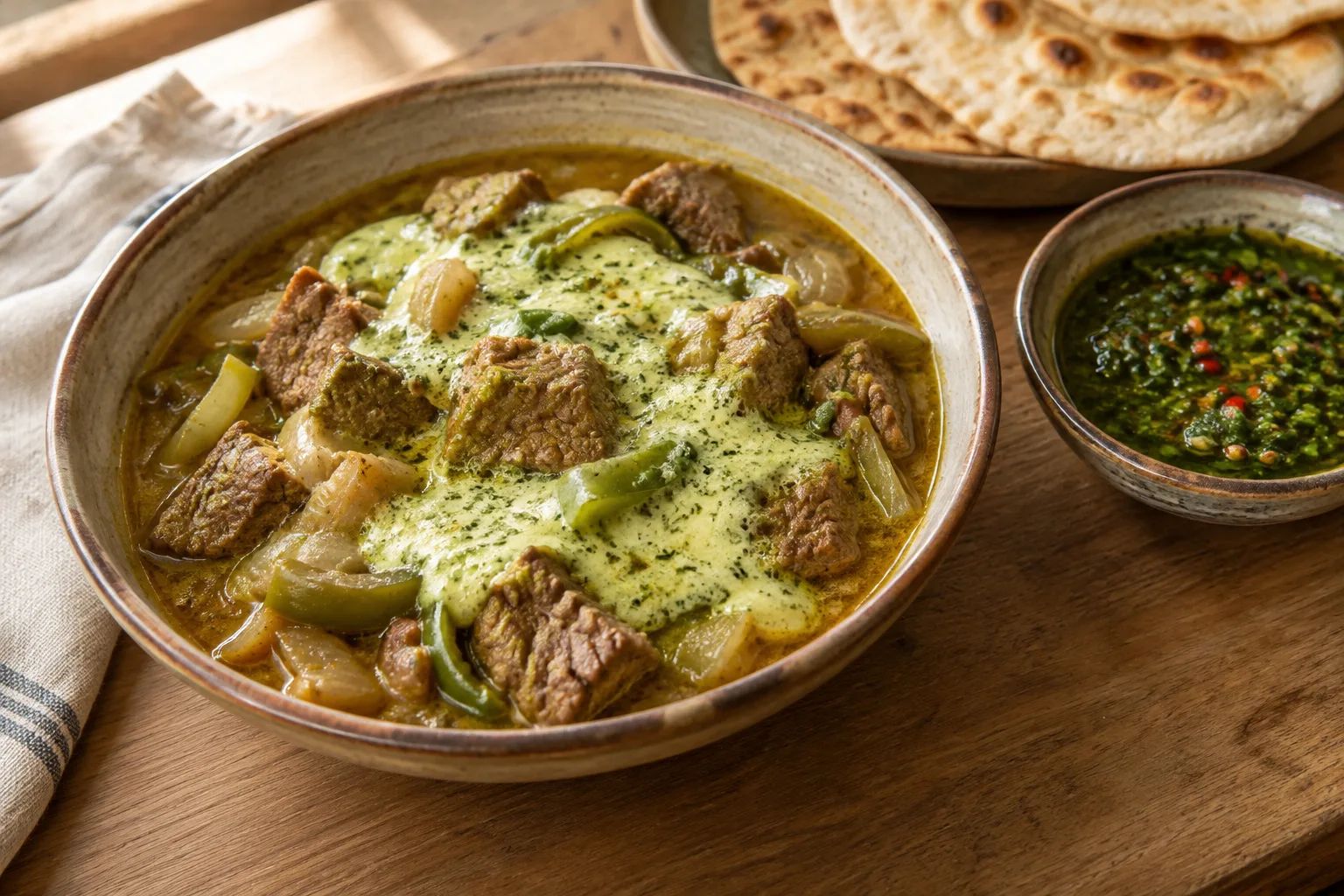
Cubed beef is fresh beef cut into small, roughly cube-shaped pieces for convenient cooking and serving. The name describes the shape, not a particular part of the animal: cubes can come from cuts with different amounts of fat, connective tissue, and tenderness. As a result, they do not all cook in the same way or suit the same technique. Cubes from cuts intended for stewing are generally better suited to slow cooking with liquid, while cubes from a tender cut may work in a quick preparation. When possible, check which cut was used or ask for beef suited to the method you plan to use.
When to use it
Choose cubed beef for a stew, a vegetable braise, or meat cooked in sauce. Slow cooking with liquid is especially suitable when the cubes come from a firmer cut intended for stewing. If the label or butcher identifies a tender cut, and the pieces are evenly sized, you can use them in a brief sauté. Do not assume every pack of cubed beef is interchangeable: the source cut and piece size affect the result. For a recipe that calls for tender cubes and quick cooking, check that the product is suitable before you begin.
How to use it
Keep the beef refrigerated according to its label and prepare the other ingredients first so the meat spends less time out of the refrigerator. If the pieces vary considerably in size, trim the largest so they cook more evenly. For a stew, pat the surface dry if it is wet, brown the cubes in batches in a hot pot with a little oil, and avoid crowding them. Add the vegetables and recipe liquid, then cook slowly until the texture suits the dish. For a quick sauté, use cubes from a tender cut, a hot pan, and small batches. Follow package directions and current local official guidance for handling and cooking raw meat.
Flavour and texture
Cubed beef has the characteristic flavor of beef, which varies with the cut, fat, and preparation. Cubes from a tender cut can remain juicy after brief cooking; cubes from firmer cuts often need slow, moist cooking to soften. Piece size also affects the finished texture. Browning can add a roasted surface, while cooking directly in liquid creates a different finish. The fact that the beef is cut into cubes does not guarantee one particular texture.
How to choose it
Choose beef that looks appropriate for a fresh product, comes in an intact pack, and is kept properly chilled. Check the date, storage directions, and any information about the cut or intended use. For a stew, ask whether the cubes are suitable for slow cooking; for a quick sauté, confirm that they come from a tender cut. Pieces of similar size are easier to cook evenly. The words “cubed beef” alone do not identify the source cut.
Storage
Keep the beef refrigerated and follow the date and storage instructions on the package; a universal storage time cannot be inferred without knowing the packaging and label. Avoid leaving it at room temperature while preparing the rest of the meal. If the product is frozen, follow the package directions or current official food-safety guidance for thawing. Keep raw meat separate from ready-to-eat food, and clean surfaces and utensils that have touched it.
Substitutions
For a slow-cooked dish, cubed lamb or pork can take the place of beef, though the flavor and cooking behavior will differ. For a meat-free alternative, mushrooms or cooked legumes can play a similar role in a stew, but the texture and result will not be the same. Do not automatically substitute another meat in a quick-cooking recipe: the cut and piece size determine whether brief cooking is suitable.
Common mistakes
A common mistake is assuming all cubed beef comes from the same cut and cooks alike. Pieces from a firm cut may turn tough if treated as a quick sauté, while cubes from a tender cut can lose their texture if stewed for a long time. Overfilling the pan can also prevent good browning. Check the cut when possible, keep the pieces similar in size, and choose a technique that suits both the product and the recipe.
Safety and allergens
Keep raw beef refrigerated, follow the package directions and current local official guidance for handling and cooking. Prevent its juices from touching ready-to-eat foods, and clean utensils and surfaces used with it.
Culinary uses
- Main ingredient in braises and stews
- Protein component in quick skillet dishes
Recommended techniques
- Braising or stewing slowly in liquid
- Browning in a hot pan before adding liquid
- Quick sautéing when the cubes come from a tender cut and are small and evenly sized
Pairs well with
- Onion, carrot, and other stew vegetables
- Stock, wine, or water with herbs
- Potatoes, rice, or noodles
Frequently asked questions
Which cut is used for cubed beef?
The cube shape does not identify a particular cut. It can vary by product, so ask which cut was used and choose one suited to stewing or quick cooking.
Can all cubed beef be sautéed?
Not necessarily. Brief sautéing is better suited to cubes from a tender cut; firmer cuts are usually better for slow cooking with liquid.
How can I stop the cubes from steaming instead of browning?
Use a hot pan and cook in small batches without crowding the meat. This gives the surface a better chance to brown.
Ingredient allergens
Allergen listThere are no verified associations for these ingredients yet.
Estimated nutrition
- Fat
- 4 g
- Saturates
- 1.99 g
- Carbohydrate
- 16.1 g
- Sugars
- 14.5 g
- Fibre
- 0 g
- Protein
- 17.3 g
- Salt
- 60 g
Sources and review
Automatically researched, cross-checked and validated content. Sources consulted:
- Romanica Olomucensia : «¿Qué pinga es esto?». Usos disfemísticos en el español de Cuba doi.org/10.5507/ro.2021.007
- Agencia Española de Seguridad Alimentaria y Nutrición www.aesan.gob.es/
- Cortes De Ternera Y Usos Culinarios (I) • ISARO Gastronomía www.isarogastronomia.com/blog/cortes-de-ternera-y-usos-culinarios-i/
- Ternera Gallega - USOS CULINARIOS www.terneragallega.com/usos-culinarios.html
- Language Log » "and/with/on its X" languagelog.ldc.upenn.edu/nll/?p=4143
- Cognitive Cultural Studies and Early Modern Spanish docs.lib.purdue.edu/cgi/viewcontent.cgi?article=1031&context=psrl
- La imagen de las Indias en el teatro breve del Siglo de Oro digitalcommons.conncoll.edu/cgi/viewcontent.cgi?article=1166&context=teatro
- Dados de ternera caramelizados con ciruelas y puré de patatas con avellanas - Canal Cocina canalcocina.es/receta/dados-de-ternera-caramelizados-con-ciruelas-y-pure-de-patatas-con-avel…
- Recetas con ternera en dados: irresistibles y sabrosas cookpad.com/es/buscar/ternera%20en%20dados
- Carne de ternera de origen gallego | Vaqueiro Carniceiros vaqueirocarniceiros.com/meat-fan-club/carne-de-ternera/?srsltid=AYCX9vI0Y4ot6WA510Ix3v-4Sflj…