- Category
- Meat
- State
- Fresh
- Usual unit
- kg
What it is
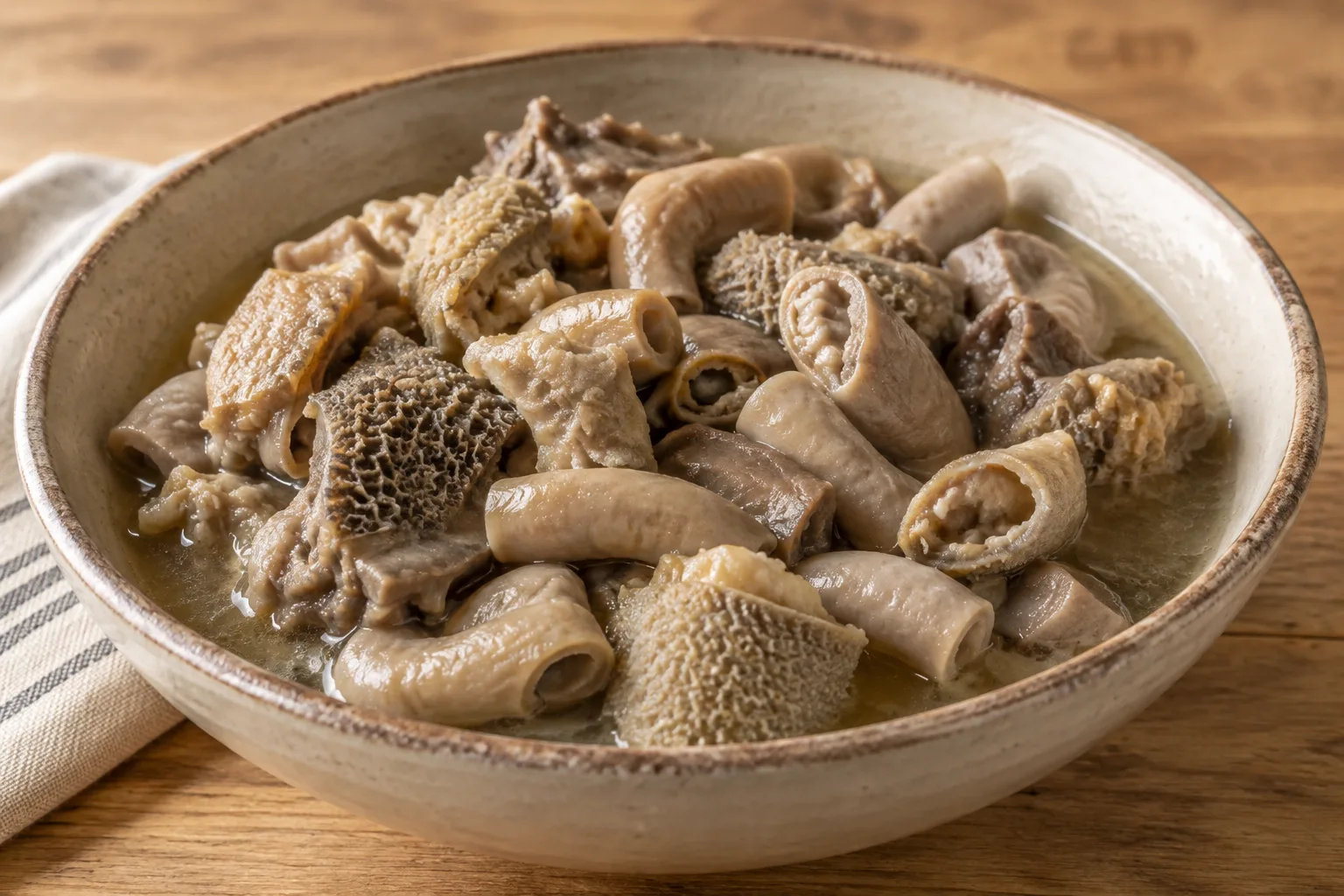
Beef intestines are edible sections of a bovine digestive tract sold for culinary use. They are distinct from tripe, rumen, or other beef-stomach products, even though regional and everyday terminology can blur the distinction. Intestines may be cooked as food or used as natural casings for sausages. Products can be sold cleaned or may need further preparation, so confirm the exact cut and its preparation with the seller. The evidence available here does not establish a season of availability or a universal storage life. Because the intended use affects what product is suitable, check whether you need an edible cut for a dish or a casing specifically prepared for stuffing.
When to use it
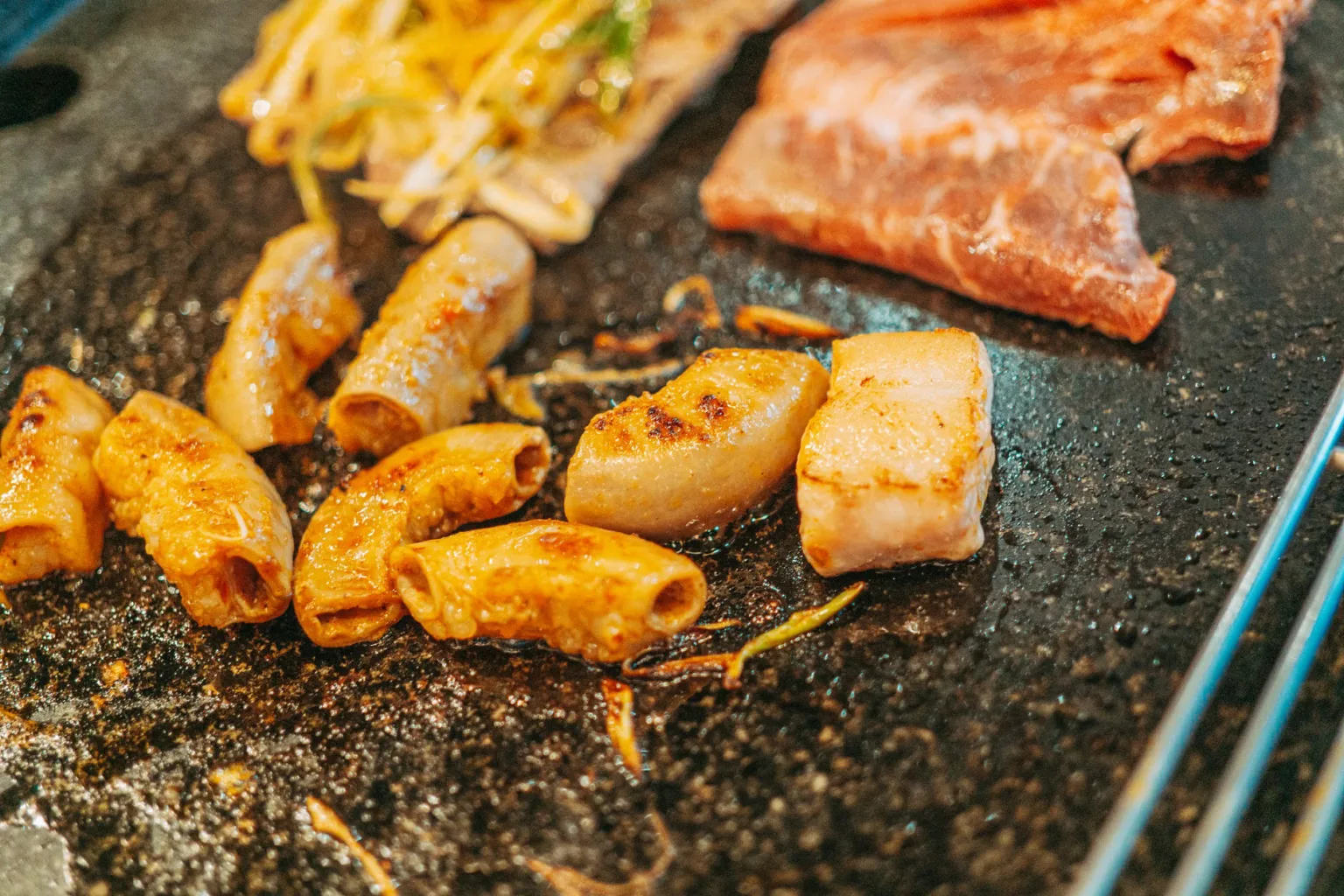
Choose beef intestines when a recipe specifically calls for beef intestine, when preparing cooked offal such as a grilled dish, or when a suitable natural casing is needed for sausage. Check that the recipe does not actually call for tripe or beef stomach, which are different parts and may require different preparation. Ask whether the product is cleaned and ready for its intended use, especially if you plan to stuff it. No particular season of availability is established for this ingredient, so selection is better guided by the recipe, cut identification and product instructions.
How to use it
Start by identifying the cut and checking whether it is clean and prepared for the use you have in mind. For sausage making, confirm that it is a casing suitable for stuffing and follow the product or recipe directions. As food, beef intestines can be grilled or used in cooked dishes such as regional soups and stews. Some mondongo-style recipes pair offal with onion, garlic, chili, cilantro and cumin, but they often use beef stomach rather than intestines. Do not assume cooking instructions for one part of the animal apply to another. Follow the product directions and keep raw intestines from contacting ready-to-eat food; the information available here does not support a specific time or temperature.
Flavour and texture
Flavor and texture can vary with the section of intestine, cleaning, size and cooking method. The available evidence does not establish one reliable sensory profile for all beef intestines. Grilling may produce a browned or crisp exterior when the cut and recipe suit that result, while moist cooking gives a different texture. Do not assume intestines have the same texture as tripe, which comes from the stomach.
How to choose it
Ask the seller to identify the product clearly as intestine rather than tripe, stomach or mondongo. Find out whether it has been cleaned, is ready to cook, or is intended for sausage casing, and follow its label and seller instructions. Appearance alone cannot verify freshness or prior handling. Choose a properly labeled product in good condition, and avoid one with damaged packaging or unclear storage information.
Storage
Fresh beef intestines are perishable. Store them according to the package or seller instructions and do not leave them unrefrigerated during preparation. If you are unsure how long they have been stored, how they should be kept, or whether they can be frozen, ask the seller or consult local food-safety guidance. The evidence available here does not support a specific storage duration or temperature for this ingredient.
Substitutions
For recipes that allow other casings or intestines, edible pork or lamb intestines may be alternatives, but they are not identical and can change size, texture and the finished result. Do not automatically replace tripe or beef stomach with intestine: they are different anatomical parts. Confirm that any alternative is suitable for the intended culinary use.
Common mistakes
A common mistake is treating intestine, tripe, beef stomach and mondongo as interchangeable names for one cut. Another is assuming that every intestine product is clean or ready for stuffing. Verify the cut and preparation before cooking, and do not transfer cooking instructions from a different cut without checking.
Safety and allergens
Handle the raw product carefully and keep it from contacting ready-to-eat foods, since cross-contamination can occur between raw meat and other foods. Follow the product's storage and cooking instructions. The available information does not support a specific cooking time or temperature for beef intestines.
Culinary uses
- Grilled or otherwise cooked offal
- Natural sausage casing
Recommended techniques
- Grilling
- Simmering or stewing
- Cleaning and rinsing before cooking, when needed
Pairs well with
- Onion and garlic
- Chili, cilantro and cumin in regional soups or stews
Frequently asked questions
Are beef intestines the same as tripe?
Not necessarily. Intestines are part of the digestive tract; tripe and beef stomach refer to stomach sections. Regional names can overlap, so confirm which cut you have.
Can beef intestines be used as sausage casings?
Yes. Intestines are used as natural casings for some sausages. Check that the product is prepared and sold for that purpose.
How can beef intestines be cooked?
Depending on the cut and recipe, they can be grilled or used in cooked dishes. Check whether cleaning is needed and follow product directions; no universal cooking time is established here.
Ingredient allergens
Allergen listThere are no verified associations for these ingredients yet.
Sources and review
Automatically researched, cross-checked and validated content. Sources consulted:
- ¿Por qué la muerte es origen de miedos y tabúes? doi.org/10.64628/aao.fccyk3qj3
- revista del - Comité Científico www.aesan.gob.es/dam/jcr:c6a76f54-0d6e-43b4-ad26-ac603ba37960/comite_cientifico_38.pdf
- Food Storage in Home | USU extension.usu.edu/preserve-the-harvest/research/food-storage-in-home
- Guide for the Care and Use of Laboratory Animals www.iacuc.pitt.edu/sites/default/files/guide_careanduse_laboratoryanimals_0.pdf
- Sustainable Food and Agriculture Strategies - NYU Stern www.stern.nyu.edu/sustainable-food-and-agriculture-strategies
- Impact of food processing on the glycemic index (GI) of ... - Wsu s3.wp.wsu.edu/uploads/sites/1254/2017/03/249-Nayak-2014-FRI.pdf
- Influence of Storage Temperature on Vacuum Packaged ... etd.auburn.edu/bitstream/handle/10415/8524/M.%20Wagoner%20Thesis%2012.5.pdf?sequence=2
- The allometry of herbivore food selection and competition belovskylab.nd.edu/assets/193041/belovsky_g.e._1997..pdf
- Tripas - Wikipedia, la enciclopedia libre es.wikipedia.org/wiki/Tripas
- - YouTube www.youtube.com/watch?v=vmsfcCWyKWA
- 🐄 CHINCHULINES: Historia, Cultura y Sabores del Intestino delgado es.linkedin.com/pulse/chinchulines-historia-cultura-y-sabores-del-intestino-jose-cennamo-ner…