- Category
- Meat
- State
- Fresh
- Usual unit
- kg
What it is
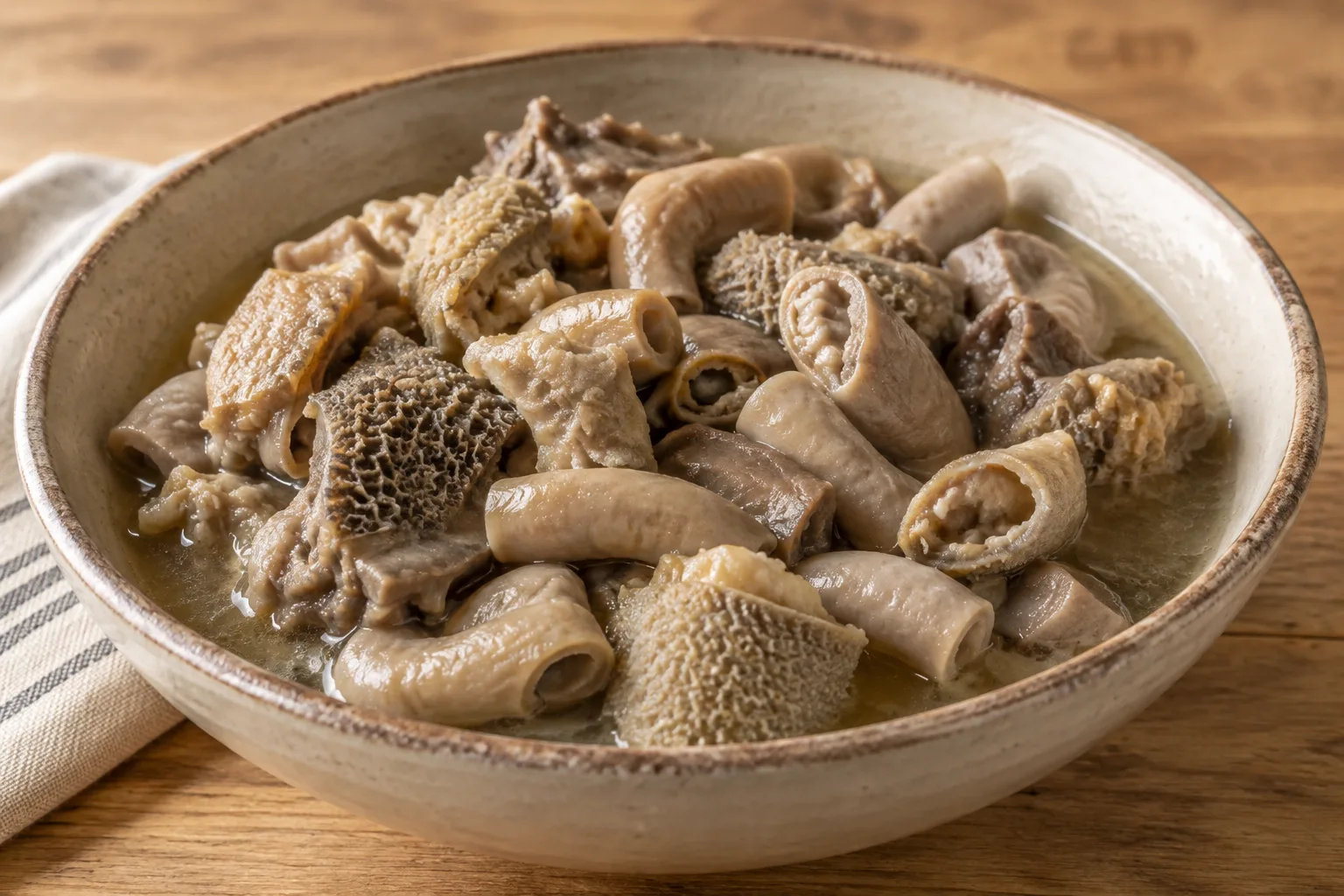
Beef tripe is tissue from the lining of a cow’s stomach and is used as an edible offal ingredient. Names for tripe and the cuts sold can vary by location, so a product description may matter more than the general name alone. Tripe is an ingredient rather than a finished stew: it is prepared and cooked before being added to a recipe. Its firm texture softens with sufficient cooking, which is why it is commonly used in stews and soups. Once cooked, it can also be cut up for salads or savory fillings. The appearance, cut, and preparation it has received before sale can differ from one product to another. Check the label or ask the seller what kind of tripe it is and whether it has already been cleaned or otherwise prepared.
When to use it
Choose beef tripe for stews, soups, and other dishes that allow it to cook until tender. Its substantial texture suits spoonable dishes and recipes in which it can take on the flavors of the cooking liquid and seasonings. Once cooked, it can also be cut up for salads or savory fillings. It is not a quick substitute for a tender cut in a recipe that cooks in only a few minutes: the cut and any prior preparation affect what it needs. Regional preparations may pair tripe with chorizo, blood sausage, potatoes, or chickpeas, but combinations and methods vary between recipes and places.
How to use it
First check the product’s condition and follow the package or seller’s directions for cleaning and preparation. Some methods begin by briefly blanching the tripe; when following such a method, boil it briefly, discard that water, and continue in fresh liquid. Then cook it gently until tender. The cut, thickness, and any prior preparation affect the result, so check the texture rather than relying on one universal cooking time. For a stew, add the tripe to a preparation with aromatics and seasonings such as onion, garlic, and paprika. You can also cook it, cut it up, and add it to soup, salad, or a savory filling. Adapt the preparation to the condition of the product and the requirements of the recipe.
Flavour and texture
Tripe is best known for its texture: it is firm before cooking and becomes softer and chewy after sufficient cooking, sometimes with a gelatinous quality. The final texture and flavor can vary with the cut and presentation. In stews and soups, tripe takes on the aromas of the seasonings and cooking liquid around it. If you want the pieces to remain distinct, avoid cutting them too small before cooking. The texture to aim for depends on the recipe; check the tripe as it cooks and continue cooking if it is still tough.
How to choose it
Check that the product is identified as beef tripe, and ask whether it is cleaned, blanched, or ready to cook, since its condition affects the preparation required. When buying from a butcher, ask which cut it is and what cleaning it needs. For a packaged product, check that the package is intact and read its handling and storage instructions. Appearance can vary with the type of tripe and how it is sold, so do not assume that every product is the same or ready to go straight into the pot. If a recipe calls for a particular texture, also confirm whether the tripe is fresh or already cooked.
Storage
Store tripe according to the package or seller’s directions. There is no single storage duration or temperature that can be applied to every product form, so check the information provided for the item you bought. If instructions are unavailable, ask the seller how it should be stored and prepared. For cooked leftovers, follow applicable current local official guidance for cooked foods. Do not rely on appearance or smell alone to decide whether a product is safe.
Substitutions
Pork tripe may be used in tripe preparations, but it is not identical to beef tripe and can change the result. Beef morro or pata can be included in a stew, but their texture differs and they do not reproduce tripe’s chewy quality. If you substitute another ingredient, adapt the cut and preparation to the recipe and expect a different result. Check the directions for the alternative product as well, since different cuts may require different handling and cooking.
Common mistakes
A common mistake is assuming that all tripe is sold in the same condition or has received the same cleaning and preparation. Tripe can also remain tough if cooking stops before it reaches the desired texture. There is no universal cooking time for every cut and product; check the available directions and assess it as it cooks. Cutting it too small before stewing can make it harder to keep distinct pieces. Remember that tripe takes on the flavors of the cooking liquid and seasonings, so season the dish in balance.
Safety and allergens
Follow the product’s package or seller instructions for handling, storage, and preparation. If none are provided, consult the seller or applicable current local official guidance.
Culinary uses
- Main ingredient in slow-cooked stews
- Substantial ingredient in soups and regional dishes
- Cooked and chopped filling for savory preparations
Recommended techniques
- Clean carefully according to the product’s preparation and instructions
- Blanch briefly and discard the water when using a method that calls for it
- Simmer until tender, checking the texture rather than relying on a universal cooking time
- Cook before cutting for salads or savory fillings
Pairs well with
- Onion and garlic
- Paprika and bay leaf
- Chorizo and blood sausage
- Potatoes and chickpeas
- Tomato and aromatic seasonings
Frequently asked questions
What part of the animal is beef tripe?
It is tissue from the lining of a cow’s stomach. The specific cut and names used can vary by product and location.
Why is tripe often cooked for a long time?
Its firm texture needs sufficient cooking to soften. The cut, thickness, and any preparation before sale affect the result.
Can beef tripe be used in dishes other than stews?
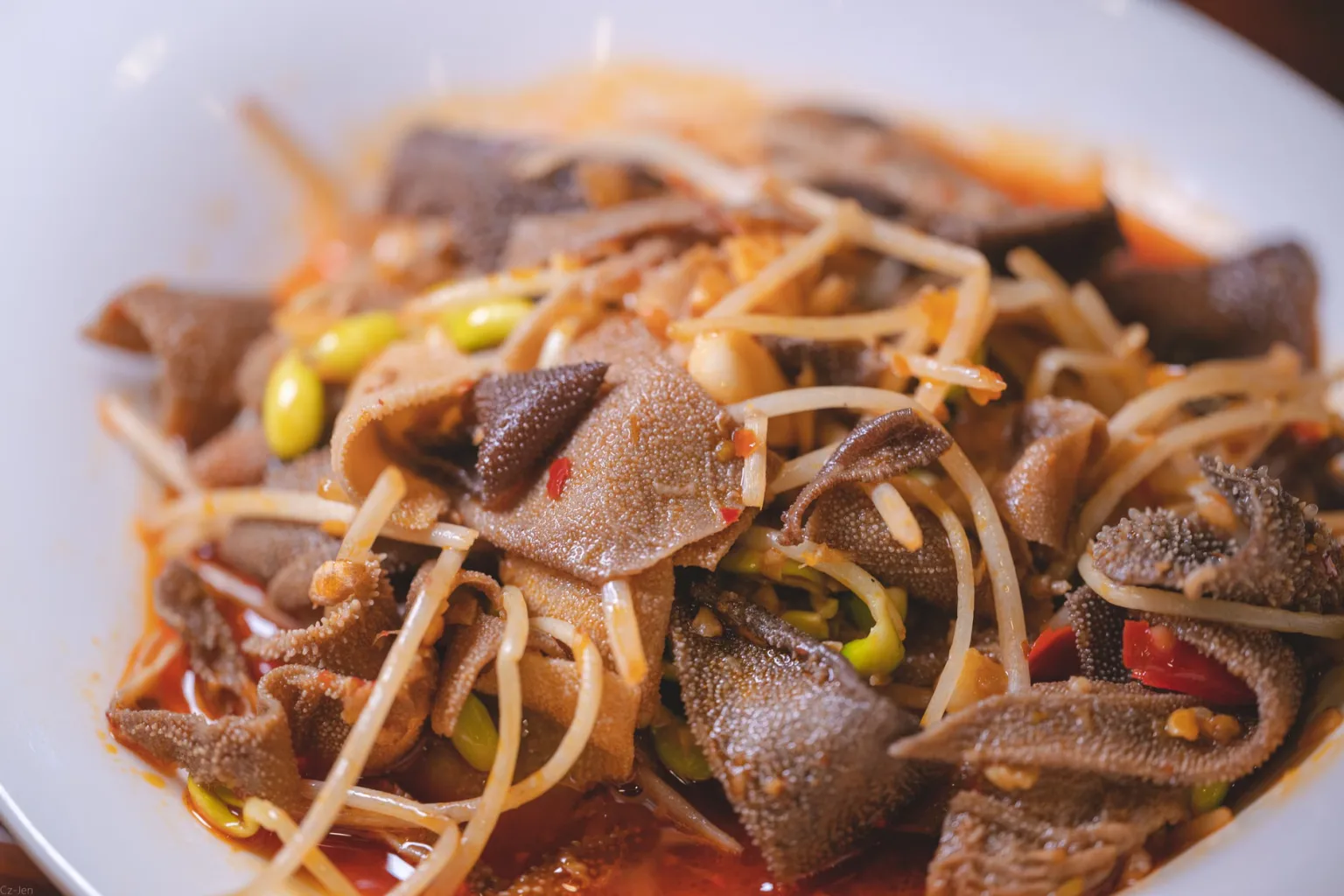
Yes. Once cooked and cut up, it can be added to soups, salads, or savory fillings suited to its texture.
Ingredient allergens
Allergen listThere are no verified associations for these ingredients yet.
Estimated nutrition
- Fat
- 3.69 g
- Saturates
- 1.29 g
- Carbohydrate
- 0 g
- Sugars
- 0 g
- Fibre
- 0 g
- Protein
- 12.1 g
- Salt
- 0.24 g
Sources and review
Automatically researched, cross-checked and validated content. Sources consulted:
- ¿Por qué la muerte es origen de miedos y tabúes? doi.org/10.64628/aao.fccyk3qj3
- The Essential Glossary of Cooking Terms for the Culinary Arts - Escoffier www.escoffier.edu/blog/culinary-arts/the-essential-glossary-of-cooking-terms-for-the-culinar…
- EL AMOR A TRAVÉS DE LA COCINA: EXPLORING THE scholarsbank.uoregon.edu/bitstreams/77aa0a06-fd9f-48ea-a079-3dc5710f726b/download
- Restaurante Terelita Alcorcon: Madrid’s Hidden Gem for Authentic Spanish Flavors www.news.climate.columbia.edu/madrid-dining
- Storage System people.eecs.berkeley.edu/~kubitron/courses/cs262a-F21/handouts/papers/AutoRAID-2up.pdf
- Callos a la madrileña: origen, tradición y receta de siempre - Restaurantes y Tabernas Centenarios de Madrid www.restaurantescentenarios.es/historia-de-los-callos-a-la-madrilena/
- Callos: origen y cómo prepararlo | masymas supermercados www.supermasymas.com/blog/callos-origen-y-como-prepararlo/
- Callos de res: Origen y usos culinarios | Recetas Nestlé www.recetasnestle.com.ar/escuela-de-sabor/ingredientes/callo-de-res
- - YouTube www.youtube.com/watch?v=hevl4wVuwJA
- Callos: origen, tradición y diferentes formas de disfrutarlos - Montealbor montealbor.com/blog/callos-origen-tradicion-y-formas-de-disfrutarlos/
- La historia de los callos: de cocina humilde y plato típico del invierno madrileño www.huleymantel.com/tradicion/historia-callos-cocina-humilde_103459_102.html