- Category
- Herbs and spices
- State
- Fresh
- Usual unit
- leaves
What it is
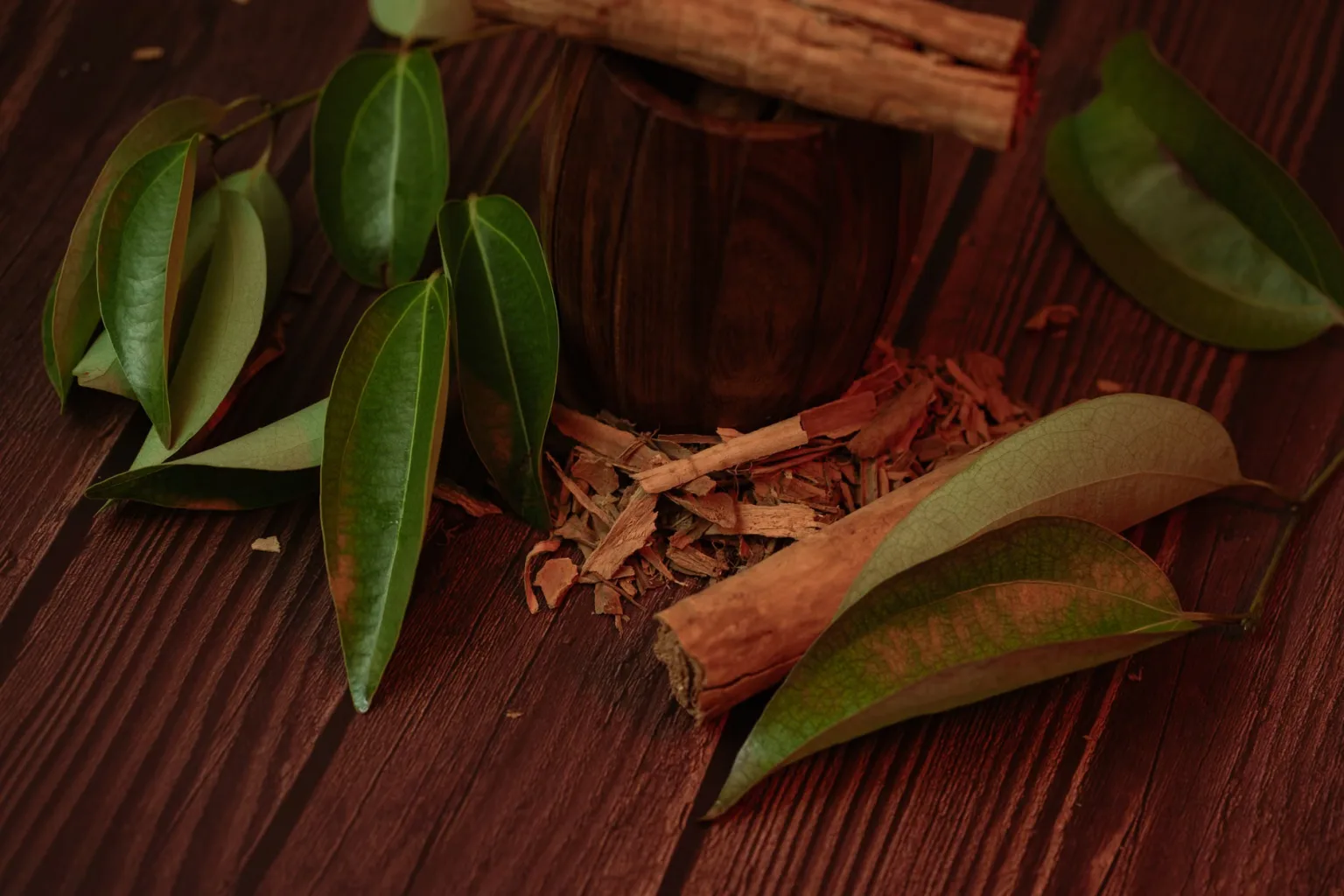
Bois d’Inde is a common name associated with Pimenta racemosa, a tree in the myrtle family, Myrtaceae. Its leaves are aromatic and used as a seasoning; they are not the same plant as allspice, despite possible confusion between names and aromas. This profile is about fresh leaves, not the tree’s berries or other products made from it. In Creole cooking, the leaves are added whole to liquid preparations so their aroma can infuse the dish as it cooks. They are especially suited to fish broths and court-bouillon, as well as soups and stews.
When to use it
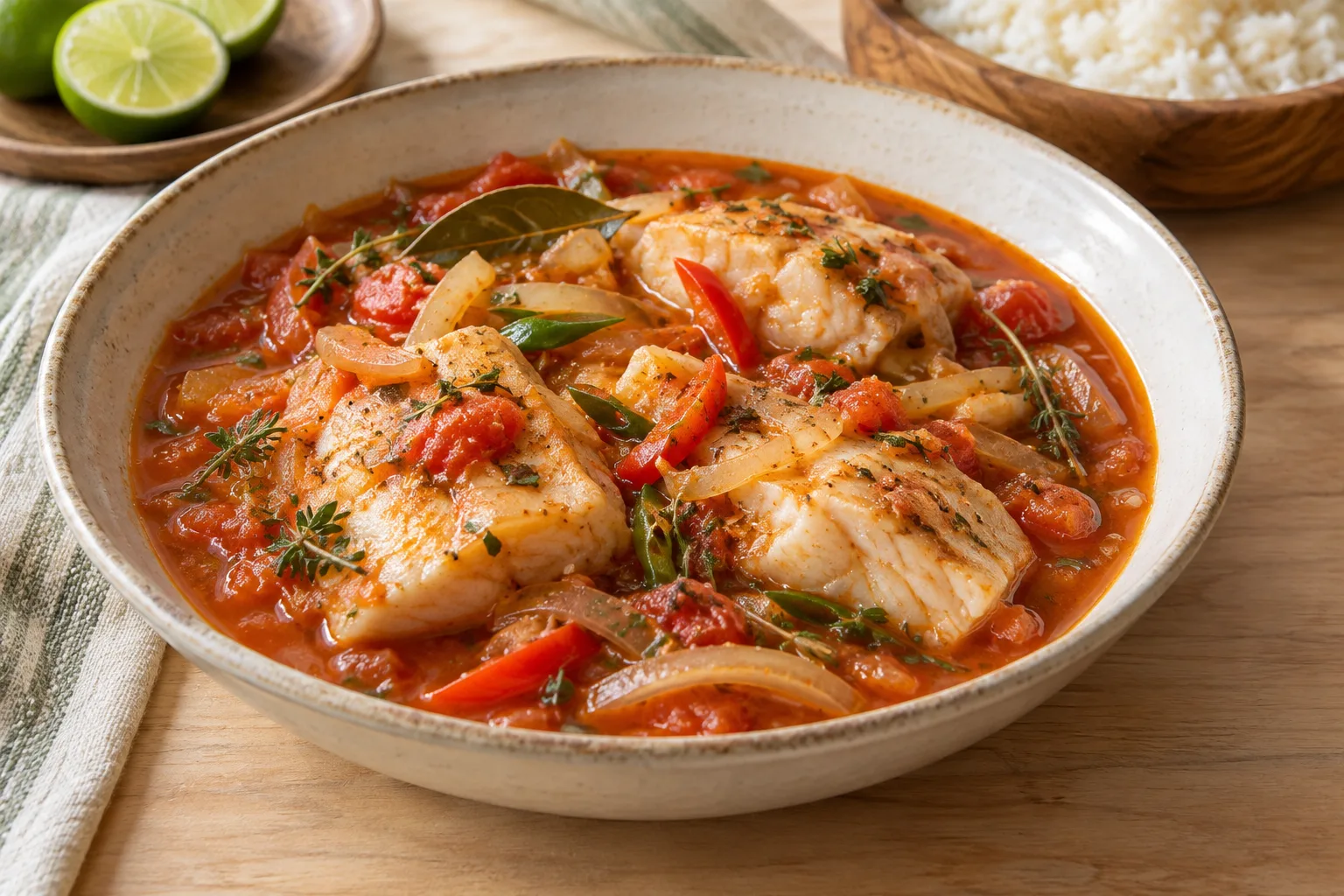
Use bois d’Inde leaves when you want a pronounced herbal aroma in a moist dish that will simmer. They suit fish broths and court-bouillon, as well as soups and stews. Add them during cooking so they can infuse the liquid; if you are unfamiliar with their strength, begin modestly and adjust in a later preparation, since aroma can vary from leaf to leaf. They can also be paired with lime in a fish broth. Do not mistake them for allspice, which comes from a different species.
How to use it
Check that the leaves are correctly identified as bois d’Inde and intended for culinary use; rinse gently if visibly soiled. Add them whole to broth, soup or stew during cooking and let them infuse the liquid at a gentle simmer. In fish court-bouillon, they can be used with fish and lime. Chopping is unnecessary for this infusion-style use. Add a measured amount, especially if you do not know the leaves’ strength: the aroma is pronounced and may vary. This profile covers the leaves only; it does not assume that berries, seeds or scented products from the tree can be used in the same way.
Flavour and texture
The leaves are described as highly aromatic, dark green and leathery in texture. Their main culinary role is to scent a cooking liquid rather than provide bulk. Aroma strength can vary between leaves, so use a restrained amount when you are unfamiliar with the ingredient.
How to choose it
Look for leaves clearly identified as bois d’Inde and sold for cooking. Choose intact leaves with no visible signs of spoilage and a noticeable aroma. Common names can be confusing: check that the product is the leaves of Pimenta racemosa, not allspice or a cosmetic or fragrance product.
Storage
This profile concerns fresh leaves, but the available evidence does not establish a specific storage method or shelf life. Follow the seller’s or package’s instructions and handle the leaves so they are not damaged. Do not use leaves with visible deterioration or an unusual smell. Do not assume that storage guidance for berries, oils or perfumery products also applies to fresh leaves.
Substitutions
Bay laurel leaves can play a similar role as whole leaves that scent broths and stews, but they are not an exact flavor substitute. Use them sparingly and expect a different aroma. If no suitable aromatic leaf is available, omit the bois d’Inde; the dish will lack some of its characteristic fragrance, but there is no need to replace it with another spice.
Common mistakes
Do not confuse bois d’Inde leaves with allspice; they come from different plants. Do not assume that the tree’s leaves, berries, seeds and oils are interchangeable. For the use described here, add whole leaves to moist dishes and avoid using a large amount before you know their strength.
Safety and allergens
Use only correctly identified leaves sold for culinary use. Do not assume that every part of a plant or its aromatic products is edible or interchangeable. Available evidence about the berries and seeds is inconsistent, so this profile does not recommend eating them.
Culinary uses
- Aromatic leaf seasoning for simmered dishes
- Whole-leaf infusion for broth and court-bouillon
Recommended techniques
- Add whole leaves to simmering broth
- Simmer in soups or stews to infuse aroma
Pairs well with
- Fish in court-bouillon
- Lime in fish court-bouillon
- Soups and stews
Frequently asked questions
What dishes use bois d’Inde leaves?
Add them whole to fish broths and court-bouillon, as well as soups and stews, to infuse the cooking liquid with aroma.
Are bois d’Inde leaves the same as allspice?
No. Bois d’Inde is associated with Pimenta racemosa; allspice is a different species. Check the product name before using it.
Can I substitute bay leaves?
Bay laurel can serve a similar role in broths and stews, but its aroma is not identical. You can also leave the bois d’Inde out.
Ingredient allergens
Allergen listThere are no verified associations for these ingredients yet.
Sources and review
Automatically researched, cross-checked and validated content. Sources consulted:
- ¿Por qué la muerte es origen de miedos y tabúes? doi.org/10.64628/aao.fccyk3qj3
- Guía de especias y hierbas aromáticas para la cocina - Blog Frutas Charito frutascharito.es/blog/guia-de-las-mejores-hierbas-y-especies-aromaticas-para-cocinar/
- - YouTube www.youtube.com/watch?v=KcW-Dip4O4I
- Principales especias de la India | www.cocinista.es www.cocinista.es/web/es/recetas/cocina-internacional/india/principales-especias-de-la-india.…
- Las 7 especias indias más utilizadas • Amarinder Blog amarinder.es/especias-indias/
- Especias criollas de Martinica: bois d'Inde, ají, achiote y massalé hosteltoucan.com/es/blog/especias-criollas-de-martinica-bois-d-inde-aji/
- Pimenta racemosa - Wikipedia, la enciclopedia libre es.wikipedia.org/wiki/Pimenta_racemosa
- Guía básica de especias: usos culinarios y propiedades (Parte II) - El Sabor de lo Bueno sabordelobueno.com/guia-especias-exoticas-usos-propiedades/
- La nueva botánica del sabor: ingredientes que pueden cambiar la gastronomía www.hosteleriamadrid.com/blog/botanica-ingredientes-cambiar-forma-de-cocinar/