- Category
- Meat
- State
- Fresh
- Usual unit
- g
What it is
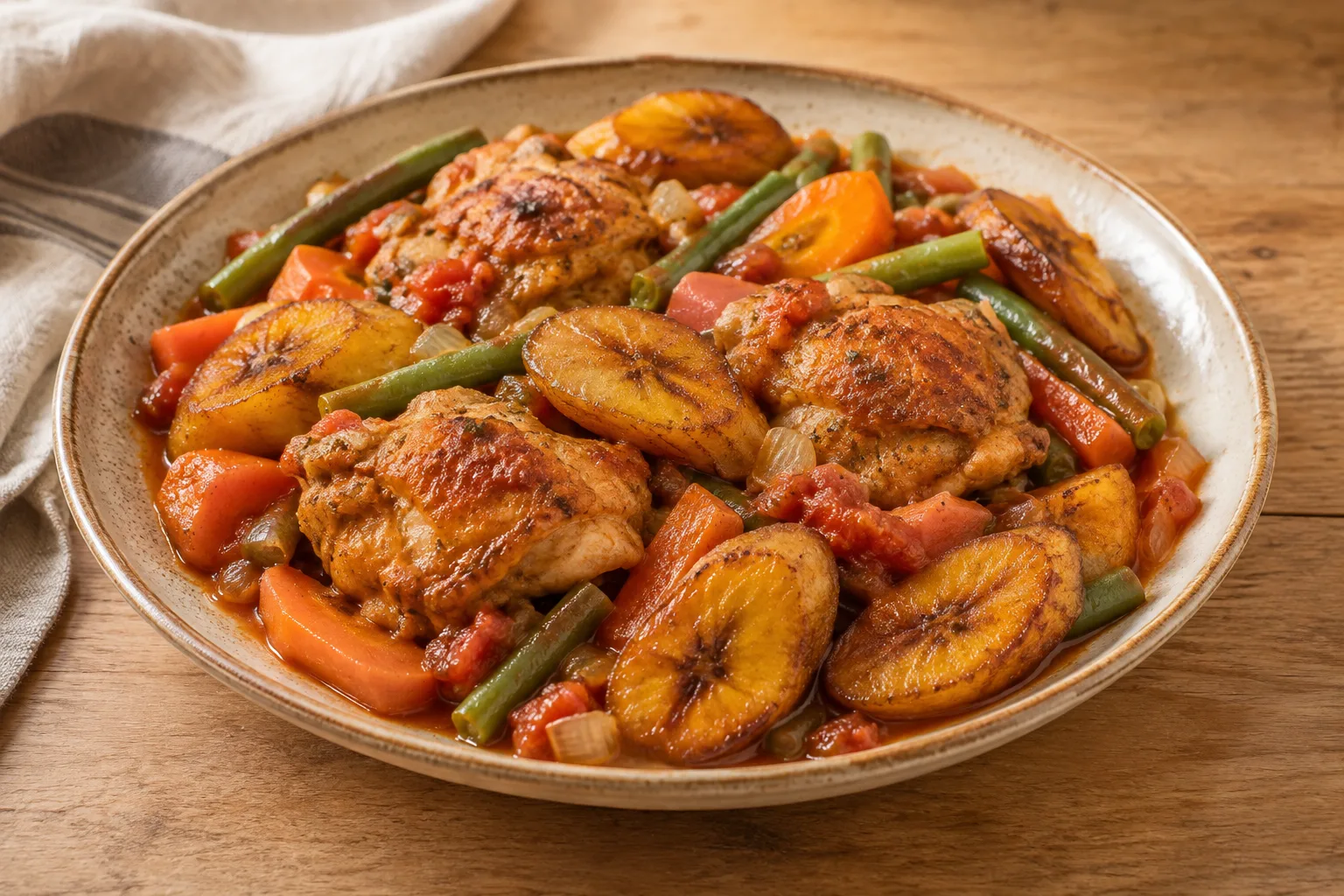
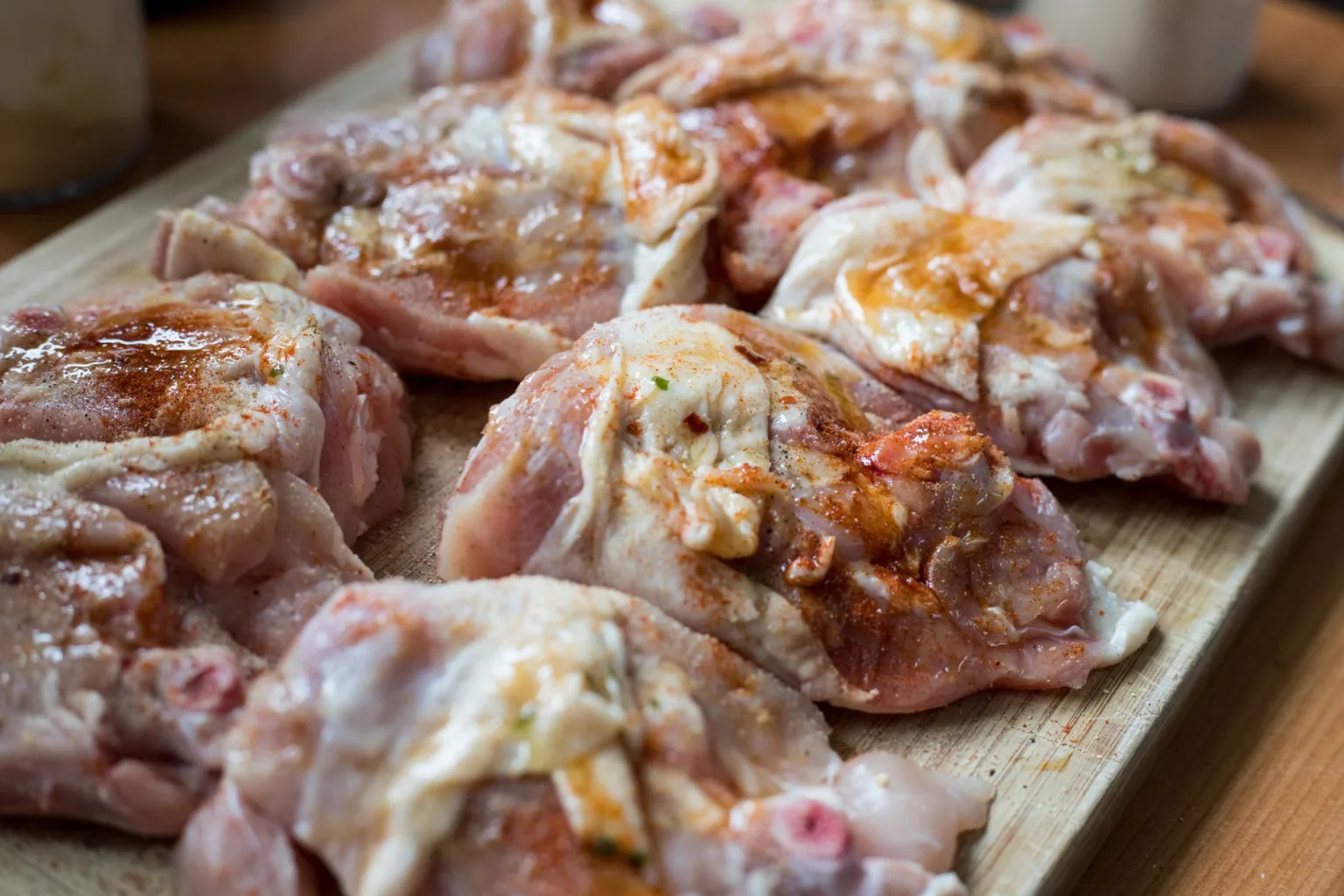
Boneless, skinless chicken thighs are meat from the upper part of a chicken’s leg, with both the bone and skin removed. They are sold whole or in pieces and are convenient when you want chicken that is easy to portion, slice, or serve without removing bones at the table. Compared with breast meat, thigh meat has more intramuscular fat and can have a juicier texture, although it can still dry out or become chewy if cooked too aggressively. Without the bone and skin, it generally cooks faster than bone-in, skin-on thighs. The product may also be sold frozen; this profile focuses on the fresh form specified.
When to use it
Choose this cut when you want chicken that is easy to slice and serve, without bone or skin, for a simple meal or a sauced dish. It is particularly useful in stir-fries, tacos, salads, skewers, and stews, where pieces can be combined with other ingredients. It suits several cooking methods, but extended cooking is not a substitute for checking doneness. If a recipe calls for bone-in thighs, remember that the boneless cut cooks differently and may need less time. Check that it is cooked rather than automatically copying timing written for a different cut.
How to use it
Keep the thighs whole or cut them into strips or cubes to suit the dish. Season with salt, pepper, garlic, lemon, paprika, or herbs; marinades and sauces also work well. To brown them in a pan, arrange the pieces without crowding and cook, turning as needed. For a stir-fry, cut pieces to a similar size to encourage more even cooking. You can also grill or braise the thighs, or thread them onto skewers. Cooking time depends on piece size and method, so do not rely on timing written for a bone-in cut. For safe handling and cooking instructions, follow current official food-safety guidance in your area and the package directions.
Flavour and texture
Thigh meat has a fuller flavor than breast meat and a tender, meaty texture. Its intramuscular fat can contribute to juiciness, but it will not prevent dryness if it is exposed to excessive heat. With the skin removed, it has no skin layer to crisp; pan-searing or grilling can still create a flavorful browned surface. Garlic, lemon, paprika, and herbs are suitable seasonings for this cut.
How to choose it
Check the package and label to confirm that the product is both boneless and skinless, since some thigh products retain the bone or skin. Review the stated date and package directions before buying. If the package is damaged or you cannot identify the cut clearly, choose a clearly labelled alternative. The product may be sold fresh or frozen; this profile describes the fresh form.
Storage
Store the chicken according to the package directions and observe the stated date. If you will not use it within the period indicated, consult the package’s freezing instructions or official food-safety guidance in your area. For detailed advice on storage, handling, and leftovers, follow current official recommendations as well. Do not rely on a generic storage period that does not account for the label and storage conditions.
Substitutions
Boneless, skinless chicken breast can replace thighs when you want a cut with a different texture, but it responds differently to cooking and needs attention to avoid drying out. Bone-in thighs can also work in many recipes, although the bone changes how they cook and the time required. Adjust the method and check doneness using official guidance rather than applying the original cut’s instructions unchanged.
Common mistakes
Do not crowd the pieces in the pan, or they may fail to brown properly. Avoid prolonged, aggressive heat, since even thigh meat can become dry or chewy. Do not automatically use the timing for bone-in thighs or treat surface color as the only check of doneness. Follow official safe-cooking guidance.
Safety and allergens
For safe handling, storage, and cooking of raw chicken, follow current official food-safety guidance in your area and the package directions. Do not use this profile to establish safe temperatures or cooking times.
Culinary uses
- main protein
- ingredient for stir-fries, tacos, salads and stews
Recommended techniques
- pan-searing
- grilling
- stir-frying
- braising
- roasting
Pairs well with
- garlic and lemon
- paprika and herbs
- rice and vegetables
- yogurt-based sauces
Frequently asked questions
How are thighs different from chicken breast?
Thighs come from the upper leg and have more intramuscular fat than breast meat. They tend to have a juicier texture and fuller flavor, though they can still dry out if cooked with excessive heat.
Can I cook them in a skillet?
Yes. Brown them in a skillet and continue cooking according to official food-safety guidance. Avoid crowding the pieces and take their size into account.
Can I swap these for bone-in thighs?
Often, but boneless thighs cook differently and may need less time. Do not automatically use the timing written for the original cut.
Ingredient allergens
Allergen listThere are no verified associations for these ingredients yet.
Estimated nutrition
- Fat
- 4.02 g
- Saturates
- 0.89 g
- Carbohydrate
- 0 g
- Sugars
- 0 g
- Fibre
- 0 g
- Protein
- 19.6 g
- Salt
- 0.24 g
Sources and review
Automatically researched, cross-checked and validated content. Sources consulted:
- ¿Por qué la muerte es origen de miedos y tabúes? doi.org/10.64628/aao.fccyk3qj3
- - YouTube www.youtube.com/watch?v=qk-jV61NYRQ
- Muslos de pollo deshuesados asados en sartén. Dieta.‼️Riquísimos‼️ rokycia.blogspot.com/2016/08/muslos-de-pollo-deshuesados-asados-en.html
- Cómo cocinar muslos de pollo para que nunca queden secos: 20 métodos comprobados es.qz.com/mtodos-para-cocinar-muslos-de-pollo-jugosos
- Receta de Muslos de Pollo | Kelvin's Kitchen kelvinskitchen.com/es/recipe/juicy-chicken-thigh/
- 420 recetas muy ricas de muslo pollo deshuesado compartidas por cocineros caseros- Cookpad cookpad.com/es/buscar/muslo%20pollo%20deshuesado
- Comunidades Europeas - Clasificación aduanera de los trozos de pollo deshuesados congelados | WTO iLibrary doi.org/10.30875/9822a479-es