- Category
- Fish and seafood
- State
- Fresh
- Usual unit
- kg
What it is
“Bonito” and “tuna” do not always identify one single species. Tuna is a common name used for several fish, while bonito can refer to different fish depending on regional and commercial usage. For example, skipjack, Katsuwonus pelamis, is also known by common names that include bonito; in some contexts, “albacore” or “white tuna” is called bonito del norte. This profile therefore treats the ingredient as fresh fish in the tuna group without assigning every piece one species, color, flavor or season. If you need a particular species, check the label or ask the fishmonger to identify it.
When to use it
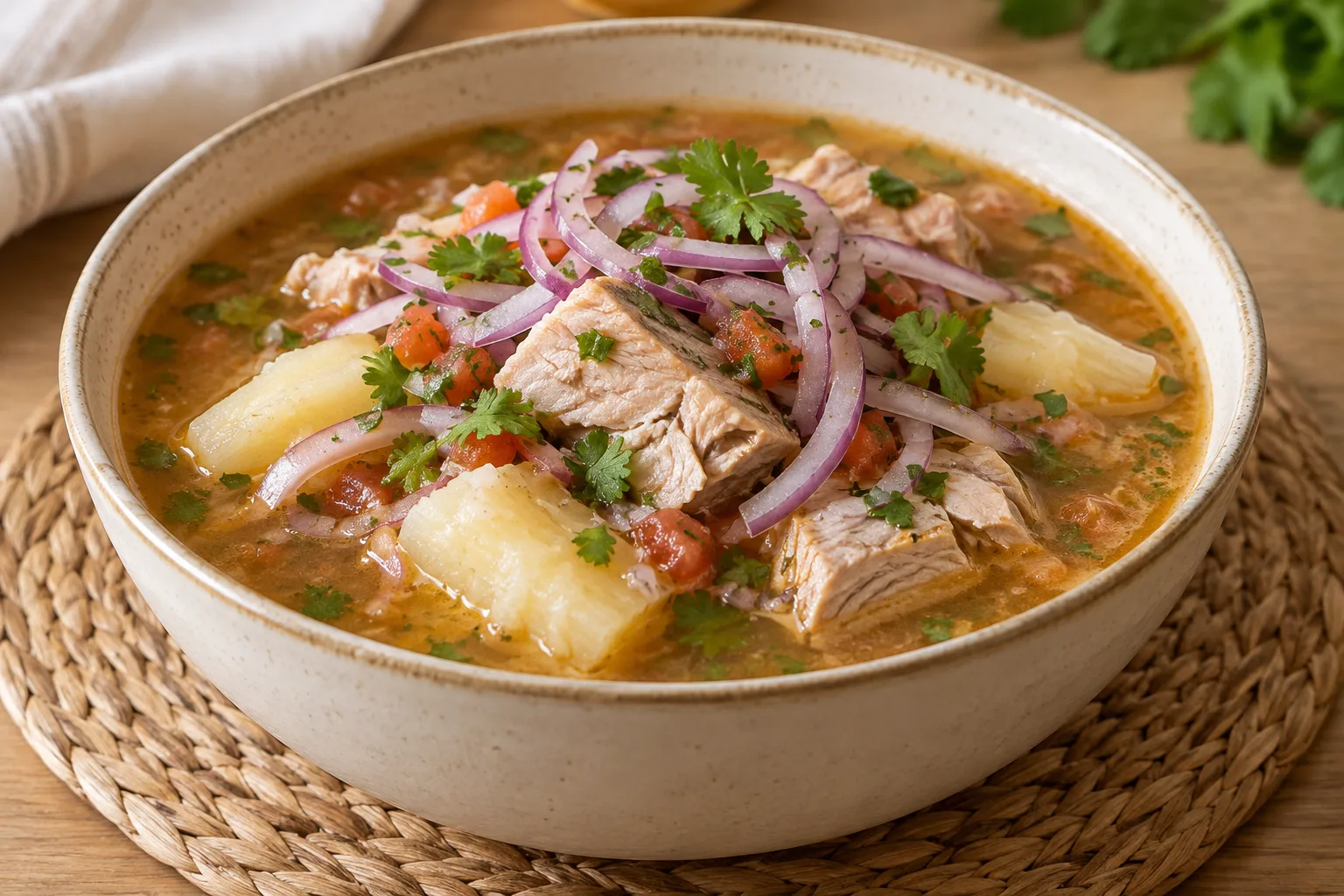
Choose fresh bonito or tuna when you want fish as the center of a meal, or when you plan to cut it for a salad, plancha-style cooking or a stew. The best choice depends on the identified species, cut and intended result: a common name alone does not guarantee that two pieces are interchangeable. The fish can also be used in pasta dishes, with vegetables or in marinated preparations. For a recipe that depends on a particular species, or for fish intended to be eaten raw, do not rely only on the words “bonito” or “tuna”; confirm the identity and suitability with the seller.
How to use it
First confirm what fish you have and which cut you are using; “bonito” and “tuna” may refer to different species. Pat the surface dry before cooking and choose a method suited to the cut and intended dish. A hot plancha or grill works for a piece of fish; a pan or oven is also an option. For a salad, let cooked fish cool before adding it, or combine it with leafy greens, tomato, olives and olive oil. For pasta, flake or cut the fish into pieces and fold it in near the end with the pasta and a sauce such as pesto. Escabeche is another preparation associated with bonito. Do not assume that fish labeled bonito or tuna is suitable to eat raw: ask specifically about its species and whether it is intended for that use.
Flavour and texture
Flavor and texture are not uniform because common names can refer to different tuna-group fish. Some pieces are described as having paler, more delicate flesh, while others have a stronger flavor or firm texture. The cut and cooking method also affect the result. If you need a particular outcome, choose by species and cut rather than relying only on a “bonito or tuna” label. Avoid keeping fish over heat longer than the chosen preparation requires, as it can lose juiciness.
How to choose it
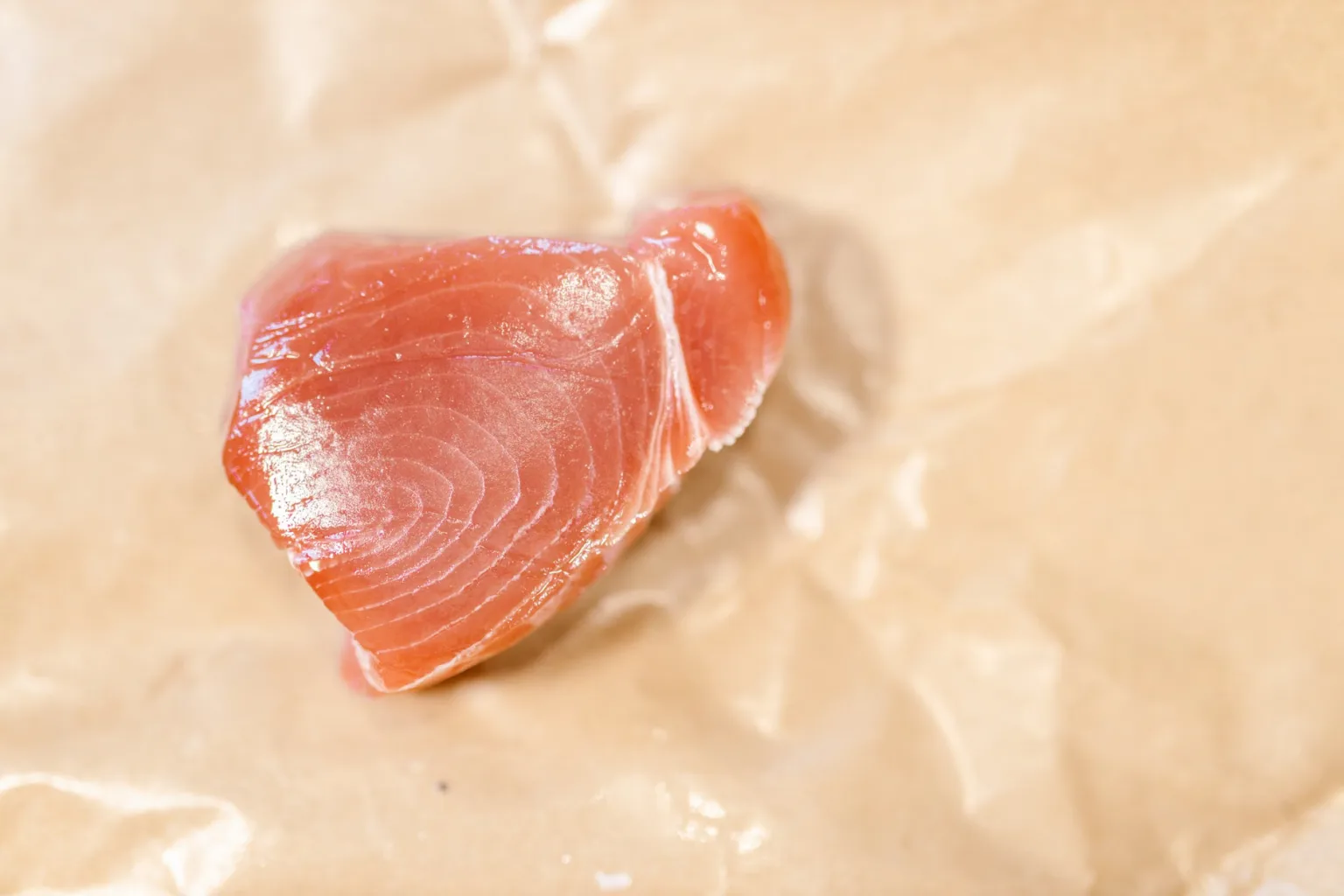
Look for a label that identifies the species, or ask the fishmonger, in addition to checking the common name and confirming that it is sold fresh. Available buying guidance describes a naturally bright appearance, clear eyes and firm flesh as signs to look for; fillets should have an even pink color and no unpleasant smell. These checks can help assess the product, but they do not identify the species or establish that it is suitable to eat raw. If species or intended use matters to your recipe, confirm it before buying.
Storage
Available information advises using fresh bonito promptly and freezing it if it will not be prepared. It does not provide a specific official storage rule that applies to every species sold under the names bonito or tuna. Follow the seller’s instructions and your local official food-safety guidance for fresh fish. Do not use the common name or appearance to infer how long the fish can be stored.
Substitutions
Another fresh tuna-group fish may work if you know its species and choose a cut suited to the same preparation. Canned bonito or tuna can be used in salads, pasta and fillings when fresh fish is not essential. Canning changes the texture, and a product name does not guarantee the same species. Adjust the method to the fish you actually buy.
Common mistakes
A frequent mistake is treating “bonito” and “tuna” as unambiguous names for one species. It is also easy to assume every piece has the same flavor or texture, or that fish with either label can be eaten raw. Check the species and intended use; do not apply the characteristics of one particular variety to the whole group.
Safety and allergens
Bonito and tuna are fish; prevent cross-contact with foods that must be kept separate because of a fish allergy. Follow the seller’s and local authorities’ directions for handling and storage. Do not assume fish is suitable to eat raw from its name or appearance; confirm this specifically.
Culinary uses
- Main ingredient in grilled or pan-cooked fish dishes
- Flaked or sliced addition to salads, pasta and other composed dishes
- Ingredient for marinades and escabeche-style preparations
Recommended techniques
- Grilling or cooking on a hot plancha
- Brief pan-cooking or baking
- Serving raw only when the fish is specifically sold and handled for that purpose
- Using cooked or preserved fish in salads and pasta
Pairs well with
- Olive oil and lemon
- Tomato, onion and peppers
- Leafy greens, olives and avocado
- Pasta and pesto
Frequently asked questions
Are bonito and tuna the same fish?
Not necessarily. Tuna can name several species, and bonito can also refer to different fish depending on regional usage. Check the species name when it matters.
How can I cook it?
A piece can be cooked on a plancha or grill, in a pan or in the oven. The cut and species help determine the most suitable method.
Can I eat it raw?
Do not infer that from a “bonito” or “tuna” label. Ask the seller whether the species and product are suitable for that use, and follow local official guidance.
Ingredient allergens
Allergen listThere are no verified associations for these ingredients yet.
Sources and review
Automatically researched, cross-checked and validated content. Sources consulted:
- Client Challenge doi.org/10.2307/jj.27939689.16
- The Essential Glossary of Cooking Terms for the Culinary Arts - Escoffier www.escoffier.edu/blog/culinary-arts/the-essential-glossary-of-cooking-terms-for-the-culinar…
- Agencia Española de Seguridad Alimentaria y Nutrición www.aesan.gob.es/
- Recetas y redes sociales: posts culinarios y la alimentación familiar como parte de la maternidad española / Recipes and Social Media: Culinary Posts and Family Food as Part of Spanish Motherhood | Published in Hispanic Studies Review hispanicstudiesreview.cofc.edu/article/36458-recetas-y-redes-sociales-posts-culinarios-y-la-…
- Canned Tuna - Food Source Information www.chhs.colostate.edu/fsi/food-articles/shellfish-and-seafood/canned-tuna/
- Skipjack Tuna – Discover Fishes www.floridamuseum.ufl.edu/discover-fish/species-profiles/skipjack-tuna/
- "Spatial and temporal fishing patterns at the outer banks of the Southe" by Daniel J. Pondella II, Matthew J. Robart et al. scholarsarchive.byu.edu/wnan/vol78/iss3/6/
- Lista de pescados www.purdue.edu/hhs/nutr/fish4health/mobile/spanish/list.html
- Materializing the blue economy: tuna fisheries and the ... journals.librarypublishing.arizona.edu/jpe/article/2120/galley/2379/view/
- ▷ Que es mejor el bonito o el atún: diferencias y cuál elegir costapujol.cat/blog/que-es-mejor-el-bonito-o-el-atun/?srsltid=AYCX9vJI4GjitYrtf5hMoKrAqJe3sa…
- Bonito del Norte o Atún, ¿cómo diferenciarlos? - Conservas Artesanas Rosara rosara.com/bonito-del-norte-o-atun-como-diferenciarlos/?srsltid=AYCX9vIcxyKBtkmSgNmv_SjD3N9c…
- Pescado bonito: Propiedades y recetas para esta temporada www.elalmacendepredicadores.com/pescado-bonito/
- - YouTube www.youtube.com/watch?v=pu2ttIwQeNA
- Food allergen labelling and information requirements technical guidance - GOV.UK www.gov.uk/government/publications/food-allergen-labelling-and-information-requirements-tech…