- Category
- Meat
- State
- Fresh
- Usual unit
- unit
What it is
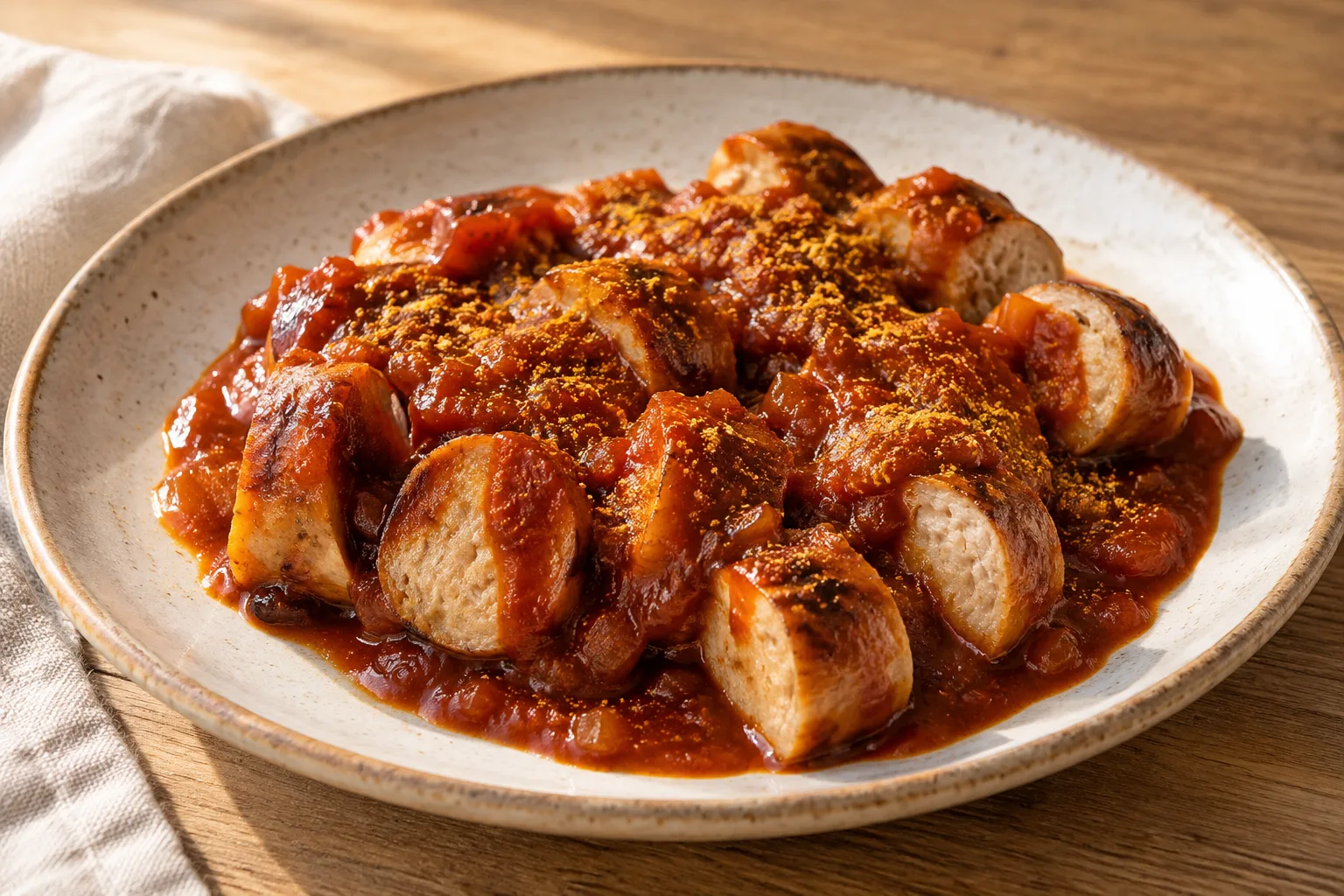
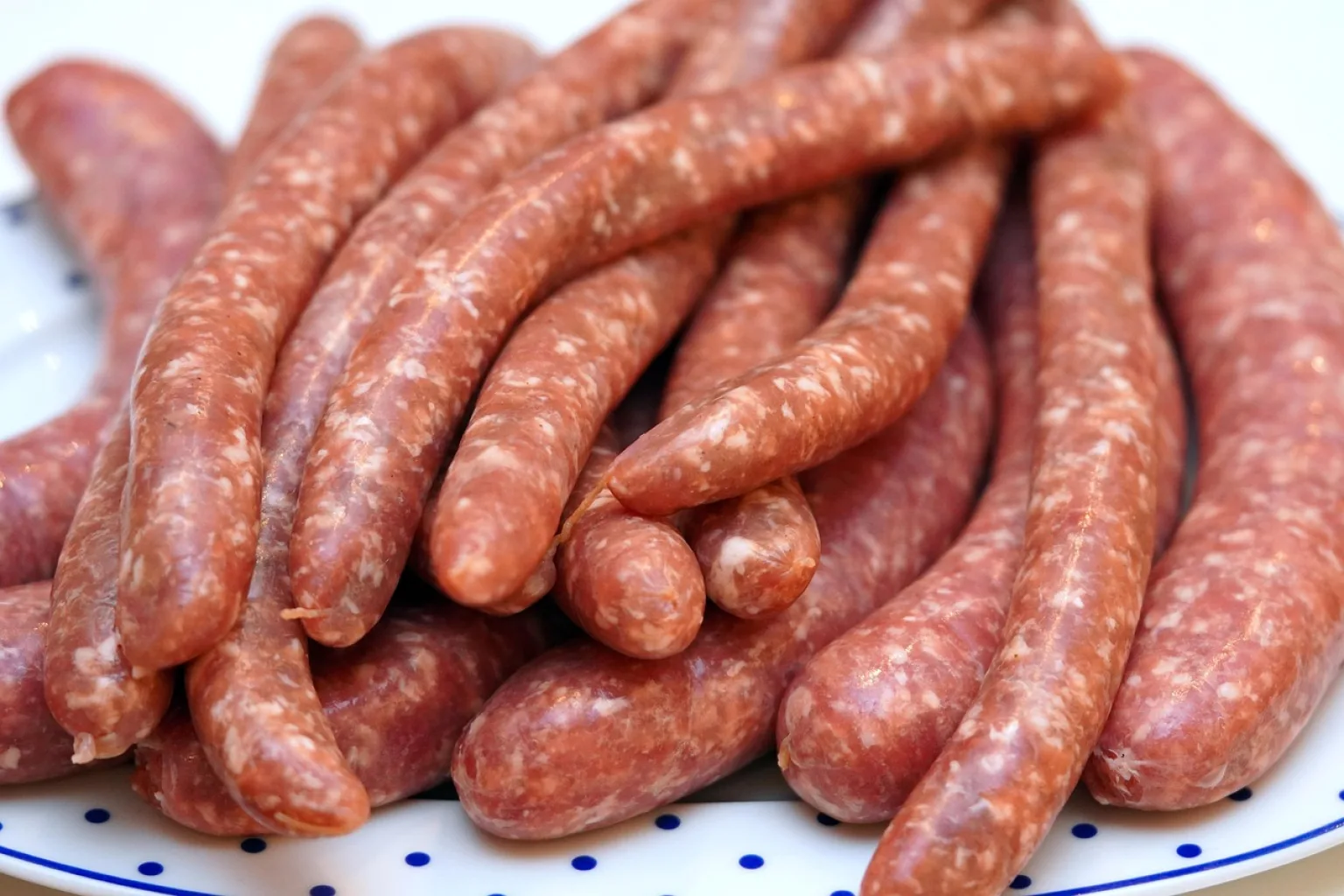
Bratwurst does not describe one fixed recipe; it refers to a family of sausages associated with Germany. Many varieties are made with pork, while others use beef or a mixture of meats. Seasonings, size, texture, and preparation differ among regional styles and products. Some are sold raw and others precooked, so the name alone does not tell you whether a sausage is ready to eat. Check the package for its ingredients and preparation instructions. Their elongated shape makes them convenient for grilling, pan-cooking, or serving in a roll, but the best cooking method depends on the specific product.
When to use it
Choose bratwurst for a main course, a barbecue, or a filling for a bread roll. Regional styles can differ in size, texture, and seasoning, so select one that suits the dish and check the package before cooking. Raw bratwurst must be cooked before eating; precooked products may only need heating, according to their instructions. For a straightforward meal, serve with mustard, bread, sauerkraut, or potato salad. You can also slice cooked bratwurst and add it to dishes that suit sausage. Always match the cooking method to the product rather than assuming every bratwurst is made or sold in the same way.
How to use it
Start by checking the package: bratwurst may be sold raw or precooked, and the two forms do not have the same preparation requirements. Cook raw sausages before serving and follow the manufacturer’s instructions; handle and heat precooked ones according to their label as well. Depending on the product, cook them on a grill, in a frying pan, or on a griddle. Turn them so they brown evenly, and use the package guidance to determine when they are ready rather than relying only on the outside color. Serve them whole on a plate or in a roll with mustard and sauerkraut, or alongside potato salad. If you plan to slice them into another dish, cook them according to their product type first.
Flavour and texture
Flavor depends on the particular style: many bratwurst are mildly or warmly seasoned, but there is no single seasoning blend shared by all varieties. Meat, size, and texture also vary, while the casing can develop a firm exterior when browned. Raw and precooked bratwurst differ in how they must be prepared, so check the label to identify the product you have.
How to choose it
Read the label to find out whether the sausage is raw or precooked, which meats it contains, and what cooking instructions apply. Bratwurst covers regional styles and different products, so do not assume a particular meat, spice blend, or size from the name alone. Choose an intact package and check its stated storage conditions.
Storage
Store the product according to its package directions, and distinguish raw bratwurst from precooked bratwurst because their handling and preparation requirements differ. After opening, follow the manufacturer’s storage guidance and avoid leaving the sausage unrefrigerated longer than necessary. If you cannot confirm how a product should be stored or how long it keeps, consult its label or the seller rather than assuming all styles have the same storage life.
Substitutions
Another fresh sausage made from pork, beef, or a mixture of meats can stand in, although its flavor and size may differ. Check whether the substitute is raw or precooked and adjust preparation to its label. For a particular dish, choose a sausage with a similar thickness and seasoning profile.
Common mistakes
Do not assume all bratwurst is raw, precooked, or ready to eat; check the label. Another common mistake is choosing a substitute without allowing for differences in meat, size, or seasoning. Do not rely on a browned exterior alone to decide whether a raw sausage is ready; follow the product instructions.
Safety and allergens
Raw bratwurst must be cooked before eating. Follow the package instructions for cooking and storage, and do not eat the product if you cannot confirm how it should be prepared or that it has been stored appropriately.
Culinary uses
- Main component of a meal
- Grilled or pan-cooked filling for a bun
Recommended techniques
- Grilling or barbecuing
- Pan-frying
- Cooking in water, if appropriate for the product
Pairs well with
- Mustard
- Sauerkraut or potato salad
- Bread or rolls
Frequently asked questions
Is all bratwurst made from pork?
No. Pork is common, but some varieties use beef or a mixture of meats. Check the ingredients on the specific product.
Is bratwurst sold raw or precooked?
It can be sold in either form. The name alone does not tell you which; check the label and follow its directions.
How is bratwurst commonly served?
It can be served whole, in a roll, or as part of a plate, with accompaniments such as mustard, sauerkraut, or potato salad. Styles and customs vary.
Ingredient allergens
Allergen listThere are no verified associations for these ingredients yet.
Estimated nutrition
- Fat
- 36.8 g
- Saturates
- 15.8 g
- Carbohydrate
- 7.02 g
- Sugars
- 1.75 g
- Protein
- 14 g
- Salt
- 1.76 g
Sources and review
Automatically researched, cross-checked and validated content. Sources consulted:
- Client Challenge doi.org/10.2307/jj.27939689.16
- The Essential Glossary of Cooking Terms for the Culinary Arts - Escoffier www.escoffier.edu/blog/culinary-arts/the-essential-glossary-of-cooking-terms-for-the-culinar…
- Tipos de salchichas: variedades y características www.campofrio.es/tipos-de-salchichas
- Historia de las Salchichas Alemanas: Un Símbolo de la Gastronomía Germana • Kurz & Gut www.kurz-gut.com/historia-de-las-salchichas-alemanas-un-simbolo-de-la-gastronomia-germana/
- Gastronomía alemana y sus tipos de salchichas – Gastronoming www.gastronoming.com/gastronomia-alemana-tipos-de-salchichas-alemanas/
- Para la ciudadanía www.aesan.gob.es/para-la-ciudadania
- The Soul of Spanish Charcuterie | Institute of Culinary Education www.ice.edu/blog/soul-spanish-charcuterie
- Dry Fermented Sausage and E. coli O157:H7 - 1996 meatsci.osu.edu/sites/meatsci/files/imce/1996_dry_fermented_sausage.pdf
- Diferencias entre las salchichas Bratwurst y Bockwurst - Kommen kommen.es/blog/diferencia-salchicha-bratwurst-bockwurst/
- Salchichas alemanas: un alimento milenario con más de 1500 variedades - Picken picken.es/salchichas-alemanas-un-alimento-milenario-con-mas-de-1500-variedades/
- Bratwurst - Wikipedia, la enciclopedia libre es.wikipedia.org/wiki/Bratwurst