- Category
- Grains, flour and pasta
- State
- Fresh
- Usual unit
- g
What it is
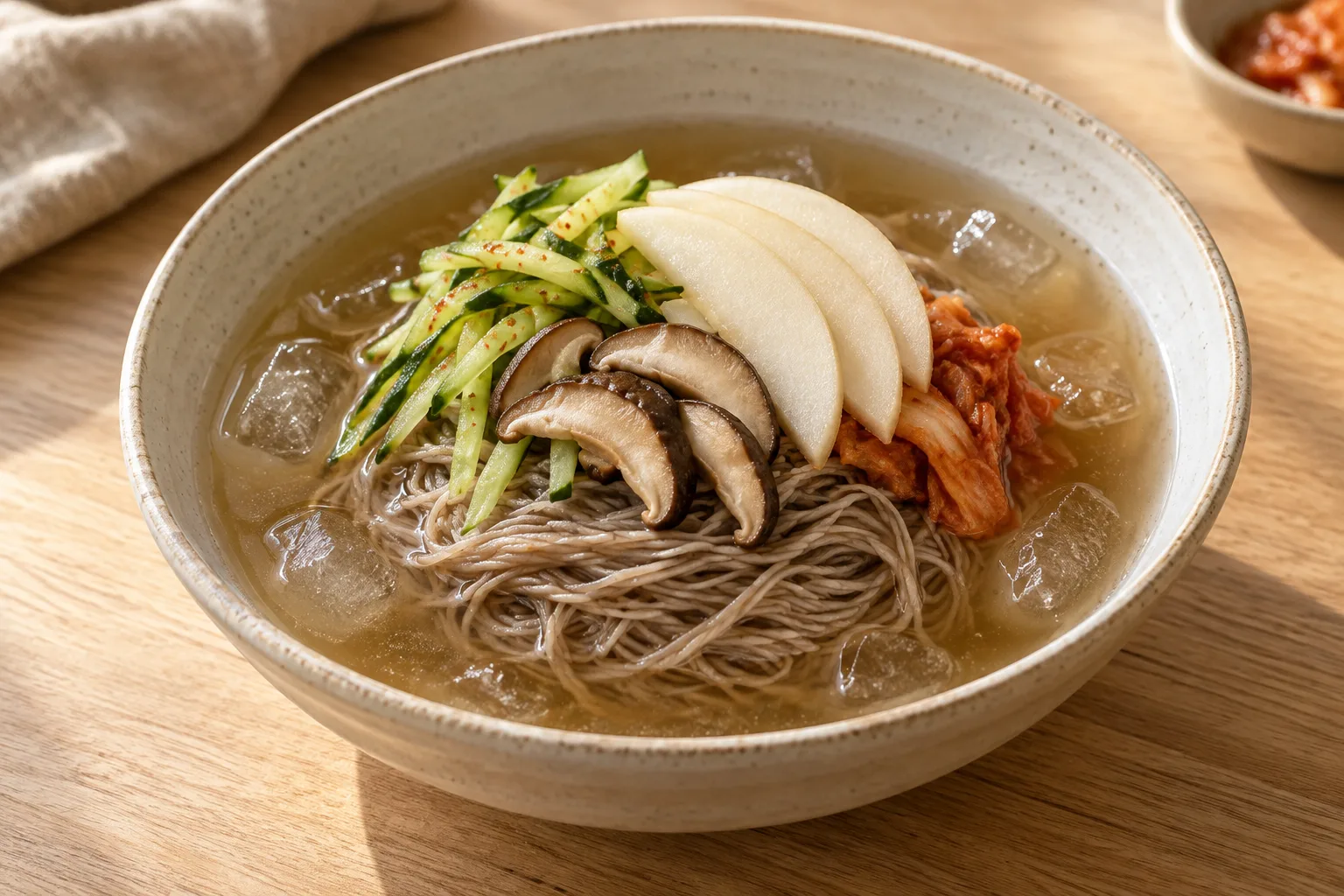
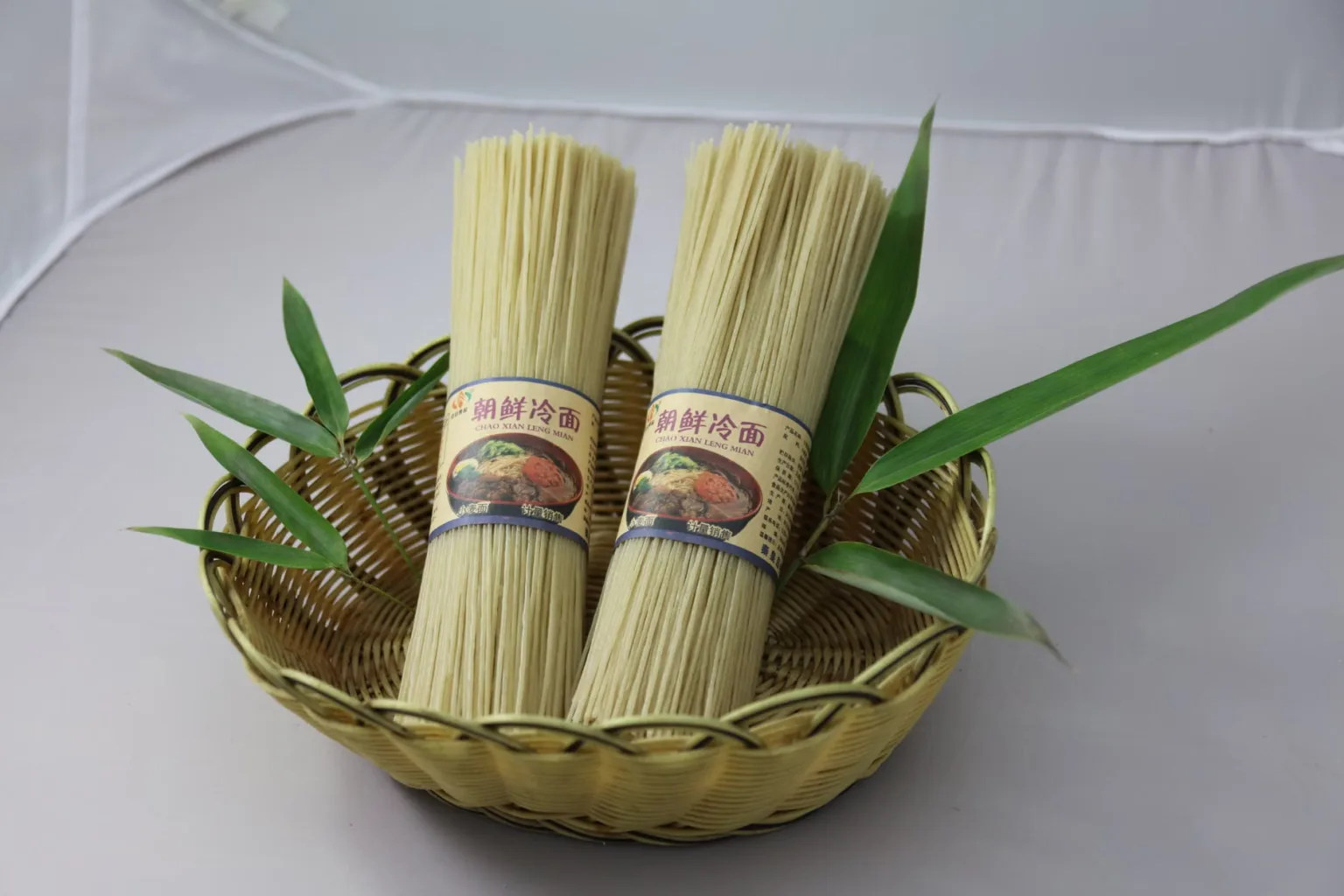
Buckwheat noodles are pasta made with flour from buckwheat, a plant used as a pseudocereal and botanically distinct from common wheat. Some Japanese-style noodles are known as soba. The name alone does not mean that a noodle is made entirely from buckwheat: recipes may also include wheat flour. Products can therefore differ in ingredients, flavor and cooking instructions. Check the package rather than relying on the name or appearance to identify what is in the noodles. Buckwheat noodles can be served in hot dishes or chilled preparations, and work as a base for sauces, vegetables and other toppings.
When to use it
Use them as a quick base for a meal with vegetables, egg, mushrooms or another protein you enjoy. They suit both hot dishes and cold bowls, so they can go into a stir-fry or a salad. Choose a product with a higher buckwheat proportion if you want its flavor to be more prominent, and check the ingredient list because recipes vary. If you need to avoid gluten, do not rely on the words “soba” or “buckwheat” alone: check the full ingredient information and the package labeling.
How to use it
Read the package directions first, since the noodle format and flour blend can affect how they should be cooked. Cook as directed, check the texture before draining, and drain thoroughly. For a cold salad, cool the cooked noodles and toss them with vegetables and a dressing; for a hot meal, pair them with cooked vegetables, egg or mushrooms and add sauce at the end. Soy-and-sesame sauce is one possible pairing, but check its ingredients if you have dietary restrictions. Do not assume every soba product contains the same amount of buckwheat or needs the same cooking time.
Flavour and texture
Flavor depends on the proportion of buckwheat and the other ingredients in the noodles. Products with more buckwheat often have a more distinctive, toasted character, while blends may taste milder. When cooked as directed, the noodles should be tender, but the result varies with the product and cooking method. Color alone cannot confirm how much buckwheat a package contains.
How to choose it
Read the ingredient list and compare the amount of buckwheat flour with wheat or other flours. “Soba” does not necessarily mean 100% buckwheat. If you need to avoid gluten, look for suitable labeling and check the complete product information, not only the product name or front-of-pack images.
Storage
Follow the package storage directions, which can differ between fresh and dried noodles and between products. Reseal an opened package or store it as the manufacturer directs. Once cooked, refrigerate leftovers promptly in a clean, covered container and follow applicable guidance for that product; do not leave them sitting at room temperature.
Substitutions
Rice noodles can provide a different alternative, or you can use wheat noodles if gluten is suitable for you. You can also choose another soba product with a different buckwheat proportion. Flavor, texture and cooking directions may change, so adapt the preparation to the package for the noodles you choose.
Common mistakes
A common mistake is assuming all soba noodles are made entirely from buckwheat; some contain wheat flour. Another is applying the same cooking time to every product instead of following its package directions and checking the texture. For a cold dish, drain the noodles well before dressing them so the salad does not become watery.
Safety and allergens
If you need to avoid gluten, check the ingredients and package information: some buckwheat noodles contain wheat. Check sauces for ingredients that matter to you, and cook the noodles according to their package directions.
Culinary uses
- Base de plat principal
- Accompagnement chaud ou froid
- Ingrédient de salades et de plats sautés
Recommended techniques
- Cuire selon les instructions de l’emballage, puis égoutter
- Rincer après cuisson si l’on souhaite refroidir les nouilles pour une salade
- Mélanger avec une sauce après cuisson
Pairs well with
- Sauce soja, sésame et légumes
- Champignons et œuf
- Poisson fumé et crème acidulée
Frequently asked questions
Are buckwheat noodles always gluten-free?
No. Buckwheat is naturally gluten-free, but some noodles also contain wheat flour. Check the ingredient list and package information.
What does soba mean?
Soba is a common name for certain Japanese noodles made with buckwheat, but the proportion of buckwheat varies and some products include wheat.
How can I serve buckwheat noodles?
Serve them hot with vegetables, egg or mushrooms, or chilled in a salad with vegetables and dressing. Follow the cooking directions on your package.
Ingredient allergens
Allergen listThere are no verified associations for these ingredients yet.
Sources and review
Automatically researched, cross-checked and validated content. Sources consulted:
- ¿Por qué la muerte es origen de miedos y tabúes? doi.org/10.64628/aao.fccyk3qj3
- llistat 2013 cast (28/10/2024) repositori.upf.edu/bitstreams/c4c43b47-506d-47a4-b688-3d38019a7ceb/download
- Propuesta de aplicación de técnicas de elaboración de pasta con especias dulces en preparaciones de cocina de autor | OpenAlex openalex.org/W2935162661
- necocast.pdf www.iula.upf.edu/rec/ricoterm/docums/necocast.pdf
- Trigo sarraceno, alimento natural – Botanical-online www.botanical-online.com/plantas-medicinales/trigo-sarraceno-alimentacion
- Trigo sarraceno o alforfón, el cereal de nombre confuso que no tiene gluten: qué es y cómo usarlo en la cocina con cinco recetas www.directoalpaladar.com/ingredientes-y-alimentos/trigo-sarraceno-alforfon-cereal-nombre-con…
- - YouTube www.youtube.com/watch?v=AqT9TdejSds
- Alforfón: el trigo sarraceno • Boroa Jatetxea www.boroa.com/alforfon-el-trigo-sarraceno/
- Alforfón - Trigo Sarraceno magradacatalunya.com/school/sarraceno/
- Trigo sarraceno: qué es, formas de consumirlo, como cocinarlo y recetas www.conasi.eu/blog/consejos-de-salud/trigo-sarraceno-pseudocereal-versatil/
- Trigo sarraceno: qué es, cómo usarlo y cuándo elegirlo – Beatriz Pérez Nutrición www.beatrizpereznutricion.es/blogs/guias/trigo-sarraceno-alimento-ancestral-celiacos-deporti…
- Alforfón | Cook for Your Life www.cookforyourlife.org/es/nuestro-blog-de-cocina/alforfon/
- Trigo sarraceno, trigo negro o alforfón. ¿Es trigo de verdad?¿Qué es? Beneficios y usos en la cocina www.abc.es/recetasderechupete/trigo-sarraceno-trigo-negro-o-alforfon-es-trigo-de-verdadque-e…