- Category
- Vegetables
- State
- Fresh
- Usual unit
- leaves
What it is
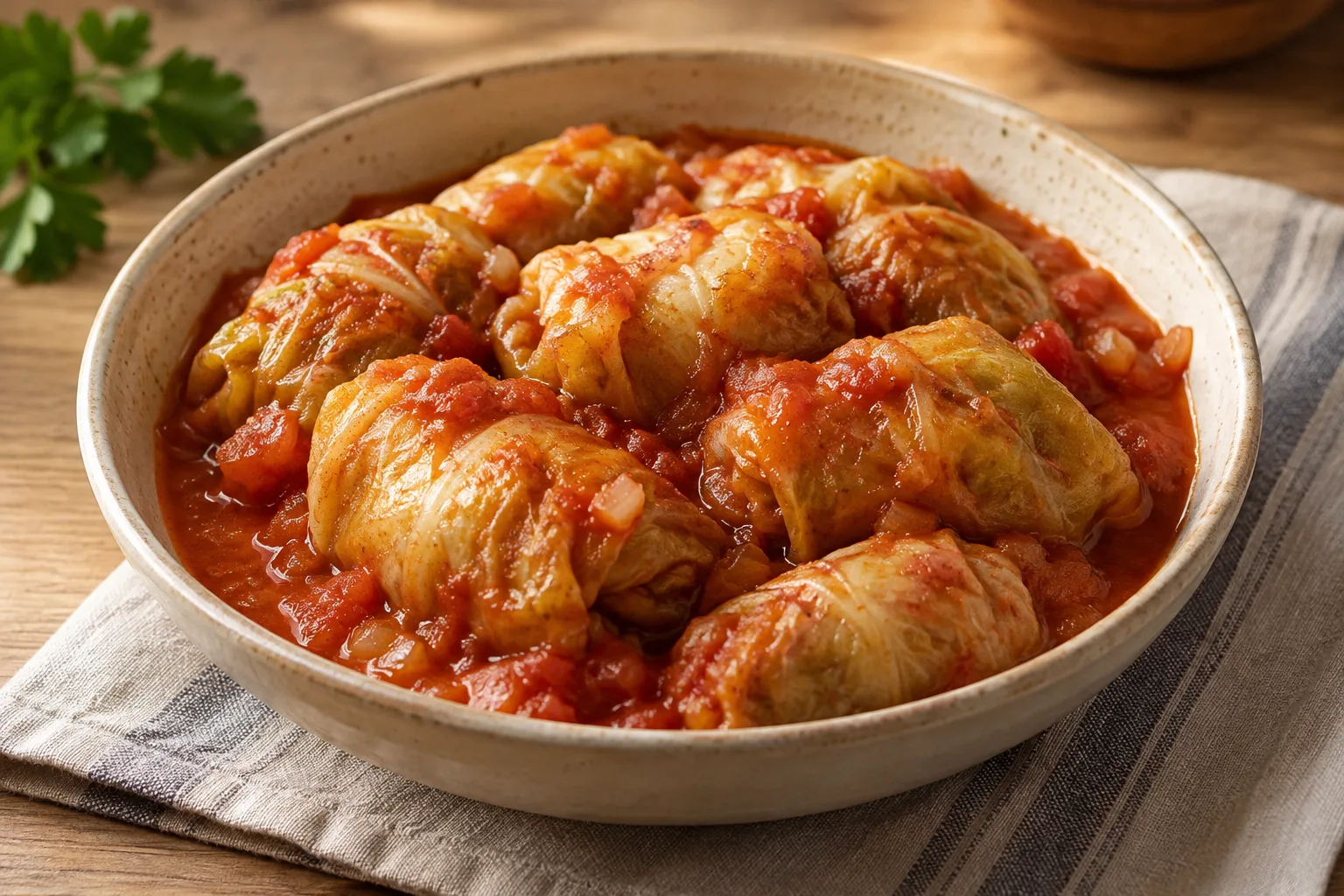
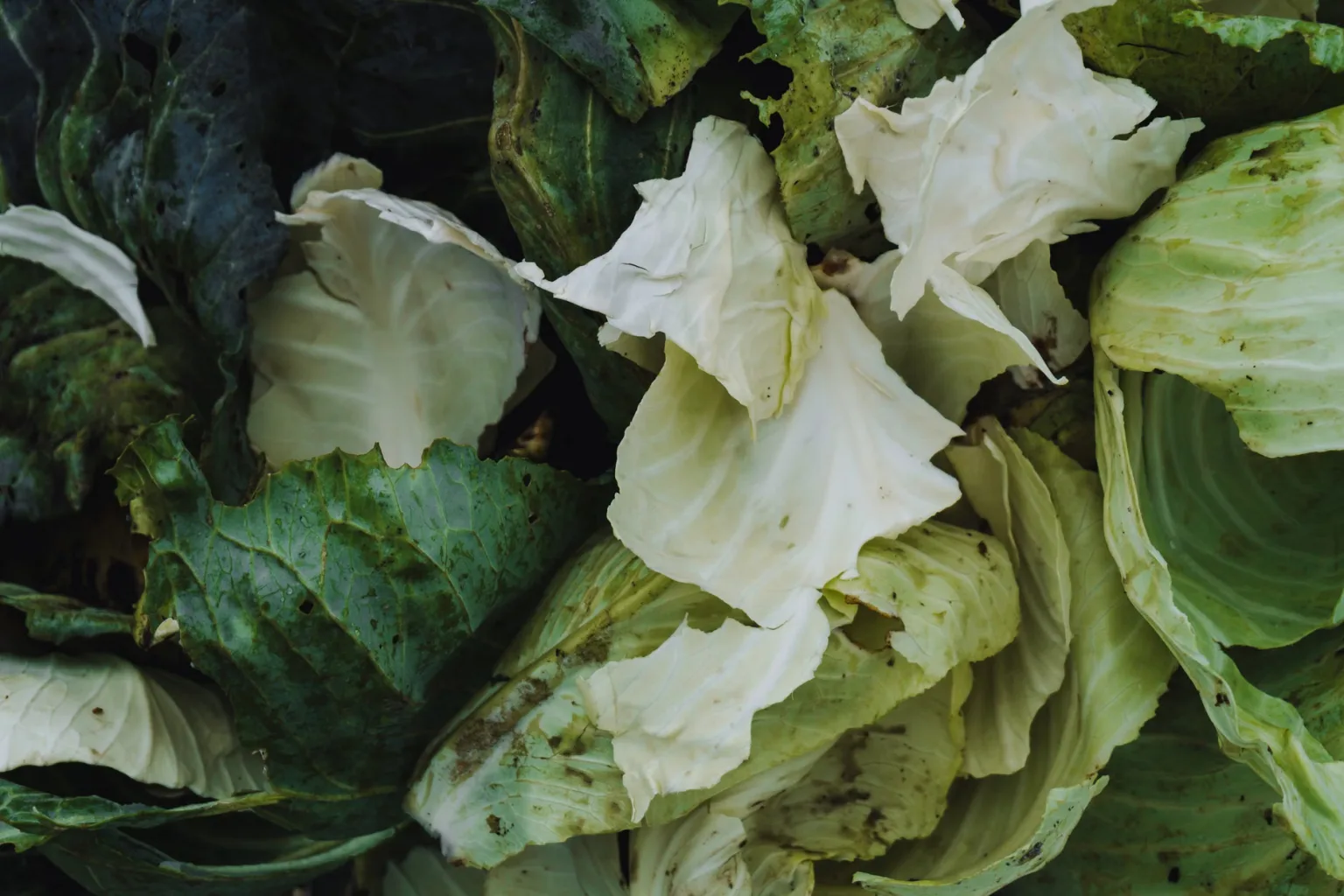
Cabbage leaves for sarmale are whole leaves used as an edible wrapper for a filling. In a common sarmale preparation, the leaves enclose a mixture that may include minced meat and rice, and the rolls are cooked in a pot with liquid and seasonings. Fresh leaves can be softened before filling, while fermented cabbage leaves bring a more distinctly sour and salty flavor. Recipes differ: some use blanched fresh cabbage, while others use fermented leaves. The leaf should bend around the filling without splitting. Trimming or thinning the thick central rib makes the leaves easier to handle, especially where the rib is firm. The same kind of leaf can also be used for other stuffed cabbage rolls.
When to use it
Use whole cabbage leaves when you want to wrap individual portions of filling for sarmale, stuffed cabbage rolls, or a similar dish cooked in liquid. Fresh leaves are a practical choice when fermented cabbage is unavailable, but they need softening before they can be rolled easily. Choose leaves large enough to cover the filling, and trim thick central sections if they resist folding. Fermented leaves suit preparations where a tangy, salty cabbage flavor is wanted. Any leftover cabbage can be sliced and used as a base or a top layer in the pot alongside the rolls.
How to use it
Carefully separate the leaves so they remain whole, then wash them. Trim or shave down the thickest part of the central rib, which can make rolling difficult. For fresh leaves, blanch or simmer them briefly until pliable, then drain before filling. Put a portion of filling near one end, fold the sides inward, and roll the leaf around it without packing it too tightly; rice can expand as it cooks. Arrange the rolls in a pot and cook them with the liquid and seasonings specified for your recipe. If using fermented leaves, taste them first and rinse them if they are too salty. Chop any leftover cabbage and use it beneath or over the rolls.
Flavour and texture
Fresh cabbage has a mild, vegetal flavor and a firm, crisp texture when raw. Blanching or briefly simmering softens the leaves and makes them more flexible for wrapping, while they still need enough structure to hold together. Fermented leaves have a tangier, saltier character and can change the overall seasoning of the dish. The finished flavor also depends on the filling and cooking liquid: the leaves take on some of the tomato, herb, and seasoning flavors around them.
How to choose it
Choose a cabbage with intact, workable leaves that can be separated and used to wrap filling. Avoid leaves that are torn or visibly spoiled, and consider leaf size: larger leaves are often easier to roll. If buying fermented leaves, check that the product is clearly identified as a food and taste for saltiness before cooking; some recipes suggest rinsing leaves that taste very salty. Fresh and fermented leaves are not identical substitutes, since fermented leaves contribute their own acidity and salt.
Storage
Keep fresh cabbage whole until you are ready to separate the leaves, and do not leave loose leaves unprotected. Once separated, refrigerate them in a clean container or bag and use them soon; the available evidence does not establish a specific storage period. Store fermented leaves according to the package directions. After blanching, drain the leaves and proceed with the recipe rather than leaving them exposed for a long time. Do not use leaves that show visible signs of spoilage.
Substitutions
Fermented cabbage leaves can replace fresh ones, but they add more acidity and salt, so taste them before seasoning the filling or sauce. Grape leaves are another possible wrapper for stuffed rolls, but they produce a different dish and do not reproduce cabbage flavor. For a recipe that calls for fresh leaves, use softened fresh cabbage; for a tangier version, choose fermented leaves and adjust the other seasonings.
Common mistakes
Do not try to roll stiff fresh leaves without softening them first, as they may tear when folded. A thick central rib can also stop a leaf from closing neatly, so trim or thin it. Avoid packing rolls too tightly when the filling contains rice, which can expand during cooking. With fermented leaves, do not automatically add salt; taste them first because they may already be salty.
Safety and allergens
Wash fresh leaves before preparation and follow package storage directions for fermented leaves. If the filling contains meat, cook the dish thoroughly and safely; no specific temperature is given here.
Culinary uses
- Wrapping leaves for stuffed cabbage rolls such as sarmale
- A cooked vegetable layer or topping in a layered pot of stuffed rolls
Recommended techniques
- Separate leaves from the head
- Blanch or briefly simmer until pliable
- Trim the thick central rib before filling and rolling
Pairs well with
- Rice and seasoned minced meat in stuffed cabbage rolls
- Tomato sauce, onion, herbs, and pepper in sarmale-style dishes
Frequently asked questions
Do cabbage leaves need blanching before making sarmale?
Fresh leaves are blanched or briefly simmered to soften them and make rolling easier. Fermented leaves may already be flexible enough to use as they are.
Can fermented cabbage leaves replace fresh ones?
Yes. They add more sourness and salt, so taste them first and adjust the salt in the filling and cooking liquid.
Why trim the central rib?
The thickest part of the rib can make a leaf difficult to fold. Thinning it helps you wrap the filling with less risk of tearing the leaf.
Ingredient allergens
Allergen listThere are no verified associations for these ingredients yet.
Sources and review
Automatically researched, cross-checked and validated content. Sources consulted:
- Client Challenge doi.org/10.2307/j.ctvndv9t9.22
- Chucrut - Wikipedia, la enciclopedia libre es.wikipedia.org/wiki/Chucrut
- Qué es eso llamado epistemología, para qué sirve, por qué es inexcusable para la universidad y para la paz | Reencuentro. Análisis de problemas universitarios doi.org/10.24275/uamxoc-dcsh/reencuentro/202386-14
- Sarmale con hojas de col (receta tipica de rumania) - - Receta - Canal Cocina canalcocina.es/receta/sarmale-hojas-col-receta-tipica-rumania/
- - YouTube www.google.com/goto?url=CAESZgHrOzAV-LAw16HphzgPwScpQ0TH40BT67iXP6yLjaG3OxI-gtO5RBOYfPjoT1rF…
- Sarmale o rollitos de carne. Receta tradicional de Rumanía - De Rechupete www.abc.es/recetasderechupete/sarmale-o-rollitos-de-carne-con-hojas-de-repollo-receta-tipica…
- Sarmale, los rollitos de carne típicos rumanos ¡paso a paso! www.cocinatis.com/receta/sarmale.html