- Category
- Fruit
- State
- Fresh
- Usual unit
- unit
What it is
Calamansi, also called calamondin, is a small citrus fruit usually about two to three centimetres across. It belongs to the Rutaceae family. Green fruit resembles a tiny lime; as it ripens, the peel can turn orange. The juice is tart and aromatic, while the thin peel is edible, somewhat sweeter than the pulp, and can have a slight bitterness. Its acidity and sweetness change as it ripens, so taste it before adjusting a recipe.
When to use it
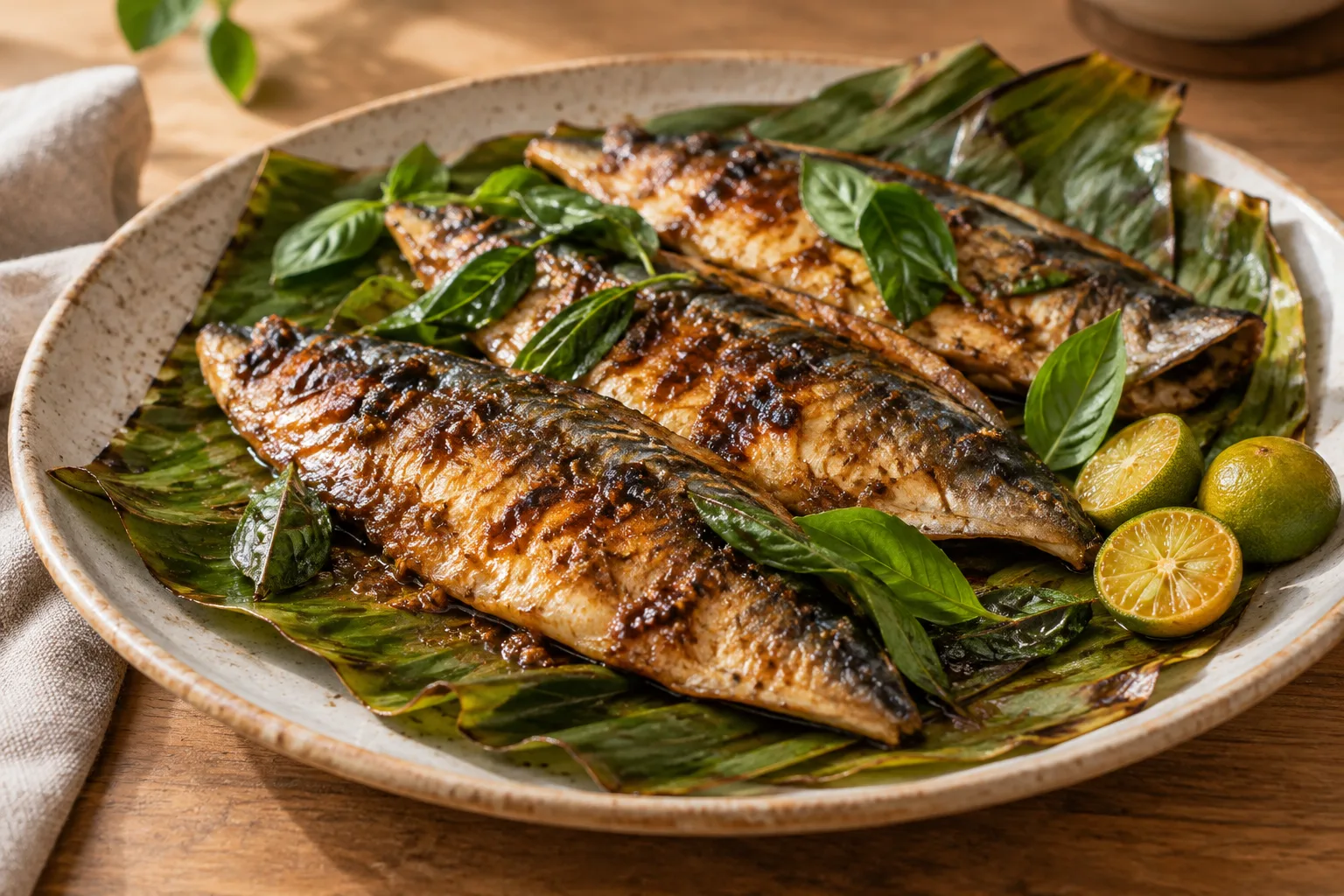
Use calamansi when you want to add citrus acidity and aroma in a small, adjustable amount. Its juice works with fish, seafood, meat, soups, curries, and sauces; it can also brighten drinks made with water, ice, and sugar. The peel contributes a sweeter citrus aroma to baking, chocolate, and other citrus fruits. Green fruit tends to taste more sharply tart, while orange, riper fruit may be a little sweeter.
How to use it
Wash and dry the fruit before cutting it. Halve it and squeeze the juice over a dish a little at a time, tasting as you go because its acidity can dominate. Add it to soups, sauces, curries, fish or seafood dishes, and marinades for meat or fish. For a drink, mix the juice with water and sweetener to taste, or freeze it in cubes for cold drinks. Finely grate the peel to flavour batters and desserts; the fruit can also be cooked into marmalade, jelly, or syrup.
Flavour and texture
The juice has bright acidity and a citrus aroma that can suggest both lime and mandarin. Its intensity depends on ripeness: green fruit tends to be more tart, while ripening can bring a little more sweetness. The peel is thin and edible, sweeter than the pulp, but it can also add bitterness. This balance makes the juice useful as a seasoning and the peel useful for aroma.
How to choose it
Choose fruit that looks fresh, with no soft patches, broken skin, or visible mould. Colour can vary: green calamansi is generally less ripe and more tart, while fruit turning orange is riper and may taste somewhat sweeter. If a recipe needs a precise balance, taste a drop of juice before adding it and adjust the amount to its acidity.
Storage
Keep whole fruit in a cool, dark, well-ventilated place, and avoid piling it up to reduce bruising and trapped moisture. Refrigeration can harm some citrus fruits, so do not assume the fridge is always the best choice. Check the fruit regularly and remove any pieces that begin to deteriorate. If you have cut one, refrigerate the remaining portion in a clean container and use it soon.
Substitutions
In marinades, drinks, and sauces, lime or lemon juice can stand in for calamansi when the main purpose is citrus acidity. The result will not be identical: calamansi has its own aromatic character, and its peel contributes different notes. Start with less substitute, taste, and adjust. For peel, mandarin or orange zest can provide citrus aroma, though it is less tart.
Common mistakes
Adding too much juice at once can make a dish excessively sour. Start with a small amount and taste before adding more. Do not assume green and orange fruit have the same intensity: ripeness affects the balance of tartness and sweetness. When using the peel, grate it finely and avoid adding large amounts of the white pith, which can intensify bitterness.
Safety and allergens
Wash the fruit before cutting or grating the peel. Discard fruit with visible mould or spoilage, and use a clean knife and preparation surface.
Culinary uses
- Acidic juice and seasoning
- Citrus aroma and edible peel
- Fruit for drinks and preserves
Recommended techniques
- Halve and squeeze the fruit
- Zest or finely grate the peel
- Use the juice in marinades, sauces, and drinks
- Cook into marmalade, jelly, or syrup
Pairs well with
- Seafood and fish
- Meat, curry, and soups
- Chocolate and other citrus fruits
- Water, tea, and sweetened drinks
Frequently asked questions
Can you eat calamansi peel?
Yes. The thin peel is edible and can be grated for aroma. It is usually sweeter than the pulp, though it can also add a slightly bitter note.
What is the difference between green and orange calamansi?
Green fruit is generally less ripe and more tart. As it ripens, the peel can turn orange and the flavour may become a little sweeter.
What can I use instead of calamansi juice?
Lime or lemon juice can provide similar citrus acidity in marinades, drinks, and sauces. Add it gradually, since the aroma and balance will not be exactly the same.
Ingredient allergens
Allergen listThere are no verified associations for these ingredients yet.
Estimated nutrition
- Fat
- 0 g
- Saturates
- 0 g
- Carbohydrate
- 12.9 g
- Sugars
- 11.7 g
- Fibre
- 0 g
- Protein
- 0 g
- Salt
- 0 g
Sources and review
Automatically researched, cross-checked and validated content. Sources consulted:
- ¿Por qué la muerte es origen de miedos y tabúes? doi.org/10.64628/aao.fccyk3qj3
- Client Challenge doi.org/10.2307/jj.27939689.16
- Tipos de Maridaje: de afinidad o contraste | Bartalent Lab www.bartalentlab.com/academy/tecnicas-sala-barra/clases-maridaje-combinacion-comida-bebida
- Gastronomía de Filipinas - Wikipedia, la enciclopedia libre es.wikipedia.org/wiki/Gastronom%C3%ADa_de_Filipinas
- Técnicas de cocina moderna y vanguardista | Fish Solutions : Pescanova Fish Solutions fishsolutions.pescanova.es/formacion-para-hosteleria/trucos-de-cocina-para-hosteleria/tecnic…
- La guía práctica para un buen maridaje - Industrias Espadafor S.A. espadafor.es/guia-para-un-buen-maridaje/
- Elementos del maridaje. La textura. – Terroaristas, el Blog del VINO terroaristas.com/elementos-del-maridaje-la-textura/
- El calamansí, el cítrico que endulza, aromatiza y condimenta | El Diario Montañés www.eldiariomontanes.es/cantabria-mesa/citrico-endulza-aromatiza-20221119211113-nt.html
- Calamansi - ¿Qué hay detrás de esta fruta tropical? | FreshMAG de Liebherr www.liebherr.com/es-es/refrigeradores-congeladores/freshmag/alimentos-a-z/calamansi-7810534
- Calamansí es.gastronomiac.com/product_glossary/calamansi/
- limon calamondin aromático de usos culinarios y medicinales www.viveroelrosal.com/limon-calamondin-descripcion-medicinal/
- ¿Puedes cultivar Calamansi? Zonas 9-12, fruta en ~1 año plotmygarden.com/es/plants/calamansi
- Citrofortunella microcarpa - Wikipedia, la enciclopedia libre es.wikipedia.org/wiki/Citrofortunella_microcarpa
- Guía básica para entender las armonías en el maridaje de vinos - Fraga do Corvo www.fragadocorvo.com/guia-para-entender-las-armonias-en-el-maridaje-de-los-vinos-tintos/
- Matriz de maridaje por textura, acidez y grasa para cartas de restaurante | Winerim winerim.wine/article/matriz-maridaje-textura-acidez-grasa-restaurante
- Vista de Cinética de secado de Citrus reticulata epsir.net/index.php/epsir/article/view/1423/1330