- Category
- Pulses
- State
- Canned
- Usual unit
- g
What it is
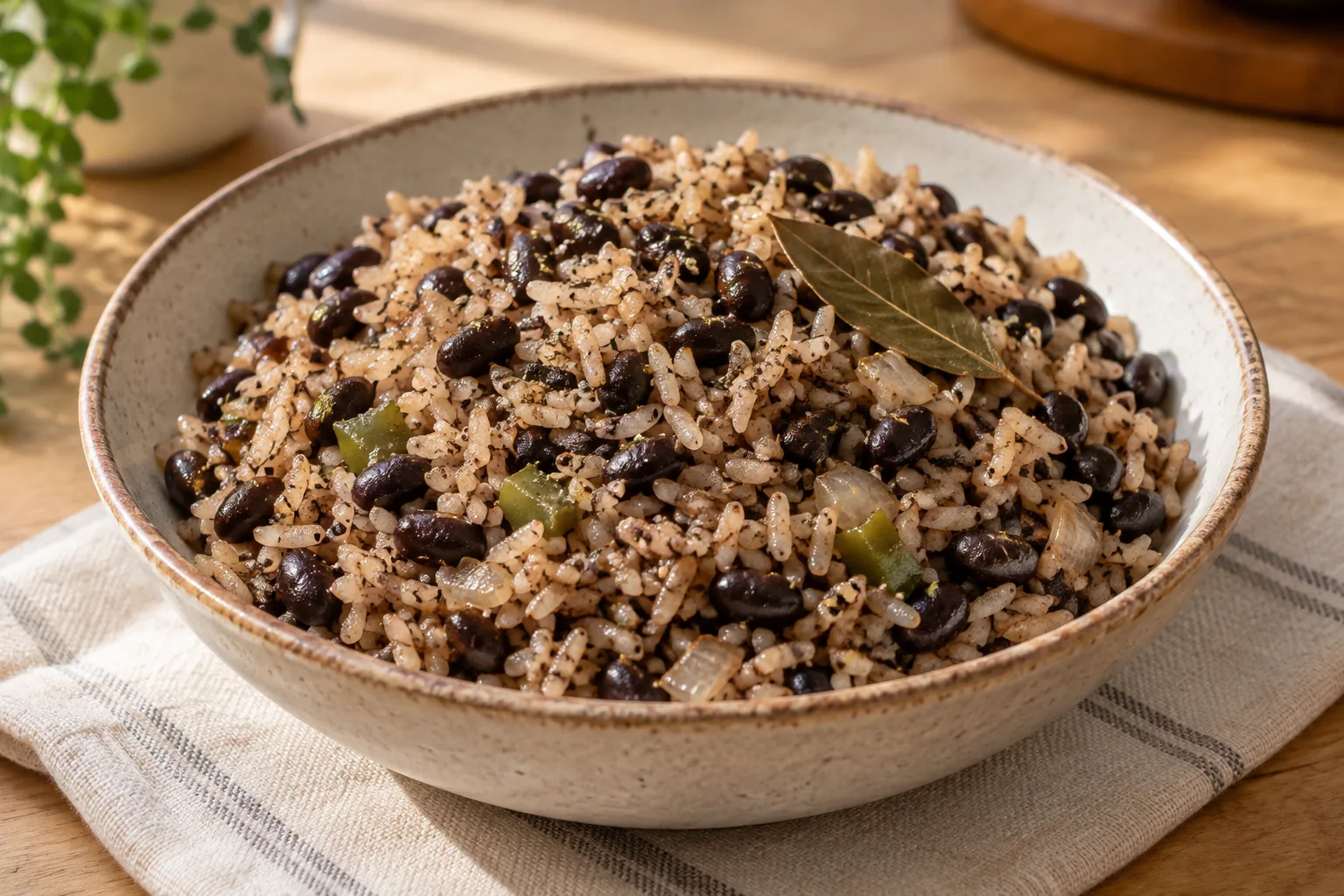
Canned black beans are black bean seeds, a type of legume in the Phaseolus genus, packed in a can with liquid. Black beans are used in many cuisines and typically have dark skins and a substantial texture. The canned form is convenient because it can be added to recipes without the extended preparation needed for dried beans. Products differ by brand: the packing liquid and ingredient list may include water, salt or other ingredients. Check the label for the exact contents. Drain and rinse the beans when you want a cleaner taste or less packing liquid, or keep some liquid if your recipe needs moisture. Canned black beans work in salads, soups, rice dishes, stews, salsas and fillings.
When to use it
Use them when you want to add beans to a meal without soaking and cooking dried legumes. They work in mixed salads and salsas, alongside rice and vegetables, or as a way to add body to soups and stews. For cold dishes, drain and rinse them before mixing with fresh ingredients. In hot dishes, add them during cooking so their flavors mingle with the other ingredients. For a thicker mixture, mash some of the beans; if you want them to hold their shape, stir gently. Flavor, firmness and saltiness can vary between products, so taste the dish before adjusting its seasoning.
How to use it
Open the can with a clean can opener and check the contents and the condition of the container. For salads, salsas and other cold dishes, pour the beans into a strainer, drain and rinse them with water. Let them drain, then mix with ingredients such as tomato, onion, corn, cilantro, mango, lime or oil. For soup or stew, add them drained; include some packing liquid only if it suits the recipe. Heat them with the other ingredients, or mash a portion to thicken the dish without adding another ingredient. In rice dishes, tacos or fillings, fold them in gently to keep them whole. Taste before adding salt because canned products may contain salt. Refrigerate leftovers from prepared dishes within two hours, and follow the can label for storage after opening.
Flavour and texture
They have a mild, earthy, substantial flavor and a tender texture with noticeable skins. Depending on the product and how it is used, the beans may stay whole or partly break down when stirred or mashed. Rinsing gives a cleaner taste; the canning liquid can add moisture and affect flavor. Saltiness and firmness differ among brands.
How to choose it
Choose a can that is intact, without major dents, leaks, bulging or visible corrosion; avoid damaged containers and follow the label. Read the ingredient list and check whether salt has been added, especially if you need to control seasoning. Bean size and firmness can vary, so choose according to the dish: whole beans for salads or softer beans for mashing.
Storage
Store unopened cans according to their label in a suitable storage place. Once opened, follow the label for storage and refrigeration instructions. If the beans are already part of a prepared dish, refrigerate leftovers within two hours. Do not use a can that is bulging, leaking or badly damaged; discard the contents if you have concerns about the container.
Substitutions
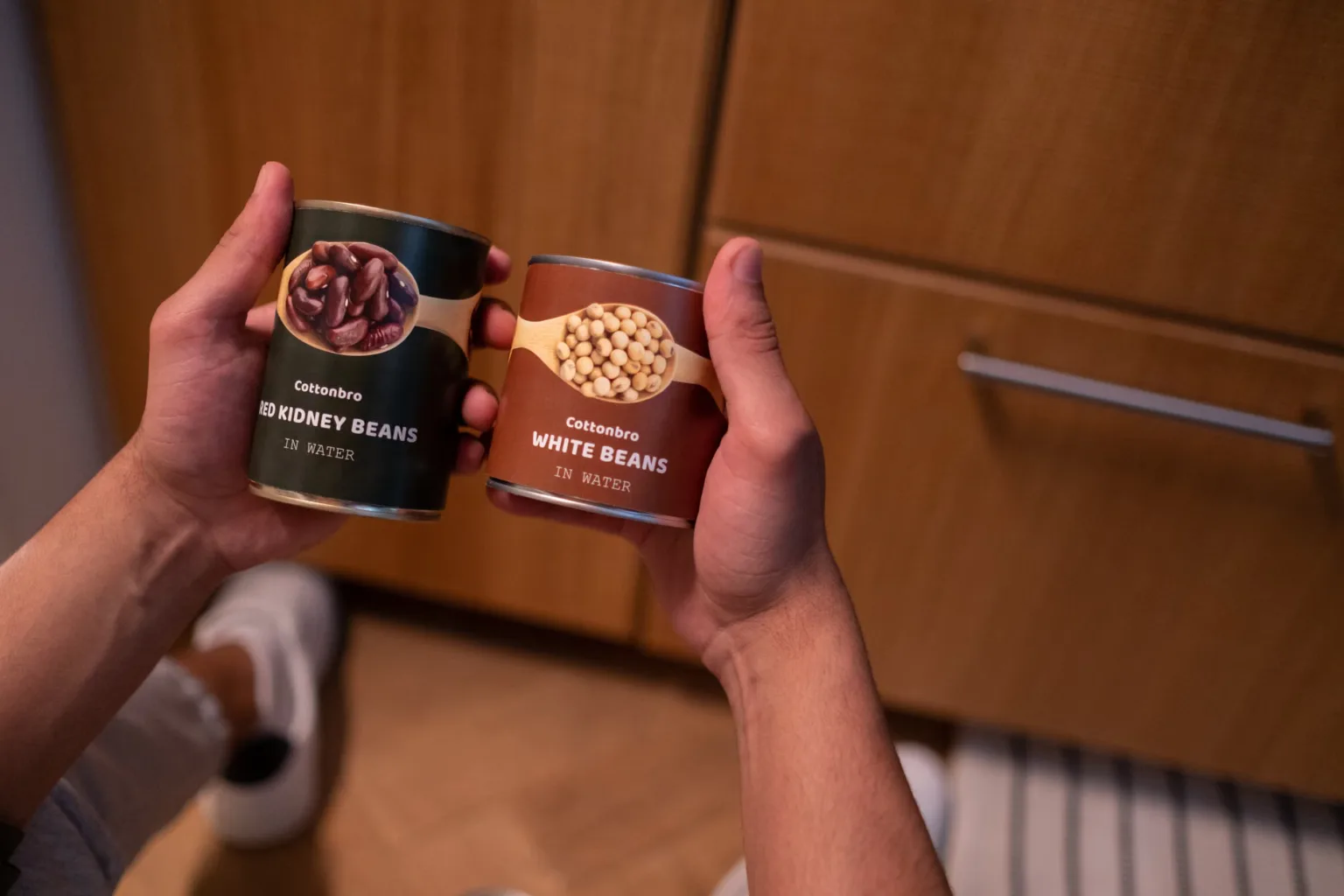
Replace them with home-cooked black beans that have been drained and cooled, adjusting the quantity to keep the recipe proportions. Other cooked beans, such as pinto or white beans, can also work, though they change the color, texture or flavor. Allow for the preparation needed if cooking dried beans at home. Check the seasoning, as canned products and home-cooked beans may contain different amounts of salt.
Common mistakes
Do not add salt automatically: taste first, since some products contain salt. In salads, failing to drain and rinse can leave packing liquid that changes the flavor. Avoid vigorous stirring when you want whole beans. In soups and stews, do not mash every bean if you want a chunky texture; mashing only some adds body while leaving pieces intact.
Safety and allergens
Check the container before use and follow the label’s storage instructions, especially after opening. Refrigerate leftovers from prepared dishes within two hours. Discard cans that are bulging, leaking or badly damaged; do not taste the contents if the container appears compromised.
Culinary uses
- Aportan cuerpo y una textura tierna a sopas, guisos y chiles.
- Funcionan como ingrediente principal o complemento en ensaladas, salsas, arroz y rellenos.
Recommended techniques
- Escurrir y enjuagar antes de añadirlos a ensaladas o preparaciones donde se quiera un sabor menos salado.
- Incorporarlos directamente a sopas y guisos; también se pueden triturar o aplastar para obtener una mezcla más espesa.
Pairs well with
- Arroz, maíz, tomate, cebolla, ajo y cilantro.
- Lima o limón, comino, chile, mango y tortillas.
Frequently asked questions
Do canned black beans need to be rinsed?
Not always. Draining and rinsing is useful for salads and fresh salsas; for soups or stews, you can drain and add them directly, depending on the flavor and texture you want.
Can you eat canned black beans straight from the can?
Many recipes use drained and rinsed canned beans in cold dishes. Check the container and follow the label; you can also heat the beans in soups, stews or rice dishes.
What can I use instead of canned black beans?
Use home-cooked black beans or other cooked beans, such as pinto or white beans. The substitution may change the dish’s color, firmness and flavor.
Ingredient allergens
Allergen listThere are no verified associations for these ingredients yet.
Estimated nutrition
- Fat
- 1.32 g
- Saturates
- 0.34 g
- Carbohydrate
- 15.4 g
- Sugars
- 2.49 g
- Fibre
- 6.8 g
- Protein
- 4.83 g
- Salt
- 2.42 g
Sources and review
Automatically researched, cross-checked and validated content. Sources consulted:
- ¿Qué son los frijoles? Descubre tipos y variedades-Blog goya.es/blog/que-son-los-frijoles-descubre-sus-tipos-y-variedades
- Sopa de Frijoles Negros 2000 (Black Bean Soup) - lacocina.utsa.edu/sopa-de-frijoles-negros-black-bean-soup-2000-2/
- frijoles de ojo negro o frijoles negros Archives | Dinner Tonight dinnertonight.tamu.edu/ingredient/frijoles-de-ojo-negro-o-frijoles-negros/
- Frijoles negros: qué son, cómo cocinarlos y 8 recetas para sacarles todo el partido www.directoalpaladar.com/ingredientes-y-alimentos/frijoles-negros-que-como-cocinarlos-8-rece…
- Frijol negro - Wikipedia, la enciclopedia libre es.wikipedia.org/wiki/Frijol_negro
- Sopa de Frijoles Negros receta | Servicio de Extensión de OSU extension.oregonstate.edu/es/imported-publication/black-bean-soup
- Frijoles Negros - Mount Holyoke Menus menu.mtholyoke.edu/label.aspx?RecNumAndPort=141604%2A6&dtdate=10%2F2%2F2026&locationName=Cla…
- Black Bean Mango Salsa/Salsa de Mango y Frijoles Negros (LCH) | CSU Northridge w2.csun.edu/wic/lets-cook-healthy/recipes/side-dishes/black-bean-mango-salsasalsa-de-mango-y…
- Frijoles Negros casacuba.fiu.edu/programs/virtual-ventanita/encasa/ingredients-black-beans1.pdf
- Food & Nutrition | Colorado State University Extension foodsmartcolorado.colostate.edu/tag/black-bean-soup/
- - YouTube www.youtube.com/watch?v=ITulmXTunpY
- Frijoles negros | Cook for Your Life www.cookforyourlife.org/es/nuestro-blog-de-cocina/frijoles-negros/
- Frijoles negros, un tesoro del descubrimiento | Gastronosfera www.gastronosfera.com/tendencias/frijoles-negros-un-tesoro-del-descubrimiento