- Category
- Vegetables
- State
- Canned
- Usual unit
- g
What it is
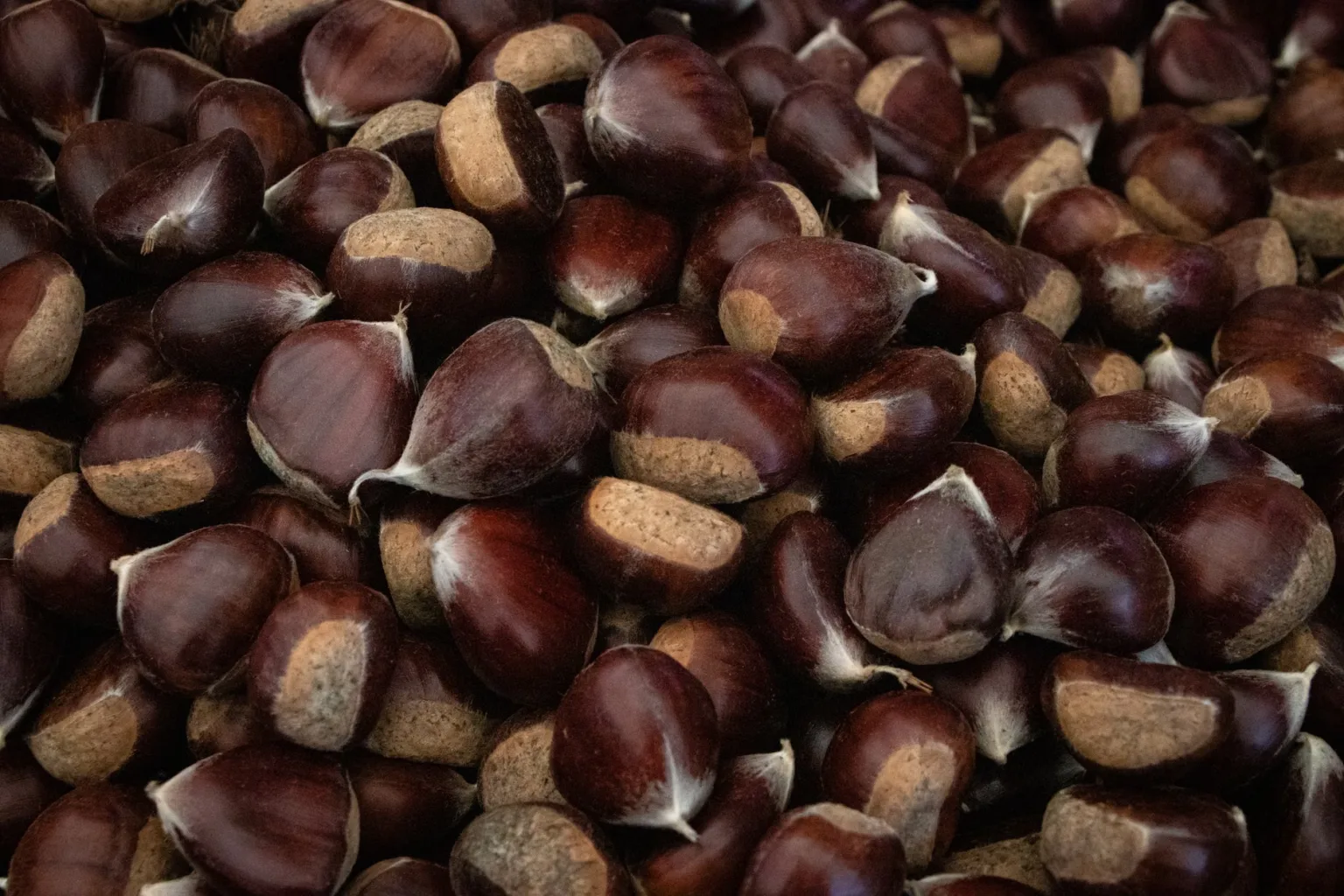
Canned water chestnuts are the edible part of an aquatic plant, sold in a can and ready to prepare. Despite the name, they are not the chestnuts that grow on trees. In cooking, they are especially valued for their texture: the pieces have a firm, crisp bite, while their flavor is usually mild. Drain and rinse them before use to remove the canning liquid. Leave them whole, slice them, or chop them to suit the recipe. Canned and fresh water chestnuts may differ in flavor and texture, so do not assume they will taste exactly alike.
When to use it
Use them when a dish needs a crisp component to contrast with softer ingredients, such as rice, ground meat, or cooked vegetables. They also work in salads, where they add a firm bite, and in fillings or mixtures served in lettuce leaves. Their mild flavor makes them useful when you want added texture without overwhelming the other ingredients. If you want the water chestnuts to stand out for their flavor, remember that canned ones are often milder than fresh ones; they are particularly handy when texture is the main goal.
How to use it
Open the can, drain the water chestnuts, and rinse them under running water. Slice, dice, or chop them to the size that suits your dish. In a stir-fry, combine them with the other vegetables and add them near the end if you want to preserve more of their crisp bite. You can also chop them into a filling with turkey, ginger, and rice, or slice them for a salad. Taste the dish before adjusting the seasoning, since the canning liquid may affect the result. If you do not use the whole can, transfer the remainder to a clean, covered container, refrigerate it, and follow the package directions.
Flavour and texture
Canned water chestnuts have a mild, delicate flavor that may be less pronounced than that of fresh ones. Their most distinctive quality is a firm, crisp bite that provides contrast in dishes with softer ingredients. Rinsing helps remove the flavor of the canning liquid. The exact result can vary by product and cut, so taste them in the dish and adjust the seasoning accordingly.
How to choose it
Choose an intact can and check that the product is water chestnuts, not tree chestnuts. Check the date and the package directions, and avoid cans with visible damage. Canned water chestnuts are a convenient choice when fresh ones are unavailable or when crisp texture is the main aim. If flavor is central to the recipe, bear in mind that fresh ones may have a more pronounced profile.
Storage
Keep unopened cans in a cool, dry place and follow the date and storage directions on the package. Once opened, do not store the contents in the can: transfer the remainder to a clean, covered container and refrigerate it. Follow the package directions for storage time, and discard the product if it shows signs of spoilage. Do not use cans that are swollen, leaking, or badly damaged.
Substitutions
Chopped celery can replace water chestnuts when you want a crisp vegetable bite, although its flavor and texture are not identical. Fresh water chestnuts are another option when available; they may also differ in flavor intensity and texture. Adjust the size of the cut so the substitute fits the rest of the dish.
Common mistakes
Do not forget to drain and rinse the water chestnuts before using them: the canning liquid can affect the flavor of the dish. Avoid cooking them longer than necessary if you want to retain their crisp bite. Do not expect canned ones to taste exactly like fresh ones; taste the dish and adjust the seasoning before serving.
Safety and allergens
Follow the package directions and refrigerate leftovers after opening the can. For prepared dishes containing other ingredients, refrigerate leftovers promptly rather than leaving them at room temperature for extended periods. Discard swollen, leaking, or badly damaged cans and any product that shows signs of spoilage.
Culinary uses
- Adds a crisp bite to cooked dishes
- Provides mild flavor and texture in salads and stir-fries
Recommended techniques
- Drain and rinse before use
- Slice or chop to suit the dish
- Add near the end of cooking when you want to retain more crunch
Pairs well with
- Ginger, turkey, rice, and lettuce
- Other vegetables in stir-fries and salads
Frequently asked questions
Do canned water chestnuts need to be cooked?
Not always. Drain and rinse them first; you can add them to a salad or include them in a hot dish, depending on the recipe.
How can I keep them crisp?
Drain and rinse them, then add them near the end of cooking so they are exposed to heat for less time.
What can I use instead?
Chopped celery can provide a similar crisp vegetable bite in some dishes. Fresh water chestnuts are another option.
Ingredient allergens
Allergen listThere are no verified associations for these ingredients yet.
Sources and review
Automatically researched, cross-checked and validated content. Sources consulted:
- The Essential Glossary of Cooking Terms for the Culinary Arts - Escoffier www.escoffier.edu/blog/culinary-arts/the-essential-glossary-of-cooking-terms-for-the-culinar…
- Qué es (y qué no es) la estadística, usos y abusos de una disciplina clave en la vida de los países y las personas | Estudios económicos doi.org/10.52292/j.estudecon.2015.740
- filling gender gaps: determining how traditional knowledge of experts.esf.edu/view/pdfCoverPage?download=true&filePid=1356518480004826&instCode=01SUNY_ESF
- Ponche de Navidad 19- (Christmas Punch) - lacocina.utsa.edu/ponche-de-navidad-christmas-punch/
- o_67a5b6babd88db84 www.wakehealth.edu/-/media/wakeforest/clinical/files/food-service/spanish_adult_menu.pdf?la=…
- Comité Científico aesan.gob.es/dam/jcr:a7c4e553-46f5-4def-9ede-b6d1e19b3948/comite_cientifico_42.pdf
- Lunar New Year (Kindergarten) - (Crunchy Veggie Salad) coloradosph.cuanschutz.edu/docs/librariesprovider151/default-document-library/lunarnewyear--…
- Pavo con Jengibre y Arroz Enrollado con Lechuga | Servicio de Extensión de OSU extension.oregonstate.edu/es/imported-publication/pavo-con-jengibre-y-arroz-enrollado-con-le…
- Bard College | La Voz | Article | ¡A comer castañas! lavoz.bard.edu/archivo/article.php?id=1203735
- - YouTube www.youtube.com/watch?v=SXr6K98Sz7g
- Castañas de agua: un rico y desconocido ¡¿tubérculo?! | Grupo Animal grupoanimal.mx/gastronomia/tips/receta-castanas-de-agua
- Castaña de agua china: ¿qué es? marcwiner.com/es/castana-de-agua/
- 5 ventajas atractivas de elegir castañas de agua en conserva para su cadena de suministro www.lilijiachestnut.com/es/blog/benefits-of-preserved-water-chestnut/
- Castañas en conserva – Amasa la masa amasalamasa.com/castanas-en-conserva/