- Category
- Sugar and sweeteners
- State
- Dry
- Usual unit
- g
What it is
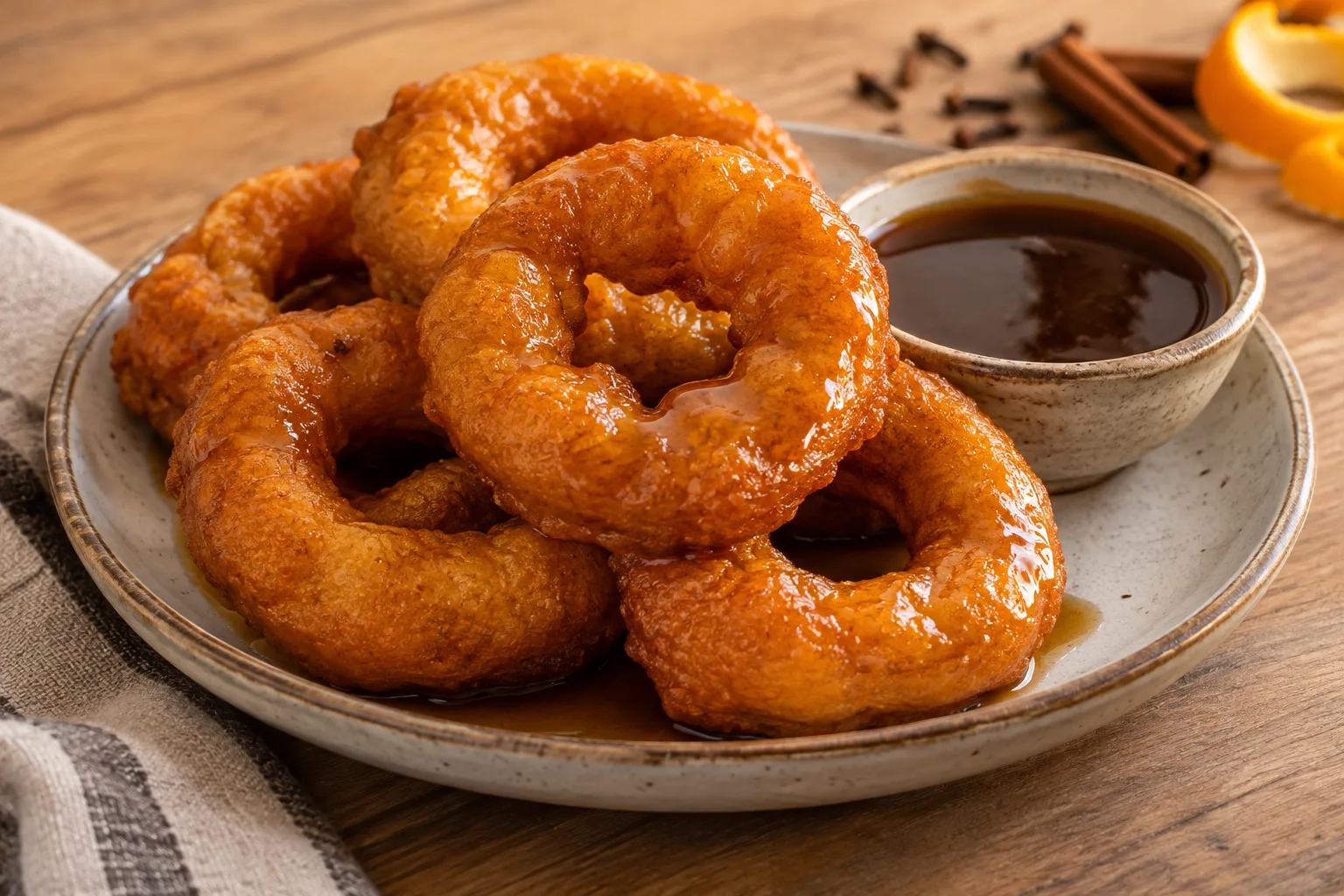
Chancaca is a sweetener made by cooking and solidifying sugarcane juice. It is sold in several forms, including hard blocks, cones, cubes, and granules, and its color can range from earthy brown to darker golden or cinnamon shades. In different regions, related products may also be called panela, piloncillo, rapadura, or papelón, although local naming is not always consistent. Its flavor is commonly described as sweet and caramel-like. A compact block may need to be broken up or dissolved before it can be mixed into a recipe, whereas granulated chancaca is easier to measure and stir in.
When to use it
Choose chancaca when you want a sweetener that contributes caramel-like notes as well as sweetness, rather than only a neutral sweet taste. It can be added to hot drinks such as coffee or chocolate and to desserts such as rice pudding. It is also used in some savory preparations, where it is best added gradually so you can balance the sweetness with the other ingredients. A block is useful for making a dissolved syrup base; granules can be more convenient for direct mixing. Since forms and perceived sweetness can differ, adjust the amount to the recipe and your taste.
How to use it
If using a block, cut or break it into manageable pieces before measuring. If it is too hard to cut safely, dissolve it in a warm liquid rather than forcing a knife. To make a sweet base, heat the chancaca with water and stir until it dissolves; continue cooking gently if you want a more concentrated consistency, watching so it does not stick. Granulated chancaca can be stirred directly into drinks or moist mixtures until incorporated. In desserts, add it in stages and taste as you go, especially when the recipe already contains sugar or another sweetener. Follow the recipe’s instructions for proportions.
Flavour and texture
Chancaca is sweet with caramel-like notes. Blocks are generally compact and hard, with colors ranging from earthy brown to darker golden or cinnamon shades; granulated versions are loose and easier to measure. Once dissolved in liquid, it blends into the mixture and can become thicker if cooked down to concentrate it. Color and form depend on the product, so not every version looks the same.
How to choose it
Choose a form to suit the task: blocks, cones, and cubes work well for making a dissolved base, while granules are convenient to measure and mix. Check the package for the product name and directions, since names such as panela, piloncillo, rapadura, and papelón are used in some markets. Color can range from earthy brown to golden or dark cinnamon; color variation alone is not a reliable way to judge quality.
Storage
The available information does not establish one shelf life or exact storage conditions for every product. Follow the package directions and protect the product from moisture after opening. Use any specific storage instructions on the label as your guide. Keeping the package label with the product can also help distinguish different forms, especially if it is bought loose or transferred to another container.
Substitutions
Panela, piloncillo, rapadura, and papelón can be regional names for similar unrefined cane sweeteners, but naming and product forms vary by location. Granulated chancaca can replace a block, or a block can replace granules, although the ease of measuring and dissolving will differ. Refined sugar can provide sweetness, but it will not necessarily reproduce chancaca’s caramel-like flavor.
Common mistakes
Avoid adding a large block without breaking it up or dissolving it; it can take longer to incorporate than granules. Do not assume that every regional name always refers to an identical product or form. Taste as you add chancaca instead of assuming that a quantity written for another sweetener will produce exactly the same result in every recipe.
Safety and allergens
Follow the package directions and take care when cutting or grating hard blocks. Do not force a knife if the block resists; dissolve it in a warm liquid or use a suitable tool. Check that the product and its packaging are in good condition before use.
Culinary uses
- Sweetener for desserts and drinks
- Caramel-like flavoring for sweet and savory preparations
Recommended techniques
- Dissolve in hot water or another warm liquid
- Melt or simmer into a syrup
Pairs well with
- Coffee and hot chocolate
- Rice pudding and other desserts
Frequently asked questions
Is chancaca the same as panela?
In many places, the names refer to similar unrefined cane sugars, but terminology and forms vary by region. Check the product label.
How do I dissolve block chancaca?
Break or cut it into manageable pieces and stir it into a warm liquid until dissolved. Do not force a knife if the block is very hard.
What can I make with chancaca?
Use it to sweeten drinks such as coffee or chocolate and desserts such as rice pudding. It is also used in some savory preparations; adjust the amount to balance the dish.
Ingredient allergens
Allergen listThere are no verified associations for these ingredients yet.
Estimated nutrition
- Fat
- 0 g
- Saturates
- 0 g
- Carbohydrate
- 100 g
- Sugars
- 100 g
- Protein
- 0 g
- Salt
- 0 g
Sources and review
Automatically researched, cross-checked and validated content. Sources consulted:
- Client Challenge doi.org/10.2307/jj.27939689.16
- Gastronomía del Perú - Wikipedia, la enciclopedia libre es.wikipedia.org/wiki/Gastronom%C3%ADa_del_Per%C3%BA
- Regionalismo y centralismo culinario en un manuscrito huancaíno del siglo XIX : influencias y sabores | OpenAlex openalex.org/W2981277873
- Fichas agrolalibertad.gob.pe//wp-content/uploads/informacion-tecnica/fichas-tecnicas/agricola/Ficha…
- ¡Asegurándonos de que no eres un robot! repositorio.unsm.edu.pe/gestion/bitstreams/0fb9a7cc-452f-4d98-a44f-fcb64bf3bffd/download
- Guava Paste Near Me Discovering Local Availability and Nutritional Benefits cms.ncwc.edu/guava-paste-near-me/
- Guía completa sobre la chancaca | Recetas Nestlé www.recetasnestle.com.ar/escuela-de-sabor/ingredientes/chancaca
- Diferencia entre revisiones de «Panela» - EcuRed www.ecured.cu/index.php?diff=prev&oldid=2502556&printable=yes&title=Panela
- Guía completa sobre la chancaca | Recetas Nestlé www.recetasnestle.cl/la-cocina-nestle/coccion-y-tecnica/chancaca