- Category
- Meat
- State
- Fresh
- Usual unit
- g
What it is
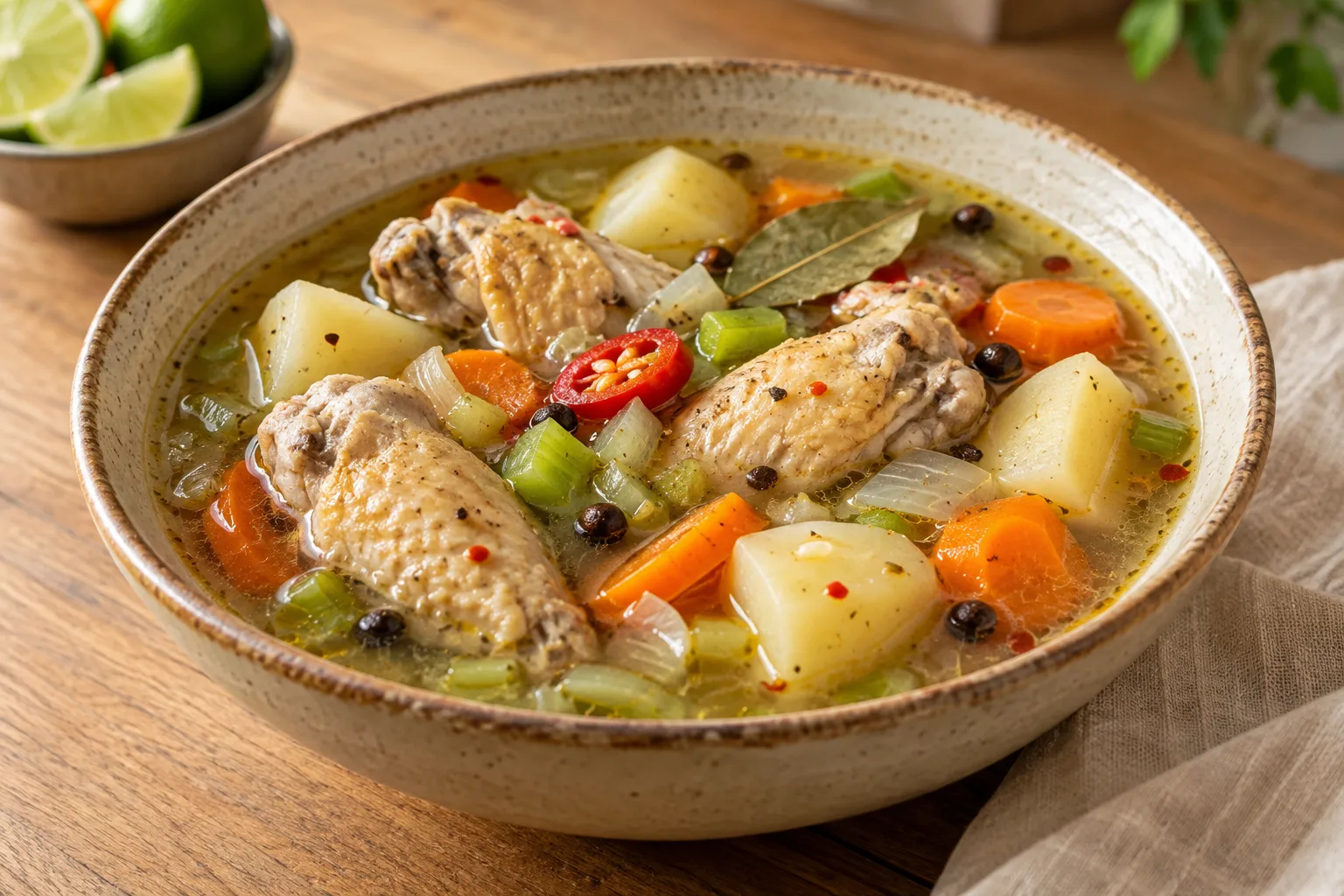
Chicken wings are a cut of poultry, sold whole or separated into sections. They can be served as a shared snack, an appetizer, or part of a main meal. They are commonly prepared with seasonings and sauces, and different methods—including baking, frying, grilling, and braising—produce varied results. Cooked wing meat is described as tender and juicy; browning or a sauce can add contrasting texture and flavor. Wings are an ingredient rather than a single recipe, so the precise cut and preparation depend on the product and the cook’s preference.
When to use it
Choose wings when you want an individual chicken portion for a sharing platter, an appetizer, or a main dish. They suit spicy, barbecue, tomato, garlic, and seasoned sauces, and can also be cooked without sauce and dressed afterward. Baking or grilling can brown the surface; frying offers a crisp-style preparation, while braising incorporates the wings into a sauce. Because they are raw poultry, plan for careful handling and thorough cooking.
How to use it
Before cooking, check the package and set out a board and utensils for raw poultry. Do not rinse chicken: cooking destroys bacteria, while washing can splash them around the kitchen. Season the wings with salt, pepper, garlic, or other spices, or coat them in a marinade. Bake, fry, grill, or braise them with sauce. For a sauced preparation, cook the wings first and add sauce afterward, or cook them in a braise until fully done. Use a food thermometer in the thickest part, avoiding the bone, and make sure it reaches at least 74 °C (165 °F). Wash your hands and clean surfaces and utensils that touched raw chicken with soap and water.
Flavour and texture
Cooked wing meat is described as tender and juicy. Its final flavor depends greatly on the seasoning and sauce: garlic, spices, tomato, barbecue, and hot sauces create different profiles. Baking, frying, or grilling can brown the surface; sauce added toward the end can coat it or create a glazed finish. Texture also varies with the cut and cooking method, so do not rely on exterior color alone to decide whether the meat is done.
How to choose it
Choose a package clearly labeled as chicken wings and read its label before buying. Check that the package is closed and has no visible damage, and follow the storage instructions and date shown on it. For a particular recipe, consider whether whole wings or separated sections are more suitable. Keep raw poultry apart from ready-to-eat foods during shopping and transport.
Storage
Follow the storage instructions on the package and keep raw chicken separate from ready-to-eat foods. Handle it with clean utensils and surfaces, and wash your hands after contact. Refrigerate cooked leftovers within two hours of preparation. The available evidence does not establish a specific storage life for fresh wings, so do not assume one: follow the package and local food-safety guidance.
Substitutions
In recipes that allow other chicken cuts, thighs or drumsticks can be tried, but their shape and size may change cooking needs; check that each piece reaches a safe internal temperature. In braises or sauced dishes, cooked, shredded chicken may work if the recipe is adapted to heat it through thoroughly. Neither substitution exactly reproduces the shape or eating experience of wings, and cooking times may differ.
Common mistakes
Do not rinse raw wings: splashes can spread bacteria around the kitchen. Do not assume that browned exteriors mean the meat is done, or rely only on a recipe’s stated cooking time; check with a thermometer. Do not reuse a board, knife, or hands that have touched raw chicken without washing them. Refrigerate cooked leftovers within two hours.
Safety and allergens
Handle raw chicken carefully: do not rinse it, wash your hands, and clean any surfaces and utensils it touched with soap and water. Cook it until the thickest part reaches at least 74 °C (165 °F), measured with a food thermometer. Refrigerate cooked leftovers within two hours.
Culinary uses
- Aperitivo o bocado para compartir
- Plato principal
Recommended techniques
- Hornear o asar
- Freír
- Cocinar a la parrilla
- Guisar o estofar
- Marinar y glasear
Pairs well with
- Salsas picantes, barbacoa o de tomate
- Ajo, especias y hierbas
- Salsas ácidas o agridulces
Frequently asked questions
How can I tell when chicken wings are cooked?
Use a food thermometer in the thickest part of the meat without touching the bone. It should reach at least 74 °C (165 °F).
Should I wash raw chicken wings?
No. Water can splash bacteria around the kitchen; thorough cooking destroys bacteria in the chicken.
Which cooking methods work for chicken wings?
You can bake, fry, grill, or braise them, then serve them with a range of seasonings and sauces.
Ingredient allergens
Allergen listThere are no verified associations for these ingredients yet.
Estimated nutrition
- Fat
- 14.3 g
- Saturates
- 4.46 g
- Carbohydrate
- 0 g
- Sugars
- 0 g
- Protein
- 17 g
- Salt
- 0.19 g
Sources and review
Automatically researched, cross-checked and validated content. Sources consulted:
- ¿Por qué la muerte es origen de miedos y tabúes? doi.org/10.64628/aao.fccyk3qj3
- The Essential Glossary of Cooking Terms for the Culinary Arts - Escoffier www.escoffier.edu/blog/culinary-arts/the-essential-glossary-of-cooking-terms-for-the-culinar…
- Appendix B: Recipes for Disease Prevention – Culinary Medicine opentextbooks.library.arizona.edu/culinarymedicine/back-matter/appendix-b-recipes/
- Revista del comité científico de la Aecosan número 27 www.aesan.gob.es/dam/jcr:e9146cf9-fb19-49d5-a7d1-39de06f59ec0/CONSUMO_INSECTOS.pdf
- Pollo en Salsa de Almendra 1937 (Chicken in Almond Sauce) - lacocina.utsa.edu/pollo-en-salsa-de-almendra-chicken-in-almond-sauce-1937/
- Nutrition | Label - Pollo ala Brasa nutrition.umd.edu/label.aspx?RecNumAndPort=080057%2A1
- Pollo con Mole | Servicio de Extensión de OSU extension.oregonstate.edu/es/imported-publication/pollo-con-mole
- A Grounded Theory Study Using PhotoVoice Methodology aquila.usm.edu/cgi/viewcontent.cgi?article=1024&context=masters_theses
- Alitas de pollo: las mejores recetas fáciles, tradicionales y originales www.directoalpaladar.com/recetas-de-aperitivos/siete-recetas-patatas-para-disfrutar-durante-…
- - YouTube www.youtube.com/watch?v=hxcH71MjXPM
- ALITAS DE POLLO AL AJILLO amimaneracocinando.com/alitas-de-pollo-al-ajillo/
- Las 3 recetas más ricas con alitas de pollo | Pollos Eldorado polloseldorado.co/blog/recetas-con-alitas-de-pollo/
- Alitas de pollo: un plato popular, versátil y delicioso | ARA Multimèdia www.aramultimedia.com/ca/alitas-de-pollo-un-plato-popular-versatil-y-delicioso