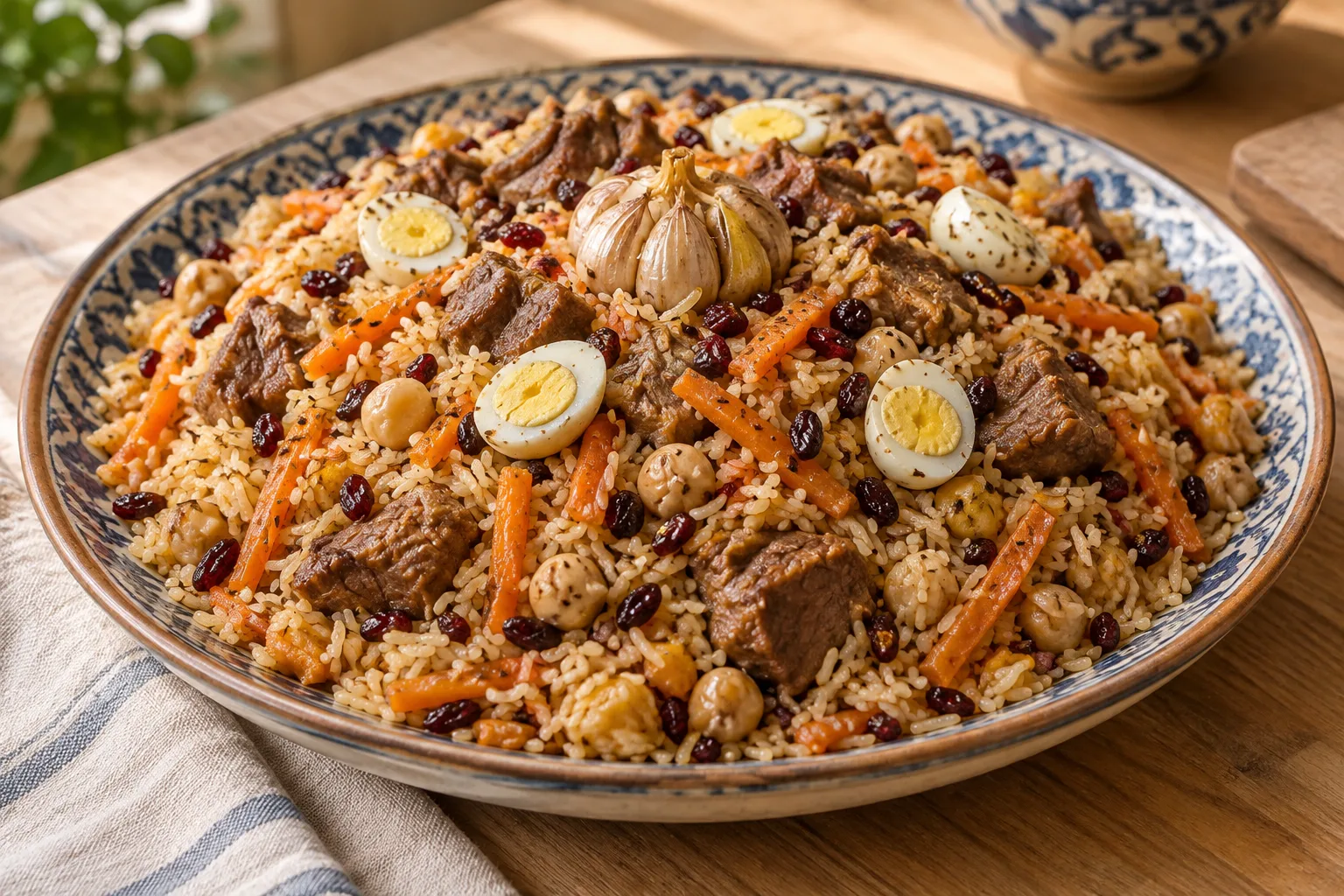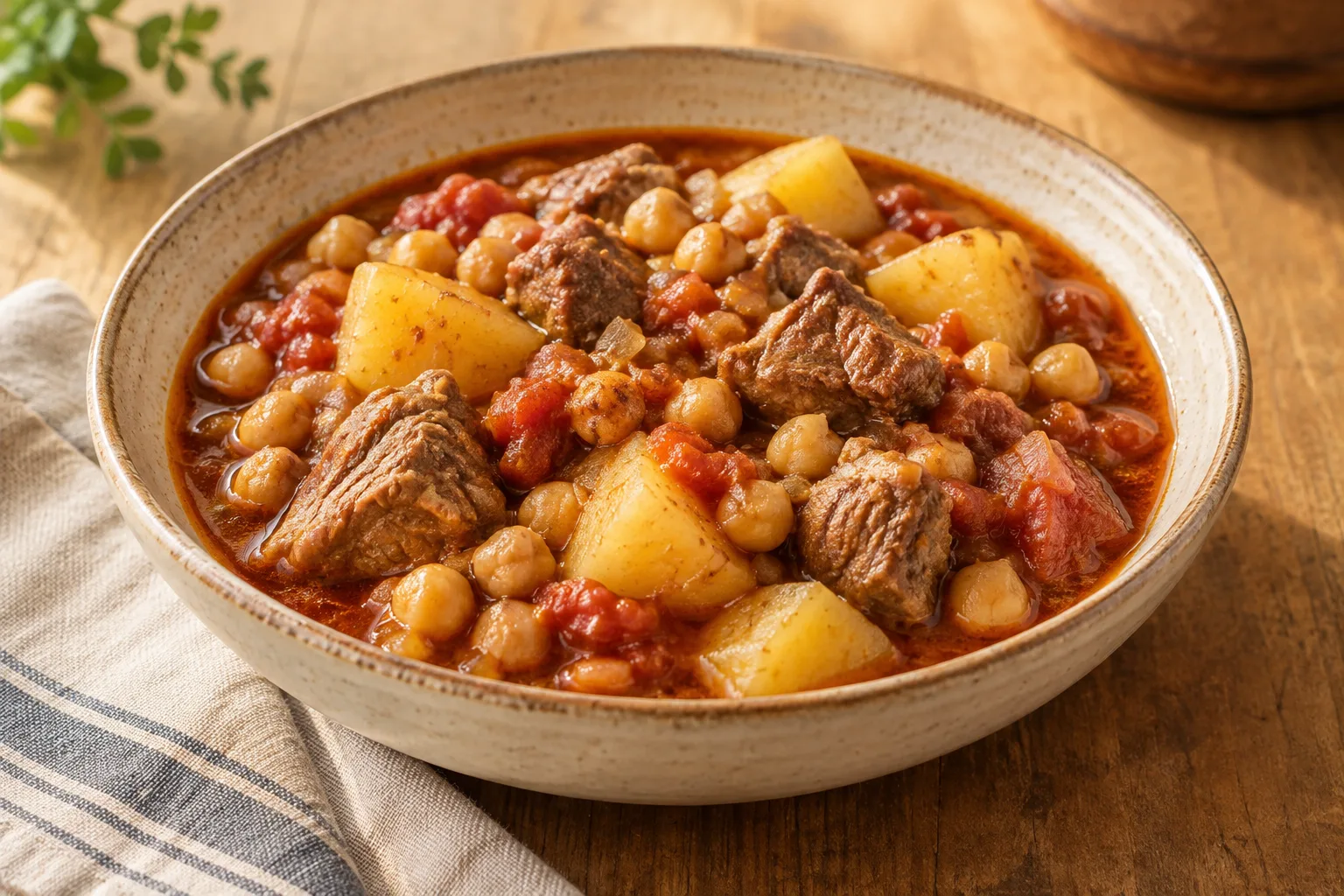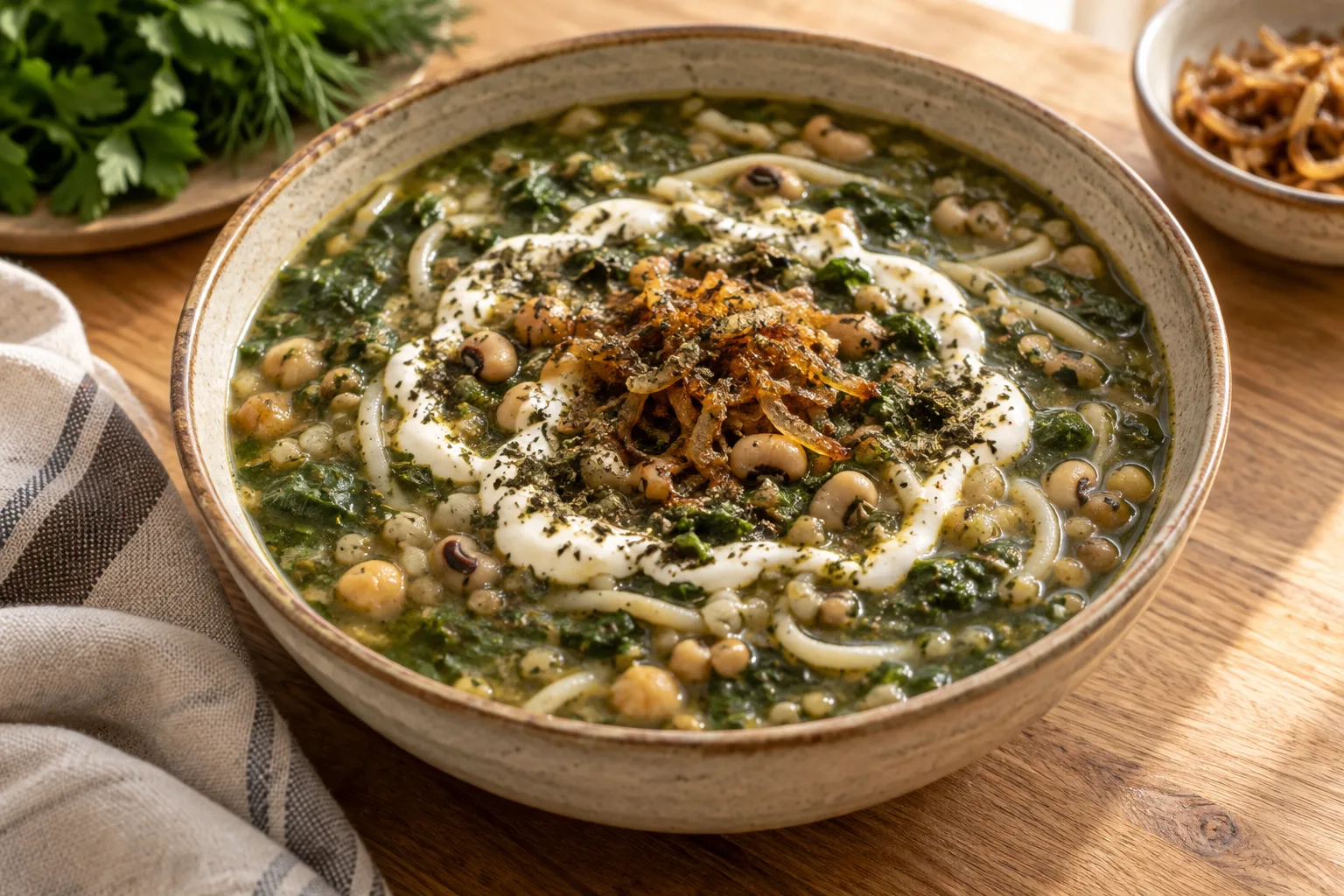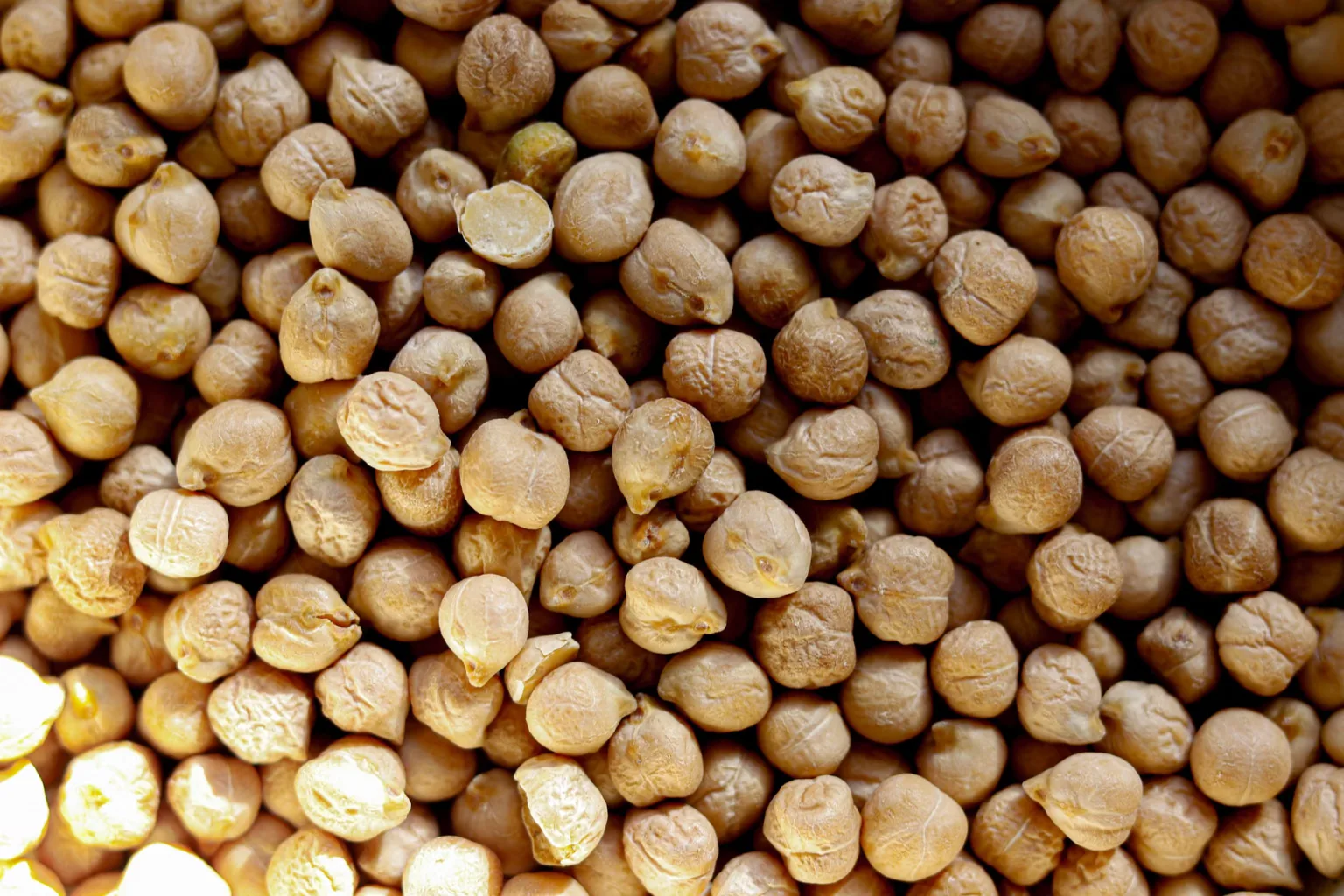
- Category
- Pulses
- State
- Other
- Usual unit
- cup
What it is
A chickpea is the edible seed of a legume, also known as a garbanzo bean. The ingredient is sold in several forms, including dried beans, cooked canned beans, and ground chickpea flour. Dried chickpeas need to be cooked before eating, while canned chickpeas are generally already cooked and convenient to add to many dishes. Their rounded shape and mild flavor make them easy to combine with a range of ingredients and seasonings. These forms are not interchangeable in every recipe: whole beans, cooked beans, and flour each have different uses. This guide covers chickpeas as an ingredient rather than a specific fresh product.
When to use it
Choose dried chickpeas when you want to cook a larger quantity, control how tender they become, or add them to a dish as it cooks. Canned chickpeas are useful for quick meals: drain them and add them to a salad, soup, or curry. Cooked chickpeas can also be blended into a dip or purée. Chickpea flour is used in recipes developed for it, such as batters and savory pancakes; it does not always replace wheat flour in a direct, one-for-one swap. Check the form specified in a recipe before you begin.
How to use it
To cook dried chickpeas, sort and rinse them, then soak them if you wish before simmering in water until tender. Soaking can shorten cooking, but it is not essential; cooking time varies with the method and the beans. For canned chickpeas, drain and rinse them if you want to remove some of the packing liquid or salt. Add them to soups, stews, and curries, or toss them with vegetables for a salad. Blend cooked chickpeas with tahini, lemon, and garlic for a dip, or mash some into a dish to thicken it. Keep the canning liquid if a recipe calls for it.
Flavour and texture
Chickpeas have a mild, slightly nutty flavor and a tender center with a somewhat creamy, starchy texture. Their firmness varies with the type, form, and cooking, so they may hold their shape in a salad or become smooth when blended into a purée. Dried chickpeas let you control the final texture more closely; canned beans are convenient but can be softer. Spices, herbs, garlic, and acidic ingredients provide contrast while complementing the chickpeas' understated flavor.
How to choose it
Choose the form that suits your schedule and recipe: dried beans for planned cooking, canned beans for convenience, and flour for recipes made with it. When buying dried chickpeas, look for clean beans without visible moisture and check that the package is intact. For packaged products, read the product name, ingredient list, date, and storage directions. If buying in bulk, ask the seller for product and allergen information when needed. Size and variety can differ between products and do not, by themselves, determine how the chickpeas will cook.
Storage
Keep dried chickpeas in a sealed container in a cool, dry place, protected from moisture. Follow the label instructions for canned chickpeas, and avoid containers that are damaged or show signs of spoilage. After opening, transfer leftovers to a clean container and refrigerate them. Cooked chickpeas should also be kept refrigerated in a covered container; use them within the period given by the recipe or applicable storage directions. Do not leave cooked food at room temperature longer than necessary.
Substitutions
White beans can stand in for chickpeas in soups, salads, and purées, though their shape and texture differ. Lentils can replace them in stews, but their size and cooking behavior are different, so adapt the recipe rather than swapping them without adjustment. Chickpea flour works in preparations that call for it, such as some savory batters; it is not a direct replacement for whole chickpeas or every other flour. Choose a substitute according to the role the chickpeas play in the dish.
Common mistakes
A common mistake is treating dried chickpeas as if they were already cooked; they need to be cooked before being added to a ready-to-eat dish. It is also important not to confuse canned beans with chickpea flour, since they are used differently. Rinsing canned chickpeas may suit a recipe, but discarding the liquid without checking can be inconvenient if another preparation needs it. Finally, do not assume every batch of dried chickpeas will cook identically; check that the beans are tender before serving.
Safety and allergens
Follow package preparation and storage directions, especially for cooked or canned products. Keep cooked chickpeas refrigerated and use clean utensils and containers. Check ingredient and allergen information on packaged or bulk products, and ask the seller if you need clarification about possible allergens.
Culinary uses
- Main ingredient in soups, stews, and curries
- Base for purées, dips, and salads
- Ingredient for chickpea flour dishes
Recommended techniques
- Soak and simmer dried chickpeas until tender
- Drain and rinse canned chickpeas before use
- Mash or blend cooked chickpeas into a smooth purée
- Use chickpea flour in batters and thin savory pancakes
Pairs well with
- Garlic, lemon, and tahini
- Tomato, onion, and cumin
- Fresh herbs and olive oil
Frequently asked questions
Do dried chickpeas need to be soaked?
Soaking is optional, although it can shorten cooking time. After soaking, simmer the chickpeas until tender.
Should canned chickpeas be rinsed?
You can drain and rinse them if you wish, especially when you want to remove some of the packing liquid before adding them to a dish.
Can chickpea flour replace whole chickpeas?
Not directly. Chickpea flour is used in recipes designed for it and does not replace cooked chickpeas in stews or salads.
Ingredient allergens
Allergen listThere are no verified associations for these ingredients yet.
Estimated nutrition
- Fat
- 2.5 g
- Saturates
- 0 g
- Carbohydrate
- 27.5 g
- Sugars
- 0 g
- Fibre
- 13.8 g
- Protein
- 8.75 g
- Salt
- 0.03 g
Sources and review
Automatically researched, cross-checked and validated content. Sources consulted:
- En el etiquetado alimentario hay algunas menciones que son obligatorias eletiquetadocuentamucho.aesan.gob.es/obligatoria.html
- ¿Por qué la muerte es origen de miedos y tabúes? doi.org/10.64628/aao.fccyk3qj3
- Client Challenge doi.org/10.2307/jj.27939689.16
- Pimentón - Wikipedia, la enciclopedia libre es.wikipedia.org/wiki/Piment%C3%B3n
- El Garbanzo: Historia, Diseminación Y Usos Culinarios - Restaurante Romero restaurante-romero.es/el-garbanzo-historia-diseminacion-y-usos-culinarios/
- Origen y propiedades de los garbanzos ¡6 BENEFICIOS ÚNICOS! www.lacribadevalseca.com/origen-y-propiedades-de-los-garbanzos/
- Agencia Española de Seguridad Alimentaria y Nutrición www.aesan.gob.es/
- Garbanzo Bean Recipes | Institute of Culinary Education www.ice.edu/blog/recipes-with-chickpeas
- Para la ciudadanía www.aesan.gob.es/para-la-ciudadania
- Chickpeas or Garbanzo Beans... - Brunswick County Center | N.C. Cooperative Extension brunswick.ces.ncsu.edu/news/chickpeas-or-garbanzo-beans/
- Garbanzos: Origen y Características en Cocina Cubana | Recet | Receta Cubana www.google.com/goto?url=CAESZgHrOzAV4o6vpIUvbUQKg7oyvYENNj_AeBzbxHAhTHQJ--JSIga5yluDs7aGd3QU…
- Léxico culinario autorizado en el primer diccionario académico | OpenAlex openalex.org/W2285293455
- Cocer legumbres: guía de maridaje y análisis comparativo de los mejores quesos y embutidos laovejaquebala.es/cocer-legumbres/
- «Pro lenguaje culinario»: reflexiones en torno al léxico en prensa especializada del primer cuarto del siglo XX | OpenAlex openalex.org/W7223703522