- Category
- Herbs and spices
- State
- Dry
- Usual unit
- teaspoon
What it is
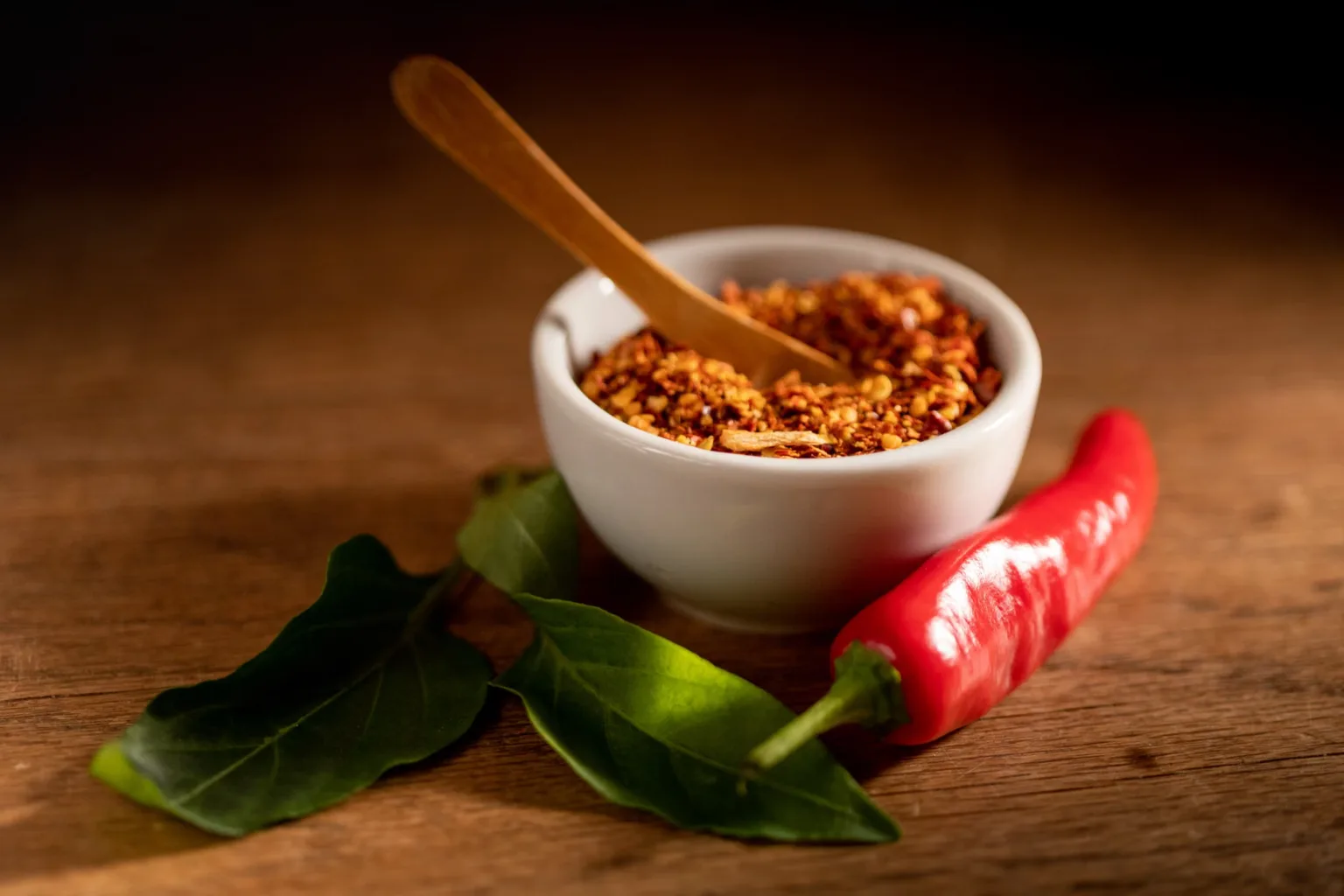
Chili flakes are dried chile broken into small pieces and used as a seasoning. Chiles belong to the Capsicum genus, and different varieties are used fresh or dried with differing flavor and heat. The name “chili flakes” therefore does not promise one fixed level of spiciness: the result depends on the chile and the particular product. Flakes are added in small amounts to bring heat and chile flavor to foods such as sauces, stews and broths. They are not fresh whole chiles; they are a dry, broken-up form that can be stirred into a dish or sprinkled over it.
When to use it
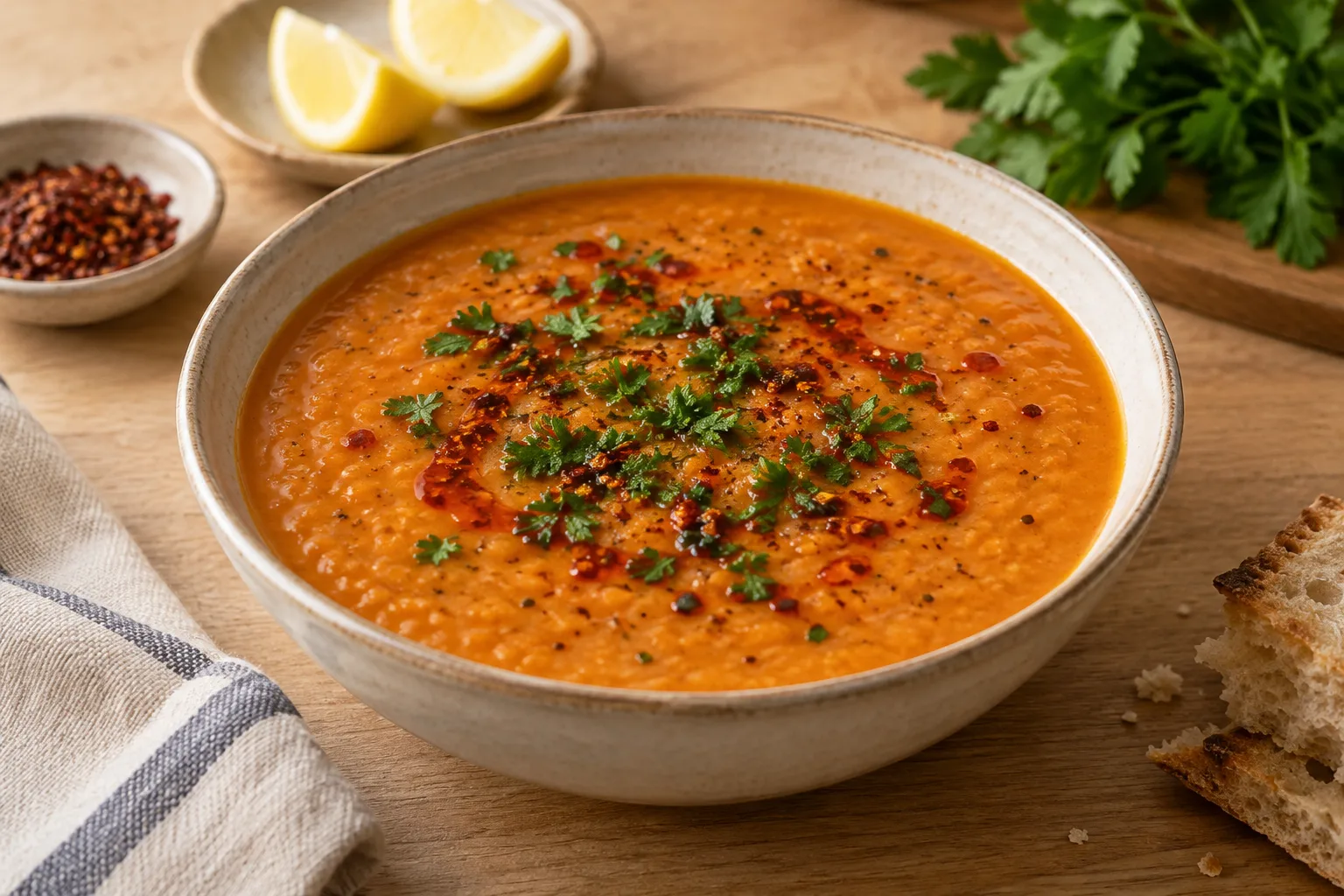
Use chili flakes when you want to add chile heat and flavor without adding a whole fresh chile. They can season sauces, stews and broths, and work in dishes such as tacos. Because heat varies by chile type, they are especially useful when you can taste and adjust the seasoning as you cook. If you do not know how hot a product is, begin with a small amount and add more only after tasting. This helps keep the heat from overwhelming the other flavors in the dish.
How to use it
Stir chili flakes into a sauce, stew or broth so they are distributed through the dish. You can also sprinkle them over food at serving time when you want a noticeable touch of heat. Start with a small amount, taste, and increase gradually to suit the dish, since dried chile varieties do not all have the same intensity. Cayenne or crushed dried chile de árbol can be used as alternatives; adjust the amount to taste. There is no single conversion that applies to every product, so do not automatically substitute them spoon for spoon without tasting.
Flavour and texture
Chili flakes add chile flavor and heat, and their intensity depends on the variety used and can differ between products. They are dry fragments rather than a paste or a whole fresh chile, so pieces remain distributed through the dish. If you are unsure how hot they are, use a little first and taste before adding more.
How to choose it
Look for a product clearly labeled chili flakes or crushed dried chile, and check the variety on the package if it is stated. Chile varieties differ in heat, so that information can help set expectations without establishing a universal measure. Check the ingredient list and package directions too, so you know what the product contains and how its maker says to store it.
Storage
Follow the storage directions on the package, which are the available guidance for that particular product. Close the container after each use and avoid putting wet utensils into it. Do not use the product if its package is damaged or the contents show visible moisture or contamination; a single storage duration cannot be specified for all chili flakes.
Substitutions
Dried cayenne and crushed dried chile de árbol can stand in for chili flakes when you want heat. Their flavor and intensity may differ by variety and product, so begin with less than you expect to need, taste, and adjust. There is no fixed conversion that works for every chile and product.
Common mistakes
Adding a large amount at once before you know the heat is an avoidable mistake: dried chile varieties do not necessarily have the same intensity. Start small, stir and taste before adding more. Do not assume cayenne and chili flakes will produce exactly the same flavor, either.
Safety and allergens
Hot chile can cause a burning sensation on mucous membranes. Avoid touching your eyes after handling it and wash your hands; use less if you prefer a milder dish.
Culinary uses
- Add heat and chile flavor to dishes
- Season sauces, stews and broths
Recommended techniques
- Stir into sauces or stews during cooking
- Sprinkle into a dish as a finishing seasoning
Pairs well with
- Sauces
- Tacos
- Broths and stews
Frequently asked questions
Are chili flakes always equally hot?
No. Heat depends on the chile variety and the product. Start with a little and taste before adding more.
Can I substitute cayenne for chili flakes?
Yes. Dried cayenne can provide heat as an alternative. Adjust to taste because the flavor and intensity can differ.
What dishes can I use chili flakes in?
Stir them into sauces, stews or broths, or sprinkle them over tacos and other dishes. Begin with a small amount and adjust after tasting.
Ingredient allergens
Allergen listThere are no verified associations for these ingredients yet.
Sources and review
Automatically researched, cross-checked and validated content. Sources consulted:
- ¿Por qué la muerte es origen de miedos y tabúes? doi.org/10.64628/aao.fccyk3qj3
- The Case of Pablo Neruda's Odas elementales and Food digitalcommons.sacredheart.edu/cgi/viewcontent.cgi?article=1007&context=lang_fac
- El chile, ingrediente esencial en la cocina de México - Formacion en Gastronomia www.formacionengastronomia.com/cocina-latina/chile/
- La historia detrás del azafrán de La Mancha y sus usos en la cocina alfileritos24.com/la-historia-detras-del-azafran-de-la-mancha-y-sus-usos-en-la-cocina/
- Los ingredientes de la cocina chilena tradicional | Centro de Documentación de Bienes Patrimoniales www.cdbp.gob.cl/noticias/los-ingredientes-de-la-cocina-chilena-tradicional
- ASSESSING FISHERIES DEPENDENCE OF COASTAL ... digitalcommons.uri.edu/cgi/viewcontent.cgi?article=5611&context=oa_diss
- Shorefishes of the Eastern Pacific online information system - The Fishes - Species biogeodb.stri.si.edu/sftep/en/thefishes/species/5168
- revision of the southern south american endemic genus digitalcommons.unl.edu/cgi/viewcontent.cgi?article=1016&context=entomologypapers
- ¿QUÉ ÁRBOL, DÓNDE? - Utah Museum of Fine Arts umfa.utah.edu/que-arbol-donde-busqeda-del-tesoro-de-arboles/
- Productos que pueden sustituir a otros: los chiles y la cayena - Diario de Gastronomía: Cocina, vino, gastronomía y recetas gourmet diariodegastronomia.com/productos-pueden-sustituir-otros-los-chiles-la-cayena/