- Category
- Herbs and spices
- State
- Powdered
- Usual unit
- teaspoon
What it is
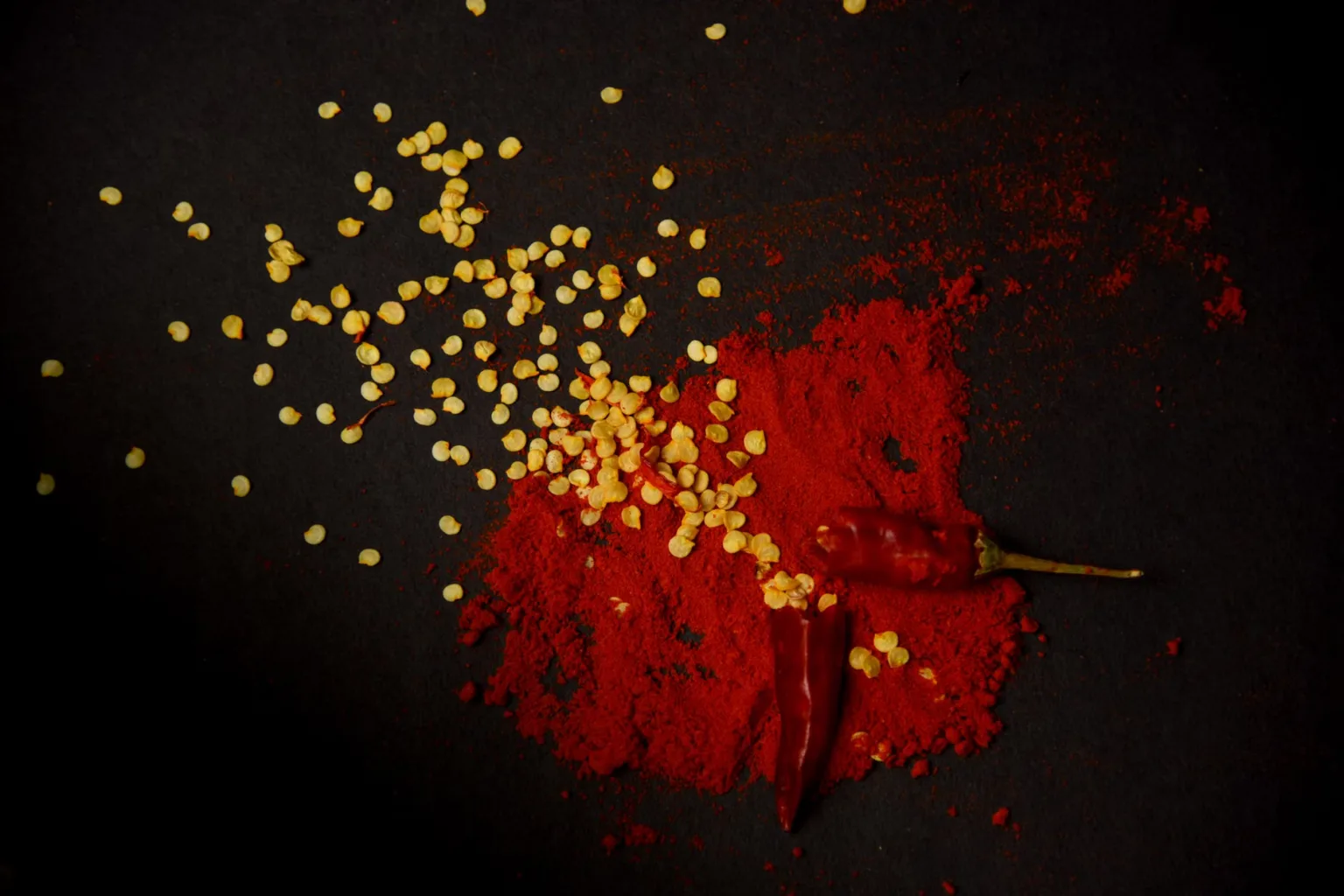
Chili powder can mean dried chile ground into a powder or a seasoning blend made with chile and other spices. Some blends include cumin, oregano, and garlic powder; other products are mostly chile or use different chile varieties. The name alone does not tell you the exact ingredients or heat level. It is not automatically the same as pure ground chile or paprika, so check the package when a recipe calls for a particular seasoning. Its powdered form makes it easy to distribute through stews, spice mixtures, and marinades. Because products vary, treat the label—not the name—as your guide to what is in the jar.
When to use it
Use it when you want to add chile heat and a savory, spiced note to meat or bean stews, tacos, burritos, fajitas, burgers, vegetables, or marinades. It can also season tofu, fish, or potatoes when the blend’s flavor suits the dish. Check the ingredients first: a blend containing cumin, oregano, and garlic already brings those flavors, while pure ground chile does not. Start with a small amount if you are unfamiliar with the product, then taste and adjust. That approach helps you control both heat and the balance of the other seasonings.
How to use it
Check the label to see whether you have pure ground chile or a blend, then add a small amount to the dish. Stir thoroughly so the powder is distributed, taste, and add more only if needed; ingredients and heat can vary between products. Use it as part of the seasoning for bean stews, tacos, or vegetables, or combine it with the other ingredients in a marinade. If you substitute pure ground chile for a blend that contains cumin, oregano, and garlic, add those spices separately if they are needed for the intended flavor. Avoid assuming that every product called chili powder has the same heat or composition.
Flavour and texture
The flavor can range from straightforward chile heat to a more layered, aromatic seasoning, depending on the chile and any added spices. Cumin, oregano, and garlic are common in some blends, but are not present in every product. The powder is dry and fine, so it mixes readily into stews and seasonings. Heat cannot be reliably inferred from the product name alone and may vary between formulations. Taste a small amount in the dish before adding more.
How to choose it
Read the ingredient list to distinguish pure ground chile from a blend containing cumin, oregano, or other spices. If a recipe calls for a particular flavor profile, choose a product whose label lists the ingredients you want. Check that the package is intact and follow its printed date and handling directions. If you do not know how hot the product is, start with a small amount when cooking and adjust after tasting.
Storage
No specific shelf life for chili powder is established here. Follow the package directions and keep the product in its original container or a clean, tightly closed container to help maintain quality. Food quality depends in part on processing, storage, and time. Use older pantry items before newer ones, and do not treat a quality date as a guarantee of food safety.
Substitutions
You can replace a prepared blend with pure ground chile, but the flavor will differ if the original blend supplied cumin, oregano, and garlic. Add those spices separately when they suit the recipe, and adjust the heat by tasting. You can also make a personal blend from ground chile and the spices you want; there is no single formula for every product called chili powder.
Common mistakes
Do not assume every product called chili powder is pure chile or has the same heat level. Replacing a blend with pure chile can change a dish because some blends already contain cumin, oregano, and garlic. Adding a large amount at once also makes the heat harder to control. Check the label, begin moderately, and taste before adjusting the seasoning.
Safety and allergens
Heat varies between products, so begin with a small amount. When handling hot chile, avoid touching your eyes and wash your hands afterward.
Culinary uses
- Aportar picor y sabor a guisos y platos de legumbres
- Condimentar tacos, burritos, fajitas y marinadas
Recommended techniques
- Incorporar poco a poco y probar para ajustar el picor
- Mezclar con otras especias para sazonar o preparar una marinada
Pairs well with
- Frijoles, maíz, patatas y tomates
- Cebolla, pimiento dulce, ajo y orégano
Frequently asked questions
Is chili powder always a spice blend?
No. The name can refer to ground chile or to a blend with other spices. Check the ingredient list.
What is often included in a chili powder blend?
Some blends combine chile with cumin, oregano, and garlic powder, but ingredients vary.
How can I replace a blend with pure ground chile?
Use pure ground chile cautiously and add separately any spices from the blend that the recipe needs.
Ingredient allergens
Allergen listThere are no verified associations for these ingredients yet.
Estimated nutrition
- Fat
- 0 g
- Saturates
- 0 g
- Carbohydrate
- 0 g
- Sugars
- 0 g
- Protein
- 0 g
- Salt
- 20.82 g
Sources and review
Automatically researched, cross-checked and validated content. Sources consulted:
- ¿Por qué la muerte es origen de miedos y tabúes? doi.org/10.64628/aao.fccyk3qj3
- Client Challenge doi.org/10.2307/jj.27939689.16
- Pimentón - Wikipedia, la enciclopedia libre es.wikipedia.org/wiki/Piment%C3%B3n
- Regionalismo y centralismo culinario en un manuscrito huancaíno del siglo XIX : influencias y sabores | OpenAlex openalex.org/W2981277873
- Food Selection & Storage | Home & Garden Information Center hgic.clemson.edu/factsheet/food-selection-storage/
- Chile en polvo (¿crudo?, ¿orgánico?) | Fundación G+E www.diet-health.info/es/recetas/ingredientes/in/zc273-chile-en-polvo
- Polvo de chile | Gastronomía & Cía www.gastronomiaycia.com/polvo-de-chile/
- Ají - Wikipedia, la enciclopedia libre es.wikipedia.org/wiki/Aj%C3%AD
- Chile ucanr.edu/sites/default/files/2020-09/336015.pdf
- Guia_RGSEAA.pdf www.aesan.gob.es/dam/jcr:ebc1dca1-078f-400f-a649-6cc68ad1e1ef/Guia_RGSEAA.pdf
- Preserving Red Chile - Bernalillo County Extension Office bernalilloextension.nmsu.edu/documents/redchile-part1.pdf
- Léxico culinario autorizado en el primer diccionario académico | OpenAlex openalex.org/W2285293455
- - YouTube www.google.com/goto?url=CAESZgHrOzAVCe6_1kFiOLiat5FfxM5wvKeVmSWjIEsyLoxr8baMa6zKi8GBrjIzvac9…