- Category
- Meat
- State
- Fresh
- Usual unit
- kg
What it is
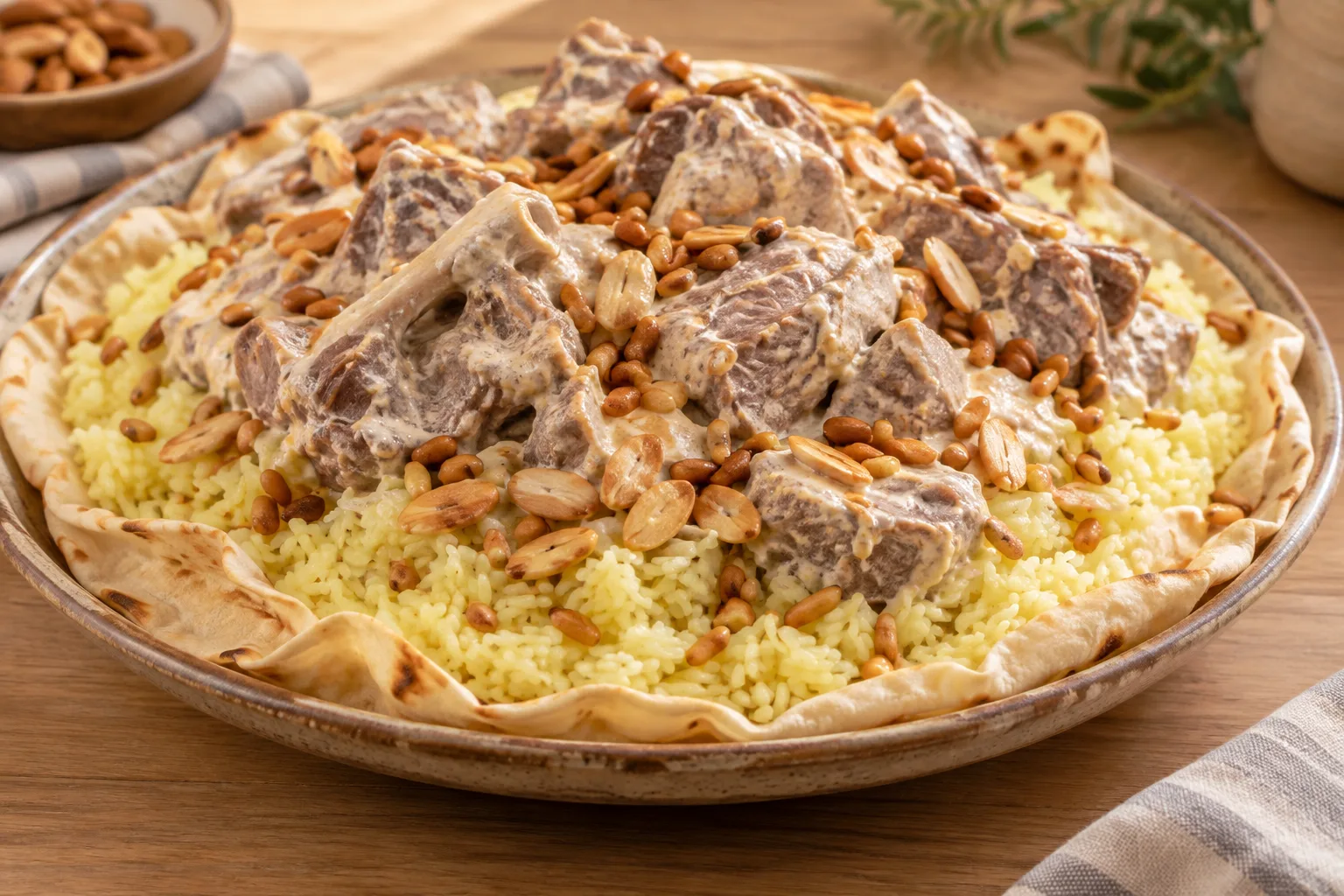
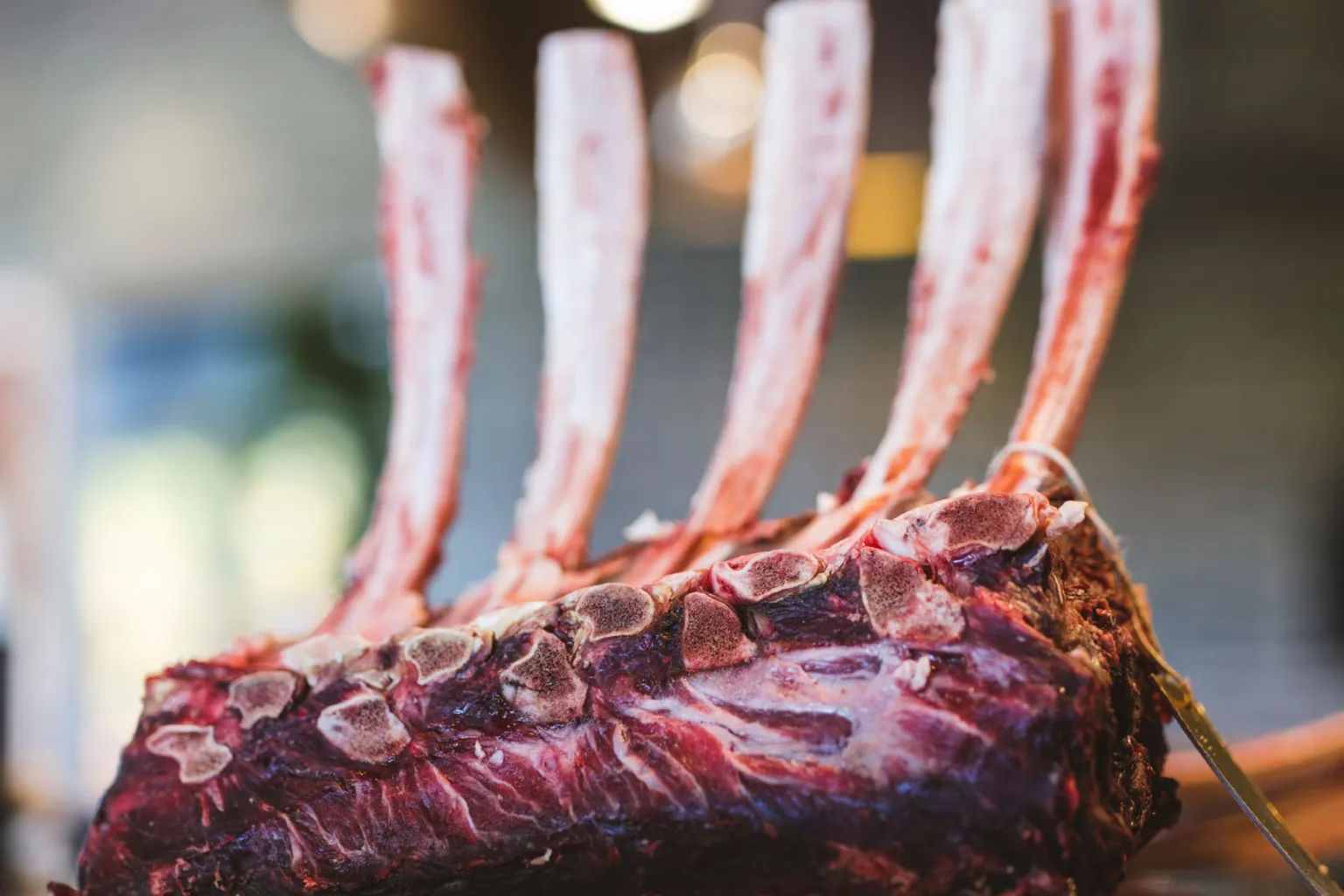
Chopped lamb is lamb meat sold in pieces that may be bone-in or boneless and may vary in size according to the cut and intended use. It is not one specific cut: pieces may come from the shoulder, neck or breast, for example, and these are commonly used in stews when cut up. The animal's age, the amount of fat, the presence of bone and the size of each piece all affect texture and how long the meat takes to become tender. Ask the butcher which cuts are in the pack and choose with the recipe in mind. Chopped lamb is versatile in moist, slow cooking, while suitable, evenly sized pieces can also be sautéed or threaded onto skewers.
When to use it
Choose chopped lamb for dishes where the meat can cook with liquid and aromatics until tender, such as stews, casseroles and one-pot braises. It is useful when you want to divide the meat into portions and serve it with vegetables, potatoes, purée or legumes. Bone-in pieces suit pot cooking where a fuller-tasting broth is welcome; boneless cubes are more convenient for sautéing or skewers when they are similar in size. If a recipe calls for a whole roast or chops, ask for that cut rather than assuming that any assortment of chopped pieces will produce the same result.
How to use it
First check the size of the pieces and trim only excess fat you do not want in the dish; pieces of very different sizes may cook at different rates. For a stew, brown the lamb in batches in a pot, add aromatics and vegetables, pour in the recipe's liquid and cook gently until tender. Potatoes, carrots, peppers or peas work well in the dish, while wine or tomato can form the base of a sauce. For a sauté, use small, evenly sized cubes and avoid crowding the pan. For skewers, choose tender pieces of a similar size. Match the method to the cut: neck, breast and bone-in pieces are generally more suited to stewing than to quick cooking.
Flavour and texture
Flavour and texture vary with the animal's age, the cut, its fat and whether the pieces contain bone. Meat from younger animals is generally more delicate in flavour than meat from older animals, which can taste stronger. With moist, longer cooking, cuts suited to stewing can become tender and juicy; quick sautéing calls for smaller pieces that suit that method. The meat's fat and juices add depth to a sauce, while herbs and vegetables provide contrast.
How to choose it
Ask which cuts are included and whether the pieces are bone-in, since those details help determine the cooking method. Chopped shoulder, neck or breast are common choices for a stew; for skewers or sautés, look for boneless cubes of similar size. Check that the packaging is intact and read the date and storage directions on the label. If a recipe depends on a particular texture, do not assume that every mixed assortment of lamb pieces is interchangeable.
Storage
Store the lamb according to its label and consult local official food-safety guidance for handling, storage and cooking. Do not infer a safe storage period from appearance or smell alone. Keep the package closed until use and, if you will not cook the meat within the stated period, consult the package directions or official guidance on freezing and thawing. Clean surfaces and utensils that have been in contact with raw meat before using them again.
Substitutions
Goat meat can replace lamb in some stews or roast-style dishes, but its flavour and tenderness may differ, so adapt the cooking to the cut. For a braise that allows another meat, a beef cut suited to slow cooking may work, though the flavour will be different. If you only need to change the cut, choose lamb suited to the method: replacing sauté cubes is not the same as replacing bone-in pieces for a long braise.
Common mistakes
Do not assume every piece cooks alike: size, bone and cut change the result. Crowding the pan makes browning difficult, and quickly cooking cuts intended for a stew can leave them firm. Do not choose a mixed assortment without considering the recipe or expect salt, wine or herbs to compensate for an unsuitable cut. Follow the product's storage and handling directions.
Safety and allergens
Follow the label and local official food-safety guidance for handling, storing and cooking lamb. No specific temperatures or time limits are given here; consult the official guidance that applies in your area.
Culinary uses
- Main ingredient in stews and casseroles
- Meat for suitable skewers, sautés and shared dishes
Recommended techniques
- Braise or stew suitable pieces gently until tender
- Sauté or grill evenly sized, suitable pieces
Pairs well with
- Onion, garlic, peppers and other vegetables
- Potatoes, vegetable purées or legumes such as chickpeas
- Tomato or wine in a sauce
- Rosemary, thyme and other aromatic herbs
Frequently asked questions
Which cuts might be sold as chopped lamb?
It may include shoulder, neck or breast, among other cuts. Ask whether the pieces are bone-in and which parts are in the pack.
What dishes suit chopped lamb?
It is convenient for stews, braises and casseroles. Evenly sized boneless cubes may also work for sautés or skewers when the cut suits the method.
Can I use it for any lamb recipe?
Not always. A recipe for chops or a whole roast calls for a different cut, and pieces meant for stewing may not suit quick cooking.
Ingredient allergens
Allergen listThere are no verified associations for these ingredients yet.
Sources and review
Automatically researched, cross-checked and validated content. Sources consulted:
- Gastronomía de Costa Rica - Wikipedia, la enciclopedia libre es.wikipedia.org/wiki/Gastronom%C3%ADa_de_Costa_Rica
- Bloque 1: ¿Qué es un dato de carácter personal? [Vídeo] doi.org/10.6035/ppd.2023.1
- El cordero, base de nuestra cultura, gastronomía y economía | Cultura www.restaurantecain.es/cultura/cordero-gastronomia
- El cordero, un auténtico placer gastronómico - La Mesa Habla lamesahabla.com/cordero-placer-gastronomico/
- Cordero: la tradicional carne de primavera - Gastroactitud. Pasión por la comida www.gastroactitud.com/pista/cordero-la-tradicional-carne-de-primavera/
- Descubre el cordero, un tesoro gastronómico de España rincondecastilla.com/comer-cordero-pinto
- Recetas Tradicionales con Cordero: Delicias de la Cocina Española - Cordero Serranía de Cuenca corderoserraniacuenca.com/recetas-tradicionales-de-cordero/
- 29 recetas de cordero y cabrito para triunfar estas fiestas. Receta de Navidad. www.directoalpaladar.com/recetas-de-carnes-y-aves/29-recetas-cordero-cabrito-para-sorprender…
- - YouTube www.youtube.com/watch?v=D6mo5Na-RRQ
- Un carnicero revela 4 cortes que pueden reemplazar al tradicional cordero en Navidad www.larazon.es/gastronomia/carnicero-revela-cortes-que-pueden-reemplazar-tradicional-cordero…
- lemmas.txt downloads.cs.stanford.edu/nlp/data/CoNLL17_Parser_Models/Spanish/Spanish-Parser/lemmas.txt
- Evolución del léxico culinario desde 1932 a 1972 | OpenAlex openalex.org/W2291578502
- Cordero asado sin fallos: cortes, tiempos y maridajes restauranteelportico.es/blogs/del-saludo-a-los-postres-asi-es-una-comida-de-asados-paso-a-pa…