- Category
- Meat
- State
- Other
- Usual unit
- g
What it is
Chorizo is a seasoned sausage made from ground meat, strongly associated with Spanish cooking and also found in Latin American and Portuguese food traditions. Spanish-style chorizo is characteristically seasoned with paprika and garlic, but the name refers to different products across regions. Some chorizo is fresh and needs cooking; other varieties are cured or dried, and some have a soft, spreadable texture. The name alone does not tell you whether a particular product is ready to eat or how it should be stored. Check the package or ask the seller about its type, ingredients, and handling instructions before using it.
When to use it
Use chorizo when you want a distinctly seasoned, meaty element in a dish. Fresh chorizo can go into recipes that cook it thoroughly, such as stews or skillet meals; cured styles are often sliced or used in hot dishes when the label and recipe allow. It pairs well with eggs, tortilla, beans, lentils, and other stew ingredients. Choose the style to suit the recipe, since chorizos differ in texture, heat, and preparation. Do not assume that fresh chorizo can be served in the same way as a cured product.
How to use it
First identify whether the product is fresh, cured, cooked, or spreadable, then follow its package directions for use and storage. For fresh chorizo, slice or crumble it as the recipe calls for and cook it thoroughly before serving. It can be browned in a pan, grilled, or cooked in a stew; account for any fat it releases when deciding whether to add oil. Cured chorizo may be sliced or added to hot dishes when the product and recipe permit. Start with a modest amount and taste before adding salt or extra seasoning, since the seasoning level varies from one product to another.
Flavour and texture
Paprika gives many chorizos their red color and characteristic spiced flavor, while garlic is typical of Spanish-style varieties. Heat and seasoning intensity vary. Texture can be firm and dry in cured sausage, juicier in fresh sausage, or soft and spreadable in some styles. Some varieties are smoked, but smoking is not a defining feature of every chorizo.
How to choose it
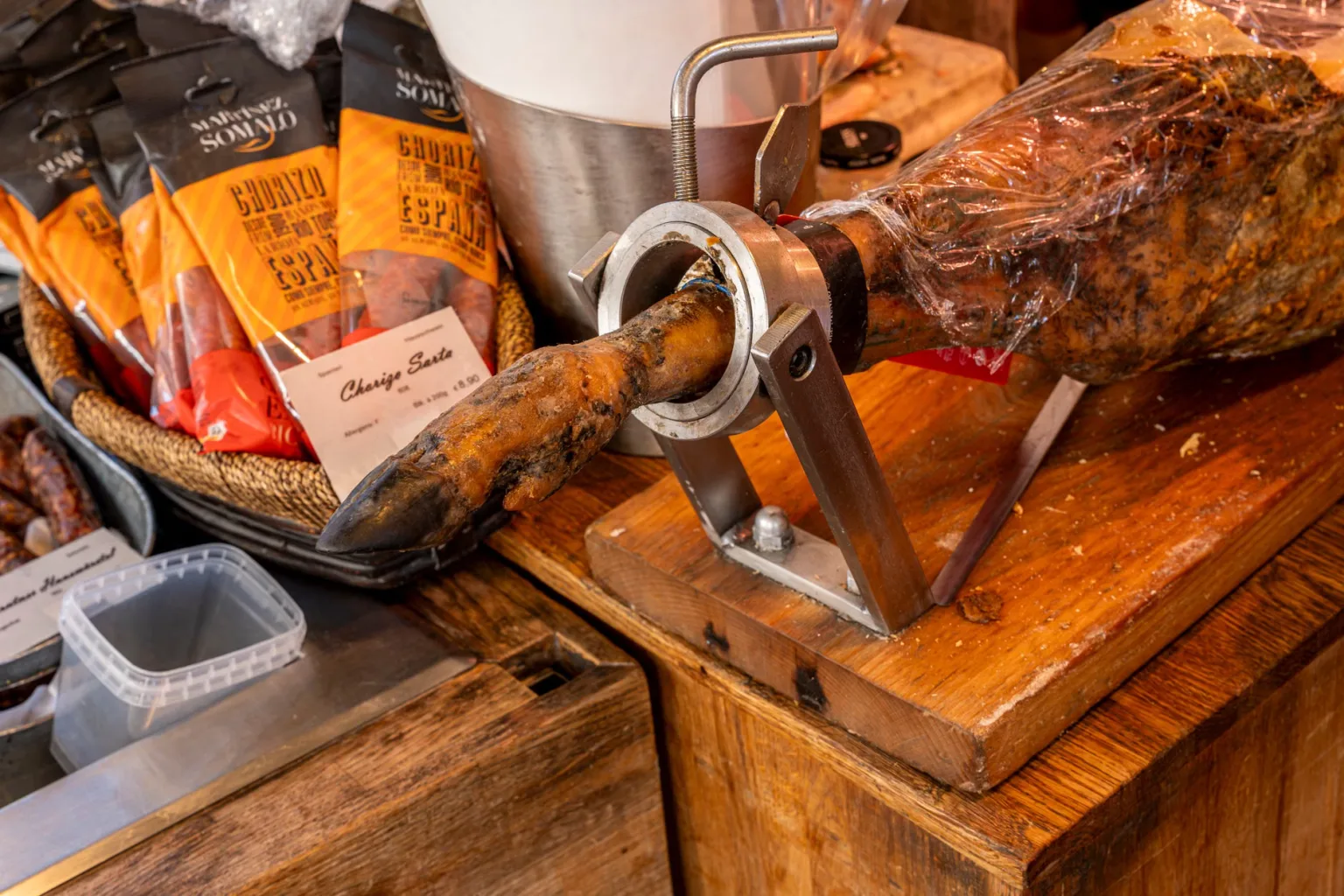
Choose a style for the planned use: fresh for cooking, cured for slicing when the label says it is suitable, or spreadable for spreading. Read the product name, ingredient list, declared allergens, storage directions, and cooking instructions. When buying it unpackaged, ask the seller for relevant product and handling information. The word “chorizo” alone does not identify every ingredient or tell you how the product has been treated.
Storage
Follow the storage and use instructions on the label; requirements differ between fresh and cured products. Keep fresh chorizo, and any product marked for refrigeration, refrigerated. Observe the product date and directions for use after opening. Do not assume every cured product can be stored in the same way. If you do not have the package or are unsure which style you have, ask the seller how to store and use it.
Substitutions
There is no single substitute that matches every chorizo’s flavor and texture. Another chorizo style may work in a cooked recipe if its texture and heat suit the dish, but fresh and cured varieties do not behave identically. When changing styles, taste before adding more salt or spices.
Common mistakes
Do not treat all chorizo as the same product: some is fresh and must be thoroughly cooked, while other types are cured or have a different texture. Do not skip the label’s instructions or add salt automatically before tasting the dish.
Safety and allergens
Check the label for storage directions, declared allergens, and whether the chorizo needs cooking. Keep products marked for refrigeration cold, and thoroughly cook fresh chorizo before eating. For unpackaged products, ask about ingredients and safe use instructions.
Culinary uses
- Seasoned meat ingredient for cooked dishes
- Sliced or spreadable charcuterie, depending on style
Recommended techniques
- Pan-frying
- Grilling
- Simmering in stews
Pairs well with
- Eggs and tortilla
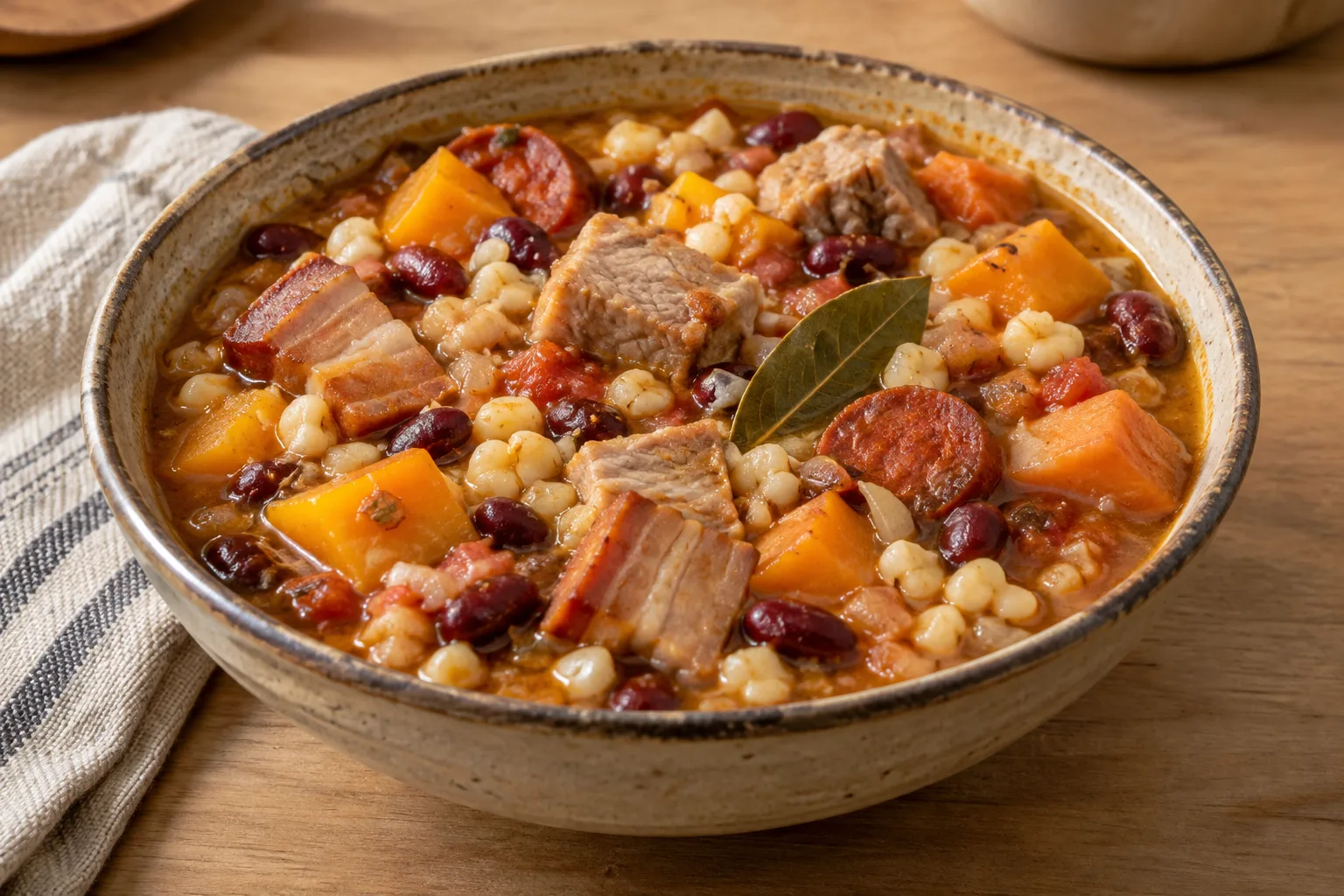
- Beans, lentils, or other stew ingredients
- Bread, cheese, and caramelized onions
Frequently asked questions
Is all chorizo ready to eat?
No. Some chorizo is fresh and needs cooking, while other products are cured or made in different styles. Check the label and follow its directions.
Is chorizo always spicy?
No. Heat and flavor vary between products. Check the description and ingredients, or ask the seller.
How should I store chorizo?
Follow the package directions. Fresh chorizo and products labeled for refrigeration should be kept refrigerated.
Ingredient allergens
Allergen listThere are no verified associations for these ingredients yet.
Estimated nutrition
- Fat
- 25 g
- Saturates
- 10.7 g
- Carbohydrate
- 0 g
- Sugars
- 0 g
- Protein
- 25 g
- Salt
- 4.82 g
Sources and review
Automatically researched, cross-checked and validated content. Sources consulted:
- En el etiquetado alimentario hay algunas menciones que son obligatorias eletiquetadocuentamucho.aesan.gob.es/obligatoria.html
- Client Challenge doi.org/10.2307/jj.27939689.16
- The Essential Glossary of Cooking Terms for the Culinary Arts - Escoffier www.escoffier.edu/blog/culinary-arts/the-essential-glossary-of-cooking-terms-for-the-culinar…
- Chorizo - Wikipedia, la enciclopedia libre es.wikipedia.org/wiki/Chorizo
- Para la ciudadanía www.aesan.gob.es/para-la-ciudadania
- Chorizo - Conozca las diferentes variedades - BR Spanish Gourmet www.brspanishgourmet.com/es/blog/289-chorizo-conozca-las-diferentes-variedades.html
- El chorizo: historia, tipos y beneficios de un icono de la gastronomía española - Cárnicas Anjos carnicasanjos.com/historia-del-chorizo-tipos-beneficios/
- The Soul of Spanish Charcuterie | Institute of Culinary Education www.ice.edu/blog/soul-spanish-charcuterie
- SAFE HANDLING OF SAUSAGES & HOT DOGS ucanr.edu/sites/default/files/2020-10/336685.pdf
- A Recipe for Solidarity: Founder Feng-Feng Yeh Dishes on the Chinese Chorizo Project | Smithsonian Folklife Festival festival.si.edu/blog/tucscon-chinese-chorizo-project
- Safe Handling of Sausages & Hot Dogs | Home & Garden Information Center hgic.clemson.edu/factsheet/safe-handling-of-sausages-hot-dogs/
- ¿De qué está hecho el chorizo? – La Casa Dels Fuets lacasadelsfuets.com/blogs/blog/de-que-esta-hecho-el-chorizo?srsltid=AYCX9vKklJBuNo0-doQ5l_O-…