- Category
- Drinks
- State
- Liquid
- Usual unit
- cup
What it is
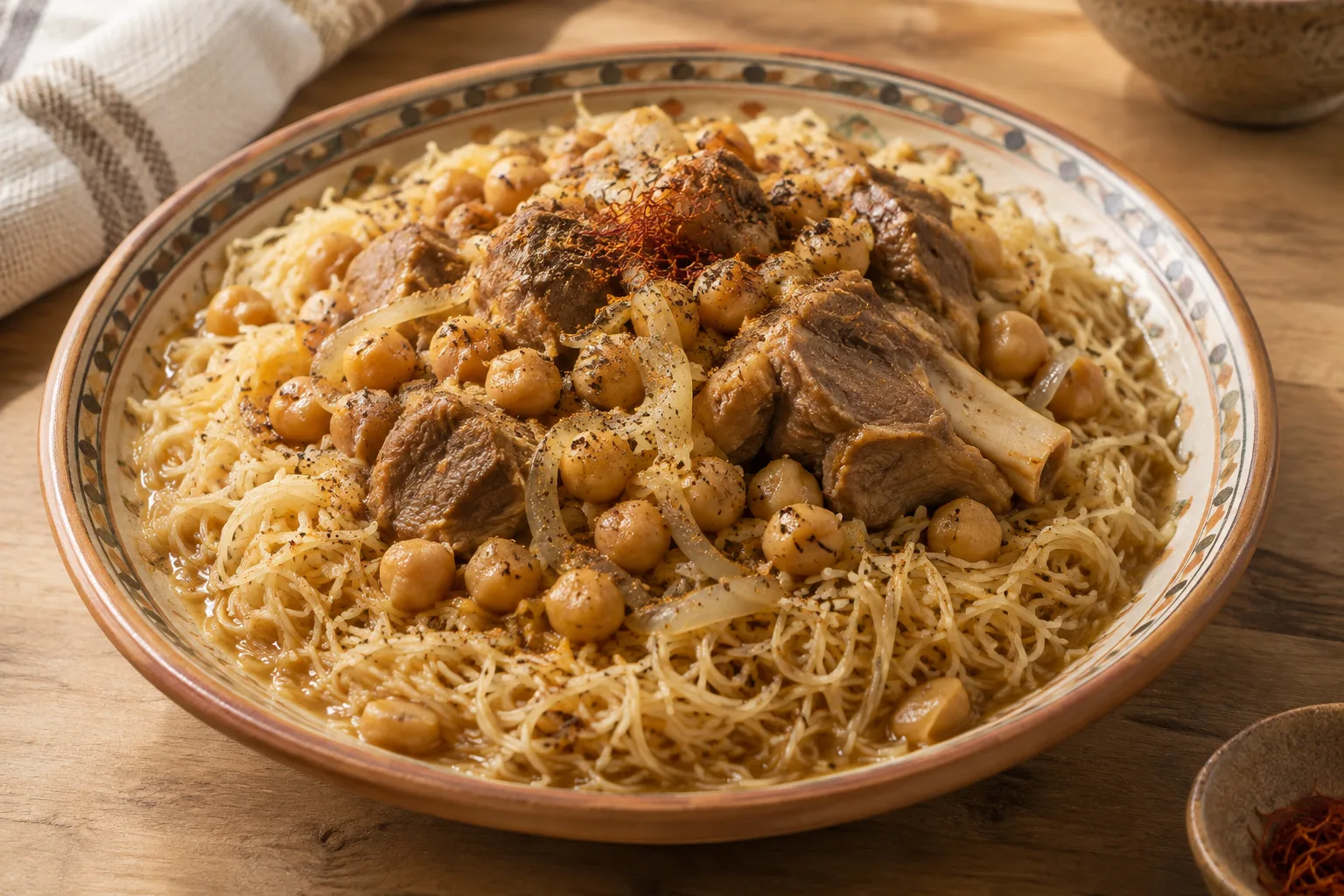
In some rice-noodle preparations, cold water is used to rinse the noodles after they have been hydrated or cooked. The rinse can cool them, stop cooking, and wash away some surface starch. It is a later step, not an instruction to hydrate the noodles in cold water from the start. The term vermicelli can refer to products made from different ingredients and in different shapes or thicknesses, so there is no single method for every noodle. For the rice noodles covered by the available information, the described approach is to hydrate them first, check their texture, and rinse them with cold water afterward if the preparation calls for it. Check the package and adapt the method to the particular product, especially when the noodles will finish cooking in a stir-fry or another hot dish.
When to use it
Use cold water for a post-hydration rinse when the product directions or recipe call for it and you want to cool certain rice noodles after hydrating or cooking them. This can be useful before serving them cold or at room temperature, or before adding them to a dish that calls for cooled noodles. The rinse may also remove some surface starch. Do not confuse this step with an initial soak: the available information describes hydrating the noodles first and rinsing them afterward. If they will finish in a pan or another hot dish, drain them gently and remember that further heat may continue to soften them.
How to use it
Check the package first, because noodle type, thickness, and shape affect the preparation method and timing. If the directions call for hydration or cooking before rinsing, do that first and check the texture before continuing. For a stir-fry, avoid making the noodles too soft before their final time in the pan. When the recipe calls for a rinse, transfer the hydrated noodles to a colander and rinse them gently with cold water. Let them drain well before adding them to the dish. Do not extend a cold soak based on this profile alone: the available information supports a later rinse for certain rice noodles, not cold water as a general way to hydrate all vermicelli. Follow the manufacturer’s directions if they differ.
Flavour and texture
Cold water does not add a noticeable characteristic flavor to the noodles; in this use, its role is practical. Rinsing some hydrated rice noodles can cool them and wash away some surface starch, which may reduce a sticky feel. The result also depends on the ingredients, thickness, hydration, and cooking time. A rinse will not fix noodles that are already overcooked or dry, and different noodle types do not necessarily respond to the same method in the same way.
How to choose it
You do not need special water for rinsing noodles; choose a product that suits the recipe and read its directions. Check the ingredients, shape, and thickness, since vermicelli can describe different kinds of noodles. A method intended for thin rice noodles may not suit another noodle type. If the package does not call for a cold rinse, do not assume it is required; follow the preparation method given for that product.
Storage
Here, water is a preparation liquid, not a way to store noodles. The available information does not establish a storage time or method for noodles submerged in cold water, so do not use this rinse as storage guidance. Prepare and drain the amount you need, and follow the package or recipe directions for any later storage. Do not keep noodles in the rinse water or reuse it as a storage liquid.
Substitutions
If the product or recipe does not call for a cold rinse, follow the package directions and prepare the noodles by the method specified there. You can also omit the rinse when the recipe does not require it and drain the noodles as directed. Neither option makes cold water a hydration method: when appropriate, the rinse comes after the noodles have been hydrated or cooked.
Common mistakes
A common mistake is treating “rinse with cold water” as “hydrate in cold water”; these are different steps. Do not automatically apply a method described for some rice noodles to every kind of vermicelli. Rinsing when the product or recipe does not call for it, or failing to drain the noodles well before stir-frying, can affect the result. Check the package and the texture before continuing.
Safety and allergens
Use water suitable for food preparation and follow the package directions for hydrating or cooking the noodles. A cold rinse is a preparation step, not a storage method.
Culinary uses
- Enjuagar y enfriar algunos fideos de arroz después de hidratarlos o cocinarlos
- Retirar parte del almidón superficial de ciertos fideos durante el enjuague
Recommended techniques
- Enjuagar suavemente con agua fría los fideos de arroz ya hidratados, cuando el método lo indique
- Escurrir con cuidado los fideos después del enjuague
Pairs well with
- Fideos finos de arroz para ensaladas y cuencos fríos o templados
- Fideos de arroz que se terminan en salteados y otros platos calientes
Frequently asked questions
Can cold water hydrate every kind of vermicelli?
It is not established as a general method. The available information describes rinsing certain rice noodles with cold water after hydration or cooking. Check the product directions.
Why rinse some rice noodles with cold water?
The rinse may cool them, stop cooking, and wash away some surface starch. Drain them well and use this step only when it suits the product and recipe.
Should all noodles be rinsed after cooking?
No. The method depends on the noodle and the preparation. Check the package and follow the recipe; a cold rinse is not a universal rule.
Ingredient allergens
Allergen listThere are no verified associations for these ingredients yet.
Sources and review
Automatically researched, cross-checked and validated content. Sources consulted:
- Recetas en 1 minuto www.cordonbleu.edu/madrid/recetas-en-1-minuto/es
- Los expertos siguen buscando el origen del COVID-19: ¿por qué es preocupante? doi.org/10.64628/aao.ujkcvwfsj
- - YouTube www.youtube.com/watch?v=8L6VSCVhAWM
- La técnica definitiva para cocinar los fideos y tallarines de arroz y que no se peguen www.directoalpaladar.com/ingredientes-y-alimentos/esta-mejor-forma-preparar-fideos-tallarine…
- Para cocer bien la pasta debemos tener en cuenta que por cada 100 g de pasta debemos emplear 1 litro de agua. - Gallina Blanca www.gallinablanca.es/trucos/para-cocer-bien-la-pasta-debemos-tener-en-cuenta-que-por-cada-10…
- ¿Con qué reemplazar la pasta? La guía completa y honesta – Délices Low Carb deliceslowcarb.com/es/blogs/infos/par-quoi-remplacer-les-pates-le-guide-complet-et-honnete?s…
- Antes de ir a YouTube www.youtube.com/shorts/GP870sKNzo0