- Category
- Herbs and spices
- State
- Powdered
- Usual unit
- teaspoon
What it is
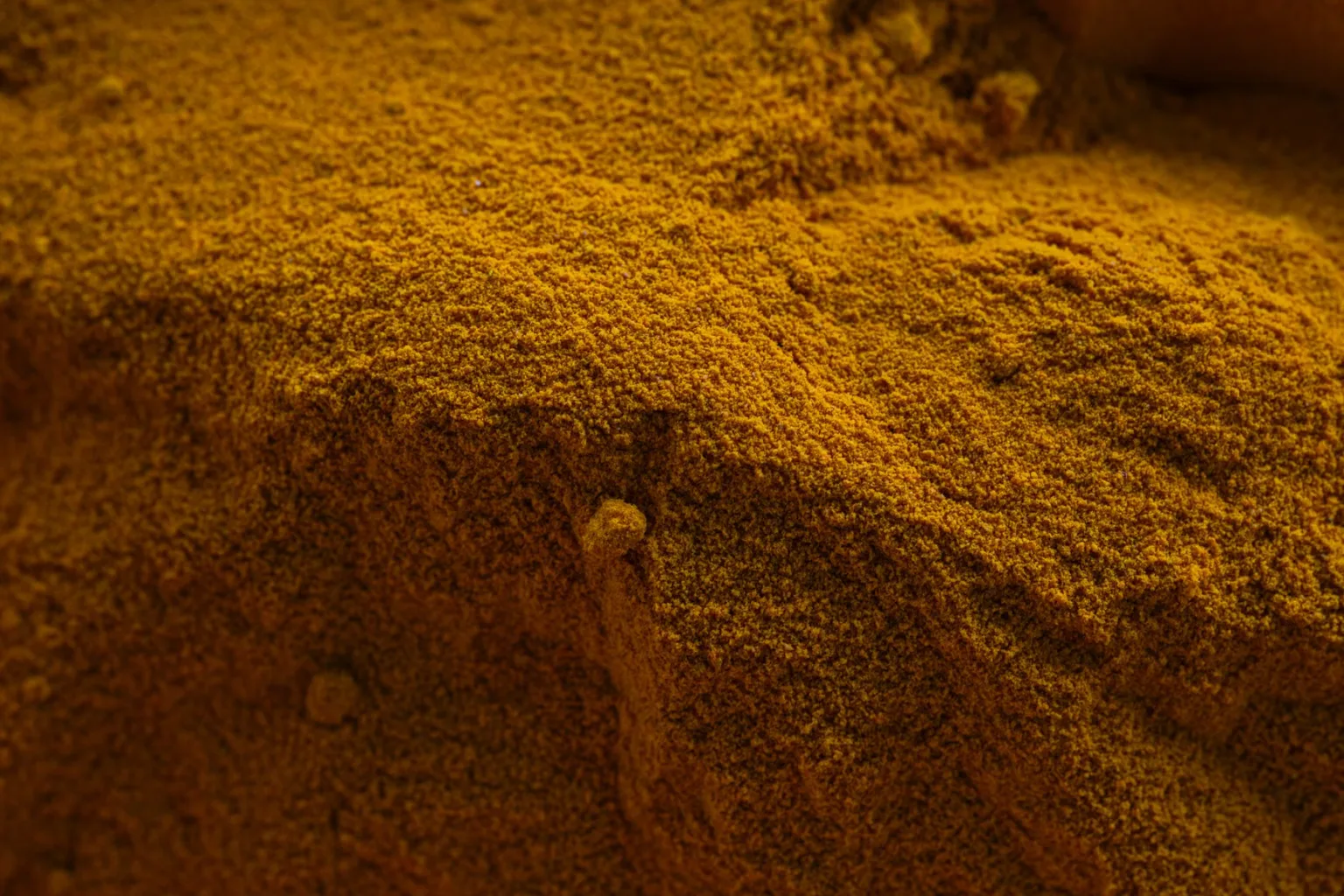
Colombo powder is a spice blend associated with Antillean cooking and preparations inspired by Indian cuisine. There is no single fixed formula: common ingredients include turmeric, coriander, cumin, fenugreek, mustard seeds and black pepper. Some versions include chili, garlic or other spices, while certain recipes add toasted, ground rice. As a result, the color, heat and aroma can differ from one blend to another. Sold as a dry powder, Colombo is used to season stews, chicken dishes, vegetables, legumes, meat, fish and sauces. Check the ingredient list rather than assuming that every product has the same composition.
When to use it
Use Colombo when you want to give a dish a warm, aromatic mix of spices rather than the flavor of a single seasoning. It works in stews and sauces, and pairs with vegetables such as eggplant, potato and sweet potato, as well as legumes, chicken, pork, shrimp and fish. Because blends vary in strength and heat, begin with a modest amount and taste before adding more. If the package lists chili or other prominent ingredients, consider that information when choosing a blend for your recipe.
How to use it
Stir the powder into a sautéed base, a sauce or the dish being cooked, mixing well so the aroma is distributed. You can also add it early in a stew so its flavors have time to blend into the preparation. If making a homemade blend from whole spices, some recipes briefly toast them before grinding; watch them closely and avoid burning, which can produce an unpleasant flavor. Colombo can also be made into a paste with fresh garlic and tamarind pulp, but that moist preparation is different from dry powder and needs different storage. Adjust the amount to the product and your taste.
Flavour and texture
Colombo has a fragrant, spiced aroma. Turmeric often contributes color, while cumin, coriander, mustard and fenugreek can provide distinctive notes. Its heat is not fixed: it depends on the blend and whether it contains chili. The dry seasoning feels like a fine or slightly coarse powder; in a sauce or stew it disperses and seasons the dish. Different recipes can give Colombo different flavors and colors.
How to choose it
Read the ingredient list before buying: Colombo formulas are not identical and can vary in spices and heat. Choose the powdered format if you want a dry seasoning that is ready to use, and check that its package is properly closed and in good condition. If you are unfamiliar with the blend, start with a small amount and taste the dish before adding more.
Storage
Keep Colombo powder in a tightly closed container in a cupboard used for spices. Close the package between uses and follow the storage directions and date provided by the manufacturer. Do not apply refrigeration directions for a homemade moist paste to dry powder; these are different preparations.
Substitutions
Curry powder can be a convenient alternative, but it will not necessarily have the same profile as Colombo. Add it gradually because the heat and ingredients vary between products. Another option is to make a homemade blend with spices such as coriander, turmeric, cumin, fenugreek, mustard and pepper, adapting it to what you have available.
Common mistakes
Do not assume every Colombo blend has the same recipe or heat level. Adding too much before tasting can overwhelm a dish, so begin modestly. If you toast spices for a homemade blend, avoid burning them. Do not confuse dry powder with a moist garlic-and-tamarind paste, which is stored differently.
Safety and allergens
Check the ingredient list and package directions, especially if you need to avoid a particular ingredient. Keep dry powder in a closed container and use clean, dry utensils when handling it.
Culinary uses
- Mezcla para sazonar guisos y salsas
- Condimento para verduras, legumbres, carne y pescado
Recommended techniques
- Incorporar al sofrito o a la preparación para que perfume el plato
- Tostar brevemente las especias antes de mezclarlas, evitando que se quemen
Pairs well with
- Berenjena, patata y batata
- Pollo, cerdo, gambas y pescado
- Legumbres y salsas
Frequently asked questions
Is Colombo always spicy?
No. Heat depends on the recipe and whether the blend contains chili. Check the ingredients and start with a small amount if the product is unfamiliar.
What dishes can I use Colombo in?
It is used in stews and sauces, and pairs with vegetables, legumes, chicken, pork, shrimp and fish.
How should I store Colombo powder?
Keep it tightly closed in a spice cupboard and follow the directions and date on the package.
Ingredient allergens
Allergen listThere are no verified associations for these ingredients yet.
Sources and review
Automatically researched, cross-checked and validated content. Sources consulted:
- ¿Por qué la muerte es origen de miedos y tabúes? doi.org/10.64628/aao.fccyk3qj3
- Client Challenge doi.org/10.2307/jj.27939689.16
- The Essential Glossary of Cooking Terms for the Culinary Arts - Escoffier www.escoffier.edu/blog/culinary-arts/the-essential-glossary-of-cooking-terms-for-the-culinar…
- ¿Qué es el maridaje de sabores? - Hostelería Benidorm www.hosteleriabenidorm.com/2024/11/15/maridaje-de-sabores-que-es/
- Bogotá - Wikipedia, la enciclopedia libre es.wikipedia.org/wiki/Bogot%C3%A1
- 10 Essential Cooking Tips to Improve Kitchen Skills northbridge.edu/en/publications/5-lessons-from-culinary-arts-that-can-be-used-daily-as-a-hom…
- Recipe Pamphlets in the Chef Louis Szathmáry Collection of Culinary Arts A-D - Special Collections and Archives - University of Iowa Libraries www.lib.uiowa.edu/sc/louis/
- Maqueta nº 10.2 aesan.gob.es/dam/jcr:1538b6eb-680f-44b8-bbc5-b08d810b00dc/comite_cientifico_10.pdf
- Comité Científico aesan.gob.es/dam/jcr:a7c4e553-46f5-4def-9ede-b6d1e19b3948/comite_cientifico_42.pdf
- Colombo | Gastronomía & Cía www.gastronomiaycia.com/colombo/
- El colombo - Guía Gastronomía y Vacaciones www.france-voyage.com/francia-gastronomia/colombo-615.htm
- EL VINO EN LA COCINA. HISTORIA, TRADICIÓN Y ORIGINALIDAD | OpenAlex openalex.org/W1561740088
- Colombo martiniqués: receta auténtica e historia india hosteltoucan.com/es/blog/colombo-martiniques-receta-autentica-e-historia-india/
- Colombo, la historia del plato de los trabajadores indios - RK 2026 www.google.com/goto?url=CAESrgEB6zswFV2T9h32qApAiD5Yt-2owfi9hTVmITCkkMHfga9iMLzZUcgazh_cZ3l1…
- Maridar vinos y mariscos: claves para potenciar sabores elspescadors.com/maridar-vinos-mariscos-claves-potenciar-sabores/