- Category
- Herbs and spices
- State
- Powdered
- Usual unit
- tablespoon
What it is
Colombo powder, also known as poudre à colombo, is a ground spice blend used to season dishes associated with Caribbean cooking. There is no single standard formula: versions may contain coriander, turmeric, chile, garlic, mustard or fenugreek, while others may include cumin, allspice, bay leaf, cloves, or toasted and ground rice. As a result, products with the same name can differ in flavor, color and heat. The blend is sold ready-made and can also be prepared at home by toasting and grinding some whole spices and combining them with ground spices. It is not a single spice, and its name alone does not tell you exactly which ingredients are included.
When to use it
Use it when you want to give stews, curries, sauces or vegetables a fragrant, spiced character. It is commonly used with vegetables such as potatoes, eggplant and sweet potato, as well as legumes, meat, fish and seafood. Since homemade and commercial blends differ, begin with a small amount and adjust after tasting, especially if you do not know how much chile or how strong the blend is. The powder can be stirred into a sauce or cream, or used alongside other aromatic ingredients.
How to use it
Add Colombo powder gradually and stir well so it spreads through the dish. In a stew or sauce, you can add it during cooking so its flavor mingles with the other ingredients; it can also be combined with garlic or other ingredients to make a seasoning paste. Some homemade versions begin by toasting whole spices, grinding them and then mixing them with ground turmeric. If you are using a packaged blend, follow its label where it gives specific advice: some products are intended for sauces or creams rather than very intense cooking. Taste and adjust carefully because blends vary in strength and heat. A dish called colombo often combines the blend with vegetables, meat or fish, but the dish name does not specify one fixed recipe.
Flavour and texture
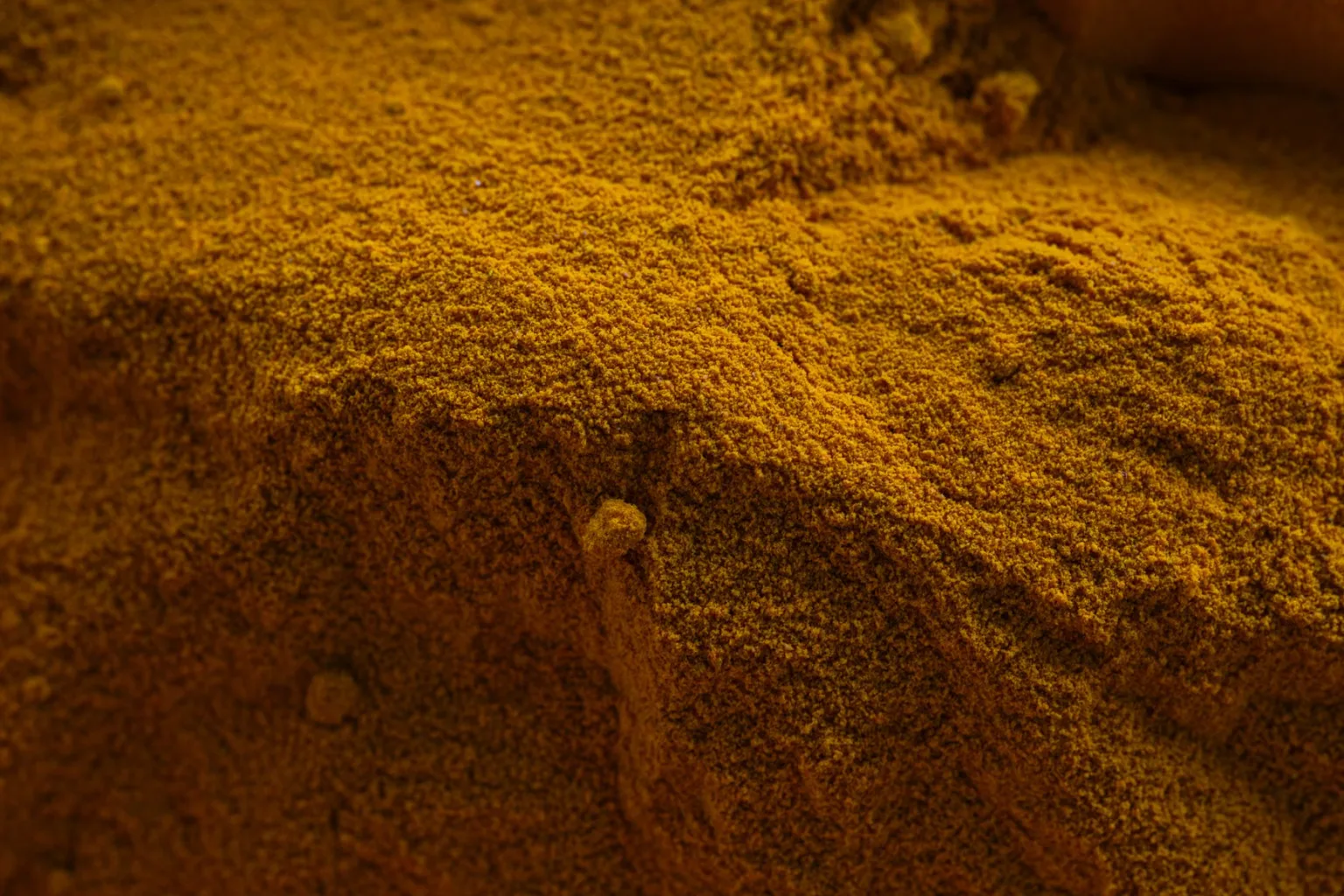
The flavor depends on the blend: it may be warm, earthy and aromatic, with a mild heat or sweeter and fresher notes depending on its ingredients. Turmeric can contribute color, while chile, cumin, mustard and other spices change the aroma and intensity. The powder is dry and fine, although the grind can vary; when mixed with liquid or moist ingredients, it disperses into a sauce or paste.
How to choose it
Look for a product clearly labeled Colombo or poudre à colombo, and check its ingredient list because there is no universal formula. Check whether it contains chile and what other spices are included to get an idea of its heat and flavor profile; also inspect the date and packaging. If you want control over the blend, make it at home with whole and ground spices, adjusting the ingredients and proportions to suit the dish.
Storage
Keep dry Colombo powder in a tightly closed container in a cupboard or spice shelf. Do not treat dry powder and a fresh paste as the same product: paste may contain moist ingredients such as garlic or tamarind and needs different care. Close the container after use and follow any storage directions on the manufacturer’s label. If you make a paste, do not automatically apply the storage guidance for dry powder to it.
Substitutions
There is no exact substitute because Colombo blends vary. A combination of coriander, turmeric, cumin and mustard can provide a similar starting point, with chile adjusted to taste. Another curry blend can also work, though its aroma, color and heat may differ. The best alternative depends on the ingredients in your product and the role the blend plays in the recipe.
Common mistakes
Do not assume every Colombo blend is identical or has a predictable heat level. Avoid adding a large amount before you know the product; it is easier to adjust seasoning gradually. Do not confuse dry powder with a moist paste or use the same storage approach for both. Follow any specific directions printed on the package.
Safety and allergens
Check the ingredient list and package information, especially if you need to avoid a particular ingredient. The name Colombo powder alone does not establish its exact composition, since blends vary. Keep dry powder closed and follow the manufacturer’s directions; a paste made with moist ingredients needs different storage.
Culinary uses
- Condimento para guisos y curris
- Base aromática para salsas y cremas
- Sazonador de verduras, legumbres, carnes y pescados
Recommended techniques
- Incorporar a guisos y salsas durante la cocción
- Mezclar con otros ingredientes para formar una pasta
- Tostar las especias enteras antes de molerlas para hacer una mezcla casera
Pairs well with
- Patata, berenjena, calabacín y otras hortalizas
- Legumbres y arroz
- Pollo y otras carnes
- Pescados y mariscos
Frequently asked questions
Is Colombo powder the same as curry powder?
It is a curry-style spice blend, but its composition is not fixed and may differ from other blends sold as curry powder.
Is Colombo powder always hot?
Not necessarily. Some blends contain chile and others may be mild; check the ingredients and start with a small amount.
Can I make Colombo powder at home?
Yes. You can toast and grind selected whole spices, then combine them with ground spices. Adjust the ingredients and proportions to the dish.
Ingredient allergens
Allergen listThere are no verified associations for these ingredients yet.
Sources and review
Automatically researched, cross-checked and validated content. Sources consulted:
- ¿Por qué la muerte es origen de miedos y tabúes? doi.org/10.64628/aao.fccyk3qj3
- The Essential Glossary of Cooking Terms for the Culinary Arts - Escoffier www.escoffier.edu/blog/culinary-arts/the-essential-glossary-of-cooking-terms-for-the-culinar…
- - YouTube www.youtube.com/watch?v=hfLvsnOpIzc
- Comité Científico aesan.gob.es/dam/jcr:a7c4e553-46f5-4def-9ede-b6d1e19b3948/comite_cientifico_42.pdf
- Cómo usar especias y condimentos para mejorar tus platos munozypujante.com/como-usar-especias-y-condimentos-para-mejorar-tus-platos/
- Colombo | Gastronomía & Cía www.gastronomiaycia.com/colombo/
- Especias y aromas: Un viaje culinario por la gastronomía de Sri Lanka www.destinosasiaticos.com/blog/especias-y-aromas-un-viaje-culinario-por-la-gastronomia-de-sr…
- Especias Colombo - Azafranes la llave www.azafraneslallave.com/producto/especias-colombo/
- Colombo de pollo, el curry caribeño de las Antillas francesas www.directoalpaladar.com/recetas-de-carnes-y-aves/colombo-pollo-curry-caribeno-antillas-fran…
- pressure rucore.libraries.rutgers.edu/rutgers-lib/44747/TXT/3/
- Canela - Wikipedia, la enciclopedia libre es.wikipedia.org/wiki/Canela