- Category
- Vegetables
- State
- Fresh
- Usual unit
- teaspoon
What it is
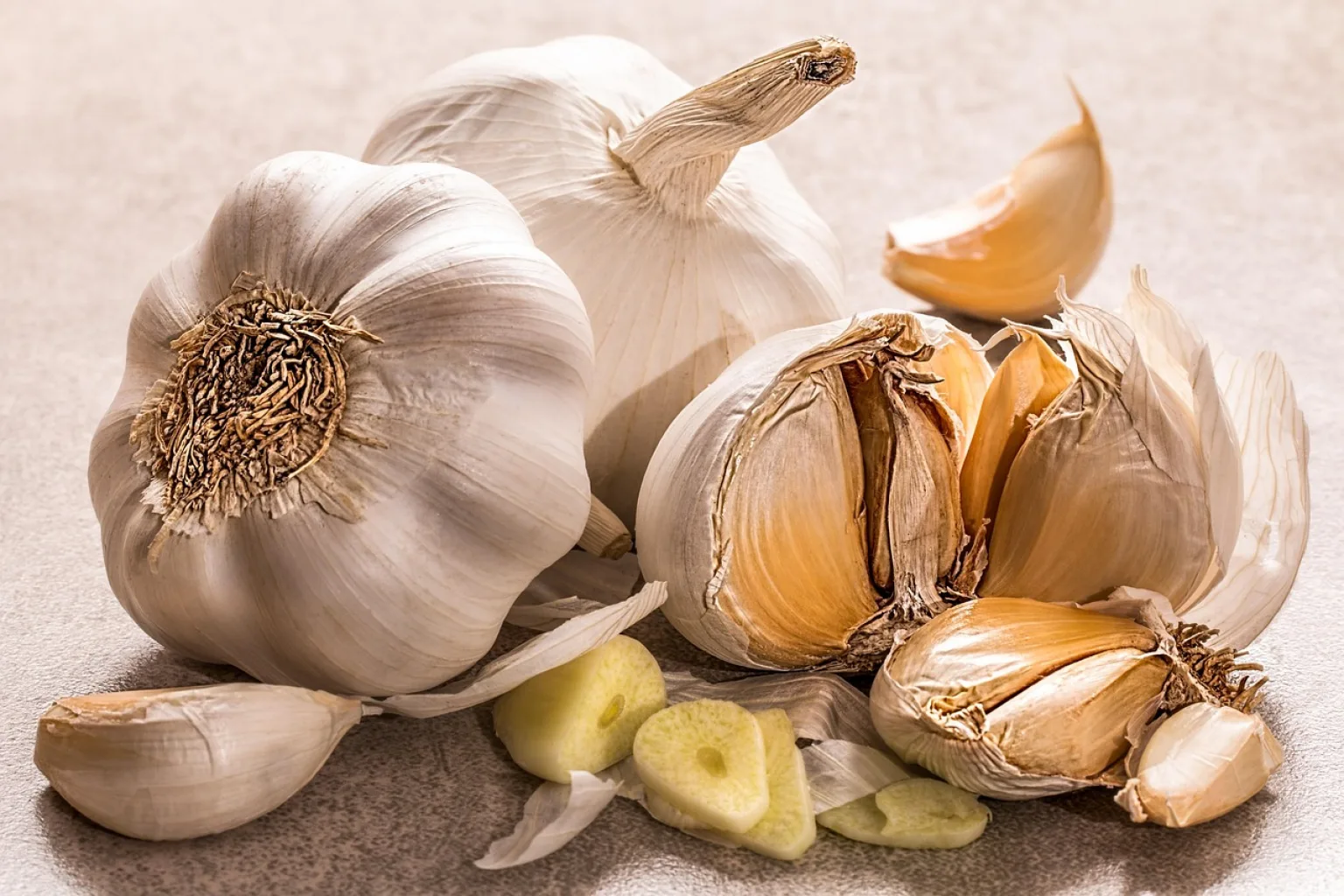
Crushed garlic is a fresh garlic clove that has been peeled and pressed, mashed or crushed until it forms very small pieces or a moist paste. It is different from garlic powder and fried garlic, which are separate formats with different textures and flavor. Because crushed garlic disperses easily, it is useful when you want garlic flavor throughout a sauce or dish rather than in distinct slices or chunks. Its intensity depends on the garlic and how much you use; raw garlic is typically pungent, while cooking softens its characteristic sharpness. Garlic belongs to the Allium family, alongside ingredients such as onions, leeks and shallots. Crush a clove shortly before using it when you want a fresh, assertive garlic note in a dressing, marinade or cooked preparation.
When to use it
Use crushed garlic when you want its flavor to spread evenly through a sauce, dressing, marinade or cooking base. It can be added raw to dressings and sauces, or cooked to season sautés, pasta, potatoes, soups and vegetable stews. It also mixes easily with herbs and oil as a seasoning for meat before cooking. Since crushed garlic is more evenly distributed than sliced garlic, measure it thoughtfully: even a small amount can flavor a whole dish. Choose chopped or sliced garlic instead when you want visible pieces or a less uniform distribution. The raw version tastes sharper; gentle cooking mellows its intensity.
How to use it
Peel a garlic clove, then crush it with a garlic press, mortar or the flat side of a knife until finely textured. Stir it raw into a dressing or sauce for a pronounced garlic flavor, or combine it with herbs and other ingredients for a marinade. For hot dishes, add it to the pan and cook gently rather than letting it brown heavily; scorched garlic can taste bitter. Crushed garlic works in sautés, pasta, potato dishes, soups and stews. Adjust the quantity to suit the strength you want and the other ingredients in the recipe. If combining garlic with oil for storage, do not leave it at room temperature. Follow safe garlic-in-oil storage guidance, and prepare only an amount you can store safely.
Flavour and texture
Fresh crushed garlic has a pungent aroma and a strong, sharp, lingering taste, especially when used raw. Its moist, fine texture allows it to spread readily through sauces, dressings and marinades. Cooking softens its sharpness, while overcooking or scorching can make it bitter. The final intensity also depends on how much garlic you use and what other ingredients accompany it.
How to choose it
For homemade crushed garlic, choose firm, dry garlic cloves without soft spots or visible mold. Dry, intact skin and a firm clove are useful signs when selecting whole garlic. If buying garlic already crushed, check the package, ingredient list and storage directions; do not assume a refrigerated or oil-packed product can be stored like a whole bulb. Choose the format that suits your recipe, and avoid using a product with visible signs of spoilage.
Storage
Whole garlic is best kept in a cool, dry, well-ventilated place; guidance for whole bulbs should not be confused with storage advice for crushed garlic or garlic mixed with oil. Crush garlic close to the time you plan to use it. Never store raw garlic in oil at room temperature: improper storage can allow botulinum toxin to develop. For short-term storage, peeled garlic submerged in oil must be refrigerated and used within four days; freeze it for longer storage. Follow verified instructions for any other preservation method.
Substitutions
Fresh minced or finely chopped garlic can replace crushed garlic when a smooth paste is not essential, though the texture and distribution will differ. Garlic powder is another convenient option, but it is dry and does not provide the same moisture or exactly the same character. Fried garlic or fried garlic powder gives a milder, cooked flavor, so it will not reproduce the sharpness of fresh raw garlic. Adjust the amount and taste the dish before adding more.
Common mistakes
A common mistake is letting crushed garlic burn in a pan: excessive heat can make it taste bitter. Add it carefully and cook it gently. Another is using too much; its fine texture spreads its flavor throughout the dish. Do not treat crushed fresh garlic as interchangeable in texture with garlic powder or fried garlic, and never store raw garlic in oil at room temperature.
Safety and allergens
Do not store raw garlic in oil at room temperature. For short-term use, peeled garlic covered with oil may be refrigerated for up to four days; freeze it for longer storage. Crushed garlic in oil needs the same precautions. Discard preparations showing mold or spoilage, and follow reliable storage instructions.
Culinary uses
- aromatic base for cooked dishes
- seasoning for sauces, dressings and marinades
- flavoring for bread and vegetable dishes
Recommended techniques
- crushing or mashing
- adding raw to dressings and sauces
- briefly sautéing over moderate heat
- mixing into marinades and seasoning pastes
Pairs well with
- parsley
- olive oil
- bread
- pasta
- potatoes
- meat
- soups and vegetable stews
Frequently asked questions
Is crushed garlic the same as garlic powder?
No. Crushed garlic is fresh and moist, while garlic powder is a dry format. They differ in texture and how they blend into a recipe.
How can I keep crushed garlic from tasting bitter?
Keep it from scorching. Add it carefully and cook it gently; excessive browning can create a bitter taste.
Can I store crushed garlic in oil at room temperature?
No. Do not keep raw garlic in oil at room temperature. Refrigerate it for short-term use—up to four days—or freeze it for longer storage.
Ingredient allergens
Allergen listThere are no verified associations for these ingredients yet.
Estimated nutrition
- Fat
- 0 g
- Saturates
- 0 g
- Carbohydrate
- 22.2 g
- Sugars
- 0 g
- Protein
- 0 g
- Salt
- 0 g
Sources and review
Automatically researched, cross-checked and validated content. Sources consulted:
- ¿Por qué la muerte es origen de miedos y tabúes? doi.org/10.64628/aao.fccyk3qj3
- Client Challenge doi.org/10.2307/jj.27939689.16
- The Essential Glossary of Cooking Terms for the Culinary Arts - Escoffier www.escoffier.edu/blog/culinary-arts/the-essential-glossary-of-cooking-terms-for-the-culinar…
- Ajo, tipos, beneficios y uso en la cocina - Mercado de Chamartín mercadodechamartin.es/blog/ajo/
- Ajo, el ingrediente milenario que transforma el sabor en la cocina www.chefyerika.com/post/ajo-el-ingrediente-milenario-que-transforma-el-sabor-en-la-cocina
- Publicaciones de Seguridad alimentaria www.aesan.gob.es/actualidad/publicaciones-seguridad-alimentaria
- Preserving garlic | OSU Extension Service extension.oregonstate.edu/food/preservation/preserving-garlic
- De la cocina a la narrativa en Tierras de pan llevar. Un acercamiento léxico a la gastronomía tradicional hondureña | OpenAlex openalex.org/W4404546064
- Gazpacho - Wikipedia, la enciclopedia libre es.wikipedia.org/wiki/Gazpacho
- Coriandrum sativum - Wikipedia, la enciclopedia libre es.wikipedia.org/wiki/Coriandrum_sativum
- Usos culinarios del ajo | Consumer www.google.com/goto?url=CAESfAHrOzAV2Y-zwvka3rnir5bgbq5mahL4N4fyiAMYB0lUIECRwlSRU2hBEWmy505l…
- ¿Qué formato de ajo es el que más te conviene? - La Abuela Carmen www.google.com/goto?url=CAESgwEB6zswFRhco92BwtPZAQpjKJ-N-3PzFrPHHww415VxQzo8Z_F5_qL7KxMAUVgE…