- Category
- Bread and dough
- State
- Fresh
- Usual unit
- g
What it is
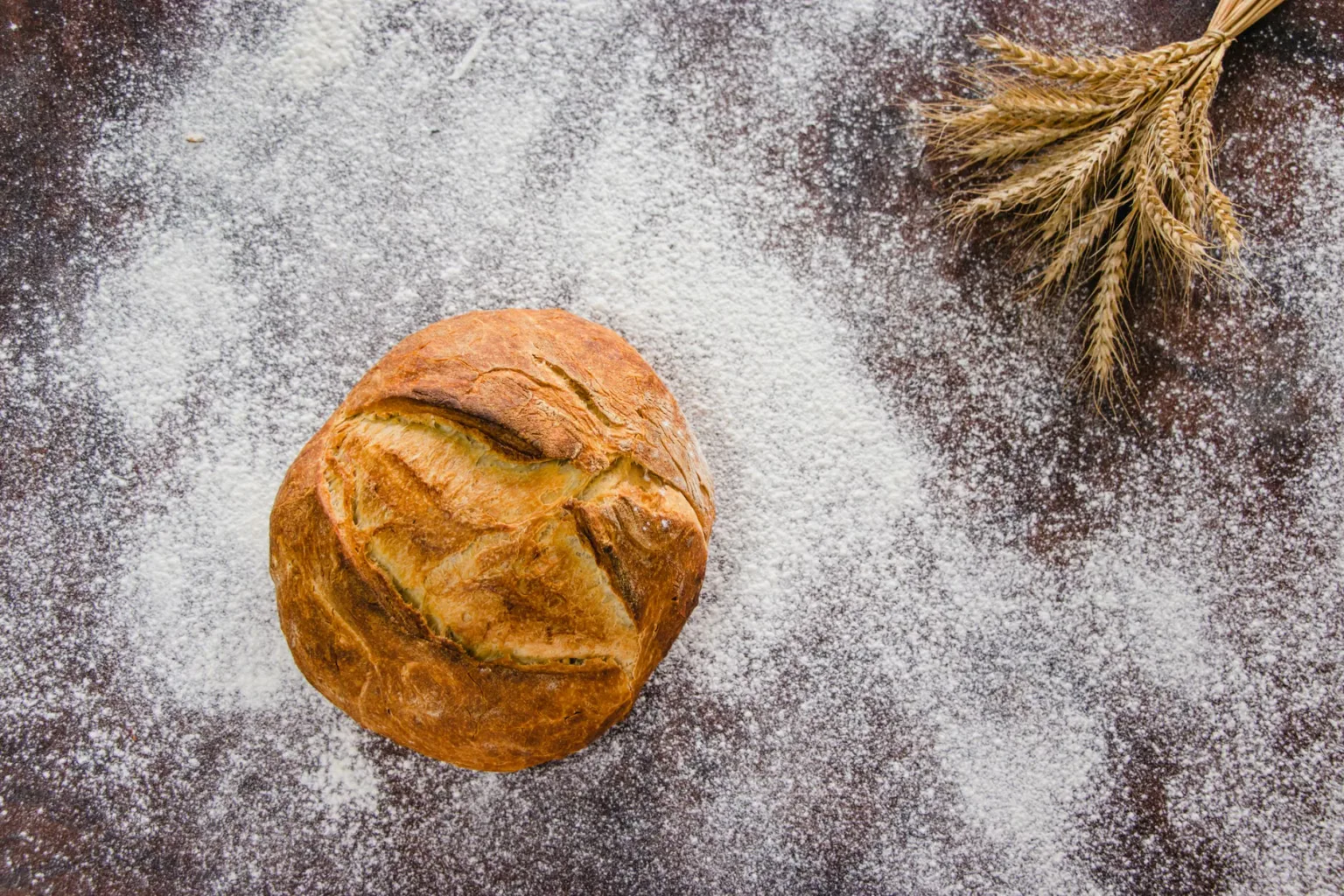
Crusty bread describes a texture rather than one fixed recipe. It can include baguettes, loaves and other breads with a pronounced crust. Bread is commonly made with flour from one or more grains, water and salt; many recipes use yeast to ferment the dough and create a lighter crumb. Flour choice, hydration, fermentation and baking all affect the crust and interior. As a result, crusty bread may have an airy, open crumb or a denser one. Recipes may also include seeds or other additions, so check the ingredient label when you need to know exactly what a particular loaf contains.
When to use it
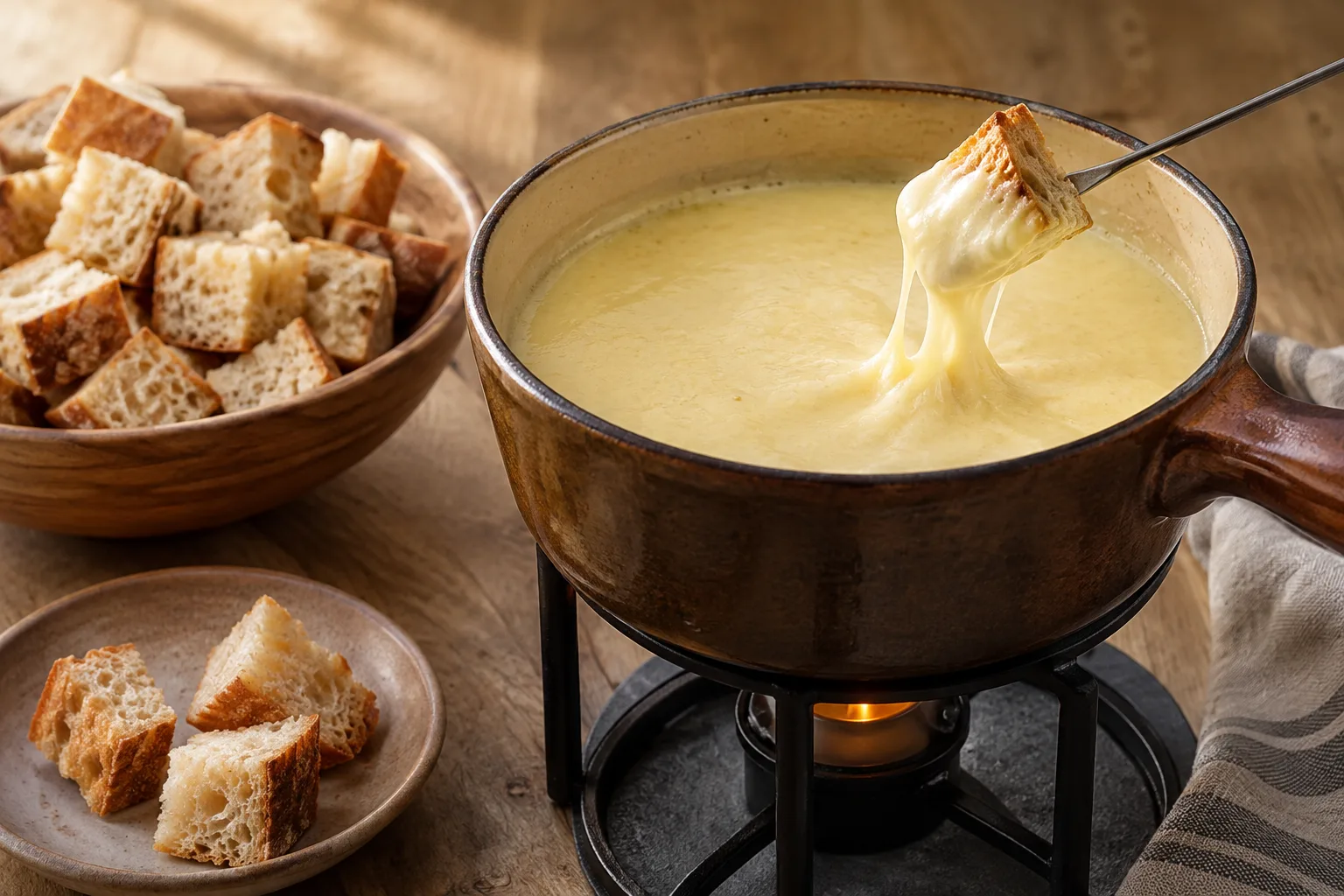
Choose crusty bread when you want a firm exterior to contrast with the crumb, or a slice or piece that can hold fillings and spreads. Serve it with a meal, make a sandwich or toast, or pair it with sweet toppings such as butter and jam. It also goes well with tomato and olive oil, cheese, cured meats or other meats. Consider the shape and density when choosing: a baguette or other long loaf is convenient for portions, while a round or large loaf can provide wider slices. Texture and ingredients vary between breads, so match the loaf to the dish and the preferences of the people eating it.
How to use it
Slice the loaf with a serrated knife to cut through the crust without pressing the crumb flat. Serve slices alongside a meal, or split and fill the bread to make a sandwich. For toast, heat slices until the surface is browned to your liking; the result depends on slice thickness and the appliance. Pair it with savory ingredients such as cheese, tomato with olive oil, cured meats or other meats, or sweet options such as butter and jam. You can also serve it with soups and other dishes as an accompaniment. Check the ingredient list if you need a particular type, because breads do not all use the same flour or additions.
Flavour and texture
Flavor depends on the flour, fermentation and added ingredients; it can be mild or more pronounced. The defining feature is a firm, crisp crust, though its thickness and hardness vary between breads. The crumb may be light and airy, moist or more compact. Do not assume every crusty loaf tastes the same: compare its aroma, color, shape and ingredient information.
How to choose it
Choose a loaf with an intact crust and the texture you prefer; crust thickness and crumb density vary among baguettes, bars and round loaves. If you want a particular flavor or crumb, ask about the flour and method or read the label. Check the ingredient list for grains, seeds or other components you may need to avoid. Bread can become firm as it loses freshness, so choose an amount suited to how you plan to use it.
Storage
How long the texture lasts depends on the loaf’s type and size: some long loaves lose freshness quickly, while certain larger loaves may keep for several days. To enjoy the crust at its best, buy an amount you can use while its texture is still appealing to you. Bread that has become firm is not necessarily spoiled, but its texture has changed; check its appearance and smell before using it, and follow package directions where provided.
Substitutions
If crusty bread is unavailable, use another firm-crusted loaf, baguette or ciabatta; a sliced larger loaf can also work for sandwiches. The replacement may change crust thickness, serving size and crumb texture. Choose according to the intended use and check the ingredients, since switching varieties can also change the grains, seeds and other components.
Common mistakes
Do not assume all crusty breads have the same crumb, flour or ingredients. An overly thick slice can overwhelm a delicate filling, while a blunt knife may compress the crumb. If you need a specific grain, do not choose by crust alone: check the label or ask about the ingredients.
Safety and allergens
Bread ingredients depend on the recipe. If you have an allergy or need to avoid wheat, gluten, seeds or another ingredient, check the label and ask the seller; do not assume a bread is suitable based on its appearance or name.
Culinary uses
- Acompañamiento para comidas
- Base para bocadillos y tostadas
- Soporte para untables y aperitivos
Recommended techniques
- Cortar en rebanadas
- Tostar
- Servir en bocadillos o como acompañamiento
Pairs well with
- Queso
- Tomate y aceite de oliva
- Mantequilla y mermelada
- Carnes y embutidos
Frequently asked questions
Is crusty bread always made with wheat?
No. Bread can be made with wheat, other grains or blends. Check the ingredient label to find out which flour is used.
How can I serve crusty bread?
Slice it to accompany a meal, make sandwiches or toast, or serve it with cheese, tomato and olive oil, butter or jam.
Does all crusty bread have the same crumb?
No. The crumb can be airy or compact, and the crust varies in thickness and firmness according to the variety and method.
Ingredient allergens
Allergen listDepends on the product
-
Cereals containing gluten
Crusty bread
-
Lupin
Crusty bread
-
Sesame
Crusty bread
Sources and review
Automatically researched, cross-checked and validated content. Sources consulted:
- Pan - Wikipedia, la enciclopedia libre es.wikipedia.org/wiki/Pan
- Client Challenge doi.org/10.2307/jj.27939689.16
- The Essential Glossary of Cooking Terms for the Culinary Arts - Escoffier www.escoffier.edu/blog/culinary-arts/the-essential-glossary-of-cooking-terms-for-the-culinar…
- La diabetes y la alimentación: Cómo planificar y cocinar comidas sabrosas y saludables | CAES Field Report fieldreport.caes.uga.edu/publications/C1364-08-SP/la-diabetes-y-la-alimentacion/
- Vamos a Conservar Alimentos: La Congelación de Frutas extension.psu.edu/vamos-a-conservar-alimentos-la-congelacion-de-frutas/
- Tipos de pan: 15 variedades | Fine Dining Lovers www.finedininglovers.es/explorar/noticias/tipos-de-pan
- Descubre el origen de diez tipos de panes tradicionales y las características que los hacen irresistibles www.abc.es/gastronomia/abci-descubre-origen-diez-tipos-panes-tradicionales-y-caracteristicas…
- Tipos de panes, características, ingredientes y usos de cada uno fricopan.es/blog/cuantos-tipos-de-panes-hay-te-descubrimos-los-mas-consumidos/
- 15 Sorprendentes Variedades de Pan que Debes Conocer panrocio.es/variedades-de-pan/
- ¿Sabes diferenciar los tipos de pan según su corteza? | El arte de comer bien | mentta mentta.com/blog/los-tipos-de-pan?srsltid=AYCX9vLE4JpCRcR1Gs-J_3fyexz-bHVFq4Ix_OFOBna3ct39KVY…
- Managing allergens | Food Standards Scotland www.foodstandards.gov.scot/business-guidance/running-a-food-business/managing-allergens