- Category
- Oils and fats
- State
- Fresh
- Usual unit
- ml
What it is
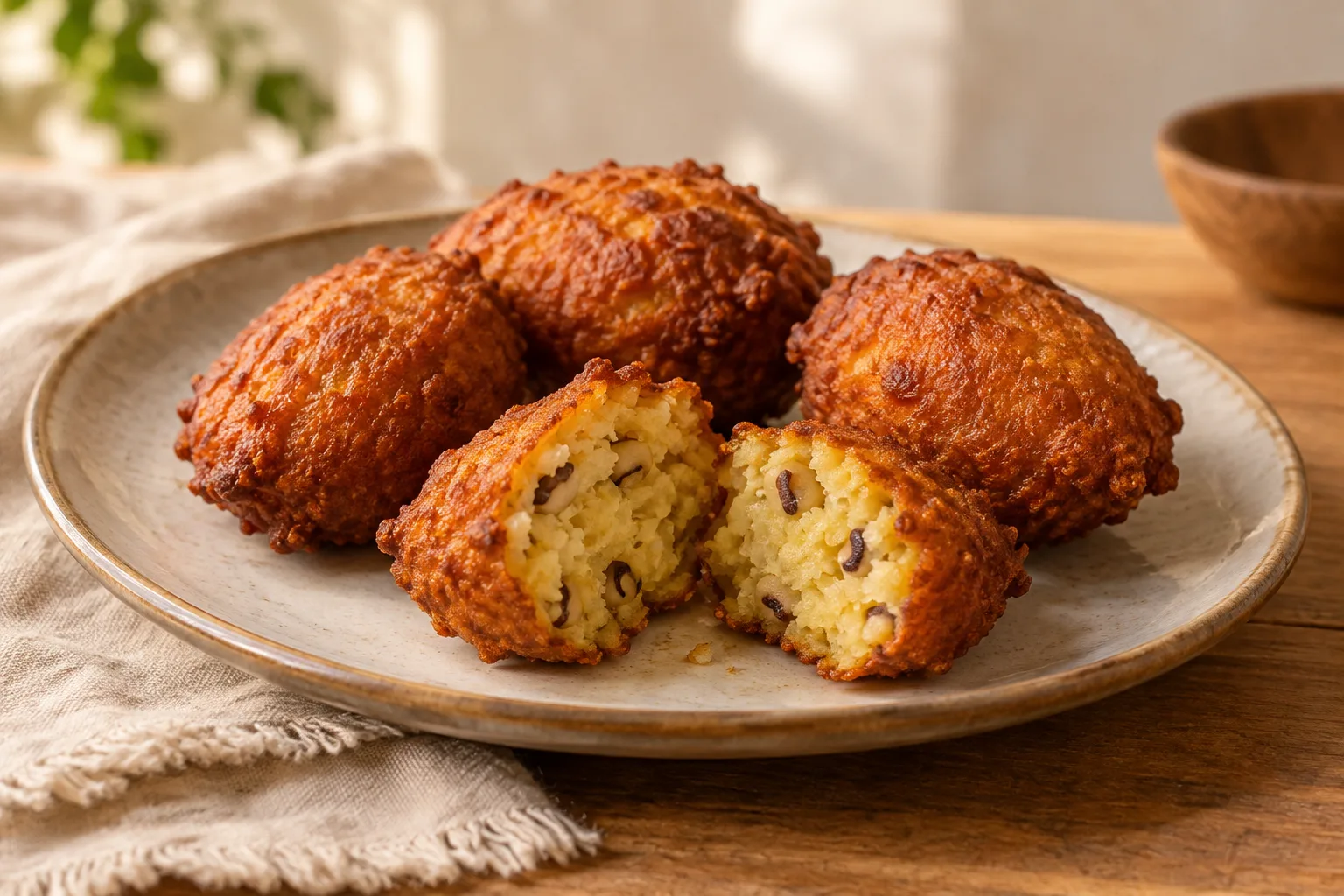
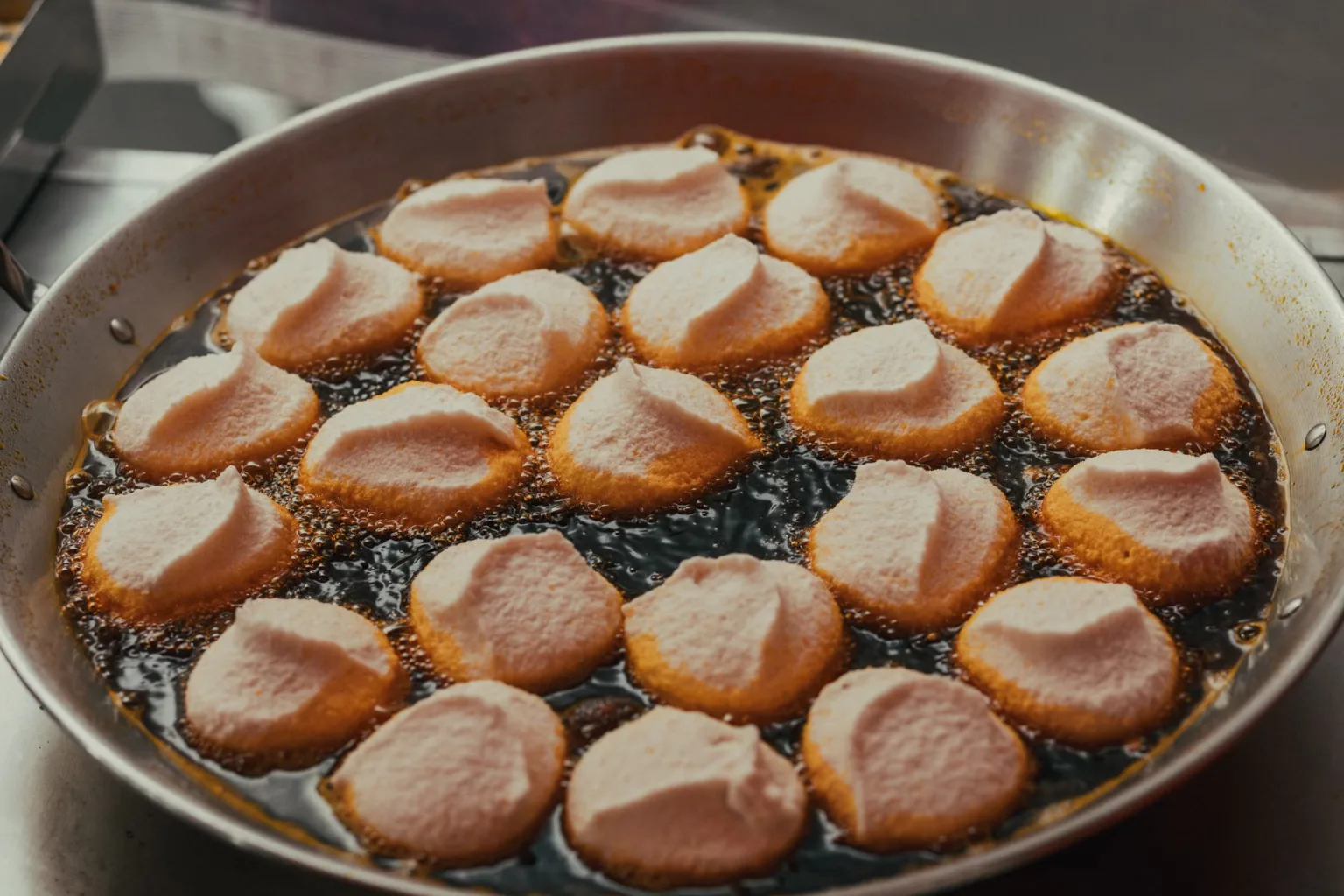
Dendê oil is a palm oil used in a range of Brazilian dishes. In cooking, it is known for its vivid orange color and pronounced aroma and flavor, which can be noticeable in the finished dish. It is a characteristic oil for frying acarajé and is also used in preparations such as moqueca, vatapá and farofa. It is not neutral: the oil contributes its own distinctive character, so consider how prominent you want that flavor to be before adding it. It is sold in bottles; check the product label to confirm the contents and the recommended storage instructions.
When to use it
Use dendê when you want the cooking fat to contribute more than richness: its color and flavor can be an important part of the finished dish. It is a characteristic choice for frying acarajé and is also used in dishes such as moqueca, vatapá and farofa. Because its profile is pronounced, it can overwhelm a delicate preparation or change a recipe that normally relies on a neutral oil. If you want to fry without adding a distinct flavor, choose a milder fat instead. For a specific dish, follow its recipe directions and the product label.
How to use it
Before cooking, measure the amount called for and remember that dendê contributes its own color and flavor. For acarajé, it is used as the frying oil: heat it in a pan or pot and fry portions of the mixture according to the recipe. Handle hot oil carefully and take steps to prevent splashing. Dendê can also be incorporated into dishes such as moqueca or vatapá, or used in farofa; for that preparation, warm the fat with aromatics, then toast cassava flour while stirring. If you replace another oil with dendê, expect a noticeable change in flavor and color. Do not assume used oil is suitable for reuse; assess it and follow the product directions.
Flavour and texture
Dendê has a vivid orange color and a pronounced aroma and flavor, often described on commercial products as intense. Unlike a neutral oil, it can become a central flavor in a dish and tint the ingredients cooked with it. As a liquid fat, it blends into preparations and can be used both for frying and for adding flavor to a recipe. The perceived intensity may vary between products; taste the dish and adjust the amount to suit the profile you want.
How to choose it
Look for a product labeled dendê oil or dendê palm oil, and check its ingredient list and manufacturer’s directions. Make sure the container is intact and that the product is sold for food use. If you are buying it for a particular recipe, consider whether its pronounced profile suits the result you want; it is not an invisible replacement for a neutral oil. Color, aroma and packaging can vary between products, so use the label to verify the contents and recommended use.
Storage
Store the oil according to the directions printed on its container, since the available information does not establish one shelf life or storage condition for every dendê product. Close the bottle securely after pouring to reduce spills and contamination. Do not use the contents if the container is damaged or the oil has an unusual appearance or smell; if in doubt, contact the manufacturer or discard it. No general after-opening storage period can be specified here.
Substitutions
A milder-tasting sunflower oil can be used for frying when you do not want the fat to stand out; the dish will lose dendê’s characteristic color and flavor. Olive oil can also work in compatible recipes, but it brings a different profile. These choices are not flavor equivalents: if the identity of a dish depends on dendê, changing the oil will change the result. Choose an alternative according to the cooking function and flavor you want.
Common mistakes
A common mistake is treating dendê as a neutral oil: its color and flavor can substantially change a recipe. Another is swapping it for a different oil without considering that the dish will no longer have the same profile. When frying, follow the recipe and take care to avoid splashes when adding food. Do not assume there is one universal frying time or temperature; consult the recipe and product directions.
Safety and allergens
Hot oil can splash and cause burns, so handle it carefully and keep water and wet foods away from the hot pan. Follow the container’s safety and storage directions, and do not use a damaged container. No specific official warning for dendê oil, or evidence supporting one universal frying time or temperature, is available here.
Culinary uses
- Frying ingredient for acarajé and other savory preparations
- Flavoring and coloring fat for dishes such as moqueca, vatapá and farofa
Recommended techniques
- Frying
- Warming with aromatics and toasting cassava flour
Pairs well with
- Acarajé
- Moqueca and vatapá
- Farofa made with cassava flour
Frequently asked questions
What is dendê oil used for?
It is used to fry acarajé and to add color and flavor to dishes such as moqueca, vatapá and farofa.
Does dendê oil have a neutral flavor?
No. Its aroma, flavor and color are pronounced, so it can noticeably influence a dish.
Can I replace dendê oil with another oil?
You can use a milder oil for frying or olive oil in a compatible recipe, but the flavor and color will change.
Ingredient allergens
Allergen listThere are no verified associations for these ingredients yet.
Sources and review
Automatically researched, cross-checked and validated content. Sources consulted:
- Aceite de girasol alto oleico: una opción ideal para freír pero difícil de identificar en el supermercado doi.org/10.64628/aao.gsstyyfsx
- - YouTube www.youtube.com/watch?v=NGs4QSgoK1I
- Arrifana Azeite de Dendê 1L – Aceite de Palma Dendê para Cocina Brasileña – Ideal para Moqueca, Vatapá y Platos Africanos – Aceite de Cocina con Sabor Intenso : Amazon.es: Alimentación y bebidas www.amazon.es/Arrifana-Azeite-Dend%C3%AA-Brasile%C3%B1a-Africanos/dp/B094372FKQ
- ¿Es realmente malo para la salud el aceite de palma ? - Nutrimedia : Evaluación científica de mensajes sobre nutrición (UPF) www.upf.edu/web/nutrimedia/-/-el-aceite-de-palma-es-perjudicial-para-la-salud-
- pressure rucore.libraries.rutgers.edu/rutgers-lib/44747/TXT/3/
- Cómo hacer acarajé, el bocado frito más típico de Bahía www.directoalpaladar.com/recetas-de-aperitivos/como-hacer-acaraje-bocado-frito-tipico-bahia
- La bodega people.duke.edu/~garci/cibertextos/BLASCO-IBANEZ-V/La-bodega/La-bodega.html.bak
- APROPIACIÓN CULTURAL E CONTRADISCURSO ... diposit.ub.edu/bitstreams/57072bde-0ff1-4fea-bc1f-fd27f9c2e204/download
- - YouTube www.youtube.com/watch?v=lwEiMJV_8l8
- Pará - Wikipedia, la enciclopedia libre es.wikipedia.org/wiki/Par%C3%A1
- El arte del maridaje: Aceite de oliva virgen extra sin filtrar y comidas miolivagourmet.com/es-es/blogs/mi-oliva-gourmet/maridaje-aceite-oliva-virgen-extra-sin-filtr…
- Aceite de oliva: freír, confitar, marinar – Aceites Abril tienda.aceitesabril.com/blogs/aceites-abril/aceite-oliva-tecnicas-cocina?srsltid=AYCX9vK0nad…
- ACEITE DE DENDE – Puntocuc Market www.puntocucmarket.com.ar/blogs/tipsgourmet/aceite-de-dende?srsltid=AYCX9vI3NHv2Et1-yFOGxrOX…
- Farofa de Dendé - Receta Tradicional Brasileña | 196 flavors www.196flavors.com/es/farofa-de-dende/?srsltid=AYCX9vI4QouPCDAE_61rbyiWlAr2uspmWxkA_75MBD8Vk…