- Category
- Meat
- State
- Fresh
- Usual unit
- g
What it is
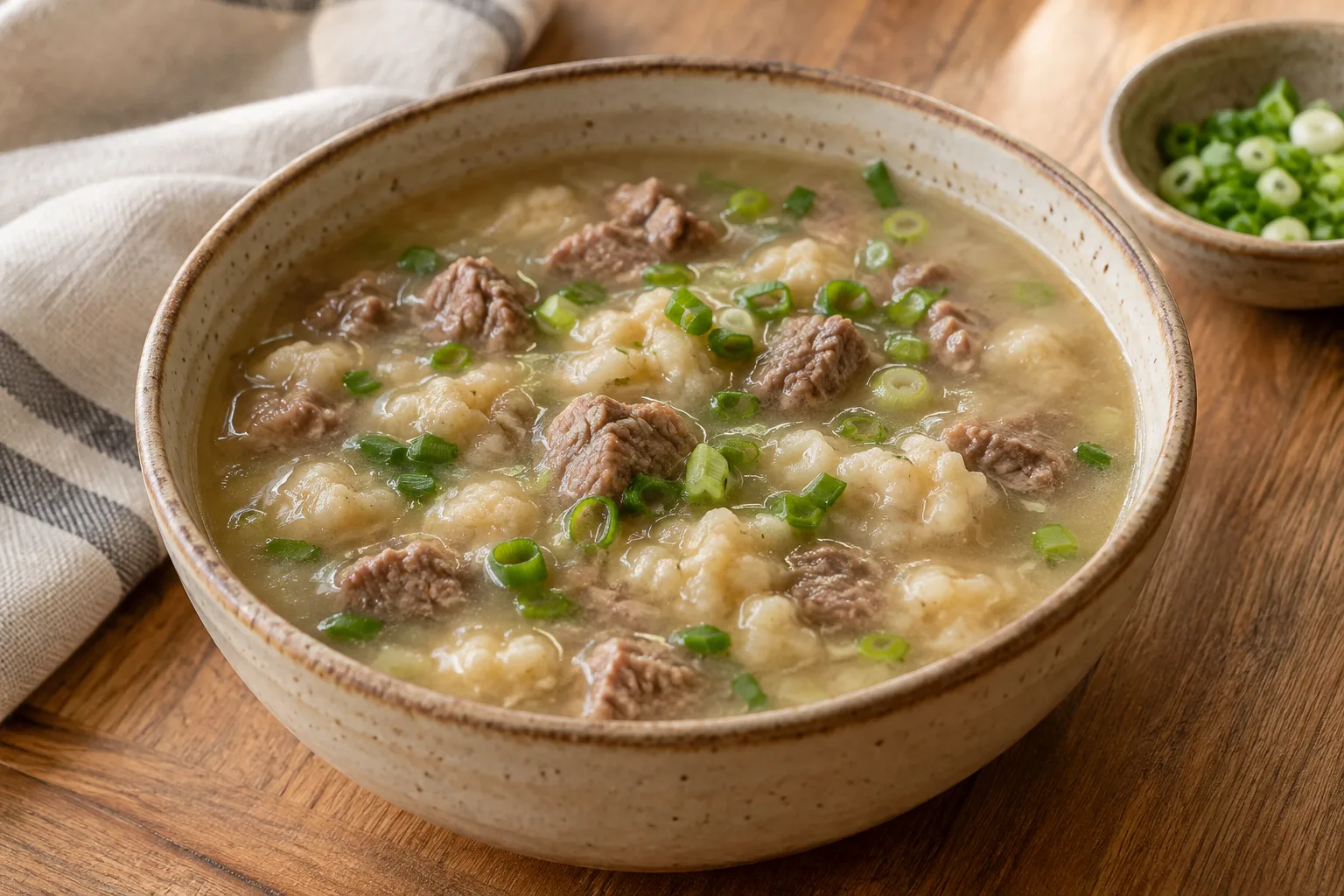
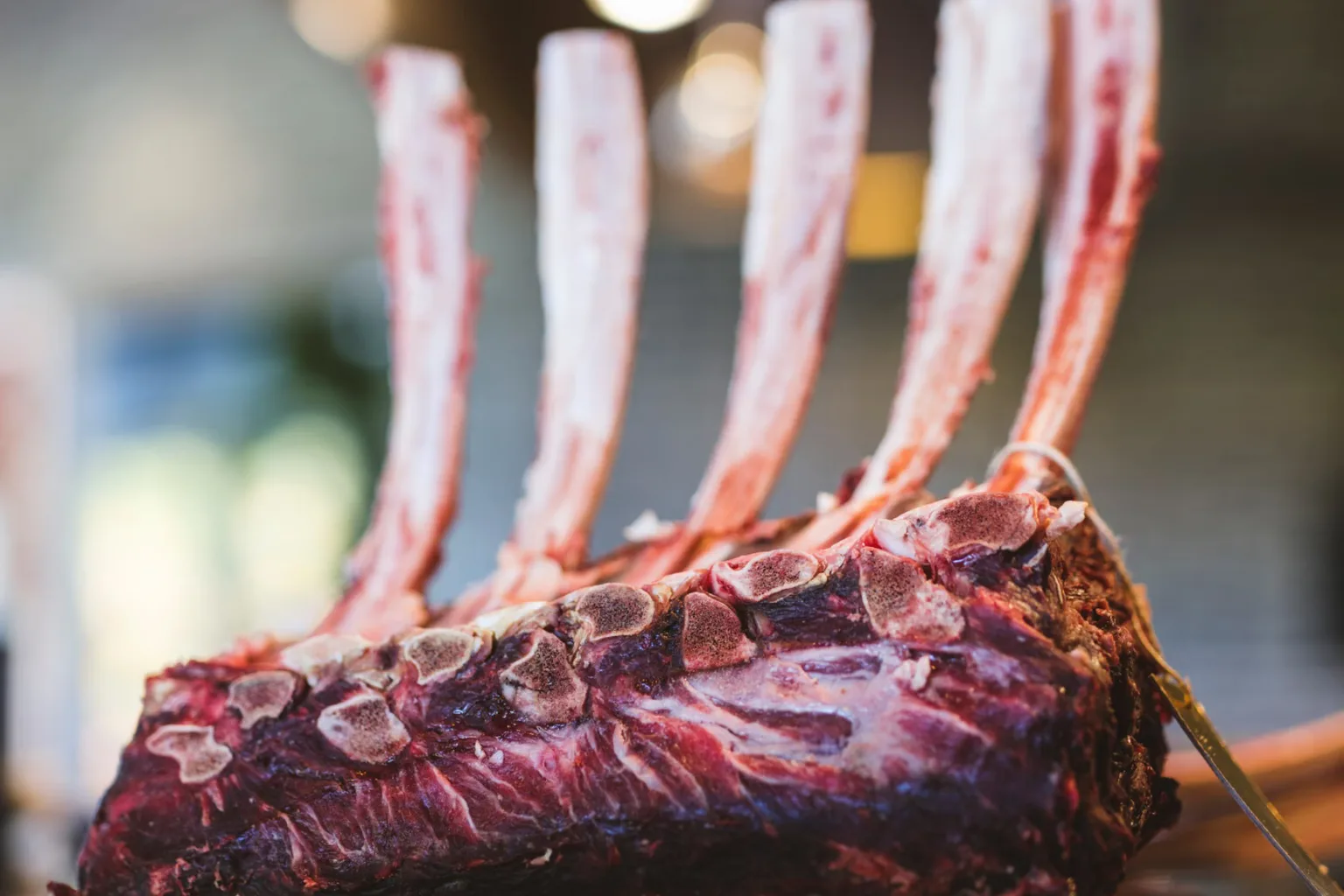
This is fresh lamb or beef cut into small pieces for use in a recipe. The name alone does not identify the animal part or specify a uniform cube size, so those details can vary. Lamb and beef also differ in flavor: lamb is often more pronounced, while beef may be milder. Diced meat is commonly suited to stews and braises, and it may also be roasted or grilled when the cut and piece size suit that method. Check the label to confirm which meat you are buying and whether a cut is named. Follow the package directions for storage and preparation, since the general description does not establish a particular cut, cooking time, or method.
When to use it
Choose diced meat when you want bite-sized pieces in a stew or braise, or when cooking meat together with vegetables and other ingredients in one pot. It may also suit a roast or grilled dish when the cut and dimensions are appropriate. Lamb works well when you want a more pronounced flavor; beef is an option if you prefer a milder profile. Because the package may not identify the cut, match the cooking method to the label and recipe rather than assuming every cube cooks alike. Swapping lamb and beef can work in a dish that allows either, but it will change the flavor.
How to use it
Keep raw meat and its juices separate from ready-to-eat foods. Wash your hands, and clean boards, plates, utensils, and work surfaces that have touched raw meat before using them with other ingredients. For a stew or braise, add the meat to the recipe and cook it thoroughly; cube size and cut affect the result, so do not rely on a generic cooking time. For roasting or grilling, check that the method suits the specific cut and size of the pieces. Use a clean food thermometer to check doneness and follow official guidance that applies to the particular form of meat. Transfer cooked meat to a clean serving plate, not the plate that held it raw.
Flavour and texture
Flavor depends on the animal and cut: lamb is often more pronounced, while beef may be milder. Texture also varies with the cut and cooking method; cube size alone does not guarantee tenderness. Stews and braises let the pieces cook with vegetables and sauces, while roasting or grilling is suitable only when the cut and piece size fit. Do not assume all diced meat behaves the same way.
How to choose it
Read the label to distinguish lamb from beef and check for cut information if it is provided. “Diced” does not define a standard cube size or identify a specific part of the animal. Choose an intact package and keep raw meat separate from ready-to-eat foods during shopping and transport. The available evidence does not establish product-specific visual quality criteria, so do not treat color or appearance alone as proof of freshness or safety.
Storage
Refrigerate the meat promptly and keep it separate from ready-to-eat foods to reduce cross-contamination risk. The available food-safety guidance says to keep the refrigerator at 40°F (4.4°C) or below and the freezer at 0°F (about −17.8°C) or below. Also follow the package’s storage instructions and dates. No validated storage duration specific to these diced pieces is provided here, so do not infer one from appearance, smell, or taste.
Substitutions
Lamb and beef can replace one another in a recipe that allows either, but the dish will taste different. Lamb is often more pronounced, while beef may be milder. Do not assume the cuts, piece sizes, or cooking behavior are identical; check the label and adapt the method to the recipe.
Common mistakes
Do not confuse diced meat with ground meat: cooking guidance can depend on the form of the meat. Do not assume every cube comes from the same cut or has the same size. Avoid reusing plates, boards, or utensils that touched raw meat without washing them, and never serve cooked meat on the plate that held it raw.
Safety and allergens
Keep raw meat and its juices away from ready-to-eat foods. Wash hands and clean utensils and surfaces after contact. Refrigerate promptly and use a clean thermometer to check doneness. Reference temperatures vary with the form of the meat; consult official guidance for the specific cut or preparation.
Culinary uses
- Ingrediente principal de guisos y estofados
- Carne para asar o cocinar a la parrilla
Recommended techniques
- Guisar o estofar
- Asar al horno o cocinar a la parrilla
Pairs well with
- Patatas y otras verduras
- Salsas y hierbas
Frequently asked questions
Can I swap beef for lamb?
Yes, if the recipe works with either meat. Beef may give a milder flavor, while lamb is often more pronounced.
Is diced meat the same as ground meat?
No. Diced meat consists of cut pieces; ground meat has a different form and should not be treated as equivalent.
How can I prevent cross-contamination?
Keep raw meat and its juices separate from ready-to-eat foods. Wash hands, boards, plates, and utensils after handling it.
Ingredient allergens
Allergen listThere are no verified associations for these ingredients yet.
Sources and review
Automatically researched, cross-checked and validated content. Sources consulted:
- Cuatro Pasos Simples Para la Seguridad en los Alimentos | Home & Garden Information Center hgic.clemson.edu/factsheet/cuatro-pasos-simples-para-la-seguridad-en-los-alimentos/
- Nutrition After Your Transplant - Health Online healthonline.washington.edu/sites/default/files/record_pdfs/Nutrition-After-Your-Transplant-…
- Comprobando su navegador doi.org/10.31428/10317/10619
- Carne - Wikipedia, la enciclopedia libre es.wikipedia.org/wiki/Carne
- Family Food Cent$ newsletter - enero 2021 - SDSU Extension extension.sdstate.edu/sites/default/files/2021-01/MC-01080-S.pdf
- El cordero, base de nuestra cultura, gastronomía y economía | Cultura www.restaurantecain.es/cultura/cordero-gastronomia
- El cordero, un auténtico placer gastronómico - La Mesa Habla lamesahabla.com/cordero-placer-gastronomico/
- Comité Científico aesan.gob.es/dam/jcr:a7c4e553-46f5-4def-9ede-b6d1e19b3948/comite_cientifico_42.pdf
- ¿Se puede comer con seguridad? Use un termómetro de alimentos para estar SEGURO. (Is it safe to eat? Use a food thermometer to be SURE.) | VCE Publications | Virginia Tech pubs.ext.vt.edu/FST/FST-28/FST-28NP-C/FST-28NP-C.html
- ¿Qué Puedo Congelar? - Illinois Extension extension.illinois.edu/sites/default/files/what_can_i_freeze_spa.pdf
- Inocuidad Alimentaria para - K-State Extension extension.k-state.edu/foodsafety/topics/doc/4-Cooking-temperature-Spanishboomers.pdf
- La Inocuidad Alimentaria durante el Embarazo bookstore.ksre.ksu.edu/download/la-inocuidad-alimentaria-durante-el-embarazo-spanish-food-sa…
- Grill Safety Infographic sullivan.tennessee.edu/wp-content/uploads/sites/196/2020/10/Recipes-Grill-safety_infographic…
- Un plato tradicional de Croacia: CORDERO Y TERNERA BAJO CAMPANA DE HIERRO | Mi Europa SABE a Mediterráneo mieuropasabeamediterraneo.com/cordero-y-ternera-bajo-campana-de-hierro/