- Category
- Pulses
- State
- Dry
- Usual unit
- cup
What it is
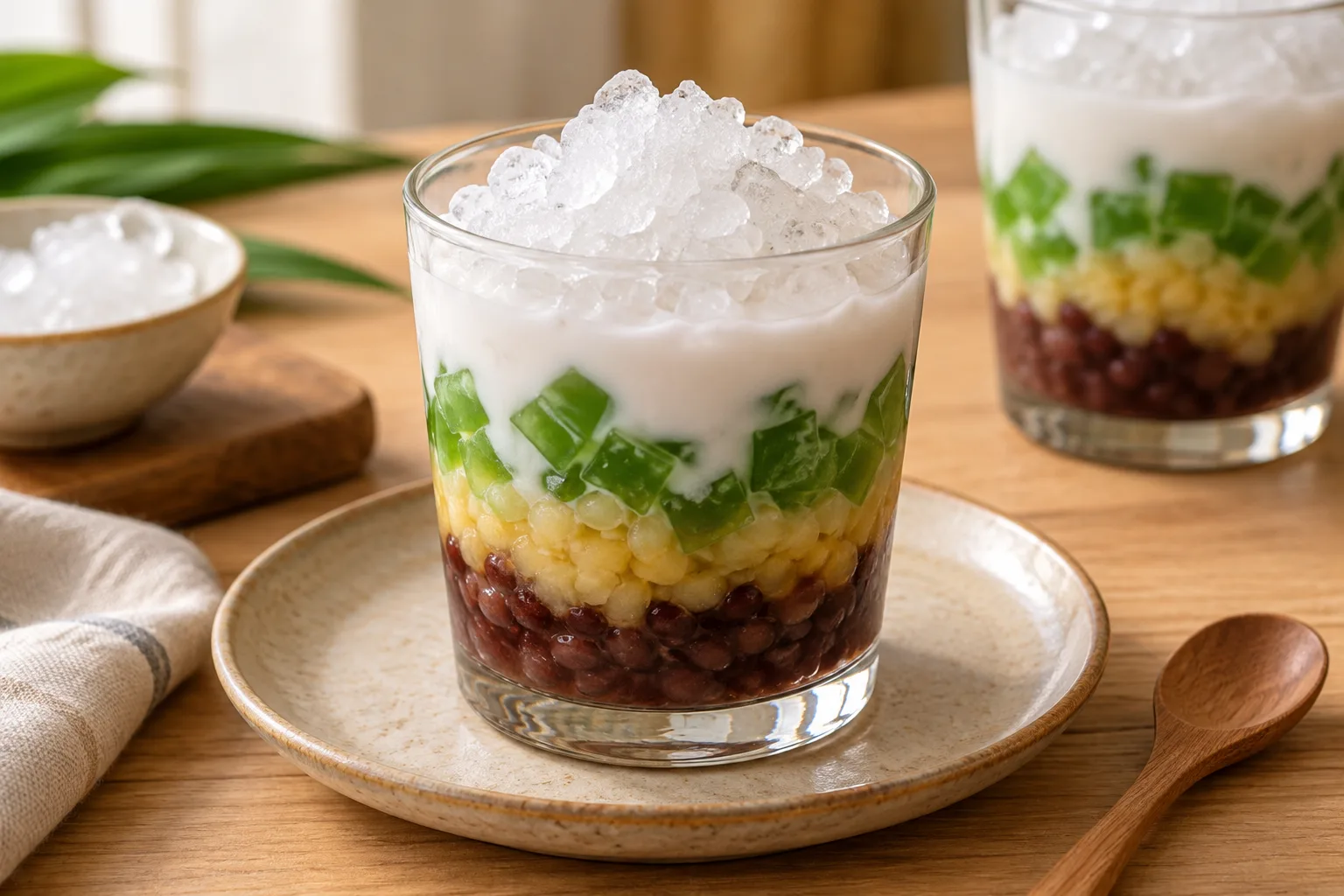
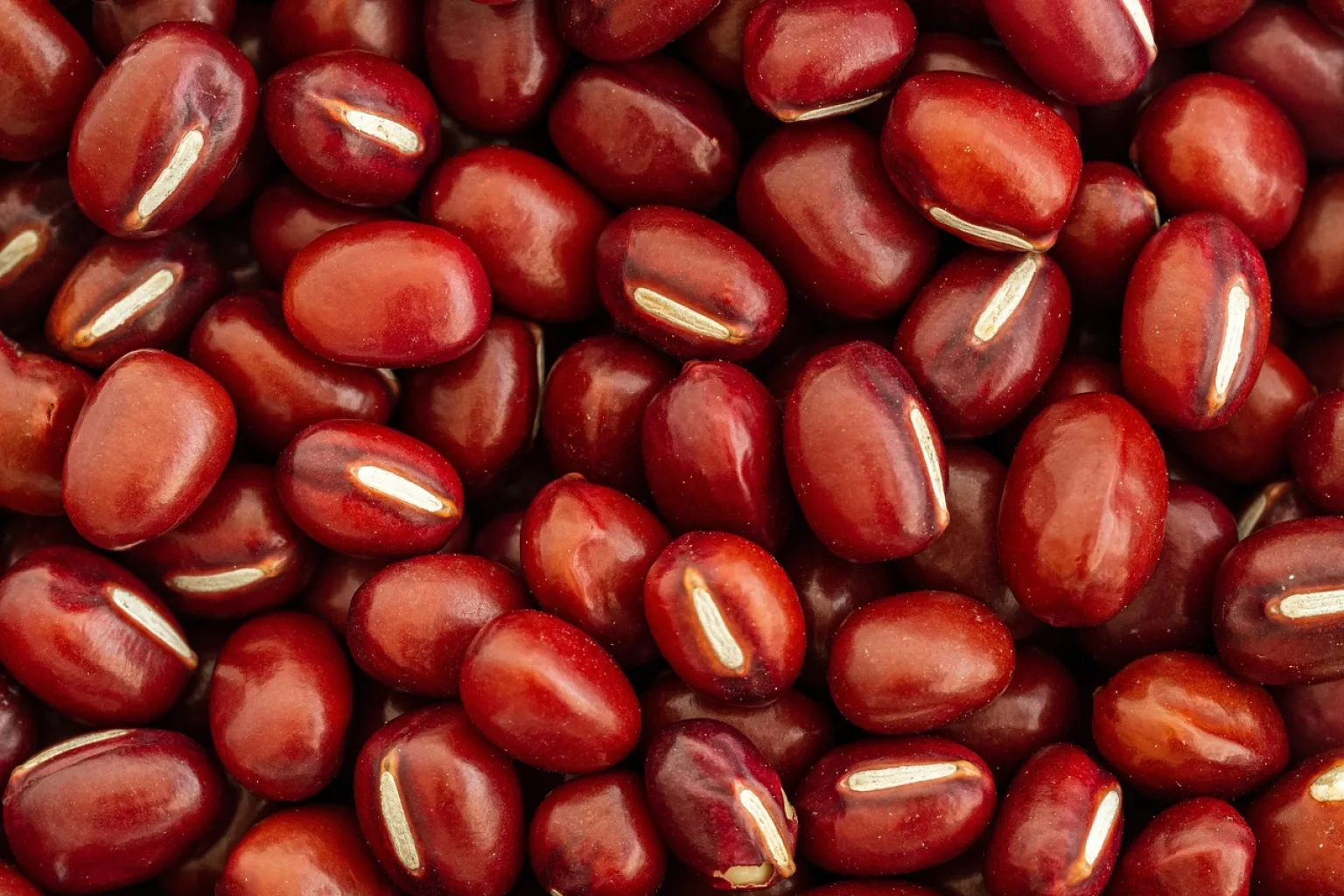
Adzuki beans, also spelled azuki or aduki, are the dried seeds of a legume identified as Vigna angularis. They are used in several cuisines, including Japanese cooking, and are also found in desserts. In their dried form, they need to be rehydrated and cooked before eating. Their size, color, and condition can vary from one product to another, so check the package and follow its directions. Dried adzuki beans are not the same as prepared sweet adzuki paste: the paste is already cooked and sweetened, while dried beans still need preparation.
When to use it
Use adzuki beans when you want a legume that can work in either a savory meal or a sweet preparation. Cooked beans can accompany rice or be added to stews and other legume dishes; they can also be cooked further and made into a sweet preparation. Choose dried beans when you want to control their cooking and texture from the start. They are not an instant option: they require time to hydrate and cook, and the final texture depends on cooking them until tender. If speed matters, a suitable cooked or canned bean may be more convenient, though its texture will differ.
How to use it
Spread out the dried beans and remove stones, debris, or damaged seeds, then rinse them. You may soak them to hydrate them before cooking, although soaking is not essential for every dried bean. If you soak them, drain and cook them in fresh water. You can also start cooking without soaking, allowing for a potentially longer cooking period. Simmer gently until tender and check by tasting; do not assume that a fixed time guarantees doneness. Once tender, use them in a savory dish or continue with a dessert preparation. Follow the package directions if they specify a particular preparation method.
Flavour and texture
The finished flavor and texture depend on the product and how it is cooked. Once tender, adzuki beans can form a soft base for either savory or sweet preparations. Undercooked beans remain firm in the center, while continued cooking softens them. For a dessert, the cooked beans can be mashed or made into a paste; for a savory dish, you can leave them whole if they are tender enough to eat comfortably.
How to choose it
Choose a package clearly labeled as dried adzuki beans, with intact packaging and no visible signs of moisture. Where possible, look for mostly whole, fairly uniform seeds and avoid packages showing insect activity, dampness, or many broken beans. Check the date and any preparation instructions on the label. Beans from different lots may cook differently, so taste them as they cook rather than relying on one exact timing.
Storage
Keep dried beans in a clean, dry, tightly closed container in a cool place away from moisture. Do not leave an opened package exposed to steam, water, or damp foods. If you transfer the beans to another container, retain the product name and any useful package information. Treat cooked beans as prepared food: cover and refrigerate leftovers promptly rather than leaving them at room temperature for extended periods.
Substitutions
For a savory dish, another mild bean cooked until tender can stand in for adzuki, but the flavor and texture will change. A substitution in a sweet preparation may affect the result more, so choose a bean with a suitable texture and adjust the sweetening to taste. Canned beans may work in some recipes, but they are already cooked and are often softer than beans cooked from dry.
Common mistakes
Do not mistake dried adzuki beans for sweet adzuki paste: dried beans are not ready to eat and must be cooked. Do not skip checking and rinsing them, or assume every batch cooks at the same rate. Soaking can hydrate dried beans, but it does not replace cooking. Check that the center is tender before using them, and consider how a substitute will change the finished dish.
Safety and allergens
Rinse the beans and remove any debris or damaged seeds before cooking. Do not eat dried beans raw or beans that remain hard after cooking; cook them until tender. Keep cooked leftovers covered and refrigerated, and discard food with an unusual appearance or smell.
Culinary uses
- base for savory bean dishes
- ingredient for sweet bean preparations
Recommended techniques
- sort and rinse
- soak before cooking if desired
- simmer until tender
Pairs well with
- rice
- ginger
- garlic
- sweeteners
Frequently asked questions
Do dried adzuki beans need soaking?
Soaking can help hydrate dried beans, but it is not essential for every bean. Unsoaked beans may take longer to cook.
Are dried adzuki beans the same as adzuki paste?
No. Dried adzuki beans are uncooked legumes; sweet adzuki paste is a cooked and sweetened preparation.
Can adzuki beans be used in sweet and savory dishes?
Yes. They are used in savory dishes and sweet preparations. Cook dried beans until tender before using them.
Ingredient allergens
Allergen listThere are no verified associations for these ingredients yet.
Sources and review
Automatically researched, cross-checked and validated content. Sources consulted:
- ¿Por qué la muerte es origen de miedos y tabúes? doi.org/10.64628/aao.fccyk3qj3
- Client Challenge doi.org/10.2307/jj.27939689.16
- Storing White Rice | USU extension.usu.edu/preserve-the-harvest/research/storing-white-rice
- Desarrollo de un pan de masa madre rico en GABA y péptidos ... diposit.ub.edu/bitstreams/c65d2e73-d41c-4715-b8e0-cc85adfa9c24/download
- Sevin RTU Gallon Label v14 picol.cahnrs.wsu.edu/DownloadLabel/67239/WA
- USDA National Nutrient Database for Standard ... courses.washington.edu/bonephys/calist.pdf
- Un planeta hambriento en el futuro. ¿Habrá suficientes alimentos para todos? | OpenAlex openalex.org/W4323795551
- - YouTube www.youtube.com/watch?v=WMtNIJsUoAM
- 3 formas de cocinar frijoles adzuki - wikiHow es.wikihow.com/cocinar-frijoles-adzuki
- Cómo cocer frijoles secos: remojo, tiempos y métodos | Fond fond.kitchen/es/guides/how-to-cook-dried-beans/