- Category
- Fish and seafood
- State
- Dry
- Usual unit
- g
What it is
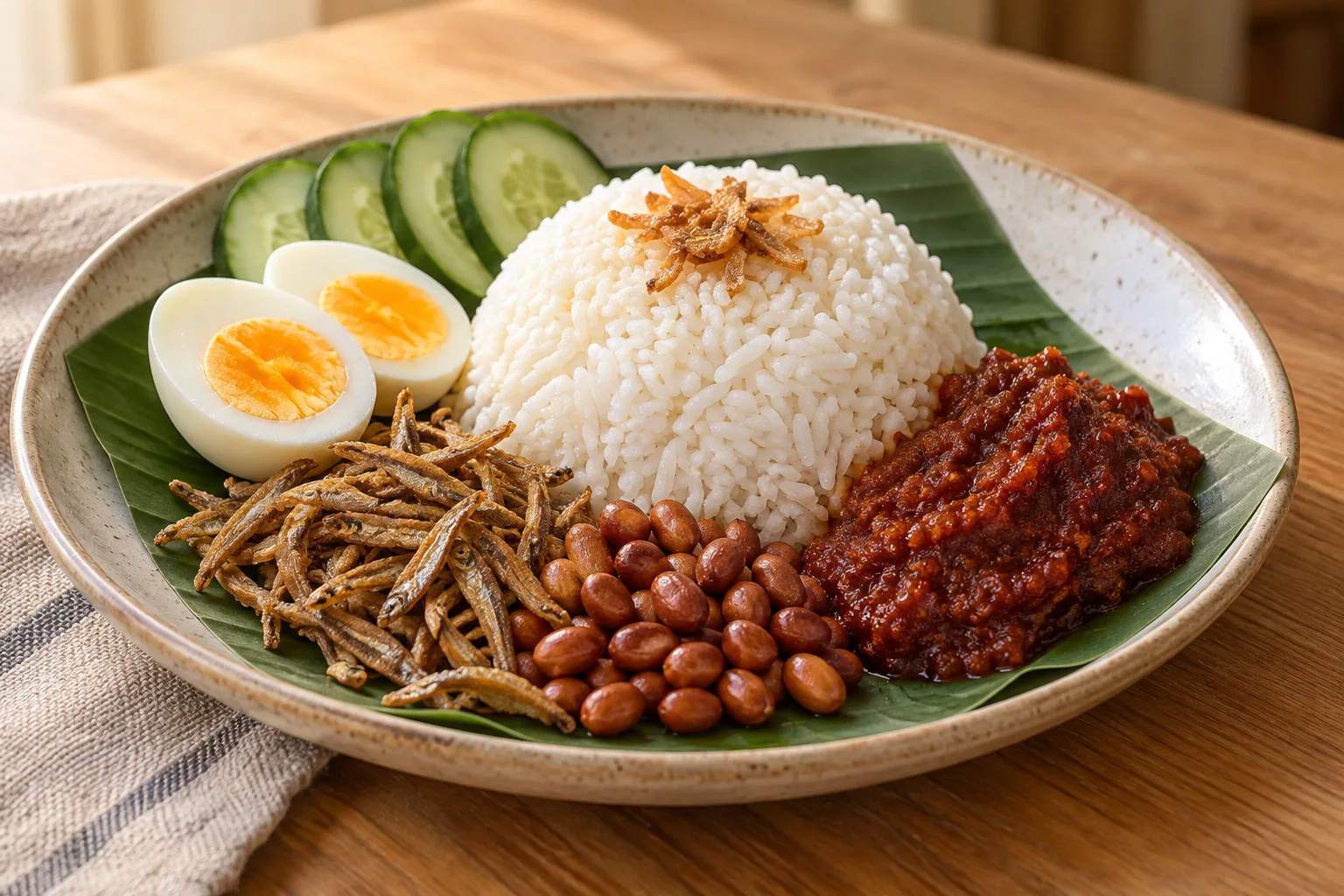
Dried anchovies are a fish product sold in a dry or salted form for serving or cooking. The available information describes salt-cured anchovies, a process in which salt draws out moisture and concentrates flavor; it does not establish that every product called dried is made in exactly the same way. Check the product name and package directions before preparing them. Salt level, texture, and whether rinsing is appropriate can vary. Their strong flavor means that a small amount can add character to an appetizer or a recipe.
When to use it
Serve them as an appetizer when you want a pronounced marine flavor, or use a small amount to give a dish more depth. They can also be added sparingly to salads, toast, pizza, pasta, sauces, or dressings. Saltiness varies by product, so start with a little, taste, and adjust the dish before adding salt. If the package gives specific preparation instructions, follow them rather than assuming all dried anchovies are used in the same way.
How to use it
Read the label before serving to check whether the product is ready to eat or needs preparation. If it is intended for direct serving, offer it on its own or on crisp bread, with tomato, olive oil, or leafy greens as possible accompaniments. For cooking, crumble or chop a small amount and add it to salads, pasta, pizza, sauces, or dressings. If it tastes very salty, rinse or soak it only if the product directions allow this, then drain it well. Taste the dish before adding more salt.
Flavour and texture
The flavor is marine, salty, and savory, with a pronounced umami-like quality. The texture may be drier or firmer than that of anchovies preserved in oil, but it depends on the format and how the product was made. Do not assume every piece has the same moisture level or saltiness. If the flavor dominates the dish, use less or serve the anchovies with simple foods such as bread or tomato so other flavors still come through.
How to choose it
Choose a clearly identified product with readable directions for use and storage. Appearance alone cannot tell you how salty or firm it is, or whether rinsing is appropriate, so check the label before buying. Avoid packages that are damaged or have illegible information. If you want a tender texture for toast, compare this format with anchovies preserved in oil, which have a different presentation and moisture level.
Storage
Follow the storage directions on the package, since there is no single rule for every dried, salted, or packaged product. After opening, reseal the package if it is designed to close again, and use clean utensils to remove the anchovies. Refrigerate them after opening if the label instructs you to do so. Do not keep them longer than the package directions allow, and do not eat the product if the package is damaged or it shows unusual signs.
Substitutions
Salt-cured anchovies or anchovy fillets preserved in oil can be used instead, but their moisture, texture, and intensity will differ. Drain oil-packed fillets and adjust the amount gradually. If you have no other anchovies, omit them and adjust the dish’s salt separately; some of its characteristic marine savor will be missing. Before switching formats, check whether the package requires a particular preparation.
Common mistakes
A common mistake is adding a large amount without tasting first: anchovies can be very salty and intense. Do not assume every dried product is ready to serve or always needs soaking; check the label. Add them gradually and taste before salting the dish. Dried anchovies do not necessarily have the same moisture or texture as fillets preserved in oil.
Safety and allergens
Anchovies contain fish, an allergen to consider when serving them. Follow the package’s preparation and storage directions. If you are unsure about the product’s condition, do not eat it.
Culinary uses
- Serve as a strongly flavored appetizer or tapa
- Add in small amounts to season salads, pasta, pizza, sauces, and dressings
Recommended techniques
- Serve whole or in pieces, after checking whether the package indicates that preparation is needed
- Chop or crumble a small amount into a dish, then taste before adding more or seasoning with salt
Pairs well with
- Bread or toast
- Tomato, olive oil, and fresh greens
- Pasta with garlic and chili
Frequently asked questions
Can dried anchovies be served straight from the package?
It depends on the product. Check the label to see whether it is ready to serve or needs preparation; dried and salted products are not all used in the same way.
Do dried anchovies need to be soaked?
Not necessarily. If they are very salty, rinse or soak them only if the package allows it, then drain them well. Follow the product directions.
What goes well with dried anchovies?
Serve them with bread or toast, tomato, and olive oil, or add a small amount to salads, pasta, pizza, or sauces. Taste before adding salt to the dish.
Ingredient allergens
Allergen listThere are no verified associations for these ingredients yet.
Sources and review
Automatically researched, cross-checked and validated content. Sources consulted:
- Gastronomía mediterránea - Wikipedia, la enciclopedia libre es.wikipedia.org/wiki/Gastronom%C3%ADa_mediterr%C3%A1nea
- Client Challenge doi.org/10.2307/j.ctvndv9t9.22
- The Essential Glossary of Cooking Terms for the Culinary Arts - Escoffier www.escoffier.edu/blog/culinary-arts/the-essential-glossary-of-cooking-terms-for-the-culinar…
- Nutrition After Your Transplant - Health Online healthonline.washington.edu/sites/default/files/record_pdfs/Nutrition-After-Your-Transplant-…
- Las anchoas en la gastronomía friolisa.es/es/blog/las-anchoas-en-la-gastronomia.html
- Secretos de las Anchoas: Tesoros del Mar en un Bocado Inolvidable – Conservas Ana Maria conservasanamaria.com/secretos-de-las-anchoas/
- Anchoas en salazón: toda su historia, sabor y usos en la cocina conservasmontebuciero.com/anchoas-salazon
- Para la ciudadanía www.aesan.gob.es/para-la-ciudadania
- Guia_RGSEAA.pdf www.aesan.gob.es/dam/jcr:ebc1dca1-078f-400f-a649-6cc68ad1e1ef/Guia_RGSEAA.pdf
- Análisis y comparativa de vinos para maridar anchoas en salazón: ¿qué vinos realzan su sabor? oganyo.es/anchoas-en-salazon/
- New York: Culinary crucible casls.uoregon.edu/mosaic/food/SP_U5A11/SP_U5A11.html
- Anchoas Menu: Análisis de las Mejores Opciones, Ingredientes y Utensilios para Disfrutarlas en Casa www.google.com/goto?gsessionid=eV3YYsYWJdse2Kvd4e06P1GFtfAwWxCg4Dpgkl64OH_yDUu6v3kedw&url=CA…
- Que não é matemática? Para que não deveria servir? | Perspectivas da Educação Matemática doi.org/10.46312/pem.v18i51.21873
- ¿Cómo servir las anchoas de Santoña? – Conservas Ana Maria conservasanamaria.com/como-servir-anchoas-de-santona-con-maridajes/
- Anchoas en lata: análisis y comparativa de las mejores opciones del mercado www.google.com/goto?url=CAESZQHrOzAVjUI5GVDEtcvXGPUWbkvEdk95zeKXOqZJecLw_wx3_Mh82yI7PZ2YqSHA…
- Historia de la gastronomía en Cataluña - Wikipedia, la enciclopedia libre es.wikipedia.org/wiki/Historia_de_la_gastronom%C3%ADa_en_Catalu%C3%B1a
- Food allergen labelling and information requirements technical guidance - GOV.UK www.gov.uk/government/publications/food-allergen-labelling-and-information-requirements-tech…