- Category
- Fish and seafood
- State
- Dry
- Usual unit
- g
What it is
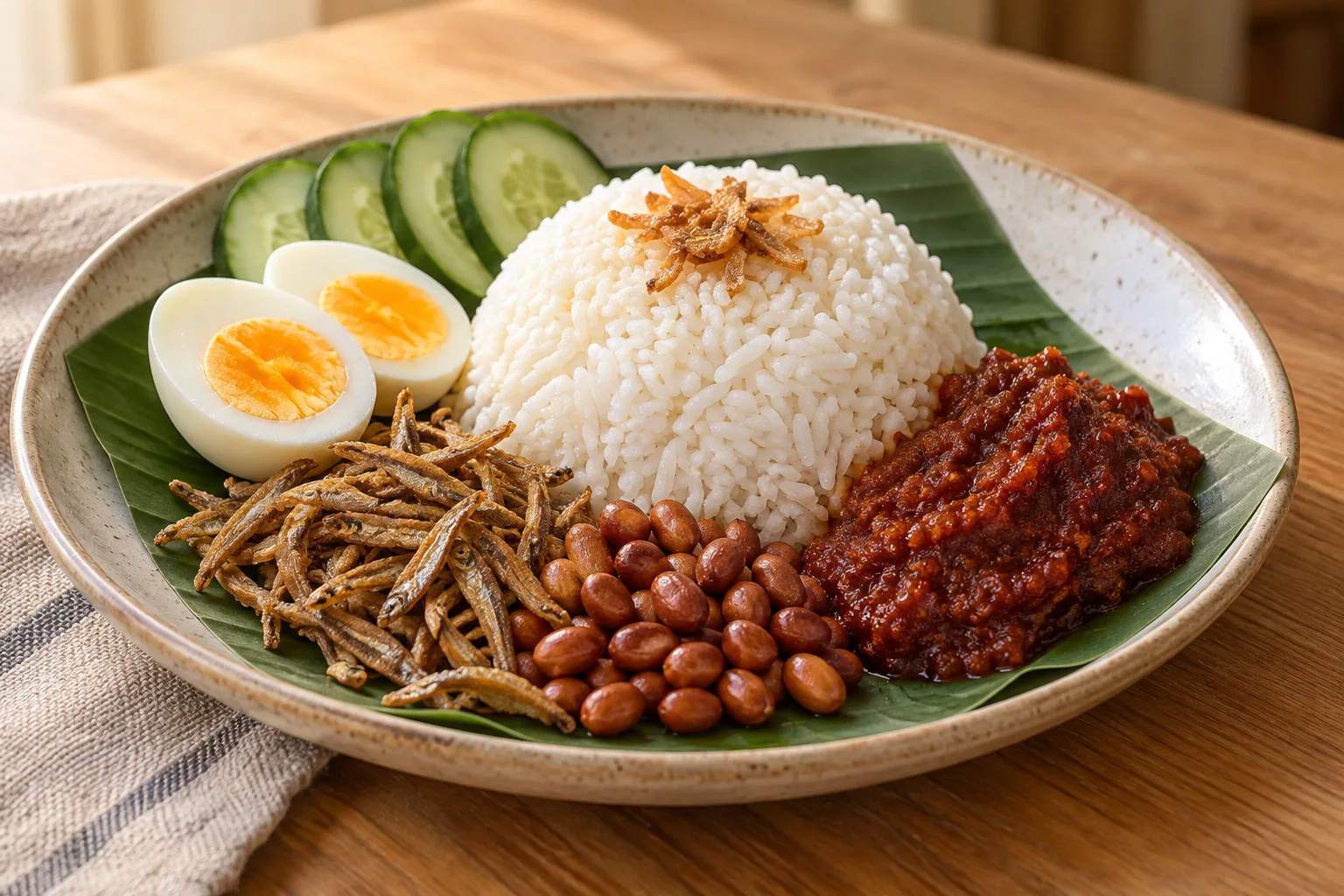
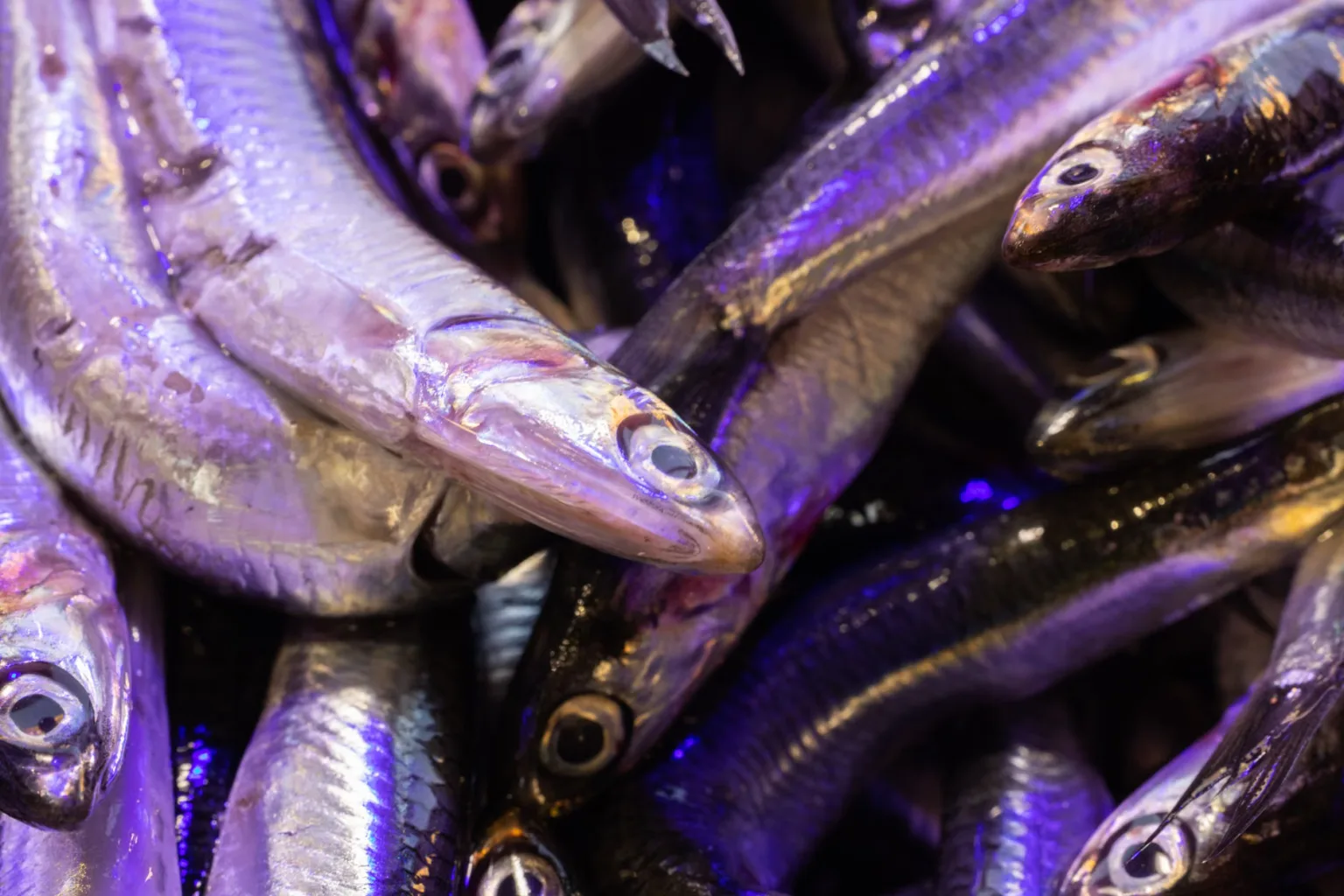
Anchovies are small fish in the family Engraulidae. This profile concerns dried anchovies intended for sambal, but not all anchovies are sold in that form: products are also salt-cured, held in brine, or packed in oil. Anchovies are commonly described as salty and umami-rich, and are used to add depth to sauces, dressings, pasta, pizza, and appetizers. The word “dried” matters: it does not establish that the product is salt-cured anchovy or that it can be prepared in the same way. Check the package to identify the product and follow its directions for appropriate use.
When to use it
Use them when you want a bold, savory, salty note in a sambal-style preparation, sauce, or dressing, provided the package confirms that they are dried anchovies and explains their intended use. They work best as a seasoning in modest amounts because their flavor can overwhelm delicate ingredients. Anchovies in general are also used with pasta, pizza, salads, and toast; choose an approach suited to the specific product. Do not automatically swap dried anchovies for salt-cured or oil-packed anchovies: these are different forms.
How to use it
First check the package to confirm that the product is dried anchovies and look for preparation directions. General information about anchovies supports mashing or chopping them into sauces and dressings, and gently warming them with oil to release flavor; apply those methods to this product only if its label says they are appropriate. If adding them to sambal, start with a small amount, mix, and taste before adjusting, bearing in mind that the flavor may be intense and salty. Anchovies are also used in sauces, salads, pasta, pizza, and toast. The word “dried” alone does not tell you whether to soak, clean, cook, or otherwise prepare them: follow the package directions rather than assuming a specific treatment.
Flavour and texture
Anchovies commonly bring a marine, salty, umami-rich taste that can deepen a dish without leaving large pieces noticeable when blended into a sauce. The exact texture of dried anchovies is not established here and may vary by product; do not assume it matches oil-packed or salt-cured fillets. Check the appearance and package directions before deciding how to use them.
How to choose it
Look for a package that clearly identifies the product as dried anchovies and provides ingredients, preparation directions, and storage instructions. Do not confuse dried anchovies with fillets in oil, anchovies in brine, or fish cured in salt: these are different forms. If the label does not explain how to prepare them, choose a product with directions adequate for your intended use. Do not infer saltiness or texture from the name alone.
Storage
Follow the package storage directions, since storage for a dried product may differ from that for an opened preserved product or salt-cured fish. Keep it in its packaging or the container specified. The available information does not establish a specific shelf life or after-opening conditions; consult the label and do not automatically apply directions for anchovies in oil.
Substitutions
Salt-cured anchovies can provide an intense fish flavor, but they are not identical to dried anchovies; check their preparation directions and adjust added salt cautiously. An anchovy-based fish sauce can replace some of the umami flavoring role in a sauce, but it will not provide the same texture and may not be used in the same amount. Follow the alternative product’s label.
Common mistakes
A key mistake is treating dried anchovies as interchangeable with salt-cured or oil-packed anchovies: the form changes the texture and may change the preparation required. Do not assume they must be soaked, fried, or eaten as they are without package directions. Adding a large amount at the start can also let their salty, umami flavor dominate; begin with a little and adjust.
Safety and allergens
Follow the package directions for preparation and storage. Do not infer a preparation or storage method from the word “dried” alone; directions may differ by product.
Culinary uses
- Savory, salty umami seasoning for sauces and dressings
- Fish ingredient or topping for pasta, pizza, salads and toast
Recommended techniques
- Mash or finely chop to disperse the flavor through a sauce or dressing
- Warm gently with oil and aromatics to release flavor only when the product label permits
Pairs well with
- Garlic and olive oil
- Tomato, pasta, crisp bread and salads
Frequently asked questions
Are dried anchovies the same as salt-cured anchovies?
Not necessarily. “Dried” and “salt-cured” describe different product forms; check the label and do not assume they need the same preparation.
Do I need to soak them before adding them to sambal?
That cannot be determined from the product name alone. Follow the package directions and soak them only if instructed.
What flavor do anchovies add to a sauce?
Anchovies commonly add marine, salty, umami-rich notes. Start with a small amount and adjust so they do not hide the other flavors.
Ingredient allergens
Allergen listThere are no verified associations for these ingredients yet.
Sources and review
Automatically researched, cross-checked and validated content. Sources consulted:
- Client Challenge doi.org/10.2307/j.ctvndv9t9.22
- Las anchoas en la gastronomía friolisa.es/es/blog/las-anchoas-en-la-gastronomia.html
- Anchoas del Cantábrico: una historia de sabor y tradición gastronómica - Casa Santoña casasantona.com/anchoas-del-cantabrico-historia-sabor-tradicion/
- Qué es Twitch y por qué es importante para el español doi.org/10.64628/aao.ff347t6cj
- Anchoa: Umami perfecto www.conservasortiz.com/de-la-o-a-la-z/anchoa-umami-perfecto/
- Anchoas en salazón: toda su historia, sabor y usos en la cocina www.google.com/goto?url=CAESbAHrOzAVs8pzNgzyetUIo3C7y5gO0gzzd9gzh-zE2CWcUbJRXeymdZGaexnU-mmT…
- Análisis y comparativa de vinos para maridar anchoas en salazón: ¿qué vinos realzan su sabor? oganyo.es/anchoas-en-salazon/
- Anchoas Menu: Análisis de las Mejores Opciones, Ingredientes y Utensilios para Disfrutarlas en Casa aliciascake.es/anchoas-menu/
- Anchoas salazon: maridajes y análisis comparativo de vinos para mariscos salados adegadatiacarmen.es/anchoas-salazon/
- Food allergen labelling and information requirements technical guidance - GOV.UK www.gov.uk/government/publications/food-allergen-labelling-and-information-requirements-tech…