- Category
- Fruit
- State
- Dry
- Usual unit
- piece
What it is
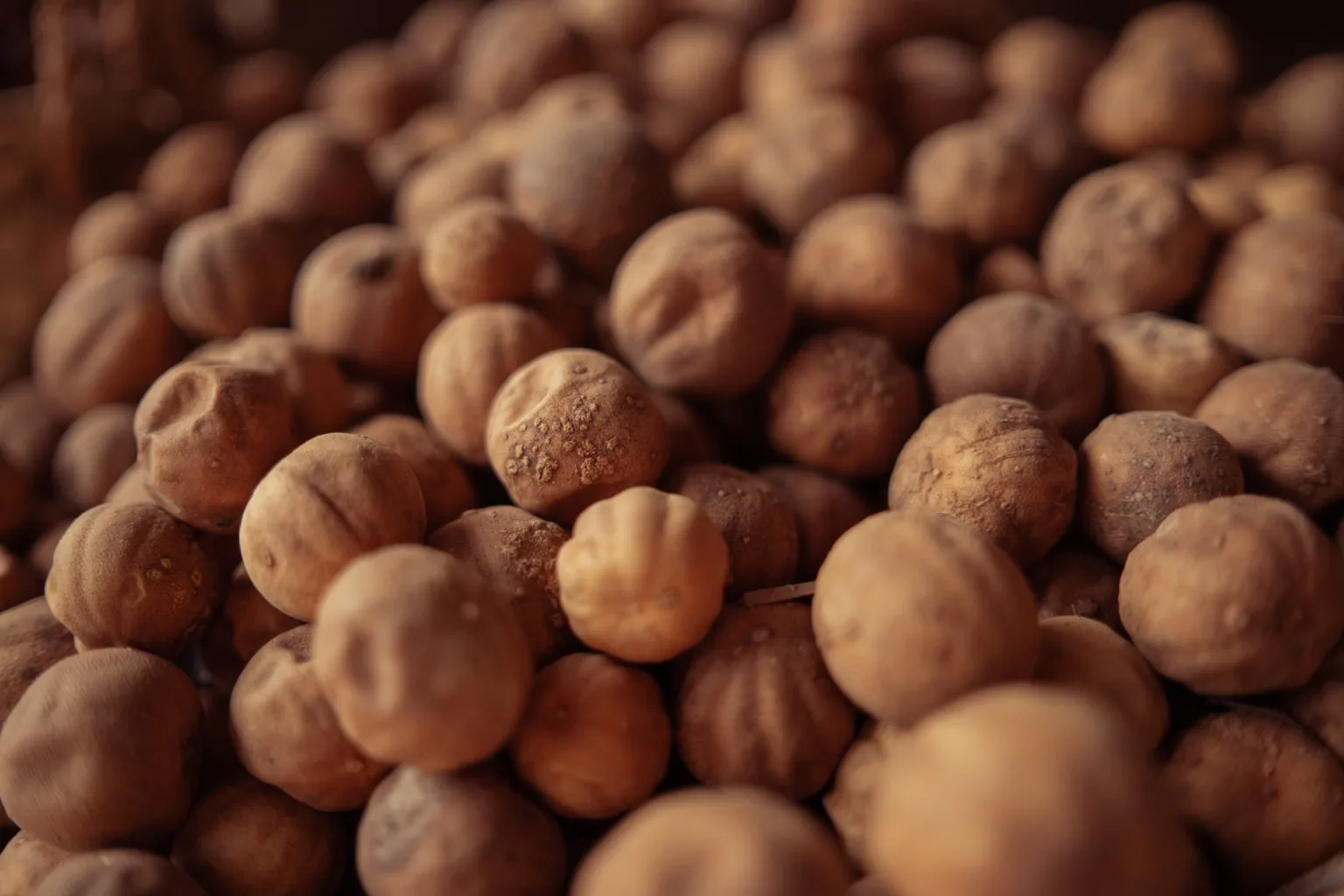
Dried black limes, also known as loomi or Omani limes, are citrus fruits dried until dark and very dry. They are used as a seasoning, particularly in Middle Eastern cooking. Despite the name, the ingredient is often described as a dried lime rather than a yellow lemon. Preparation is not identical across products: some traditional accounts describe boiling limes in salted water before drying, while other descriptions focus on drying alone. Appearance, saltiness and intensity can therefore vary. Dried black limes are sold whole and also grated, sliced or powdered. Drying concentrates their citrus character into a firm, aromatic ingredient with tart and bitter notes. They are not a direct replacement for fresh citrus in recipes where juice or moisture is essential. Check the package to see whether the product is whole, ground or otherwise processed, and whether salt is listed.
When to use it
Use dried black lime when you want a deeper, dry, aromatic citrus note rather than the straightforward sharpness of fresh lemon juice. It works well in soups, stews and braises that have time to take on its aroma as they simmer. It can also add a tangy accent to fish, meat, vegetables and legumes, or fragrance to infusions and other drinks. For a long-cooked dish, add the fruit whole, pierced or lightly cracked; for a more immediate, evenly distributed flavor, grate or grind a little. Strength and saltiness vary, so start with a small amount and taste before adding more. It is not the best substitute when a recipe depends on fresh juice for liquid or bright acidity.
How to use it
Before cooking, inspect the fruit and follow any preparation directions on its package. For soup or stew, add a whole dried lime, pierced or cracked, and let it infuse during cooking; remove it before serving if you do not want diners to encounter hard or bitter pieces. To distribute the flavor more evenly, crush or grate a small amount and taste before adding more. Powder and slices can also be incorporated into cooked dishes, marinades or drinks. For an infusion, let a piece flavor the liquid and adjust the amount to taste rather than assuming a universal measure. It pairs well in savory cooking with fish, lamb, vegetables, legumes and spices. If the package indicates that salt was used in processing, adjust the added salt in your dish. Do not substitute the same volume of fresh juice automatically: dried black lime offers concentrated aroma, not the same moisture.
Flavour and texture
Its aroma and flavor are citrusy, tart and fragrant, with a dry, distinctive bitterness. Drying makes the fruit hard and lightweight; it may be hollow or brittle, so it is generally infused whole or grated or ground before use. Bitterness, aromatic strength and any saltiness depend on the product and how it was made. Taste a little before adding more.
How to choose it
Choose a product that appears thoroughly dry, without visible moisture. A fresh, pronounced citrus aroma can be a useful sign that it retains its character. Check the package, date and form: whole, sliced or ground. Read the ingredient list to find out whether salt or other ingredients were used, since processing can vary and affect the taste of your dish.
Storage
Keep the product dry and protected from moisture, which can affect a dehydrated ingredient. Store it in its tightly closed original packaging or a clean, dry container, and follow the package’s storage directions. Check its aroma and appearance from time to time; its aroma can fade with age. Discard pieces with visible moisture, mold or an unusual odor.
Substitutions
For a similar direction, try dried lime or dried lemon and adjust to taste. Fresh lime or lemon zest can supply a citrus note, but it is wetter and less concentrated and does not reproduce loomi’s dry bitterness. Add it gradually. If a recipe needs liquid or juicy acidity, fresh juice may help, though it will not by itself mimic the aroma of the dried fruit.
Common mistakes
Adding too much at the start can let bitterness dominate. Do not assume every product has the same intensity or saltiness: taste and adjust the dish’s salt as needed. A whole dried fruit will not soften like fresh citrus, and its concentrated aroma is not interchangeable with an equal volume of juice.
Safety and allergens
Use the product as directed on its package and keep it dry. Discard any piece with mold, visible moisture or an unusual smell. If the package lists added salt, account for it when seasoning the dish.
Culinary uses
- Citrus seasoning for savory dishes
- Aromatic ingredient for infusions and drinks
- Finishing accent, grated or powdered
Recommended techniques
- Simmer whole in soups and stews, then remove if desired
- Crush or pierce before adding to release aroma
- Grate or grind shortly before use
- Infuse in hot liquids
Pairs well with
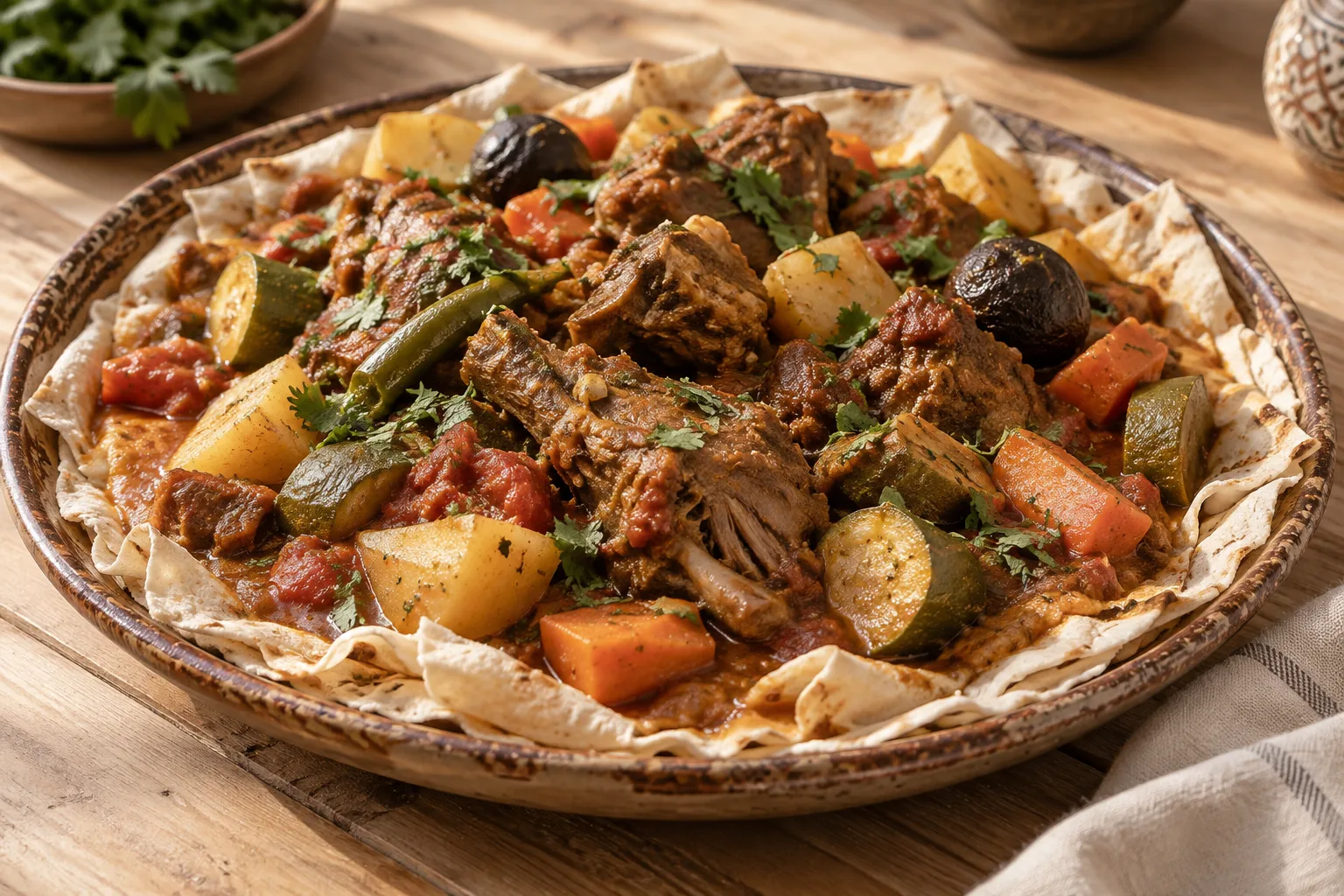
- Lamb and other meats
- Fish
- Vegetables and legumes
- Soups, stews and rice dishes
Frequently asked questions
Are dried black limes lemons or limes?
They are commonly called black lemons, but loomi is also described as dried lime. Check the package, since the fruit and processing may vary.
Can I add one whole to a stew?
Yes. Add it whole, pierced or cracked so it can flavor the liquid. Remove it before serving if you want to avoid hard or especially bitter pieces.
What can I use instead?
Dried lime or dried lemon are close options. Fresh zest adds citrus, but it is wetter and does not exactly reproduce the dried fruit’s bitter, concentrated flavor.
Ingredient allergens
Allergen listThere are no verified associations for these ingredients yet.
Estimated nutrition
- Fat
- 59.3 g
- Saturates
- 3.48 g
- Carbohydrate
- 9.58 g
- Sugars
- 1.1 g
- Fibre
- 6.8 g
- Protein
- 24.1 g
- Salt
- 0 g
Sources and review
Automatically researched, cross-checked and validated content. Sources consulted:
- Client Challenge doi.org/10.2307/jj.27939689.16
- Gastronomía del Perú - Wikipedia, la enciclopedia libre es.wikipedia.org/wiki/Gastronom%C3%ADa_del_Per%C3%BA
- ¿Por qué el termómetro marca 25 º y la sensación térmica es de 27 º? doi.org/10.64628/aao.4ahqgpr6e
- Gastronomía de la provincia de Valencia - Wikipedia, la enciclopedia libre es.wikipedia.org/wiki/Gastronom%C3%ADa_de_la_provincia_de_Valencia
- Food & Nutrition | Colorado State University Extension foodsmartcolorado.colostate.edu/pantry-staples-and-other-commodity-food-recipes/
- 21 Seminarios de panadería y pastelería | Culinary Institute Lenotre culinaryinstitute.edu/es/seminarios-practicos/21-seminarios-de-panaderia-y-pasteleria/
- Loomi, el limón negro de oriente medio - La Abuela Carmen laabuelacarmen.com/loomi-el-limon-negro-de-oriente-medio/
- Comité Científico aesan.gob.es/dam/jcr:a7c4e553-46f5-4def-9ede-b6d1e19b3948/comite_cientifico_42.pdf
- Loomi o limón negro, ¿qué es, cómo utilizarlo? y 3 recetas para descubrirlo www.cocinayaficiones.com/recetas-loomi-faciles-hacer/
- Análisis estratégico para la comercialización de materias primas de cacao fino y de aroma hacia los países industrializados que manufacturan chocolate tipo gourmet | OpenAlex openalex.org/W7132393750
- - YouTube www.google.com/goto?url=CAESZgHrOzAVLBfeS9Vdy4EvhZzi3ksvW-CxBCByCg-TDU5C76SDF0joSz5cw3MM_2yi…
- Memorias del atole agrio elaborado por mujeres otomíes de San Antonio Acahualco, Estado de México | OpenAlex openalex.org/W4411203906