- Category
- Pulses
- State
- Dry
- Usual unit
- cup
What it is
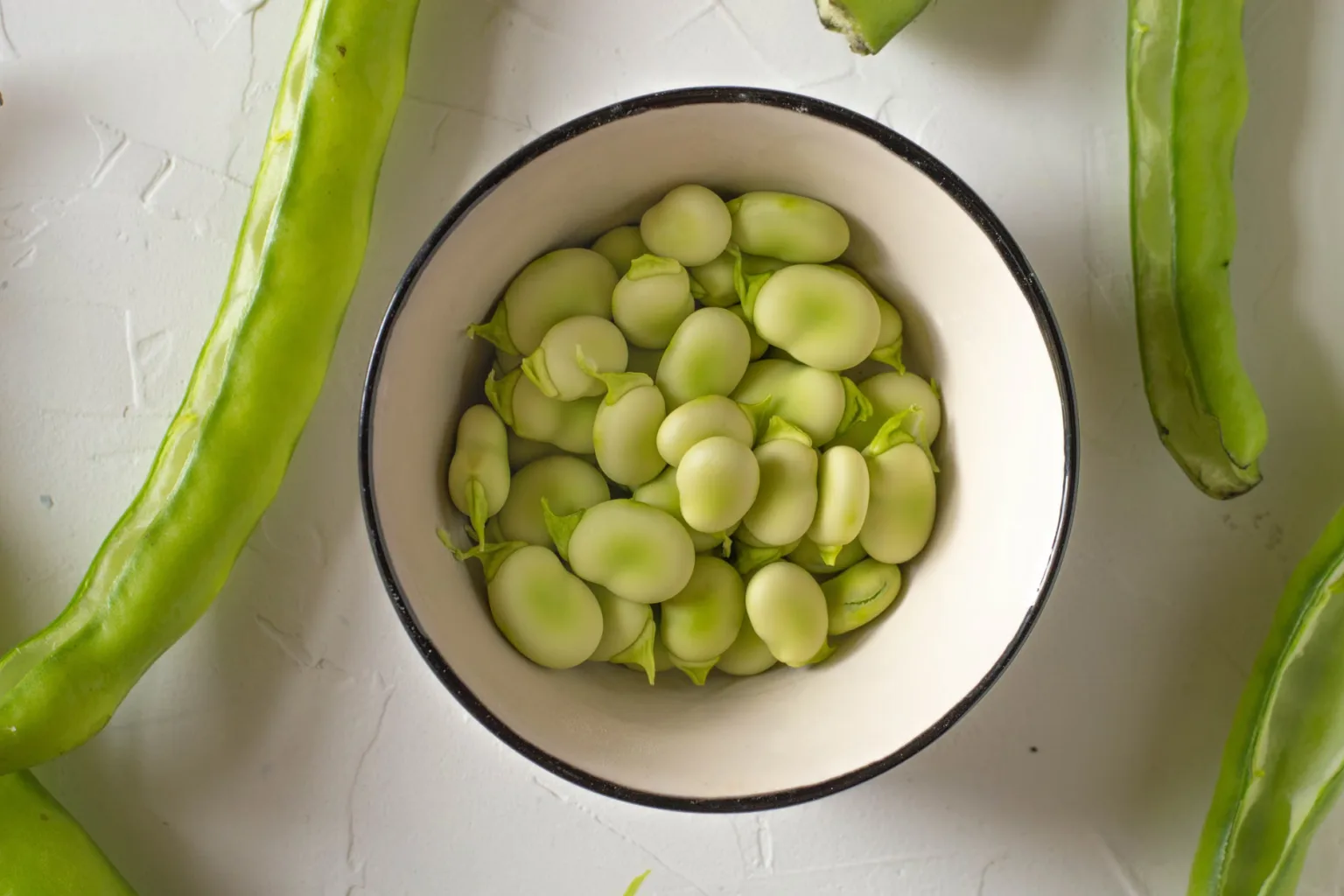
Dried broad beans are mature, dehydrated seeds of the broad bean plant, Vicia faba. Unlike fresh, tender broad beans, they are sold as a dry pantry legume and generally need soaking and cooking before eating. Size, color, and whether the skin is present can vary with the variety and product. Once cooked, the seeds soften and can be kept whole or blended into a creamy preparation. They are not the same as fresh pods: dried broad bean recipes use the dried seeds.
When to use it
Use dried broad beans when you want a substantial pantry legume for a hot dish or when a recipe specifically calls for them. They work in stews, and can also be cooked for salads, blended into purées and soups, or used in sauces and fillings. Since they need advance preparation, choose them when you have time to soak and cook them; they are not an instant substitute for an already-cooked legume.
How to use it
Before cooking, check the beans and remove any foreign material or clearly damaged seeds. Soak them before cooking; the precise soaking time can depend on the product and its age, so follow the package or recipe directions. Drain, then cook in water or as part of a stew until tender. For a creamy result, blend them after cooking; for salads or fillings, keep them whole if they hold their shape. If the skins seem too firm for the dish, remove them after cooking. Adjust the liquid and doneness to suit the texture you want.
Flavour and texture
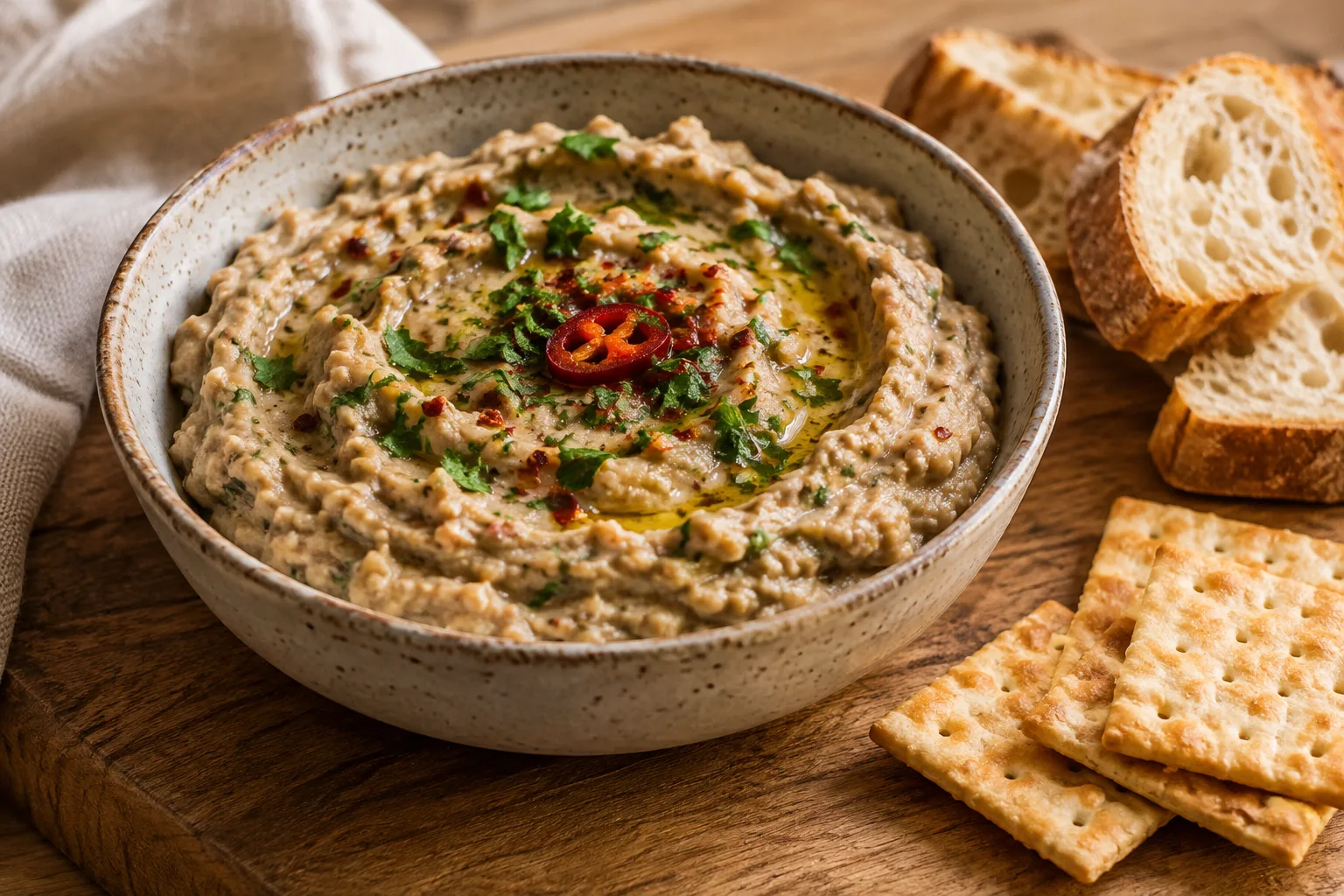
Dried broad beans have a mild, legume-like, somewhat buttery flavor, with a profile that may remind you of other beans. Once cooked, the inside becomes tender and creamy, while the skin may remain thicker and firmer. The finished texture varies with the variety, age, and cooking. Blended beans make a smooth or rustic base; carefully cooked beans can remain whole in stews and salads.
How to choose it
Choose a product sold for food use and check that the seeds are dry, with no visible dampness or signs of deterioration. Make sure the package is intact and check its date and preparation instructions. Whole and split beans may cook differently, so do not assume directions for one form apply to another. Older beans may need more soaking or longer cooking; follow the label and check their texture as they cook.
Storage
Keep dried broad beans in a tightly closed container in a dry place away from heat and direct light. Keep moisture out, as it can affect product quality. Note when a package is opened and rotate your pantry so older packs are used first. Over time, beans may take longer to hydrate and cook; check that they are tender before serving. Do not keep a package that shows dampness or visible deterioration.
Substitutions
In recipes that can accommodate another legume, dried chickpeas or beans may work as alternatives, but they will not reproduce the exact flavor or texture of broad beans. Preparation and cooking needs can differ by legume and product. If replacing dried broad beans with a legume that is already cooked, add it when the recipe allows so it does not break down during prolonged cooking.
Common mistakes
Common mistakes include starting to cook without soaking, assuming every form needs the same preparation, or relying only on the clock. The age and type of bean can change how long it takes to soften. Check the texture and continue cooking if the center is still firm. Do not expect a dry legume to behave like a cooked one, and do not blend the beans until tender.
Safety and allergens
Soak and cook dried broad beans before eating; do not eat them dry or raw. Follow the package or recipe directions and check that the beans are tender before serving.
Culinary uses
- Legumbre de despensa para guisos
- Base para purés y cremas
- Ingrediente para ensaladas, salsas y rellenos
Recommended techniques
- Remojo antes de la cocción
- Cocción lenta en guisos
- Cocción y triturado para purés o cremas
Pairs well with
- Guisos de legumbres
- Sopas y cremas
- Ensaladas y rellenos
Frequently asked questions
Do dried broad beans need soaking?
Yes. Soak them before cooking. The time can vary by product, so check the package or recipe.
Can you eat the skins?
The skins can be eaten if tender, though they may remain firm. If you dislike the texture, remove them after cooking.
How can I use dried broad beans?
Cook them in stews, blend them into purées or soups, or use them in salads, sauces, and fillings.
Ingredient allergens
Allergen listThere are no verified associations for these ingredients yet.
Sources and review
Automatically researched, cross-checked and validated content. Sources consulted:
- ¿Por qué la muerte es origen de miedos y tabúes? doi.org/10.64628/aao.fccyk3qj3
- Client Challenge doi.org/10.2307/jj.27939689.16
- The Essential Glossary of Cooking Terms for the Culinary Arts - Escoffier www.escoffier.edu/blog/culinary-arts/the-essential-glossary-of-cooking-terms-for-the-culinar…
- Vicia faba - Wikipedia, la enciclopedia libre es.wikipedia.org/wiki/Vicia_faba
- Gastronomía de la provincia de Valencia - Wikipedia, la enciclopedia libre es.wikipedia.org/wiki/Gastronom%C3%ADa_de_la_provincia_de_Valencia
- Comité Científico www.aesan.gob.es/dam/jcr:ed009337-0085-4c40-8a9d-4941400ca954/comite_cientifico_35.pdf
- - YouTube www.youtube.com/watch?v=j7j5mXykpgY
- La guía práctica para un buen maridaje - Industrias Espadafor S.A. espadafor.es/guia-para-un-buen-maridaje/
- Maqueta.qxp:Maqueta Comità CientÃfico Nâ« 2 aesan.gob.es/dam/jcr:07120507-cbae-498b-85a7-2ec557b6becb/comite_cientifico_11.pdf
- An Evaluation of the Relationship between Cooking and ... openprairie.sdstate.edu/cgi/viewcontent.cgi?article=2233&context=etd
- Qué son las habas secas y cómo aprovechar al máximo esta legumbre típica de Murcia, de sabor delicado y mantecoso www.google.com/goto?url=CAES1AEB6zswFefUa-4w7sU3NpD7T2H12BoLxtMCy3J5m4VXwsJDSlCPF-XLEbuoT-LQ…
- Vicia faba L.: UMA REVISÃO SOBRE O PERFIL NUTRICIONAL E INDUSTRIALIZAÇÃO DA FAVA | OpenAlex openalex.org/W4385754806
- Métodos de cocción: los tipos secos, húmedos y mixtos www.google.com/goto?url=CAESbwHrOzAVT4tZEvDd0z3YGbAeDqzGf7RCmpvv0sgWBPdXwfVtOLKgPOWI2VxS13Cd…
- Para compreender Le Viandier: do estudo do livro medieval de receitas à elaboração de um glossário verbal culinário | OpenAlex openalex.org/W1836793515