- Category
- Herbs and spices
- State
- Dry
- Usual unit
- g
What it is
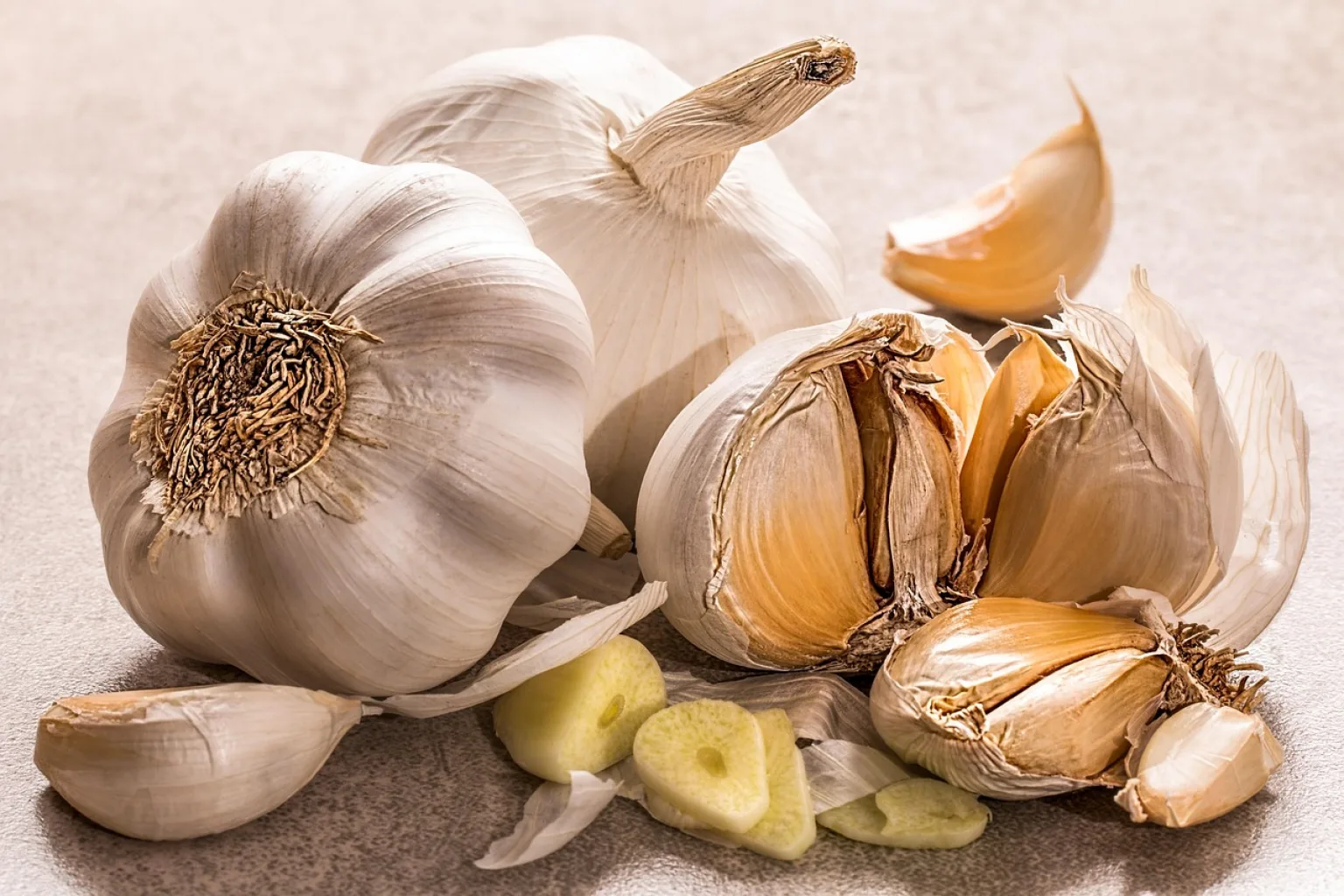
Dried garlic flakes are garlic cut into thin pieces or fragments and dehydrated. They retain garlic’s characteristic aroma in a lightweight, dry form that is convenient to keep in the pantry. Unlike garlic powder, flakes remain visible and can contribute small pieces to a dish, depending on how much they soften during soaking and cooking. Their size, thickness, and color can vary by product; check the ingredient list if you need to know whether the package contains only garlic or additional ingredients. Use them as a seasoning, add them directly to dishes with liquid, or rehydrate them before cooking.
When to use it
Choose garlic flakes when you want a convenient pantry form of garlic and do not need to peel or chop fresh cloves. They work well in soups, stews, sauces, marinades, and seasoning blends, where liquid or cooking can soften them. They can also be mixed into bread and savory dough for garlic flavor throughout the mixture. Rehydrate them first if you want a softer texture closer to chopped garlic. Fresh garlic may be a better choice when you want a fresher, more immediate aroma and flavor.
How to use it
Add the flakes directly to soups, stews, or other dishes with liquid and let them soften as the food cooks. For a low-moisture dish, soak them in water first, then drain off any excess liquid before adding them. Mix them into marinades, rubs, sauces, and dressings, distributing them well so the flavor does not collect in one spot. You can also incorporate them into savory dough, bread, or spice blends. Start with a moderate amount and adjust after tasting, since flake size and intensity vary. Follow the package directions when provided.
Flavour and texture
The flakes have garlic’s characteristic flavor and a pronounced aroma. Before cooking, they are dry and lightweight. When they absorb liquid, they soften; in a moist dish, they gradually become less crisp and blend into the food. Their intensity can vary with the product and flake size, so taste and adjust the seasoning.
How to choose it
Look for a product clearly labeled dried garlic flakes and check the ingredient list to see whether it contains only garlic or is a blend. The contents should be dry, with no visible signs of moisture or clumping. Color and flake size can vary between products, so do not judge quality by uniform color alone. Choose an intact package and check for any off odors when you open it.
Storage
Keep the flakes in a tightly closed container in a cool, dry, dark place, away from steam, moisture, and heat. Avoid leaving the package open beside the stove, where the flakes may absorb moisture. Use a dry utensil and reseal the container after each use. Follow the storage instructions and date on the package.
Substitutions
You can substitute finely chopped fresh garlic, dried garlic granules, or garlic powder, but their texture and intensity differ. Fresh garlic adds moisture and a different texture, while granules and powder disperse differently. There is no universal conversion for every product: start with less than the recipe calls for, taste, and adjust to suit the dish.
Common mistakes
Do not add flakes to a dry mixture and expect them to soften on their own; soak them first or use them in a recipe with enough liquid. Avoid assuming all flakes have the same size and intensity. Do not leave the package open in a damp place or use a wet spoon, as moisture can make the flakes clump.
Safety and allergens
Use the product as directed on its package. Do not use it if the package is damaged or the contents show moisture, mold, or unusual odors. Keep the flakes dry and avoid contamination from wet utensils.
Culinary uses
- seasoning
- aromatic base
- texture and garnish
Recommended techniques
- add directly to soups and stews
- rehydrate in water
- mix into marinades and dry seasonings
- bake into savory doughs
Pairs well with
- tomato
- onion
- beans and lentils
- meat and poultry
- bread and savory dough
Frequently asked questions
Can I add dried garlic flakes straight to soup?
Yes. Add them directly to soup or stew with liquid, where they will soften as the dish cooks.
How do I rehydrate garlic flakes?
Soak the flakes in water until hydrated, then drain any excess liquid. Follow the package directions if they specify a method.
Can garlic flakes replace fresh garlic?
Yes, but the moisture, texture, and intensity will differ. Adjust the amount gradually and taste as you cook.
Ingredient allergens
Allergen listThere are no verified associations for these ingredients yet.
Sources and review
Automatically researched, cross-checked and validated content. Sources consulted:
- Romanica Olomucensia : «¿Qué pinga es esto?». Usos disfemísticos en el español de Cuba doi.org/10.5507/ro.2021.007
- El Ajo, Un Ingrediente Milagro En La Gastronomía Mundial - Restaurante Romero restaurante-romero.es/el-ajo-un-ingrediente-milagro-en-la-gastronomia-mundial/
- Ajo, tipos, beneficios y uso en la cocina - Mercado de Chamartín mercadodechamartin.es/blog/ajo/
- Ajo, el ingrediente milenario que transforma el sabor en la cocina www.chefyerika.com/post/ajo-el-ingrediente-milenario-que-transforma-el-sabor-en-la-cocina
- Todo sobre el ajo: qué es, cómo se cultiva, cómo utilizarlo en cocina y qué propiedades tiene www.directoalpaladar.com/ingredientes-y-alimentos/todo-ajo-que-como-se-cultiva-como-utilizar…
- Gastronomía de México - Wikipedia, la enciclopedia libre es.wikipedia.org/wiki/Gastronom%C3%ADa_de_M%C3%A9xico
- Ajo en polvo: cómo se obtiene, usos culinarios y beneficios para la salud - Especias El explorador especiaselexplorador.com/ajo-en-polvo-como-se-obtiene-usos-culinarios-y-beneficios-para-la-s…
- Qué es (y qué no es) la estadística, usos y abusos de una disciplina clave en la vida de los países y las personas | Estudios económicos doi.org/10.52292/j.estudecon.2015.740
- El Ajo Deshidratado: propiedades, conservación y usos en cocina - La Abuela Carmen laabuelacarmen.com/el-ajo-deshidratado-propiedades-conservacion-y-usos-en-cocina/
- Ajo | PAPRIMUR paprimur.es/productos/ajo/
- El ajo: origen, beneficios y cómo usarlo deshidratado | Pancha sazonadorespancha.com/ingrediente-el-ajo/?srsltid=AYCX9vLevQwC6iuy2HhjDYgAqrW0kXWRIJyHC5yzSU…
- - YouTube www.youtube.com/watch?v=htVE9p5ulCQ
- Ajo Laminado: Beneficios, Usos y Recetas | El Explorador | especiaselexplorador.com/ajo-laminado-beneficios-usos-recetas/