- Category
- Fruit
- State
- Dry
- Usual unit
- unit
What it is
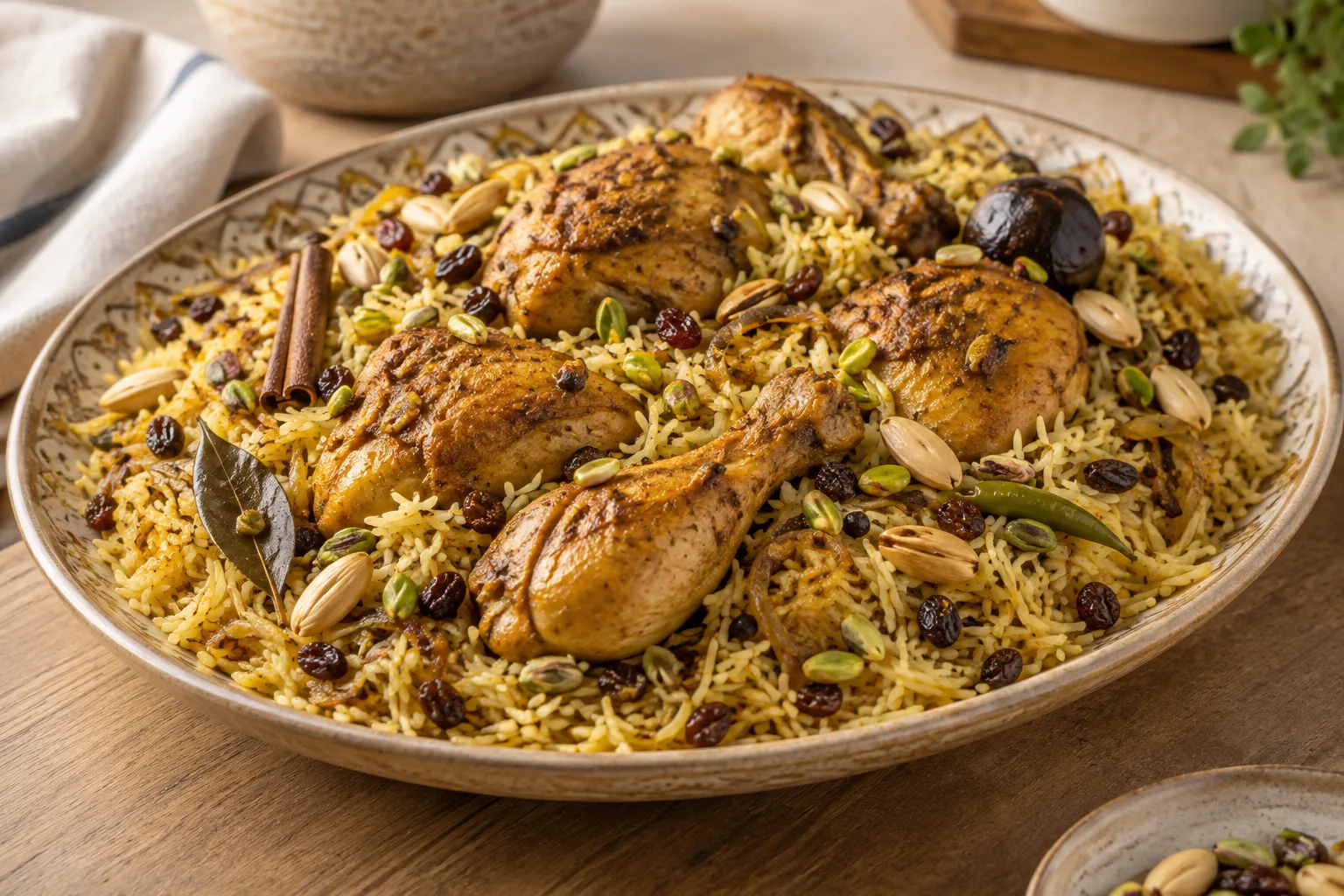
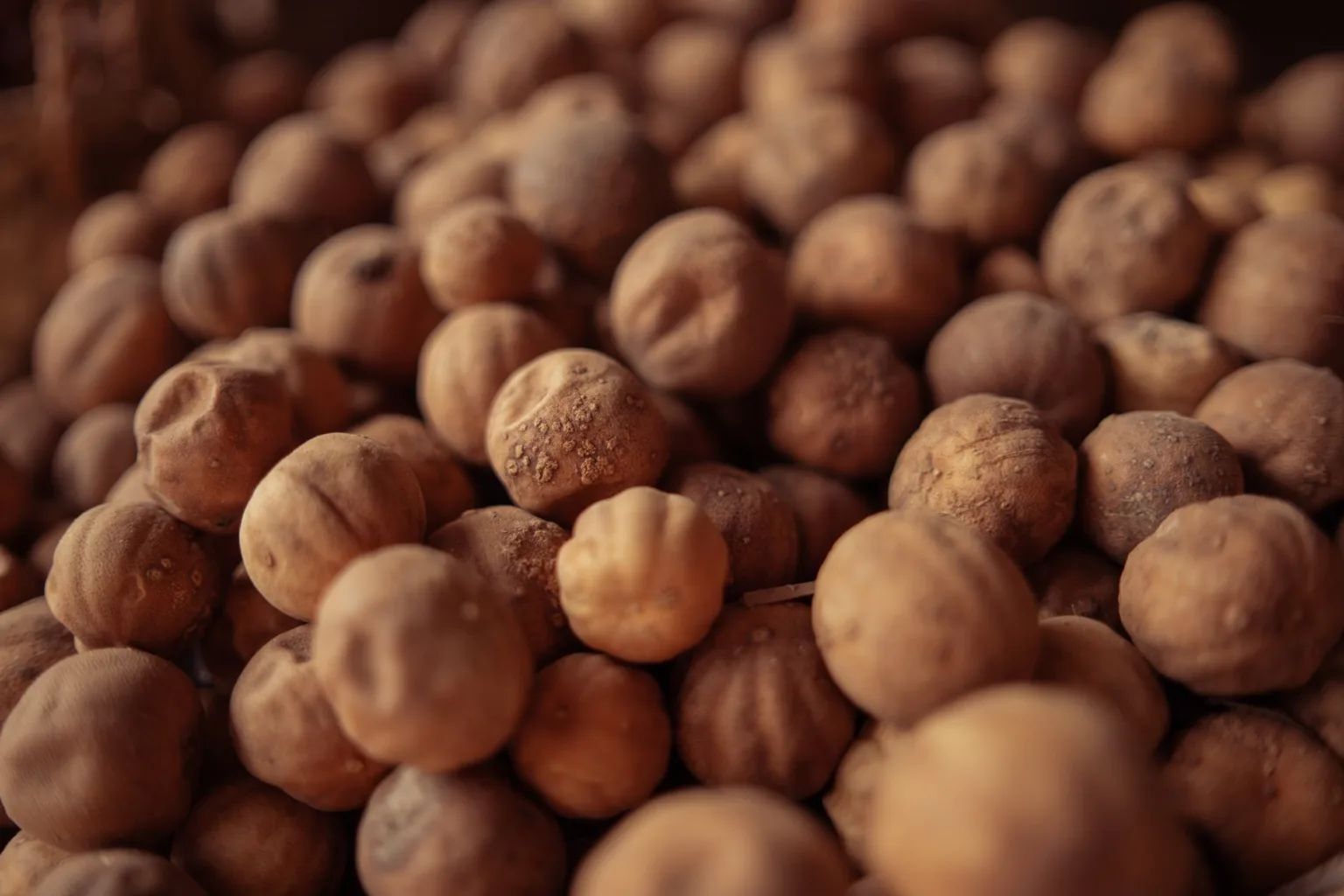
Dried lime is a dehydrated citrus fruit used as a seasoning. One well-known Middle Eastern style is loomi, also called black lime or Omani lime: it can be made by boiling limes in salted water and then drying them until dark. This describes one style, not necessarily every dried lime product. Dried lime is sold whole, sliced, or ground, and its appearance and processing can vary. It is not the same as dried kaffir lime leaves, which are a different ingredient and are used differently. Dried lime contributes citrusy, aromatic notes to savory dishes and can also flavor drinks and desserts.
When to use it
Use dried lime when you want to add an aromatic citrus character to a cooked dish, especially a soup or stew. Loomi is used in Middle Eastern cooking and pairs with lamb, fish, and vegetables. It can also be chosen to flavor drinks or sweet preparations such as custards and ice cream. Since it is available whole, sliced, and powdered, choose the form that suits the dish: a whole fruit can go into cooking, while powder is easy to distribute as a seasoning. If you are unfamiliar with the product, start with a small amount and taste before adding more.
How to use it
Add a whole dried lime to a soup or stew so it can flavor the liquid as it cooks; remove it before serving if you do not want it left in the dish. Slices can also be used to flavor a preparation or drink. Powder can be mixed directly into a spice blend, dough, or finished dish; add it gradually and taste as you go. For savory cooking, use it with lamb, fish, vegetables, soups, or stews. For desserts, it can be infused into a custard base or grated over ice cream. Products can vary in form and intensity, so adjust the amount to taste and to the format you have.
Flavour and texture
Dried lime brings citrusy, aromatic notes, with a flavor that can suggest lime and, in loomi, a spiced or fermented character. Drying concentrates its aroma compared with fresh fruit. A whole lime is dry and may be hollow; slices and powder are easier to distribute through a dish. A dark color is associated with some loomi products, but should not be assumed of every dried lime.
How to choose it
Choose a form that suits your intended use: whole fruit for stews, slices for infusing, or powder for easy seasoning. Check that the product is dry and that the package shows no signs of moisture. Read the label for the format and product-specific directions; the name dried lime can cover different styles and forms. A noticeable, fresh aroma can help when assessing quality, though intensity varies by product and time since packing.
Storage
Keep dried lime tightly sealed and protected from moisture, following the storage directions on its package. Keeping it dry helps preserve its aromatic character. Avoid leaving the container open while cooking, and close it again after taking out what you need. No single storage life can be established here for every product and format, so follow the date and directions printed on the package.
Substitutions
You can replace a whole dried lime with dried lime slices or black lime powder, which are other forms of the same kind of seasoning. Start with a small amount of powder and adjust by tasting, since it spreads more evenly through a dish than a whole fruit. The available evidence does not establish an exact equivalent using citrus juice, fresh zest, or another ingredient; those products should not be expected to reproduce the full dried-lime profile.
Common mistakes
Do not confuse dried lime fruit with dried kaffir lime leaves; they are different ingredients. Do not assume every dried lime is black, made by the same process, or identical in flavor. Avoid adding a large amount of powder at once; add it gradually and taste. When using a whole lime in a stew, remember that you can remove it before serving if you do not want it left in the dish.
Safety and allergens
Follow the package directions and keep the product dry and tightly sealed. Do not use it if the package is damaged or if you notice moisture or spoilage. The supplied evidence does not identify a specific safety warning for dried lime.
Culinary uses
- seasoning
- aromatic ingredient
Recommended techniques
- simmer whole in soups or stews
- infuse in liquids
- grind or crumble into a seasoning
Pairs well with
- lamb
- fish
- vegetables
- soups and stews
Frequently asked questions
Are dried lime and black lime the same?
Loomi, also known as black lime or Omani lime, is one style of dried lime. The name dried lime can cover different formats or styles, so check the label.
How do you use a whole dried lime?
Add it to a soup or stew while it cooks to flavor the liquid. Remove it before serving if you do not want it left in the dish.
Can dried lime be used in drinks or desserts?
Yes. Slices can flavor drinks, and powder can be added to dough. It can also be infused into a custard base or grated over ice cream.
Ingredient allergens
Allergen listThere are no verified associations for these ingredients yet.
Sources and review
Automatically researched, cross-checked and validated content. Sources consulted:
- The Essential Glossary of Cooking Terms for the Culinary Arts - Escoffier www.escoffier.edu/blog/culinary-arts/the-essential-glossary-of-cooking-terms-for-the-culinar…
- Qué es la punción seca y para qué la usan los fisioterapeutas doi.org/10.64628/aao.5vsjmghj5
- Nutrition After Your Transplant - Health Online healthonline.washington.edu/sites/default/files/record_pdfs/Nutrition-After-Your-Transplant-…
- | National Center for Home Food Preservation nchfp.uga.edu/how/can/tomatoes-and-tomato-products/
- Qué es la lima kaffir, ingrediente imprescindible de la cocina tailandesa www.directoalpaladar.com/ingredientes-y-alimentos/que-lima-kaffir-ingrediente-imprescindible…
- ¿Qué son las hojas de lima y cómo utilizarlas en la cocina? - Mejor con Salud mejorconsalud.as.com/dieta/nutricion/hojas-lima-cocina/
- The Selection of Food-Plants by Insects, with Special ... www.journals.uchicago.edu/doi/pdf/10.1086/279763
- Loomi, el limón negro de oriente medio - La Abuela Carmen laabuelacarmen.com/loomi-el-limon-negro-de-oriente-medio/
- Hojas de lima kaffir secas | Gastronomía & Cía www.gastronomiaycia.com/hojas-de-lima-kaffir-secas/
- Para la ciudadanía www.aesan.gob.es/para-la-ciudadania
- Tanzania Food Composition Tables | The Nutrition Source nutritionsource.hsph.harvard.edu/wp-content/uploads/2023/09/Tanzania-Food-Composition-Tables…
- ScholarSphere scholarsphere.psu.edu/resources/6209d7c5-412c-49e0-a1c7-b320f072aaec/downloads/40210?downloa…