- Category
- Herbs and spices
- State
- Dry
- Usual unit
- unit
What it is
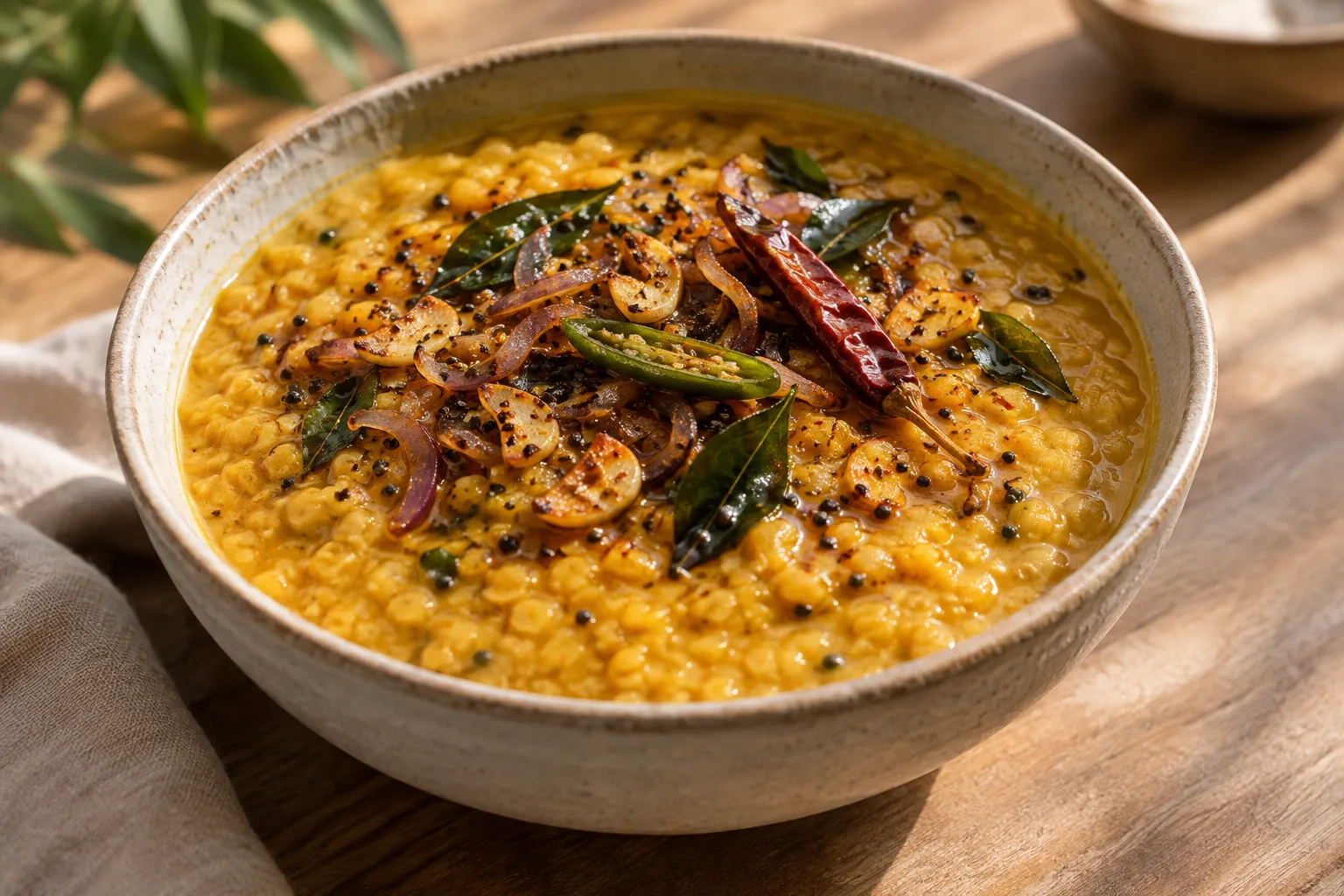
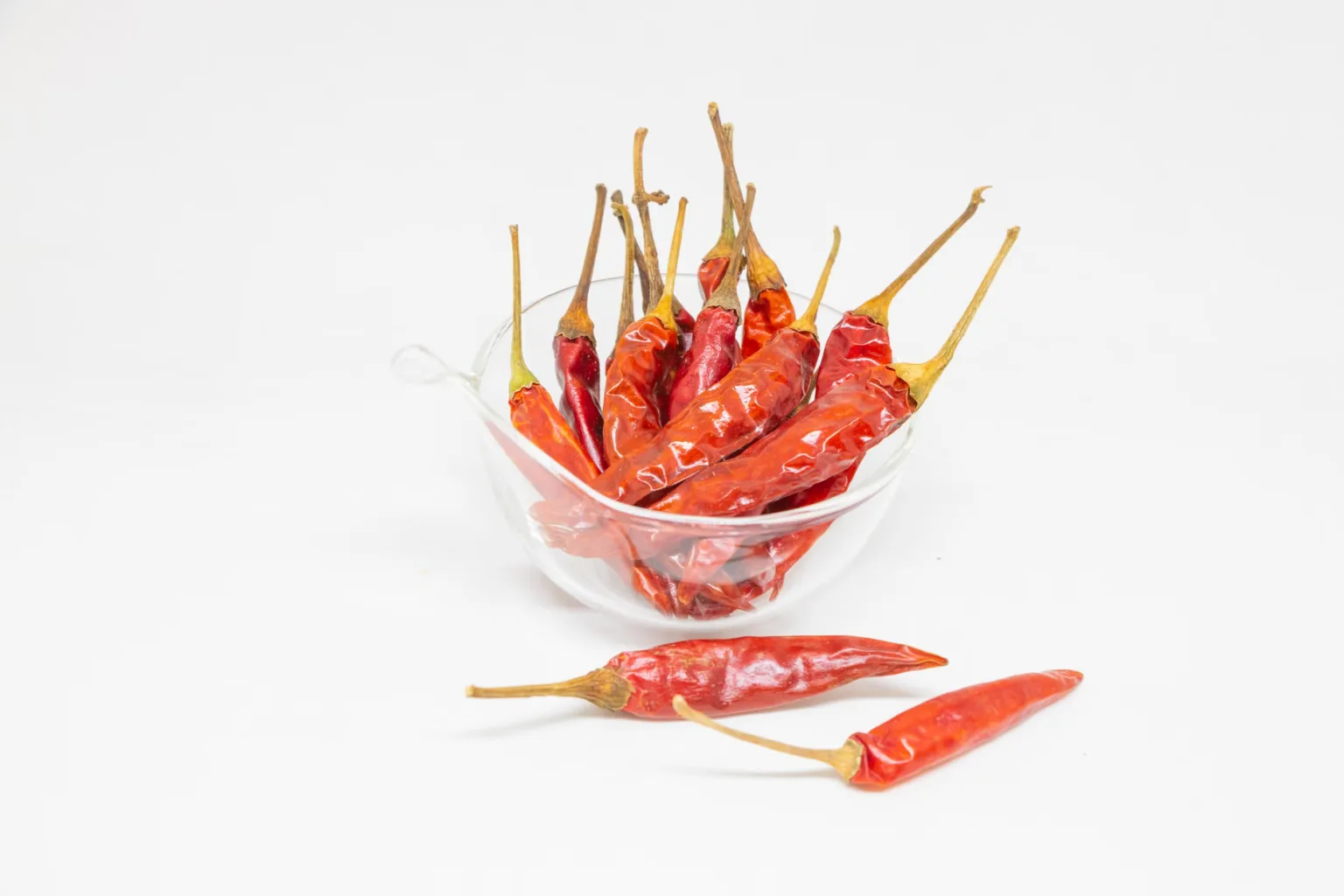
Dried red chilli is a dehydrated Capsicum fruit. The name covers different varieties rather than one single type of chilli, so size, shape, colour, skin thickness and heat can all differ. Drying removes moisture and concentrates its aroma; depending on the variety, the flavour may be fruity, sweet, earthy or smoky. It is used as a seasoning, but can also be a main ingredient in sauces, adobos and moles. It can be used whole, crushed or rehydrated to make blending easier. Do not assume every dried red chilli has the same flavour or heat: identify the variety where possible and add it gradually.
When to use it
Use it when you want to add heat, aroma or colour and can adjust the amount to suit the particular chilli. It is useful in sauces and adobos, as well as moles, broths and stews that benefit from concentrated flavour. For a smooth sauce, rehydrate it before blending. When choosing a variety, note that red or orange chillies may bring more acidic, fruity notes, while some darker varieties tend to taste sweeter. These differences depend on the type of chilli; colour alone does not reliably indicate its heat.
How to use it
Check which variety you have and start with a small amount, since heat can vary from one chilli to another. For a sauce, you can rehydrate the chilli before blending it; remove the stem and, if you want to moderate the heat or reduce possible bitter notes, remove the seeds and inner ribs. You can also add it to an adobo or mole with other ingredients, adjusting the seasoning to taste. Some preparations briefly toast the chilli to develop its aroma, but avoid burning it, which can make it bitter. If using it ground, add the powder a little at a time and mix well. Taste before adding more: dried chillies are not interchangeable in heat, sweetness or aroma.
Flavour and texture
Flavour and heat depend strongly on the variety. Drying concentrates the aroma and can bring out fruity, acidic, sweet, earthy or smoky notes. Whole chillies often have wrinkled skins, although their colour and thickness vary. Once rehydrated, the flesh softens and is easier to blend into sauces. Seeds and inner parts can be hotter or more bitter, but individual chillies do not all behave alike.
How to choose it
Look for a chilli variety suited to your intended use; the product name can help you anticipate differences in flavour. Choose pieces without visible mould or insects, and avoid those that are badly broken or excessively dirty. Dried chillies can vary in colour, size and flexibility, so do not judge quality by a single feature. If heat matters to your recipe, begin with a moderate amount and taste before adding more.
Storage
Keep dried chillies in a tightly closed container in a cool, dry place to limit exposure to moisture. Avoid leaving them open near cooking steam or other sources of dampness. Check them before use and discard pieces with mould or signs of insects. Condition and storage needs can vary with the product and packaging; also follow the storage directions on the label.
Substitutions
You can substitute another dried chilli variety, but do not expect an identical result: heat, sweetness, aroma and colour depend on the type. Guajillo can suit adobos and add colour; ancho is used in sauces and moles. Add the substitute gradually and adjust after tasting. If a recipe relies on a smoky flavour or a particular level of heat, the replacement may change the dish noticeably.
Common mistakes
Treating every dried chilli variety as equally hot can throw a dish off balance. Adding too much at once makes the heat difficult to correct. Rehydrating or blending without removing the stem can leave tough pieces, while burning the chilli during toasting can make it bitter. When substituting, remember that flavour, colour and heat may differ.
Safety and allergens
If you have a food allergy, check the product label and ask for allergen information when the chilli is part of a prepared food. Allergens used as ingredients must be identified in the food information for packaged products.
Culinary uses
- Condimento para aportar picor, aroma y color
- Base de sabor para salsas, adobos y moles
Recommended techniques
- Rehidratar antes de triturar para salsas
- Tostar brevemente para intensificar el aroma, sin dejar que se queme
Pairs well with
- Tomate en salsas
- Ajo, especias y grasas en adobos y moles
Frequently asked questions
Do all dried red chillies have the same heat?
No. The name can cover different varieties with different heat, aroma, colour and flavour. Start with a small amount and adjust after tasting.
How do I use dried chilli in a sauce?
You can rehydrate it to make blending easier. Removing the seeds and inner ribs may moderate the heat and reduce bitter notes.
What can I use instead?
Try another dried variety, such as guajillo for adobos or ancho for sauces and moles, keeping in mind that flavour and heat will change.
Ingredient allergens
Allergen listThere are no verified associations for these ingredients yet.
Estimated nutrition
- Fat
- 3 g
- Saturates
- 0.45 g
- Carbohydrate
- 68.7 g
- Sugars
- 40.8 g
- Fibre
- 21.3 g
- Protein
- 17.9 g
- Salt
- 0.48 g
Sources and review
Automatically researched, cross-checked and validated content. Sources consulted:
- Client Challenge doi.org/10.2307/jj.27939689.16
- Etiquetado de sustancias que causan alergias e intolerancias alimentarias www.aesan.gob.es/seguridad-alimentaria/informacion-alimentaria/etiquetado-sustancias
- Tipos de Chiles Secos Mexicanos: Características y Usos abarrotes.es/blog/chiles-secos-mexicanos-caracteristicas-y-usos/
- Chiles secos: el Ama de nuestra gastronomía | Love Veg loveveg.mx/chiles-secos-el-ama-de-nuestra-gastronomia/
- Chile seco - Wikipedia, la enciclopedia libre es.wikipedia.org/wiki/Chile_seco
- El chile — Canela Limón Chile www.canelalimonchile.com/pagina-ingredientes/el-chile
- Allergies - Food Safety - European Commission food.ec.europa.eu/food-safety/campaign-2026/allergies_en
- Food Allergies | FDA www.fda.gov/food/nutrition-food-labeling-and-critical-foods/food-allergies
- Allergen labelling for food businesses | Food Standards Australia New Zealand www.foodstandards.gov.au/business/labelling/allergen-labelling
- Food Allergy Labeling Laws: International Guidelines for Residents and Travelers - PMC pmc.ncbi.nlm.nih.gov/articles/PMC10169132/
- Food allergen labelling and information requirements technical guidance - GOV.UK www.gov.uk/government/publications/food-allergen-labelling-and-information-requirements-tech…
- Allergens in food | safefood.vic.gov.au www.safefood.vic.gov.au/allergens-in-food
- El chile, corazón de la gastronomía mexicana | Dirección General del Servicio de Información Agroalimentaria y Pesquera | Gobierno | gob.mx www.gob.mx/agricultura%7Cdgsiap/es/articulos/el-chile-corazon-de-la-gastronomia-mexicana