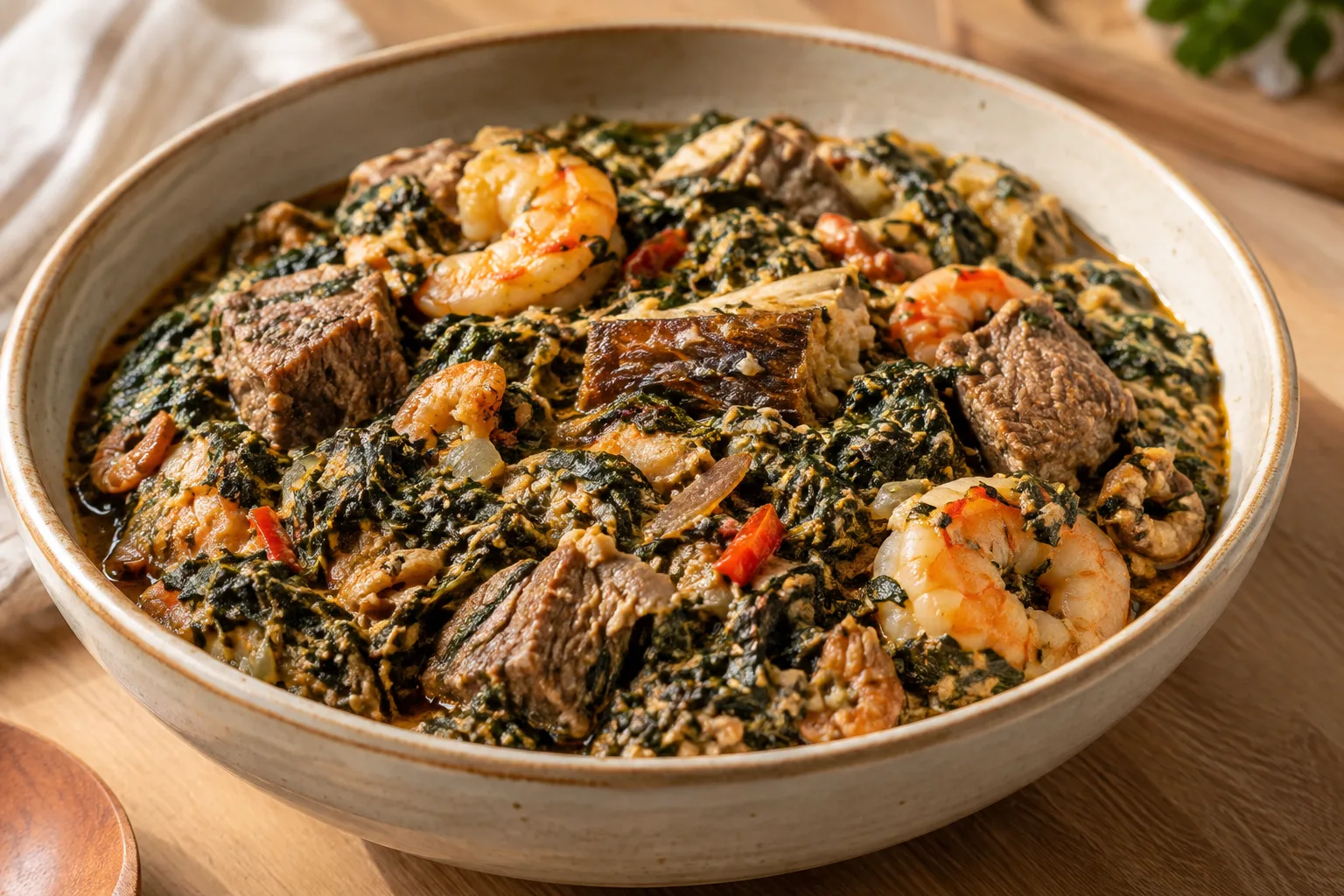
- Category
- Fish and seafood
- State
- Dry
- Usual unit
- Variable
What it is
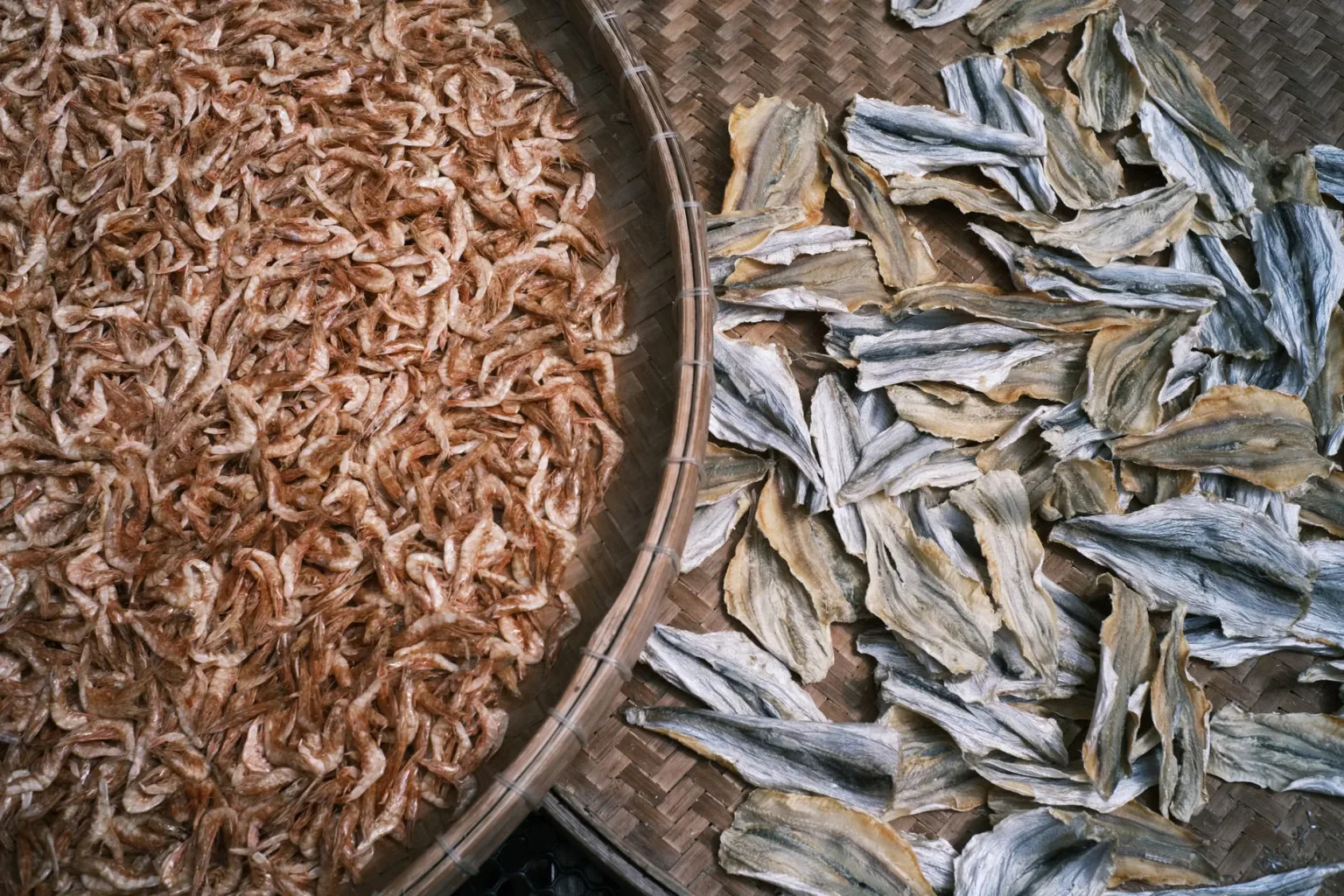
Dried shrimp are shrimp with some of their moisture removed through drying. Products can differ in size, appearance and preparation: some are peeled, others retain their shells, and some processing methods include cooking before drying. Since products are not all made the same way, follow the package directions. Their flavor is generally more concentrated than that of fresh shrimp, with seafood, salty and umami notes. They work as a seasoning or an ingredient, rather than only as a standalone portion of seafood.
When to use it
Use dried shrimp when you want to add a pronounced seafood and umami flavor to a dish, especially soups, broths, stews, stir-fries, sauces, rice dishes, salads or fillings. Cook them with other ingredients or use a small amount as a finishing touch, depending on the size and texture you want. If they are firm and you prefer a softer texture, a brief soak can help rehydrate them. Products vary, so taste the dish before adding more: dried shrimp can contribute substantial flavor and saltiness.
How to use it
First check the package directions and remove any shell pieces if the product requires it. To soften firm shrimp, soak them briefly and drain; soaking is not necessary if you are adding them directly to broth or sauce where they can soften during cooking. Stir-fry or fry them with other seasonings, add them to soups and stews, or mix them into fillings for rice noodles, glutinous rice and other dishes. They can also be used as a garnish or in a sauce. Start with a small amount, taste, and adjust; intensity and saltiness vary by product.
Flavour and texture
Their flavor is savory, salty and distinctly umami, often with a slight sweetness. Drying concentrates the flavor and reduces their size; firmness and texture vary with how they are prepared. They may stay chewy when added directly, or become more tender after a brief soak and cooking.
How to choose it
Choose an intact, sealed package and check the label to see whether the shrimp are peeled, how they should be prepared and whether refrigeration is required after opening. Size and appearance can vary between products. Look for shrimp that appear dry and in good condition, without visible moisture or signs of deterioration, and compare any stated saltiness information when available.
Storage
Follow the package storage directions, since guidance can vary with the product and its processing. After opening, close the package tightly and protect it from moisture; if the label says to refrigerate it, follow that instruction. Do not assume that dryness alone guarantees good condition: discard the product if the package is damaged or you notice signs of spoilage.
Substitutions
Chopped fresh shrimp can provide seafood flavor, but it contains more moisture and will not have the same concentration as the dried product. Shrimp paste also adds a seafood note, but has a different texture and may be more intense. Adjust gradually and taste before adding salt or other seasonings.
Common mistakes
Adding too much dried shrimp at once can overpower a dish or make it too salty. Do not assume every product is peeled or ready to use in the same way. Soaking is not necessary for every preparation: follow the recipe and package directions, then taste before adjusting the seasoning.
Safety and allergens
Dried shrimp contains shrimp, a crustacean. Avoid it if you have a shrimp or crustacean allergy, and check the label for ingredients and any cross-contact warnings. Follow storage directions and discard any product that shows signs of spoilage.
Culinary uses
- Savory seafood seasoning that adds umami depth to soups, stews, stir-fries and sauces.
- Small topping or filling ingredient for rice dishes, salads and dim sum.
Recommended techniques
- Soak briefly when a softer, reconstituted texture is wanted; drain before using.
- Fry or stir-fry, or simmer in soups, stews and sauces to distribute its flavor.
Pairs well with
- Rice and rice noodles, including noodle-roll and rice-dumpling preparations.
- Garlic, ginger, shallots and chili in stir-fries or seasoned seafood dishes.
Frequently asked questions
Do dried shrimp need to be soaked before cooking?
Not always. A brief soak can soften them; they can also go directly into a soup, stew or sauce, where cooking will soften them.
What do dried shrimp taste like?
They have a concentrated seafood, salty and umami flavor, sometimes with a slight sweet note. Intensity can vary by product.
What dishes can I use dried shrimp in?
They add flavor to soups, stews, stir-fries, rice dishes, salads, sauces and fillings. Use them as a seasoning or as an ingredient.
Ingredient allergens
Allergen listDocumented presence
-
Crustaceans
Dried shrimp
Estimated nutrition
- Fat
- 3.33 g
- Saturates
- 0 g
- Carbohydrate
- 0 g
- Sugars
- 0 g
- Fibre
- 0 g
- Protein
- 60 g
- Salt
- 8.08 g
Sources and review
Automatically researched, cross-checked and validated content. Sources consulted:
- Client Challenge doi.org/10.2307/jj.27939689.16
- tico en la alergia alimentaria www.aesan.gob.es/dam/jcr:6a472900-1d5b-4909-b1bf-34328f6cfd65/ALERGIA_CAMBIO_CLIMATICO.pdf
- ¿Cómo prevenir la diabetes tipo 2? | CAES Field Report fieldreport.caes.uga.edu/publications/C1364-02-SP/como-prevenir-la-diabetes-tipo-2/
- Assessing Food Access in Oregon's Willamette Valley pdxscholar.library.pdx.edu/cgi/viewcontent.cgi?article=1031&context=geog_fac
- Home food preservation | Servicio de Extensión de OSU extension.oregonstate.edu/es/food/preservation
- De Compras para la salud: Comidas para una persona ask.ifas.ufl.edu/publication/FS266/pdf
- Para obtener proteína y calorías suficientes - Health Online healthonline.washington.edu/sites/default/files/record_pdfs/Getting_Enough_Protein_Calories_…
- context, decisions, and views on supporting sustainable ... vtechworks.lib.vt.edu/bitstream/handle/10919/114535/fmars-09-1009130.pdf?isAllowed=y&sequenc…
- Mosquito Yard Spray picol.cahnrs.wsu.edu/DownloadLabel/67398/WA
- ¿Qué son los camarones secos y su uso? – Kwan Homsai www.kwanhomsai.com/que-son-los-camarones-secos/
- Camarón seco - Wikipedia, la enciclopedia libre es.wikipedia.org/wiki/Camar%C3%B3n_seco
- Camarones pelados y secos_Baidu Enciclopedia baike.baidu.com/es/item/Camarones%20pelados%20y%20secos/1336163
- - YouTube www.youtube.com/watch?v=A87u4TiWOfg
- Food allergen labelling and information requirements technical guidance - GOV.UK www.gov.uk/government/publications/food-allergen-labelling-and-information-requirements-tech…
- Managing allergens | Food Standards Scotland www.foodstandards.gov.scot/business-guidance/running-a-food-business/managing-allergens