- Category
- Grains, flour and pasta
- State
- Dry
- Usual unit
- g
What it is
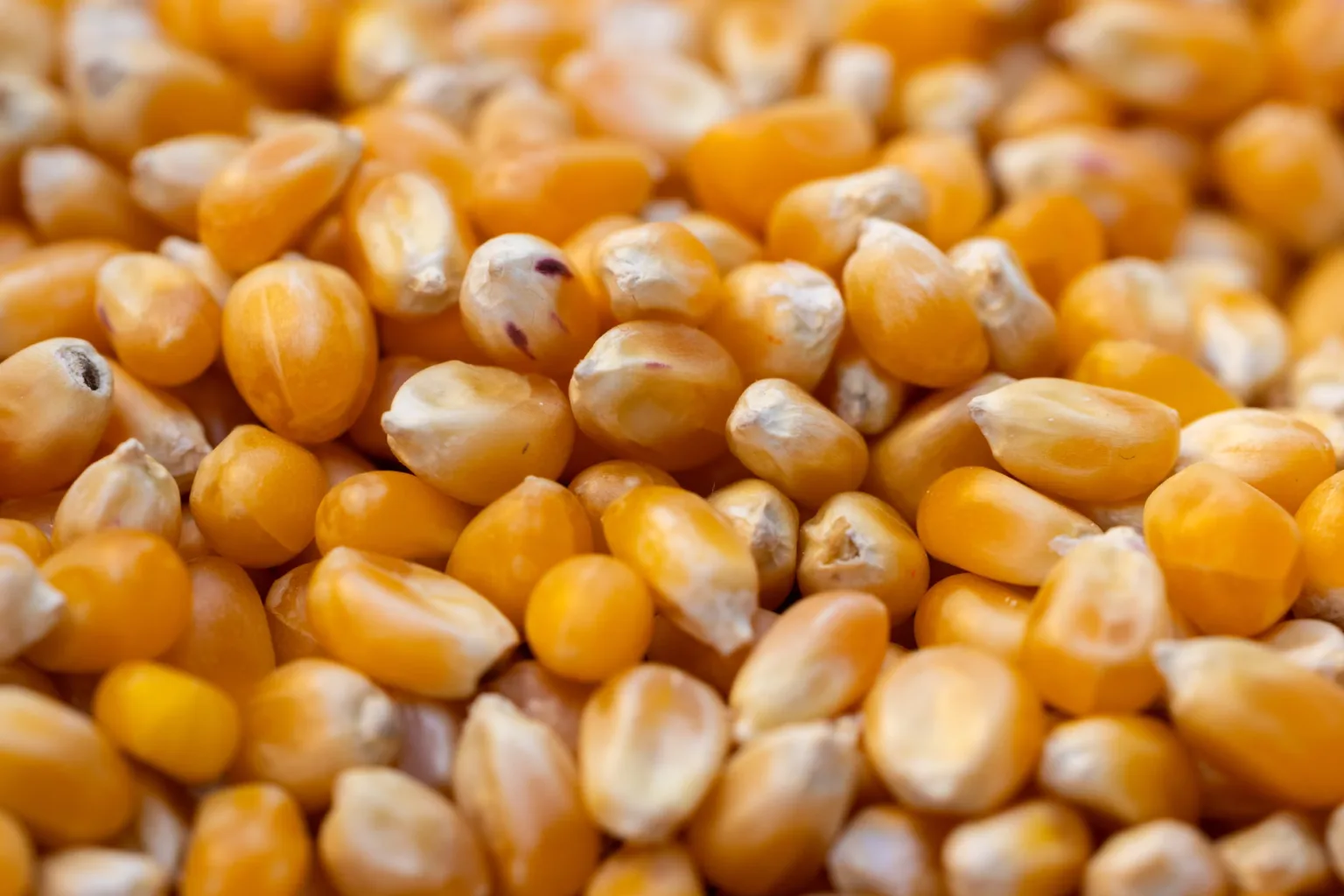
Dried white corn consists of mature maize kernels sold in a dry, whole-grain form. White describes the grain type or variety; it does not mean the corn has been cooked or processed in a particular way. The kernels can be cooked whole, ground into coarse or fine meal, or treated with limewater to make nixtamal and then dough. These processes produce different ingredients: whole kernels, nixtamal, dough and flour are not interchangeable without changes to the recipe. Check the package to confirm whether it contains untreated whole kernels or a product that has already been cooked or processed.
When to use it
Use dried white corn when a recipe calls for whole dried kernels, or when you want corn to grind or nixtamalize yourself. Whole kernels can be used in cooked dishes, while processed and ground maize is used for doughs and foods such as tortillas and tamales. Choose whole kernels for recipes that require that form; do not swap them directly for flour, dough or already-cooked corn, since processing changes how each ingredient behaves. Check whether the recipe specifically calls for nixtamalized corn.
How to use it
Read the package and recipe first to find out whether the kernels need soaking, extended cooking or another treatment. To serve them whole, cook them in liquid until they reach the texture specified by the recipe. Cooking time can vary with the kernels and their processing, so do not assume there is one universal time. To make meal, grind the dry kernels to the desired coarseness. To nixtamalize, cook and rest the kernels in limewater, then rinse and grind them to make dough. Do not treat dried kernels as though they were cornmeal or prepared nixtamal; each product needs different directions.
Flavour and texture
Dried white corn has a characteristic corn flavor and may taste less sweet than some yellow varieties. The dry kernels are firm; after cooking, their texture depends on the variety, any prior processing and how they are cooked. Grinding produces different textures according to the fineness of the meal, while nixtamalization changes the kernels and makes them suitable for dough. The final result therefore depends on both the product and its preparation.
How to choose it
Look for a product clearly labeled dried white corn, and check whether it is sold as whole kernels, treated corn or a precooked product. Choose intact, closed packaging with readable directions so you can tell how it should be prepared. If a recipe specifically calls for nixtamalized corn, check that the product is suitable or can be processed that way. Do not confuse whole kernels with cornmeal, grits, dough or hominy.
Storage
Keep dried corn in its tightly closed package or in a clean, dry container, and follow the producer’s storage instructions. Keep moisture out and protect the kernels from spills or contamination. The available information does not establish a universal storage period for dried white corn; follow the package date and directions, and inspect the kernels before cooking.
Substitutions
Dried yellow corn can replace white corn in some recipes calling for whole kernels, though the color and flavor may differ. Hominy, or nixtamalized corn, can work in some whole-kernel dishes, but it has already been treated and is prepared differently from untreated dried kernels. Cornmeal, grits and dough are not direct substitutes for whole kernels: they have different textures and need recipes adapted to them.
Common mistakes
Do not assume that all corn products need the same treatment: dried kernels, nixtamalized corn, hominy, cornmeal and dough are different ingredients. Avoid relying on a generic cooking time instead of checking the package or recipe, and do not replace whole kernels with a ground product without adapting the quantities and method.
Safety and allergens
Follow the package and recipe directions, use clean utensils, and keep dried kernels from becoming damp in storage. Do not use the product if the package is damaged or the contents show visible signs of spoilage.
Culinary uses
- Whole grain for soups, stews and other cooked dishes
- Base ingredient for ground maize products and traditional maize dough
Recommended techniques
- Cook whole kernels in liquid until tender, following the package or recipe directions
- Grind dry kernels for coarse or fine maize meal
- Nixtamalize by cooking and soaking kernels in limewater, then rinse and grind
Pairs well with
- Beans
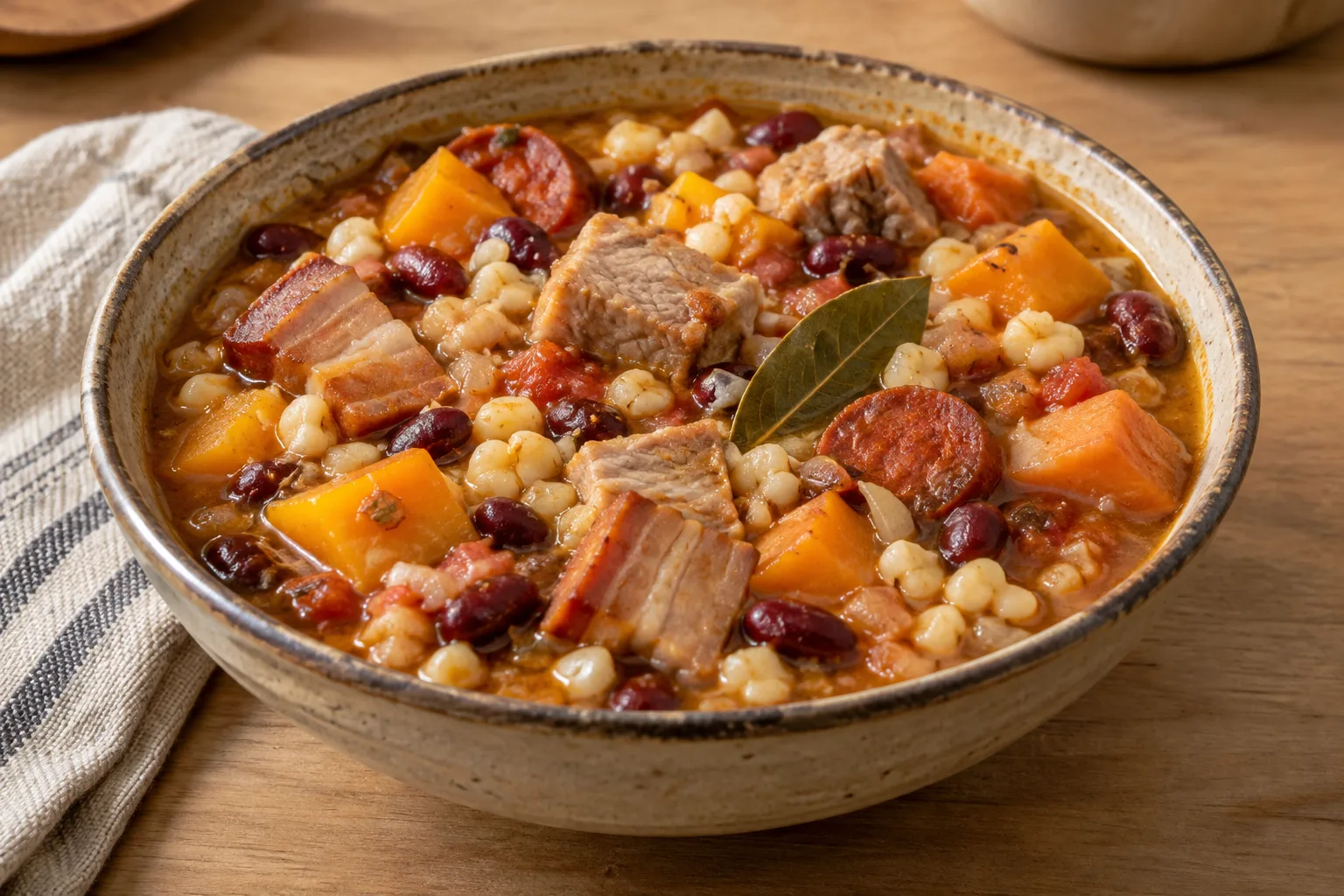
- Chicken or pork
- Chili and other seasoning ingredients
Frequently asked questions
Is dried white corn the same as cornmeal?
No. Dried white corn is whole grain; cornmeal is a ground corn product. They are prepared and substituted differently.
Can I substitute dried yellow corn?
For some whole-kernel recipes, yes. The color and flavor may change, and you should follow the preparation directions for the product you use.
What does it mean to nixtamalize corn?
It means cooking and resting corn in limewater, then rinsing and grinding it into dough. This is different from simply cooking dried kernels.
Ingredient allergens
Allergen listThere are no verified associations for these ingredients yet.
Estimated nutrition
- Fat
- 5.22 g
- Saturates
- 0.82 g
- Carbohydrate
- 74.9 g
- Sugars
- 5.38 g
- Protein
- 9.88 g
- Salt
- 0.03 g
Sources and review
Automatically researched, cross-checked and validated content. Sources consulted:
- Client Challenge doi.org/10.2307/jj.27939689.16
- The Essential Glossary of Cooking Terms for the Culinary Arts - Escoffier www.escoffier.edu/blog/culinary-arts/the-essential-glossary-of-cooking-terms-for-the-culinar…
- Storing White Rice | USU extension.usu.edu/preserve-the-harvest/research/storing-white-rice
- Washington State Food Access English-Spanish Glossary wpcdn.web.wsu.edu/wp-snaped/uploads/sites/2/2025/10/Food-Access-Spanish-Glossary.pdf
- Harinas de maíz ¿Cuántos tipos hay y para qué sirven? - Formacion en Gastronomia www.formacionengastronomia.com/cocina-latina/harinas-de-maiz-cuantos-tipos-hay-y-para-que-si…
- filling gender gaps: determining how traditional knowledge of experts.esf.edu/view/pdfCoverPage?download=true&filePid=1356518480004826&instCode=01SUNY_ESF
- El maiz en la nutrición humana - Tecnología postcosecha: la elaboración www.fao.org/4/t0395s/T0395S06.htm
- Maíz: qué es, tipos y beneficios bonviveur.com/es/noticias/maiz
- 'Doing' Llama Face Stew: A Late Moche Culinary ... scholarworks.utrgv.edu/cgi/viewcontent.cgi?article=1000&context=anthro_fac
- Publicaciones de Seguridad alimentaria www.aesan.gob.es/actualidad/publicaciones-seguridad-alimentaria
- carotene-rich maize and a rapid HPLC method for t dr.lib.iastate.edu/bitstreams/647551a6-795b-400d-b9ea-b2acbd3ebcc0/download
- Wa | Multepal multepal.spanitalport.virginia.edu/node/3136
- "RECONSTRUCTING PLANT USE AND FOOD PRACTICES: MICROBOTANICAL EVIDENCE F" by Jocelynne Alexandra Ayala Vera digitalcommons.fau.edu/etd_general/346/
- Zea mays - Wikipedia, la enciclopedia libre es.wikipedia.org/wiki/Zea_mays