- Category
- Grains, flour and pasta
- State
- Dry
- Usual unit
- g
What it is
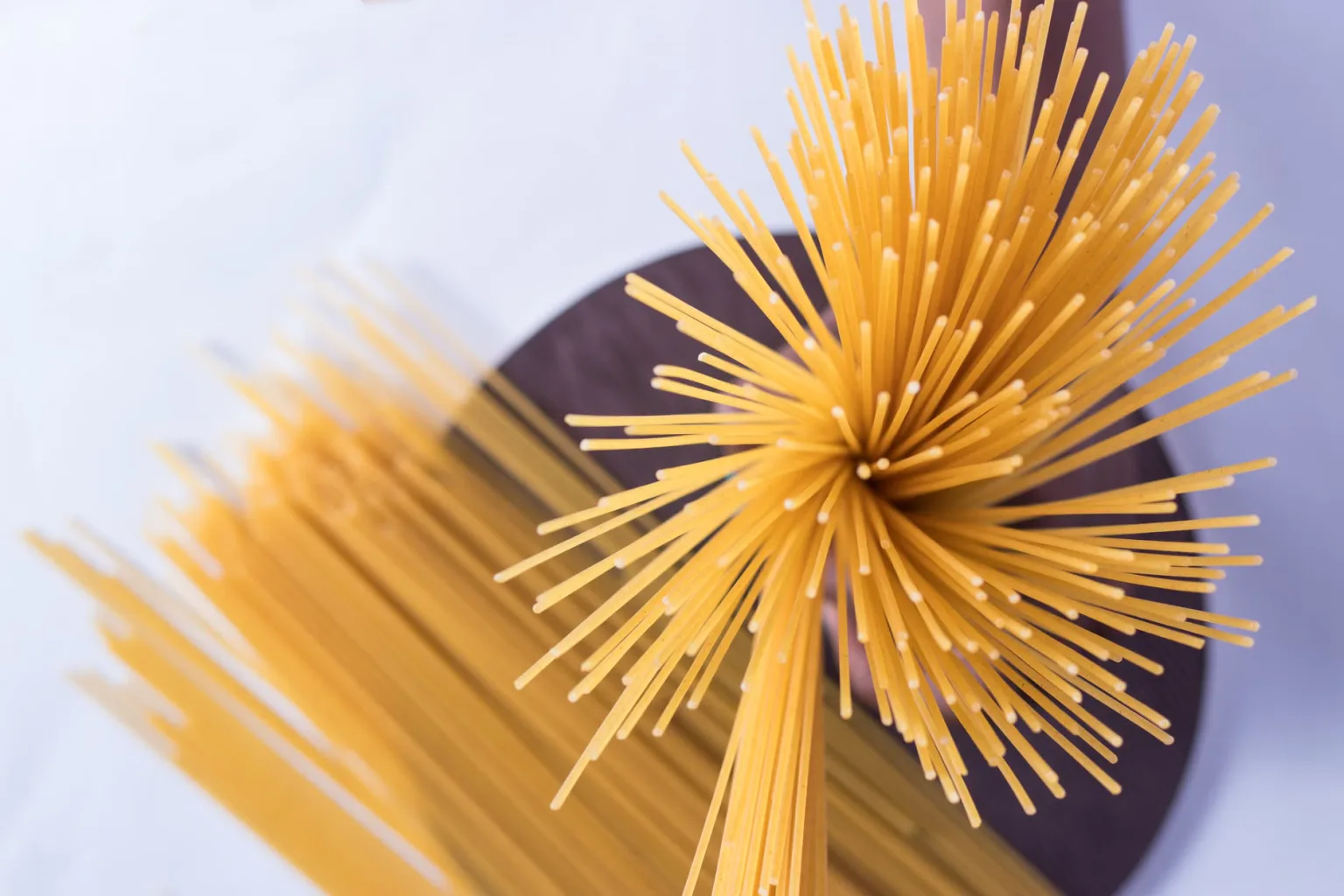
Dry fine vermicelli are a thin-strand pasta format sold in a dehydrated state. “Vermicelli” and similar names can refer to different products depending on the maker and culinary tradition: the grain or starch, thickness, shape and other ingredients may vary. The name alone therefore cannot establish whether a packet is made from wheat or rice, contains egg, or contains gluten. Check the ingredient list and preparation directions on the package to identify the product and learn how to prepare it. Because these vermicelli are dry, they differ from fresh versions, although recipes may use fine noodles in either form.
When to use it
Use them when a recipe specifically calls for dry fine vermicelli or when you want thin strands in a soup, broth or stir-fry. Their narrow shape may make them soften differently from other pasta, so do not assume they need the same method or timing as thick, fresh or instant noodles. Before cooking, check whether the package calls for boiling, soaking or another method. Also check whether the recipe says to drain them before adding them to the dish. In a saucy or brothy preparation, remember that prepared noodles may absorb liquid and change texture as they stand.
How to use it
Start by reading the ingredient list and directions on the packet: products sold as vermicelli do not all have the same ingredients or preparation method. Measure the amount required by your recipe and use the specified method, whether that is cooking or rehydrating. Do not automatically use the timing for a different pasta; thin strands can soften quickly, and package directions do not necessarily describe the same product. Drain them if the label or recipe says to do so. Then add them to soup or broth, or combine them with vegetables and sauce in a stir-fry if that variety is intended for the use. Preparing them separately may help control their texture; add them at the appropriate point. Do not assume every variety can be fried directly while dry.
Flavour and texture
Flavor and texture depend on the ingredients and processing of the particular product. Dry strands are firm and brittle; when prepared, they may become tender, fine and flexible, depending on the noodle type and package directions. The word “vermicelli” does not guarantee a specific flavor or identify whether the noodles are made from wheat or rice. Prolonged cooking or a long rest in broth can make them softer. Follow the package directions and, where practical, check the texture as they cook.
How to choose it
Choose a package that clearly identifies the noodle type and provides readable cooking or rehydration directions. Check the ingredient list and allergen information before buying: “fine vermicelli” alone does not tell you whether the base is wheat, rice or another ingredient, or whether egg is included. Make sure the product suits the intended recipe. If you need a particular composition, do not infer it from the product name; confirm it on the label.
Storage
The available information does not establish a storage method or period that applies to every type of dry fine vermicelli. Check the manufacturer's directions on the specific package, including any guidance for after opening, and follow them. Do not assume all products called vermicelli have identical storage requirements. If the package does not explain how to store it after opening, consult the manufacturer's product information rather than applying an unlisted method or shelf-life estimate.
Substitutions
Another fine noodle may work if the recipe allows a change of format, but do not assume it needs the same amount of liquid or the same method. Rice-, wheat- or other base noodles can differ in ingredients, texture and preparation. Follow the substitute's package directions and adjust when you add it to the dish. A substitution may change the result if the recipe depends on a particular texture.
Common mistakes
A common mistake is assuming all vermicelli share the same ingredients or can be prepared interchangeably. Check the label and follow the specific directions instead of borrowing a cooking time from another noodle. Avoid leaving the strands in water or broth longer than the directions call for if the recipe does not require it, as they may become too soft. The name alone does not guarantee that a product is free from wheat, egg or gluten.
Safety and allergens
Check the product's ingredient list and allergen information, especially if you need to avoid wheat, gluten, egg or another ingredient. Follow the preparation and storage directions on the package; ingredients and methods can vary between products.
Culinary uses
- Base para sopas y caldos
- Ingrediente para salteados y platos de fideos
Recommended techniques
- Cocer o rehidratar según las instrucciones del envase
- Añadir a sopas o caldos
- Saltear una vez preparado, si el tipo de fideo es adecuado
Pairs well with
- Caldos y sopas
- Verduras
- Salsas y condimentos
- Carne o marisco, según la receta
Frequently asked questions
What are dry fine vermicelli made from?
The name does not determine the ingredients. The base and other ingredients vary by product, so check the package ingredient list.
Should I boil or soak vermicelli?
That depends on the variety. Follow the package directions, which specify whether to cook, rehydrate or use another method.
Can I substitute another pasta for vermicelli?
Sometimes, but the texture and preparation may differ. Choose a fine noodle suited to the dish and follow its package directions.
Ingredient allergens
Allergen listDepends on the product
-
Cereals containing gluten
Dry fine vermicelli
Sources and review
Automatically researched, cross-checked and validated content. Sources consulted:
- Client Challenge doi.org/10.2307/jj.27939689.16
- Glimpses of an 18th century Colonial Kitchen in Manila archium.ateneo.edu/cgi/viewcontent.cgi?article=1610&context=kk
- neoliberal multiculturalism in early digital discourse about food. iro.uiowa.edu/view/pdfCoverPage?download=true&filePid=13873804470002771&instCode=01IOWA_INST
- Recetas en 1 minuto www.cordonbleu.edu/madrid/recetas-en-1-minuto/es
- PADRE SOL, MADRE LUNA: Cuentos del desarrollo de ... digitalrepository.unm.edu/cgi/viewcontent.cgi?article=1308&context=abya_yala
- ¿Qué es un fideo? | Cuisinenet www.cuisinenet.com/es/ingredientes/fideos/
- Estos son los tipos de 'noodles' más comunes www.hola.com/cocina/noticias/20210304185402/tipos-noodles-fideos-asiaticos-mas-comunes/
- Noodles: tipos, donde comprarlos y receta - Oriental Market www.orientalmarket.es/conoce-acerca-los-noodles/?srsltid=AYCX9vJR_OLq_wKllw-ySHHeUgsOFoOq9vE…
- Fideos - Wikipedia, la enciclopedia libre es.wikipedia.org/wiki/Fideos
- fideos(Alimento tradicional elaborado con harina de cereales o legumbres.)_Baidu Enciclopedia baike.baidu.com/es/item/fideos/1000317
- Vermicelli - San Remo sanremo.com.au/products/vermicelli/
- Vermicelli Noodles | Products | Blue Dragon www.bluedragon.co.uk/products/vermicelli-noodles